Float Fishing the New River
There's nothing quite like the feeling of watching the world drift by as you glide down a scenic river, casting into pristine waters that most shore-bound anglers can only dream of reaching. For many West Virginia anglers, the thought of navigating the New River's currents and rapids can seem daunting, making them stick to more accessible, often crowded, spots. But with the right preparation, float fishing the New River unlocks an unparalleled fishing experience, taking you to untouched honey holes and offering incredible opportunities for trophy fish. This guide will walk you through everything you need to know to confidently plan and execute a successful float fishing trip on this iconic waterway.
Why Float Fishing the New River is a Must-Do
The New River isn't just a river; it's an ancient, living legend, carving its way through breathtaking gorges and offering an experience unlike any other in West Virginia. When you choose to float fish here, you're not just casting a line; you're embarking on an adventure that connects you with nature in a profound way.
Unmatched Scenery and Solitude
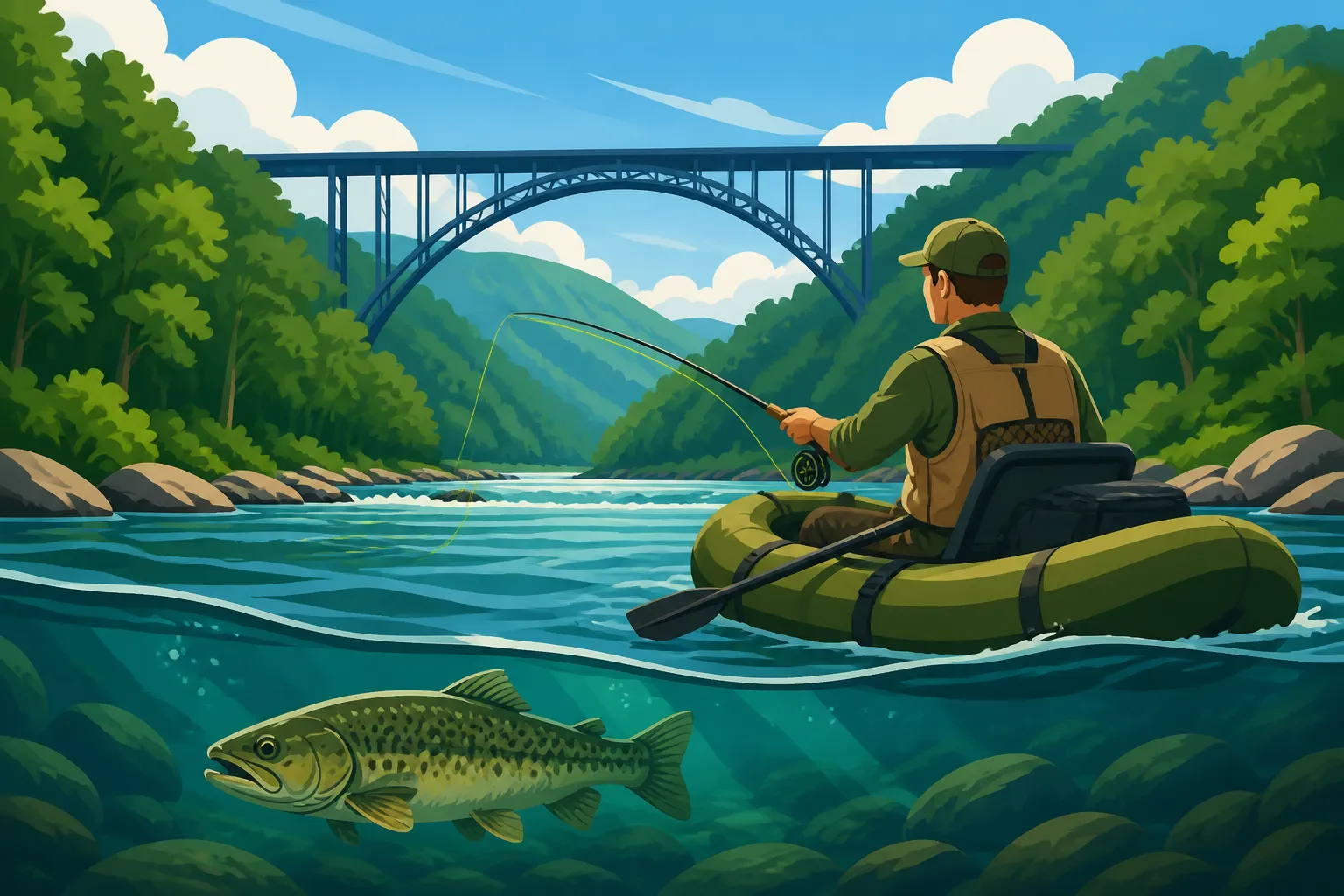
Picture this: towering cliffs draped in rhododendron, bald eagles soaring overhead, and the constant murmur of the river as your soundtrack. Float fishing allows you to immerse yourself in the heart of the New River Gorge National Park and Preserve, an area of stunning natural beauty that's largely inaccessible by road. You'll pass through stretches of river where the only sounds are the dip of your paddle and the splash of a rising fish, offering a peace and solitude that's increasingly rare in our busy world. It’s an escape from crowded fishing piers and bankside commotion, providing a serene environment where you can truly focus on the fishing and the natural surroundings.
Beyond the sheer aesthetics, this solitude means less fishing pressure. Fish in these less-accessible areas tend to be less wary, often more aggressive, and generally healthier. You're getting to spots that require effort to reach, and that effort often translates into a more rewarding fishing experience with potentially bigger and more numerous catches. It's about earning your fish, and the New River certainly makes you earn it, but the payoff is immense.
Targeting Trophy Smallmouth and Muskie
The New River is world-renowned for its incredible smallmouth bass and muskie fishing, and float fishing puts you right in the prime habitat for both. Smallmouth here are legendary – aggressive, hard-fighting, and often reaching impressive sizes. Drifting silently allows you to approach prime smallmouth structure like submerged boulders, ledges, and current breaks without spooking them. You can work your baits thoroughly through these areas, covering much more water than you ever could from the bank. For an even deeper dive into these phenomenal fighters, check out our guide on New River Smallmouth Bass Fishing.
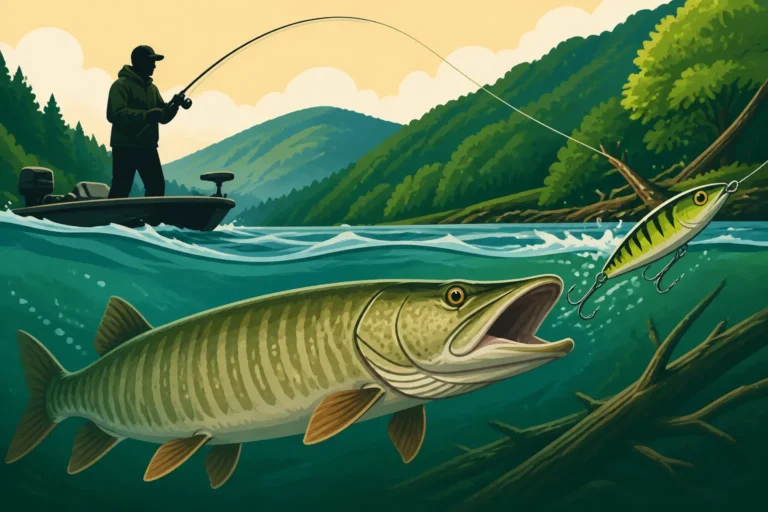
Then there's the muskie, the "fish of a thousand casts." The New River is one of the best places in the country to pursue these elusive giants. Float fishing provides the advantage of covering miles of river, systematically targeting muskie-holding areas like woody debris, deep pools, and eddy lines. You can make countless casts to high-probability spots, increasing your odds of encountering one of these apex predators. For anglers specifically chasing these toothy critters, our article on New River Muskie Fishing offers even more dedicated insights. The ability to silently maneuver and present your lure to these often spooky fish is a game-changer, giving you a distinct advantage over bank fishing.
Essential Gear for Your New River Float
Getting on the New River requires specific equipment to ensure both a successful fishing trip and, more importantly, a safe one. Don't skimp on researching and acquiring the right gear; it can make or break your experience.
Choosing Your Vessel: Kayaks, Canoes, and Rafts
The type of craft you choose for your New River float will depend on several factors: the section of river you're floating, your skill level, the number of people in your party, and the amount of gear you plan to bring. Each option has its pros and cons.
- Kayaks: Fishing kayaks, especially sit-on-tops, are incredibly popular for river floats due to their maneuverability, stability, and ease of paddling in current. They allow a single angler to easily navigate riffles and eddy lines, access tight spots, and present lures with precision. Many are equipped with rod holders, ample storage, and even pedal drives for hands-free fishing. They are generally easier to transport and launch than larger boats. For guidance on selecting the perfect paddlecraft, you might find our guide to the Best Kayak for the New River particularly helpful.
- Canoes: Canoes offer more storage capacity than kayaks, making them suitable for longer trips or when fishing with a partner. They can handle some moderate rapids, but require coordinated paddling, especially in swift water. Stability can be a concern, especially if you plan to stand and cast.
- Rafts (Dories/Inflatables): For serious multi-day trips, or for those tackling the more intense whitewater sections, a whitewater raft or drift boat (like a McKenzie dory) is often preferred. These offer superior stability, can carry a substantial amount of gear, and are ideal for groups or guided trips. However, they are significantly more expensive, require specialized trailers, and often need multiple people to operate effectively.
Here's a quick comparison of common float fishing vessels for the New River:
| Feature | Fishing Kayak | Canoe | Whitewater Raft (or Drift Boat) |
|---|---|---|---|
| Ideal For | Solo anglers, smaller rapids, maneuverability | Pairs, moderate gear, calmer sections | Groups, heavy gear, significant whitewater |
| Stability | Good (especially wider fishing models) | Moderate (can be tippy if standing) | Excellent |
| Maneuverability | High | Moderate | Moderate (requires strong oarsman) |
| Storage | Limited to moderate | Moderate to High | High |
| Cost | Moderate to High (depending on features) | Low to Moderate | Very High |
| Skill Level | Beginner to Intermediate | Intermediate | Advanced (for rapids) |
Rods, Reels, and Line for River Species
The New River’s powerful currents and strong fish demand robust gear. For smallmouth bass, a medium-heavy spinning rod or baitcasting setup, 6'6" to 7'6" in length, is ideal. This length provides the leverage needed for long casts and the backbone to turn strong fish away from structure. Pairing it with a quality reel spooled with 10-15 lb braided line and a fluorocarbon leader (8-12 lb) is a common and effective setup. Our comprehensive guide on Best Fishing Rods for West Virginia Rivers offers more specific recommendations tailored to the unique challenges of river fishing.
When targeting muskie, you’ll need much heavier gear. A heavy or extra-heavy baitcasting rod, 8 to 9 feet long, paired with a robust baitcasting reel capable of handling heavy lines and large lures, is essential. Spool your reel with 50-80 lb braided line, and always use a strong, bite-proof leader (like heavy fluorocarbon or wire) to prevent bite-offs from their razor-sharp teeth. Don't forget a large, rubberized landing net specifically designed for muskie to ensure safe handling and release. Investing in quality gear for muskie isn't just about catching them; it's about being able to fight them effectively and safely release them.
Essential Tackle and Lures
For New River smallmouth, a diverse tackle box is your best friend. Start with reliable choices like tubes (green pumpkin, black, white), jig-and-trailer combos (football jigs, swim jigs), topwater baits (poppers, walking baits), spinnerbaits, crankbaits (square bills, medium divers), and soft plastics like senkos and swimbaits. The river's clear water often calls for natural colors, but don't shy away from brighter patterns on overcast days or in stained water. For a detailed breakdown of what the pros use, be sure to read our article on Best Baits for Smallmouth Bass on the New River. Many anglers find a good selection of these lures readily available on Amazon, making it easy to stock up before a trip.
Muskie anglers will need an even more specialized arsenal. Large bucktails, glide baits, jerkbaits, and big swimbaits are standard fare. Lure sizes can range from 6 inches to over 12 inches. Having a variety of colors and actions is crucial, as muskie can be incredibly finicky. Remember that muskie fishing is as much about presentation and persistence as it is about the lure itself. Don't forget a pair of long-nosed pliers or jaw spreaders for safe hook removal, and a sturdy set of bolt cutters in case a hook is deeply embedded.
Planning Your New River Float Trip
A successful float trip on the New River requires careful planning, from understanding access points to monitoring river conditions. This isn't a spur-of-the-moment kind of fishing trip; it demands foresight and preparation.
Access Points and Shuttles
The New River Gorge National Park and Preserve offers several access points suitable for launching and taking out canoes, kayaks, and rafts. Popular options include Fayette Station, Cunard, and Thurmond. Each offers a different length and intensity of float, so research the specific stretch you intend to cover. For instance, the section below Sandstone Falls to Cunard can be a fantastic, scenic float, while the upper gorge near Thurmond can present more technical challenges.
Logistics for shuttling your vehicle or arranging professional shuttle services are paramount. You'll need to drop a vehicle at your take-out point before launching, or hire one of the many local outfitters in Fayetteville or Hinton to handle the shuttle for you. This is often the most convenient and safest option, especially for longer floats or if you're unfamiliar with the area. Always confirm shuttle arrangements well in advance, especially during peak season. You can find detailed maps and information on these points in our guide to New River Gorge National Park Fishing Access Points.
Best Times of Year and Day
The New River offers excellent fishing opportunities throughout much of the year, but prime float fishing generally occurs from late spring through early fall. Spring (April-May) can be fantastic for smallmouth as they move into pre-spawn and spawning patterns, but river levels can also be high and swift due to snowmelt and spring rains. Summer (June-August) offers consistent action, often with lower, more stable water levels, making for easier floating and excellent topwater fishing in the mornings and evenings. Fall (September-October) brings cooler temperatures, beautiful foliage, and active fish fattening up for winter, often producing some of the biggest muskie of the year. For a broader overview of seasonal changes, consult our article on the Best Time of Year to Fish in West Virginia.
Timing your float to coincide with optimal fishing conditions during the day is also key. Early mornings and late evenings are almost always the most productive for both smallmouth and muskie, as fish are often more active and surface feeds are common. Mid-day can be slower, especially in bright sunlight, but fish can still be caught by targeting deeper pools and heavy cover. Planning your put-in and take-out times to maximize these prime windows will significantly improve your catch rates.
Understanding River Levels and Conditions
Monitoring river levels and flow rates is critical for safety and fishing success on the New River. High water can make floating dangerous due to increased current speed and submerged hazards, while extremely low water can lead to frequent scraping and portaging. Always check the USGS water data for your specific stretch of the New River before heading out. Websites like American Whitewater also provide real-time gauges and local knowledge on runnable levels.
Ideal fishing conditions typically involve stable or slowly falling water levels after a rain event, which can often trigger feeding activity. However, if the river is rising rapidly or extremely high and muddy, it's usually best to reschedule. Clear water, while beautiful, can make fish more skittish, requiring longer casts and more subtle presentations. Understanding how different conditions affect fish behavior is key to adapting your approach. For example, after a heavy rain, fish might move to slower current areas or seek refuge in eddies, making those spots prime targets.
Techniques for Success on the New River
Float fishing the New River isn't just about drifting; it's about actively working the water and understanding where fish hold. Mastering a few key techniques will drastically improve your chances of success.
Reading the Water for Productive Spots
The New River constantly changes, and learning to "read the water" is an invaluable skill. Look for current seams where fast water meets slow water – these are ambush points for smallmouth. Eddies behind large boulders or logjams provide current breaks where fish can rest and wait for food to be swept by. Submerged timber, rock piles, and ledges are classic smallmouth and muskie holding structures. Pay close attention to changes in depth, color, and surface texture. A ripple line might indicate a shallow rock bar, while a calm, deep pool could hold a trophy muskie.
As you drift, try to position your boat to make casts into these prime areas. Often, the best approach is to cast ahead of your boat, allowing your lure to drift naturally into the strike zone before your boat passes over it. This minimizes spooking the fish and presents a more natural offering. Don't overlook the "insides" of bends where current slows and deposits sediment, creating shallower, often warmer, areas that can attract baitfish and, in turn, predatory game fish. Our detailed article on How to Catch Smallmouth Bass in West Virginia Rivers expands on these water-reading techniques.
Presenting Baits and Lures Effectively
The key to successful lure presentation while float fishing is often about achieving a natural drift or retrieve, mimicking the movement of prey in the current. For smallmouth, casting tubes or jig-and-trailer combos upstream and allowing them to bounce naturally along the bottom as they drift downstream can be deadly. Spinnerbaits and crankbaits should be retrieved just fast enough to get their action, often slightly slower than you might in a lake to account for the current. For topwater lures, work them with pauses and twitches in calm pockets and eddy lines, especially during low-light conditions.
Muskie fishing from a float boat often involves making hundreds of casts throughout the day. Focus on working large bucktails, glide baits, and jerkbaits along current seams, around cover, and through deep pools. Vary your retrieve speed and incorporate pauses to trigger strikes. When you hook a muskie, be prepared for a powerful fight, and always have your large net ready. Accuracy in casting is paramount; placing your lure precisely against a piece of structure or along a current break can make all the difference. Many anglers find specific lure brands that perform well in the New River, and while local shops are great, finding a wide selection of specialty muskie baits can sometimes lead anglers to browse online retailers like Amazon.
Fighting Fish in Current
Fighting a strong fish in river current adds another layer of challenge and excitement. When a smallmouth or muskie strikes, they'll often use the current to their advantage, making powerful runs that feel even stronger. It’s crucial to maintain constant pressure and use your rod's flexibility to absorb their surges. Avoid trying to "horse" the fish against the current, as this can easily lead to pulled hooks or broken lines.
Instead, let the fish run when it needs to, but slowly gain line whenever possible. Use your boat's position to your advantage; sometimes, if safe, you can gently paddle downstream to keep up with a running fish, effectively neutralizing some of the current's power. For larger fish like muskie, it's often a team effort. One person should be focused solely on handling the boat, keeping it stable and in a safe position, while the angler fights the fish. Remember to always have a net ready and never grab a muskie by the gills due to their sharp gill rakers. Safe handling and quick release are crucial for these magnificent fish.
Safety First: Navigating the New River
The New River is stunning, but it demands respect. Safety should always be your top priority when float fishing, especially given the river's potential for powerful currents and rapids.
Navigating Rapids and Obstructions
Before you even launch, scout the section of river you plan to float, either in person or with detailed maps and online resources. Identify any major rapids, shoals, or known hazards. The New River has sections ranging from easy riffles to Class III+ whitewater. If you're new to river floating, start with calmer, flatter stretches. Always wear your personal flotation device (PFD). Our guide to Life Jacket Requirements for West Virginia Boaters offers important details on legal requirements and best practices.
When approaching a rapid, take a moment to "read" it from a distance. Look for the clearest path, avoiding large standing waves, obvious rocks, or "strainers" (fallen trees or debris that can pin a boat). Paddle actively to steer your boat where you want it to go, rather than just letting the current dictate your path. If you're unsure about a rapid, portage around it if possible, or scout it from shore. Never hesitate to get out and walk your boat if a section looks too risky for your skill level. A safe, successful trip is always better than a risky shortcut.
Weather Awareness and Emergency Preparedness
West Virginia weather can change quickly, especially in the mountains. Always check the forecast before and during your trip. Be prepared for sudden thunderstorms, drastic temperature drops, and strong winds. Pack appropriate rain gear and extra layers of clothing, even on sunny days. Keeping these items in a dry bag (readily available on Amazon) is a smart move.
Beyond weather, carry a well-stocked first-aid kit that includes essentials for cuts, scrapes, insect bites, and minor emergencies. A repair kit for your boat (patch kit for inflatables, duct tape for kayaks/canoes) can save a trip. Always have a way to communicate – a fully charged cell phone in a waterproof case, and ideally, a satellite communication device for areas with no service. Inform someone of your float plan, including your put-in, take-out, and estimated times. Being prepared for the unexpected is not just good practice, it's essential for river safety. Consider familiarizing yourself with West Virginia Boating Laws for Anglers for additional guidelines on safe river travel.
Personal Flotation Devices and Communication
It cannot be stressed enough: wear your PFD at all times while on the water. Drowning is the leading cause of death in boating accidents, and many of those could be prevented by wearing a PFD. Choose a comfortable, well-fitting PFD designed for paddling or fishing that allows for a full range of motion. Modern PFDs are lightweight and offer plenty of pockets for small gear, making them easy to wear throughout the day.
In addition to cell phones, consider a marine band radio if you're in a group or plan to be on larger stretches of the river, as it can be more reliable for communicating with other boaters or emergency services in some areas. A whistle attached to your PFD is a simple but effective signaling device for alerting others to your presence or in case of an emergency. Remember that while Operating a Boat Near an Angler in West Virginia has its own rules, being able to communicate clearly with other river users is paramount for safety and courtesy.
Conservation and Etiquette on the River
Float fishing the New River offers an incredible experience, and it's our responsibility as anglers to protect this precious resource for future generations. Practicing responsible angling and minimizing our impact ensures the river remains healthy and beautiful.
Catch and Release Best Practices
The New River's smallmouth bass and muskie fisheries are largely sustained by healthy populations and responsible catch-and-release practices. While specific regulations exist for keeping certain species, many anglers choose to release trophy fish, especially muskie, to ensure their long-term health and reproductive success. When practicing catch and release:
- Minimize Fight Time: Bring the fish to the boat as quickly as possible to reduce stress.
- Handle with Care: Keep the fish in the water as much as possible. If you must remove it, use wet hands, a rubberized net, or a cradle. Avoid touching gills or eyes.
- Quick Hook Removal: Use long-nosed pliers or a hook remover to quickly and carefully extract hooks. If the fish is deeply hooked, cut the line as close to the hook as possible.
- Revive Gently: Hold the fish upright in the current, allowing water to flow over its gills, until it regains strength and can swim away on its own.
Educating yourself on proper fish handling techniques not only boosts survival rates but also helps maintain the quality of the fishery for everyone.
Minimizing Your Impact on the River
The "Leave No Trace" principles are particularly important on a wild and scenic river like the New. Pack out everything you pack in, and then some. This includes all trash, food scraps, and fishing line. Even biodegradable items should be packed out, as they can take a long time to decompose and detract from the wilderness experience.
Avoid disturbing wildlife or damaging vegetation. Stay on established paths when launching or taking out, and avoid trampling riverbanks. If you need to stop for a break or to fish a specific spot, choose durable surfaces like rock or gravel. By being mindful of your presence and leaving the river exactly as you found it (or even better), you contribute to the conservation of this magnificent natural wonder. After all, the wildness and beauty of the New River are what make float fishing there so truly special.
Disclaimer
The information provided in this guide is for general informational purposes only and is not a substitute for official regulations or professional advice. Always consult the latest West Virginia fishing regulations, boating laws, and local weather forecasts before planning any fishing trip. Safety is paramount; be prepared for changing conditions and always prioritize personal safety on the water.