Best fly size for Elk River trout in spring
It's a scene many of us know all too well: standing by the beautiful, freestone waters of the Elk River in spring, feeling that mix of excitement and mild panic as you stare at a fly box packed with a dizzying array of tiny insects. Choosing the perfect fly size for those wary trout can feel like deciphering an ancient riddle, and picking wrong often means a frustratingly slow day. This guide will cut through the confusion and equip you with the knowledge to confidently select the best fly size, making your spring trout fishing on the Elk River more productive and enjoyable.
Understanding the Elk River's Spring Dynamics
The Elk River in spring is a dynamic system, constantly changing with snowmelt, rainfall, and fluctuating temperatures. These environmental factors play a huge role in what flies trout are keying in on, and perhaps more importantly, the size of those flies. Ignoring these nuances is a surefire way to have a challenging day, no matter how perfect your presentation.
Water Levels and Clarity Influencing Fly Size
When the spring snowmelt starts or we get a good spring rain, the Elk River can swell quickly. Higher water levels often mean a few things for fly selection. First, the current can be faster and stronger, making it harder for trout to discern small details. Second, the water might become a bit off-color, perhaps with a slight stain from runoff. In these conditions, trout might be less particular about the exact size of an insect and more focused on seeing it. This is often when going up a size or two can be beneficial.
Think about it: if the river is roaring and a little murky, a tiny size 20 midge might just disappear into the current and turbidity. A larger pattern, say a size 14 or 16, will have a more prominent profile, making it easier for a trout to spot and react to. Conversely, if you hit a period of stable weather and low, clear water—which can certainly happen even in spring—the trout become incredibly spooky and selective. This is when downsizing your fly can make all the difference, presenting a more delicate and natural imitation to fish with ample time to inspect your offering. Remember, presentation is key, and matching the current situation is paramount. For more on how these conditions affect your approach, check out our guide on Best Techniques for High Water Conditions.
Water Temperature and Trout Metabolism
Spring on the Elk sees water temperatures slowly climb from the chilly depths of winter. This gradual warming has a direct impact on the trout's metabolism and, consequently, their feeding behavior. In early spring, when water temperatures are still quite cold (think below 45°F), trout are often lethargic. Their digestive systems work slower, and they expend less energy chasing food. During these periods, they might prefer a larger, more calorie-dense meal if they're going to move for it, or conversely, a tiny, almost imperceptible morsel that drifts right into their feeding lane with minimal effort on their part.
As the water warms into the 50-60°F range, trout become much more active. Their metabolism increases, and they're willing to chase and consume more food. This is often when you'll see more aggressive takes and a wider variety of insects hatching. Understanding this metabolic shift helps you predict whether fish will prefer a slow-moving, larger nymph, or be eager to snap up emerging or actively drifting smaller insects. It's a subtle but crucial factor in your decision-making process for fly size. You can also monitor water temperatures to gauge When West Virginia trout streams get too warm to fish.
Matching the Hatch: Key Spring Insects and Their Sizes
The adage "match the hatch" is timeless for a reason, and nowhere is it more critical than on a productive trout stream like the Elk River in spring. Trout feed opportunistically, but when specific insects are prevalent, they become highly selective, keying in on the size, shape, and color of those particular bugs. Being observant and carrying a good range of sizes for common spring insects is your secret weapon.
Early Spring Staples: Midges and Stoneflies
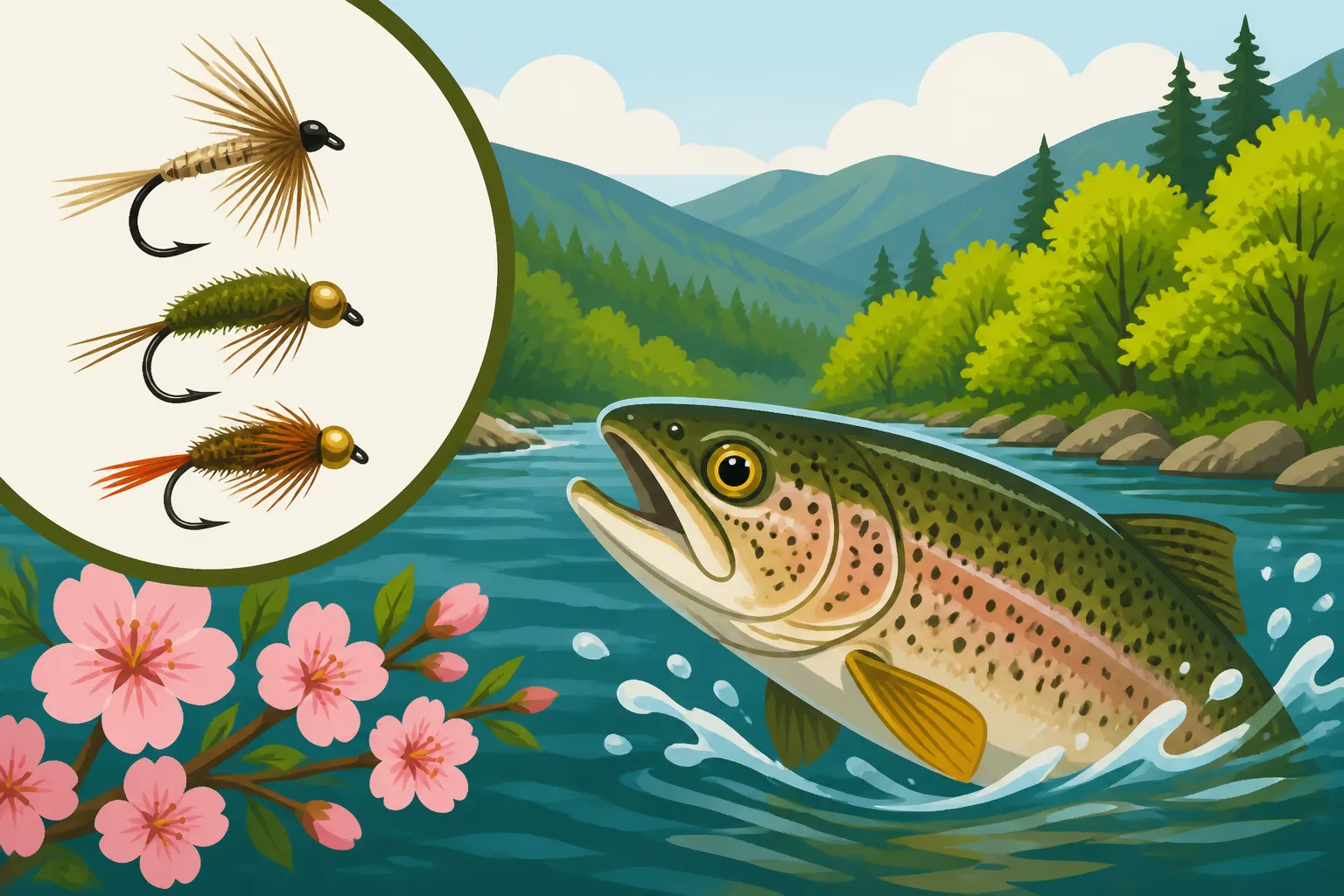
As spring just begins to yawn open, often in March and early April, you'll still find many trout relying on nymphs and larvae that are present year-round. Midges, in particular, are almost always a food source, even in the coldest months. In early spring, midges can hatch in incredible numbers, sometimes appearing as tiny clouds over the water. For these, you'll want to go tiny. Think sizes 20, 22, and even 24. These flies are best fished on very light tippet and often presented in a slow, drag-free drift near the bottom or just under the surface. Having a good selection of these small patterns, easily acquired on Amazon or at any specialized fly shop, is non-negotiable.
Alongside the minuscule midges, don't forget about the larger stoneflies. While not typically hatching in huge numbers in early spring, their nymphs are a significant food source. Stonefly nymphs can be quite large, ranging from size 8 down to size 14. These robust insects often cling to the bottom, and a well-presented stonefly nymph pattern can entice a larger trout looking for a substantial meal. These are excellent choices for a lead fly in a two-nymph rig, especially when the water is a bit higher or stained.
The Prolific Mayflies and Caddis
As spring progresses into April and May, the Elk River truly comes alive with insect activity. This is prime time for prolific hatches of mayflies and caddisflies, and matching their size becomes paramount.
Mayflies: You'll encounter several important mayfly species. The "Blue-Winged Olive" (BWO) is a classic spring hatch, often appearing on cloudy or rainy days. BWOs are typically small, ranging from size 16 down to size 22. Having both nymph and adult patterns in this size range is crucial. Sulphurs are another critical mayfly, especially as you move into late spring. These tend to be a bit larger, usually in sizes 14 to 18. Watching the water for shucks or actual adults will tell you exactly what the trout are feeding on.
Caddisflies: Caddis hatches can be explosive on the Elk. Different species emerge at different times, but generally, you'll be looking at sizes from 12 to 18 for most caddis patterns. Grannoms, for example, are common early spring caddis, often a dark olive or black, and typically fish best in sizes 14-16. Later in spring, lighter-colored caddis can appear. The key with caddis is often their erratic emergence—they dart to the surface, and sometimes skitter across it. Having pupa patterns (sizes 14-18) for under the surface and adult patterns (sizes 12-16) for dries is essential. Don't forget to consider emerger patterns for both mayflies and caddis, as trout often key in on these vulnerable stages just below the film. A diverse fly box, perhaps a waterproof one from brands found on Amazon, is your best friend.
Here's a quick reference table for common spring hatches and their typical fly sizes on the Elk River:
| Insect Type | Common Species (Spring) | Life Stage | Typical Fly Sizes | Notes |
|---|---|---|---|---|
| Midges | Various | Nymph, Pupa, Adult | 20-24 | Present year-round, critical in early cold spring. |
| Stoneflies | Golden Stone, Skwala | Nymph | 8-14 | Large, important sub-surface food source year-round, especially early. |
| Mayflies | Blue-Winged Olive (BWO) | Nymph, Emerger, Adult | 16-22 | Crucial on cloudy days, often multiple broods. |
| Sulphur | Nymph, Emerger, Adult | 14-18 | Later spring hatch, light yellow bodies. | |
| Hendrickson | Nymph, Emerger, Adult | 12-16 | Mid-spring hatch, often reddish-brown bodies. | |
| Caddisflies | Grannom, Spotted Sedge | Pupa, Emerger, Adult | 12-18 | Erratic emergence, often on warmer days. |
Beyond the Hatch: Terrestrials and Attractors
While matching the hatch is undeniably effective, sometimes the trout aren't keying on a specific insect, or conditions aren't ideal for a prominent hatch. This is where having a few "go-to" terrestrial or attractor patterns in various sizes can save the day. These flies are often larger and more noticeable, designed to grab a trout's attention even when they're not actively feeding on naturals.
When a Little Extra Flash or Size Helps
Attractor patterns are designed to do exactly that: attract attention. These flies often incorporate flashy materials, brighter colors, or an exaggerated profile that might not perfectly imitate any single natural insect but looks generally buggy and appealing. In off-color water or when trout are simply not responding to subtle imitations, a slightly larger attractor nymph, like a size 12 or 10 Walt's Worm or a Pheasant Tail with a hot spot, can trigger a strike. The larger size makes it more visible in challenging conditions.
Similarly, even if no large insects are hatching, a larger, buggy dry fly like a Royal Wulff or a Stimulator in sizes 10-14 can sometimes bring up a curious trout, especially in faster runs where they have less time to inspect. The larger size creates a more visible disturbance on the surface, mimicking a struggling insect or even a small terrestrial that has fallen into the water. Sometimes, it's about making a statement rather than a perfect imitation. To learn more about various patterns, read our article on Fly Patterns for West Virginia Trout Streams.
Terrestrial Opportunists and Streamer Options
While true terrestrial season (ants, beetles, grasshoppers) typically peaks in summer and fall, you can still find early indications of them in late spring, especially during warmer periods. A large ant pattern in sizes 14-16, or a small beetle imitation in a size 16, can sometimes surprise you, particularly if you're fishing close to overhanging banks or wooded areas. These aren't about matching a hatch, but rather presenting an opportunistic food source that a trout won't pass up.
For more aggressive tactics, particularly when targeting larger brown trout or in higher, stained water, streamers come into play. Streamers aren't about mimicking individual insects; they imitate baitfish, crayfish, or other larger prey. Their sizes can vary dramatically, from small patterns in size 10 to much larger, articulated flies in sizes 2 and 4. When fishing streamers on the Elk, consider patterns like Woolly Buggers (sizes 6-12) or Sculpzillas (sizes 6-10). The larger size of a streamer is its primary appeal, signifying a substantial meal. The choice of streamer size depends heavily on the size of the baitfish present and the size of the trout you're hoping to entice. For deeper insights into targeting specific fish, check out Brown Trout Habits in West Virginia Streams.
Practical Tips for Fly Size Selection on the Elk
Choosing the right fly size isn't just about knowing your bugs; it's also about keen observation, carrying the right gear, and adjusting on the fly (pun intended!). The Elk River demands an angler who is willing to adapt and experiment.
Observe, Observe, Observe
The single most important tool in your fly size selection arsenal is your power of observation. Before you even make a cast, take a moment to simply watch the water.
- Surface Activity: Are trout rising? If so, look closely. Are there actual insects on the water? How big are they? Do you see specific shucks from emerging insects? Sometimes the rises themselves can tell you something. A gentle dimple usually indicates a fish sipping a tiny midge or a drowned spinner, suggesting a smaller fly. A more aggressive splash might indicate a larger emerger or even a caddis adult.
- Water Clarity and Flow: Is the water gin-clear and low, or a bit turbid and high? As discussed, this heavily influences visibility and the trout's willingness to inspect small flies.
- Bankside Clues: Turn over rocks in the shallows to see what nymphs are present. Look at spiderwebs and streamside vegetation for adults that have hatched. These clues can tell you what's about to happen or what might be happening under the surface.
- Weather Conditions: A sudden cold front or a bright, sunny day can shut down a hatch or make fish incredibly finicky. Pay attention to how the weather affects insect activity and fish behavior.
By observing these factors, you'll gain crucial insights into what flies—and what sizes—will be most effective. This empirical data from the river itself is far more valuable than any blanket recommendation.
Carrying a Range and Adjusting Your Setup
No matter how good your scouting, you’ll never guess perfectly every time. This is why carrying a wide range of fly sizes is essential. For spring trout fishing on the Elk, this means having:
- Midges: Sizes 20-24
- BWOs: Nymphs, emergers, and adults in sizes 16-22
- Sulphurs/Hendricksons: Nymphs, emergers, and adults in sizes 14-18
- Caddis: Pupa, emergers, and adults in sizes 12-18
- Stoneflies: Nymphs in sizes 8-14
- Attractors/Streamers: A few Woolly Buggers (sizes 6-12) and other general attractor nymphs (sizes 10-14)
Organizing these in a quality fly box, perhaps a clear-lid one that you can find easily on Amazon, will save you precious time on the water. Beyond just flies, having a range of tippet sizes is also crucial. For those tiny size 22-24 midges, you'll need 6X or even 7X tippet to ensure a natural drift and prevent break-offs on light strikes. For larger nymphs or streamers, 4X or 5X might be more appropriate. Matching your tippet diameter to your fly size is a critical, often overlooked, aspect of successful fly fishing. Don't forget to protect your eyes with Best Polarized Sunglasses for Sight Fishing as well.
The Rule of "Go Smaller"
When in doubt, especially on a clear, regulated, and often pressured river like the Elk, the general rule of thumb is to go smaller. Trout see a lot of flies, and they become highly educated. If you're getting refusals on your dry fly, or simply not getting any bites on your nymph rig, often the first adjustment to make is to drop down one or two fly sizes. Sometimes, it’s not the pattern, but the subtly of its presentation and size that makes all the difference.
This "go smaller" principle also applies to your tippet. If you're fishing a size 18 fly on 5X tippet and getting no love, try switching to 6X. The thinner diameter is less visible in the water and allows for a more natural, drag-free drift. Remember that a natural drift is often more important than the exact pattern itself, and a smaller fly on finer tippet is easier to drift naturally. Being equipped with the right gear, including a good Best Landing Net for Trout and a reliable Best Wading Staff for Fast Current for navigating the river, will complete your spring fishing setup. For more advice on spring tactics, check out Best Techniques for Early Spring Trout.
Conclusion
Choosing the best fly size for Elk River trout in spring is less about a single answer and more about a methodical approach to observation and adaptation. By understanding the river's dynamic spring conditions, familiarizing yourself with the key insect hatches and their corresponding sizes, and knowing when to use attractor patterns, you'll be well on your way to more successful days on the water. Always start by observing the subtle clues the river provides, carry a diverse selection of flies and tippets, and remember that when in doubt, often going a little smaller can unlock the bite. The Elk River offers some truly spectacular fishing, and with these insights, you're ready to make the most of it.
Disclaimer
The information provided in this guide is for general informational purposes only. Fishing regulations, conditions, and best practices can change rapidly. Always consult the latest West Virginia Division of Natural Resources (WVDNR) regulations and local conditions before heading out on the water. Exercise caution and practice safe angling techniques.