Fly Patterns for West Virginia Trout Streams
Trying to figure out which fly patterns to carry when you're headed to West Virginia's trout streams can feel like a daunting task. With so many different types of water, from tiny mountain brook trout streams to wide, stocked rivers, it's easy to get overwhelmed and end up with a fly box full of patterns that just don't produce. This guide is going to cut through the noise, helping you understand the essential fly patterns you need for success in West Virginia's diverse trout fisheries, no matter the season or the conditions.
Understanding West Virginia's Trout Ecosystem
Before we even dive into specific fly patterns, it's crucial to grasp the environment you'll be fishing in. West Virginia's trout streams are a unique blend of wild, native brook trout habitat, robust stocked fisheries, and even waters where wild brown trout thrive. Each type of water, and the fish within it, demands a slightly different approach when it comes to fly selection. Understanding the underlying ecology will greatly improve your chances of picking the right fly at the right time.
Native vs. Stocked Trout Habits
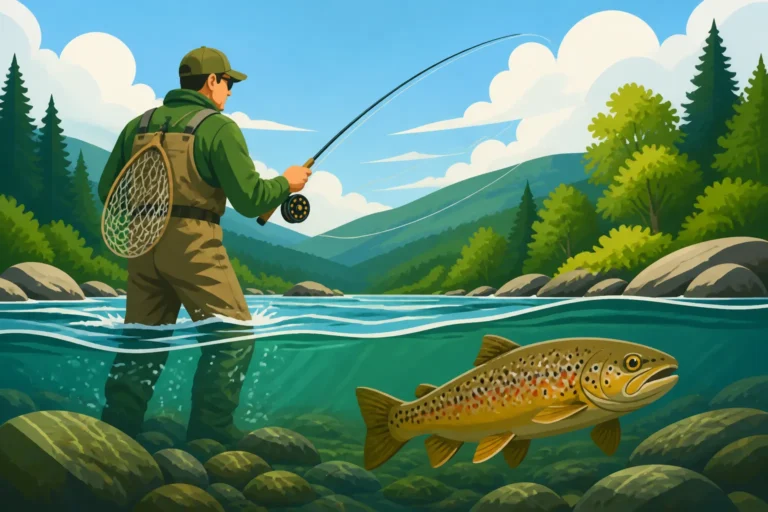
West Virginia is home to our state fish, the beautiful brook trout, which thrives in the colder, pristine headwater streams of the Monongahela National Forest and other high-elevation areas. These wild fish are often highly opportunistic, but they can also be incredibly selective, especially in heavily fished areas or during specific hatches. They typically don't grow to massive sizes, so your fly patterns will generally be smaller and more delicate. On the other hand, our stocked rainbow and golden rainbow trout, and even some brown trout, are often found in larger rivers and lakes. These fish, especially right after stocking, are often less wary and more aggressive, responding well to larger, flashier patterns or even simpler attractor flies. However, once they've been in the water for a while, they can become quite "educated" and begin to feed on natural insects, making it essential to switch to more imitative patterns. You'll often find a good mix, from the energetic stocked fish on the Cranberry River to the more elusive wild fish in hidden pockets.
Seasonal Insect Hatches and Their Importance
Trout, like most fish, are highly tuned to their food sources, and for fly anglers, that primarily means aquatic insects. West Virginia experiences distinct seasonal hatches of various bugs, including mayflies, caddisflies, and stoneflies. Knowing what's hatching, or what's about to hatch, can be the key to a successful day on the water. For instance, early spring might see prolific blue-winged olive (BWO) hatches on some streams, while summer could bring out hoppers and other terrestrial insects. The size, color, and behavior of these natural insects will dictate the most effective fly patterns to use. Paying attention to the water's surface for rising fish or flipping over rocks to see what nymphs are present can give you invaluable clues. This practice of "matching the hatch" is a cornerstone of fly fishing, though it's not always necessary, especially with hungry stocked trout.
Water Conditions and Fly Selection
Beyond the fish and the bugs, the actual conditions of the water itself play a massive role in choosing your fly. Is the water high and turbid after a good rain? Or is it low and crystal clear during a dry summer spell? High, off-color water often calls for larger, darker, and heavier flies that create more commotion and are easier for fish to see. Think big stonefly nymphs or flashy streamers. Conversely, in low, clear water, especially on our smaller freestone streams, you'll need to scale down your flies considerably, using smaller patterns, finer tippet, and making more delicate presentations. The depth of the water also matters; you wouldn't fish a tiny dry fly in a deep run without adding some weight or a dropper nymph. Understanding these dynamics is critical for anyone venturing into West Virginia's diverse trout waters, from the Elk River tailwater to remote mountain creeks.
Essential Dry Fly Patterns for Appalachian Streams
There’s nothing quite like watching a trout sip your dry fly off the surface. It’s the quintessential fly fishing experience, and West Virginia’s streams offer plenty of opportunities for it, especially when the hatches are on. Having a solid collection of reliable dry flies that imitate the most common insects is absolutely crucial for any angler. These patterns should cover various sizes and colors to adapt to different conditions and insect activity.
Caddis Patterns
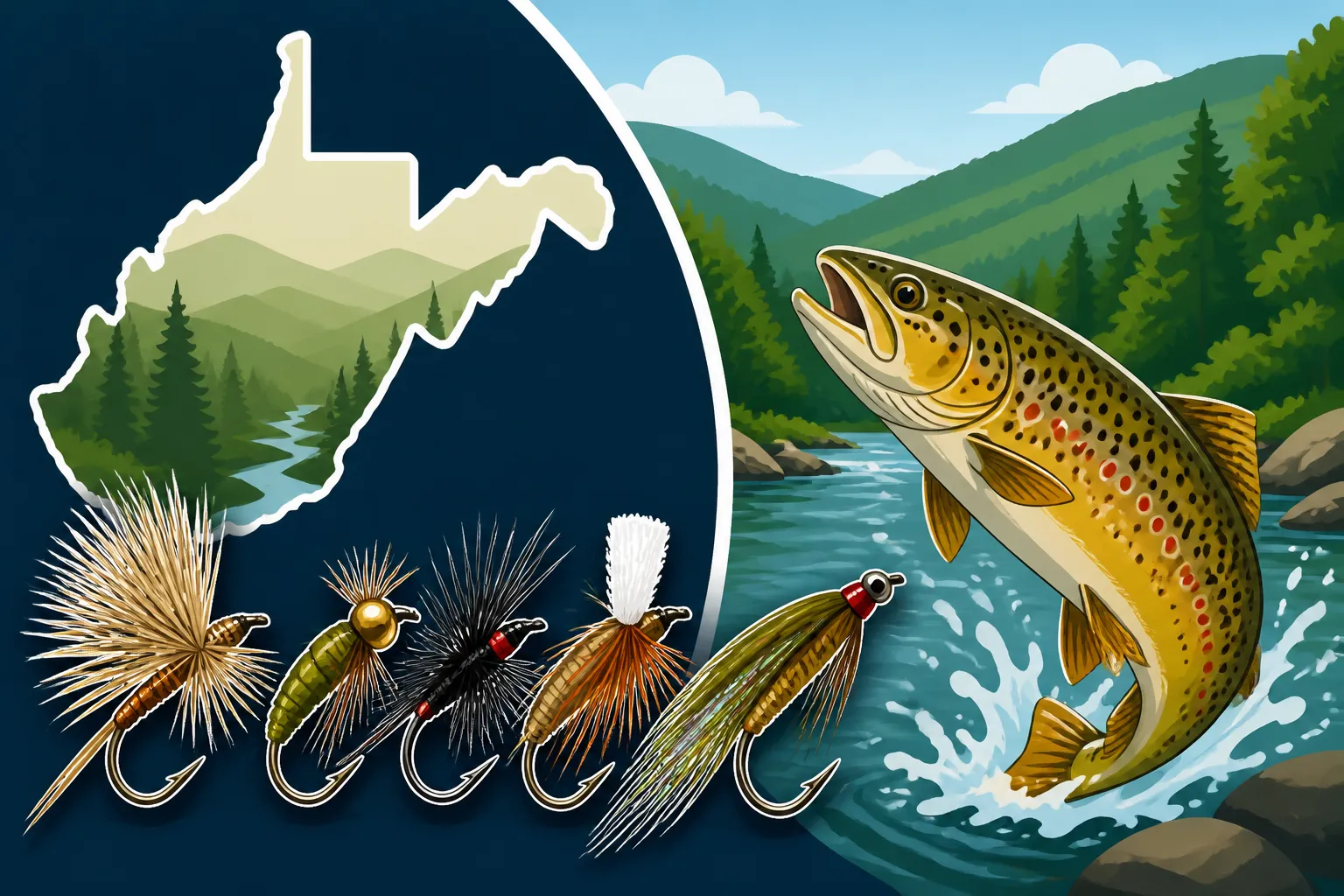
Caddisflies are incredibly abundant in West Virginia's trout streams, and they can hatch almost year-round, making caddis patterns a must-have in your fly box. Their emergence is often frantic, with adults skittering across the surface, driving trout into a feeding frenzy. A good general caddis pattern like an Elk Hair Caddis, in various sizes (from #12 to #18) and colors (tan, olive, grey), is versatile enough to imitate many species. When trout are particularly keyed in on them, having some X-Caddis or LaFontaine's Emergent Sparkle Pupa patterns can be deadly, mimicking the insect as it transitions from nymph to adult. These patterns are fantastic for general prospecting when no specific hatch is evident, and they hold up well even in faster currents. You can easily find these patterns and even materials for tying them yourself on platforms like Amazon.
Mayfly Patterns
Mayflies are the classic trout food, and their elegant hatches often lead to more deliberate, rhythmic rises from trout. In West Virginia, you'll encounter a wide array of mayfly species throughout the year. Blue-winged Olives (BWOs) are crucial in spring and fall, especially on overcast days. Having tiny BWO imitations in sizes #18-22 like a Parachute Adams or a BWO Comparadun is essential. Sulfurs often hatch in late spring and early summer, demanding patterns like a Sulfur Dun or a Rusty Spinner in sizes #14-18. And let's not forget the larger, iconic Green Drakes or Cahills that might make an appearance on some streams, for which a large Parachute Adams or a specific Green Drake pattern in sizes #10-14 can be incredibly effective. A Rusty Spinner, in particular, is a universal pattern, imitating the dying adult mayflies that fall back to the water, often bringing even the pickiest trout to the surface.
Terrestrial Patterns
When summer hits and the water temperatures rise, many aquatic insect hatches diminish, and trout often turn their attention to terrestrials – land-based insects that accidentally fall into the water. This is where your terrestrial patterns shine. Hoppers, ants, and beetles become significant food sources, especially along grassy banks or under overhanging vegetation. A Dave's Hopper or a Parachute Hopper in sizes #8-14 are excellent for imitating grasshoppers, which can entice larger trout, particularly on larger rivers like the New River. Black or Cinnamon Ants in sizes #16-20, such as a Cinnamon Ant or a Black Foam Ant, are incredibly effective on calmer days, as ants are a constant food source. Foam Beetles or a Black Gnat in sizes #12-16 also deserve a spot in your box. Don't underestimate the power of a well-placed terrestrial, especially during those dog days of summer when fishing can be tough; these patterns often bring explosive strikes.
Productive Nymph Patterns for Subsurface Success
While the excitement of a dry fly take is undeniable, the vast majority of a trout's diet consists of subsurface insects. This makes nymphing an incredibly productive, and often necessary, technique for consistently catching trout in West Virginia. Nymph patterns imitate the larval and pupal stages of aquatic insects, and having a diverse selection will serve you well in almost any condition. Mastering how to fish a nymph will greatly enhance your success, especially when trout aren't rising.
Stonefly Nymphs
Stoneflies are hearty insects that live under rocks and debris in fast-moving currents. Their large size and clumsy swimming make them a significant meal for trout, especially in our bigger, bouldery rivers. Large stonefly nymphs are year-round producers, particularly in the deeper runs and pockets. Patterns like the Pat's Rubber Legs or a Kaufmann's Stone, in black or brown and sizes #6-12, are excellent imitations that have enough weight to get down quickly. These are often fished as the lead fly in a multi-nymph rig, allowing you to get smaller, more imitative nymphs into the strike zone. Don't be shy about fishing these hefty patterns; big trout aren't afraid of a big meal. For more guidance, check out this comprehensive guide on How to Catch Smallmouth Bass in West Virginia Rivers, as many larger river fish will also key in on stoneflies.
Mayfly Nymphs and Emergers
Just like their adult counterparts, mayfly nymphs are a staple in the trout's diet. These smaller, more delicate patterns are often critical for matching specific insects that trout are actively feeding on. A Pheasant Tail Nymph or a Hare's Ear Nymph are classic, generalist patterns that can imitate a wide variety of mayfly species in sizes #14-20. When you're seeing fish rise but can't quite get them on a dry fly, they might be feeding on emergers – mayflies transitioning to adults just below the surface. Patterns like a CDC Comparadun Emerger or a Barr's Emerger are perfect for this scenario. Having these in different sizes and slightly varied colors will help you cover your bases. Remember, presentation is key with these smaller nymphs; a good drift is paramount to success.
Caddis Nymphs and Larva
Caddis nymphs and larva are often overlooked, but they are a constant food source for trout in West Virginia streams. Many caddis species build cases out of small stones or twigs, while others are free-living. Trout actively root them out from under rocks and often gorge on them. A Green Rock Worm or a Hares Ear Caddis in sizes #12-16 effectively imitate the cased caddis. For free-living caddis, a Peeking Caddis or a traditional Caddis Larva pattern, often tied with a bright green or tan body, can be deadly. These patterns are particularly effective when fished dead-drift along the bottom or swung lightly at the end of a drift. They can be incredibly important, especially in the tailwater sections of rivers where aquatic insect life is abundant.
Streamer Patterns for Aggressive Trout and Larger Fish
Sometimes, trout aren't interested in sipping tiny dry flies or gently picking off nymphs. Sometimes, they want to chase a big meal. This is where streamers come into their own. Streamers imitate baitfish, crayfish, and other larger prey items, often eliciting aggressive, predatory strikes from bigger trout. If you're hunting for a trophy brown trout or even an aggressive rainbow, streamers are your go-to. These are also excellent search patterns when you're unsure what the fish are feeding on, or when the water is high and off-color.
Baitfish Imitations
Many West Virginia streams and larger rivers contain minnows, sculpins, and other small baitfish that trout prey upon. Streamer patterns that imitate these baitfish can be incredibly effective, especially in deeper pools, undercut banks, or around submerged structure. Patterns like the Woolly Bugger (black, olive, brown, white) in sizes #4-10 are arguably the most versatile streamer ever invented and should be in every angler's box. The Sculpzilla or a Conehead Muddler Minnow, designed to imitate sculpins, are fantastic for bumping along the bottom. For a more flashy presentation, try a Clouser Minnow or a small Flashabou streamer in white or chartreuse. When fishing baitfish imitations, imparting action through strips, pauses, and twitches can be just as important as the pattern itself. Don't forget, these patterns can also be effective when you're targeting other species, like smallmouth bass, especially on rivers like the South Branch Potomac.
Crayfish Patterns
Crayfish are a significant food source for larger trout, particularly brown trout, which are known for their opportunistic feeding habits. These crustacean patterns are best fished along the bottom, mimicking a scurrying crayfish trying to escape. A good Crayfish imitation, often tied with rubber legs and natural tones of olive, brown, or rust, in sizes #2-8, can be a game-changer for enticing a big fish. Fish them with short, erratic strips and pauses, letting them settle back to the bottom. The takes are often subtle at first, just a slight tick, but can quickly turn into a powerful tug. Knowing when and where to fish these patterns, such as around rocky bottom structure or large boulders, can be the difference between a slow day and landing a true lunker.
Strategic Fly Box Organization and Selection Tips
Having the right flies is only half the battle; knowing how to organize them and when to choose which one is just as vital. A well-organized fly box allows for quick changes on the water, and a thoughtful selection strategy ensures you're always prepared for the unpredictable nature of West Virginia's trout streams. It's about being efficient and effective with your limited time on the water.
Building a Core WV Fly Kit
For any serious West Virginia trout angler, a core fly kit should cover the basic food sources year-round. This includes a good assortment of generalist dry flies like Parachute Adams, Elk Hair Caddis, and a few terrestrials in varied sizes. For nymphs, stock up on Pheasant Tails, Hare's Ears, Pat's Rubber Legs, and perhaps some squirmy wormies (love them or hate them, they catch fish, especially right after a fresh stocking, as detailed in our guide on How to Catch Trout Right After Stocking in West Virginia). And definitely don't leave home without a selection of Woolly Buggers in different colors. This core kit should be able to get you through most situations. As you gain experience, you'll start to customize it, adding more specialized patterns for specific hatches or locations you frequent. Think of this as your starting point, and remember that sometimes the best patterns are the ones you tie yourself after observing local insects.
Matching the Hatch vs. Attractor Patterns
The age-old debate in fly fishing: match the hatch precisely, or throw something flashy that just looks like a good meal? In West Virginia, you'll find a need for both approaches. Matching the hatch is critical when trout are actively rising and being selective, refusing anything that doesn't perfectly mimic what they're eating. This requires careful observation of the natural insects on the water or emerging from it. However, many times, especially with recently stocked trout or in high, off-color water, a general attractor pattern is more effective. Attractor patterns, like a bright Green Weenie or even a flashy Stimulator, don't imitate a specific insect but instead grab a trout's attention with their color, size, or movement. They often trigger an aggressive, impulsive strike. Knowing when to switch between these strategies is a key skill. Having a variety available from an online vendor like Amazon ensures you're ready for either scenario.
Carrying and Storing Your Flies
How you carry and store your flies is often overlooked, but it's crucial for their longevity and your efficiency on the water. A good quality fly box, or several smaller ones, that protect your delicate dry flies from being crushed and keep your nymphs from tangling is essential. Waterproof boxes are a huge plus for those unexpected tumbles or rainy days common in West Virginia. Organizing flies by type (dry, nymph, streamer) and then by size makes selection much faster. Many anglers use different boxes for different types of fishing, such as a "streamer box," a "dry fly box," or a "small stream box." Keeping a few "go-to" patterns easily accessible in a patch on your vest or pack can also save valuable time when the bite is hot. Consider a fly box designed for specific types of flies, like a slit-foam box for nymphs or a magnetic box for tiny midges, which are often needed for technical winter fishing in West Virginia. For more details, check out this guide on Best Fly Boxes for Trout Streams.
Seasonal Fly Pattern Adjustments for Year-Round Angling
West Virginia's fishing seasons offer something for everyone, but successfully targeting trout throughout the year means adapting your fly patterns to the changing conditions and insect life. The flies that dominate in spring will likely be ignored in the heat of summer, and vice-versa. Being prepared for these shifts is what separates a consistent angler from one who only finds success during peak seasons. Our guide on West Virginia Fishing Seasons by Month can give you a general overview of the year's progression.
Spring Hatches and Runoff Strategies
Spring in West Virginia is synonymous with trout fishing. The melting snow and spring rains can lead to higher, colder, and often cloudier water, especially in early spring. This is when larger nymphs like Pat's Rubber Legs or large Pheasant Tails are excellent choices, as they get down quickly and are visible in the murkier water. As the water begins to clear and warm, the prolific insect hatches begin. Blue-winged Olives (BWOs) are often the first significant mayfly hatch, followed by Hendricksons and Caddisflies. Having imitations of these in both nymph and dry fly form is vital. Streamers can also be incredibly effective during high water, as trout will often hug the banks, ambushing prey washed downstream. Consider a Black Woolly Bugger or a dark Sculpzilla to imitate baitfish that might be dislodged by the increased flow. Don't forget that many of West Virginia's trout streams are heavily stocked in spring, making this a prime time to experiment with different patterns.
Summer Low Water and Terrestrial Tactics
As summer progresses, many West Virginia streams experience lower, clearer, and warmer water conditions. This often makes trout more wary and selective. During this period, the emphasis shifts away from large aquatic insect hatches and towards terrestrials. As discussed, Hoppers, Ants, and Beetles become dominant food sources. Fishing smaller dry flies, often with a fine tippet, becomes crucial. Focus on shaded areas, undercut banks, and around vegetation where terrestrials might fall into the water. In the mornings and evenings, a few localized mayfly or caddisfly hatches might occur, so carrying a few small Parachute Adams or Elk Hair Caddis is still a good idea. For subsurface fishing, tiny nymphs like a Zebra Midge or a small Pheasant Tail Nymph fished on very light tippet can still pick off discerning trout. Pay special attention to the water temperature; when it gets too warm, trout become stressed, and it's often best to give them a break, a topic covered in When West Virginia Trout Streams Get Too Warm to Fish.
Fall Spawning and Streamer Opportunities
Fall brings cooler temperatures, often clearer water, and some of the most beautiful fishing conditions in West Virginia. Brown trout, in particular, begin their spawning rituals in the fall, making them aggressive and territorial. This is prime time for streamer fishing! Large Woolly Buggers, Sculpzillas, and articulated streamers in natural browns, olives, and black can be incredibly effective when fished around spawning redds or in areas where larger trout are holding. While it's important to avoid disturbing actively spawning fish, targeting aggressive pre-spawn or post-spawn trout can yield impressive results. Late fall can also see strong BWO hatches on warmer, overcast days, requiring those tiny mayfly dry flies or nymphs. Remember that in many stocked streams, fall trout stocking also provides fresh opportunities, often with fish that are less selective.
Winter Nymphing in Cold Water
Winter fishing in West Virginia can be incredibly challenging, but also incredibly rewarding. With cold water temperatures, trout become sluggish, and insect activity slows significantly. Hatches are sparse, often limited to tiny midges on warmer, calmer days. Therefore, winter fishing primarily involves nymphing. Small, heavily weighted nymphs are the name of the game, designed to get down quickly to the bottom where trout are holding in deeper, slower pools. Patterns like the Zebra Midge, San Juan Worm, or small Pheasant Tails in sizes #18-24 are essential. Often, a strike indicator and split shot are necessary to get these tiny flies into the strike zone. Slow, deliberate drifts are paramount. Finding the right West Virginia trout stocking schedule for January can also give you a good indication of where to find some willing fish during the colder months.
Here’s a quick overview of some essential fly patterns:
| Fly Type | Pattern Example | Common Sizes | Primary Imitation | Best Time to Use |
|---|---|---|---|---|
| Dry Flies | Parachute Adams | #12 – #20 | General Mayfly, BWO | Year-round, especially hatches |
| Elk Hair Caddis | #12 – #18 | Caddisfly Adult | Spring, Summer, Fall | |
| Dave's Hopper | #8 – #14 | Grasshopper | Summer, early Fall | |
| Cinnamon Ant | #16 – #20 | Ant | Summer | |
| Nymphs | Pheasant Tail Nymph | #14 – #20 | General Mayfly Nymph | Year-round |
| Hare's Ear Nymph | #12 – #18 | General Mayfly/Caddis Nymph | Year-round | |
| Pat's Rubber Legs | #6 – #12 | Stonefly Nymph | Year-round, high water | |
| Zebra Midge | #18 – #24 | Midge Larva/Pupa | Winter, year-round | |
| Streamers | Woolly Bugger | #4 – #10 | Baitfish, Crayfish, Leech | Year-round, especially high water |
| Sculpzilla | #6 – #10 | Sculpin | Fall, Winter, large trout |
Disclaimer
The information provided in this guide is for general informational purposes only and is not intended as legal advice. Fishing regulations in West Virginia are subject to change. Always consult the official West Virginia Division of Natural Resources (WVDNR) fishing regulations handbook or their website (wvdnr.gov) for the most current and accurate information before heading out to fish. Adherence to all local, state, and federal regulations is the angler's responsibility.