Best Techniques for Early Spring Trout
Early spring trout fishing in West Virginia can be incredibly rewarding, but let's be honest, it often feels like you're fighting an uphill battle against Mother Nature herself. The water is frigid, the weather unpredictable, and the trout can be finicky, leaving many anglers frustrated and empty-handed. This comprehensive guide is designed to cut through that frustration, offering proven techniques and insights to help you land more trout during those challenging, yet exhilarating, early season days.
Understanding Early Spring Conditions
When we talk about early spring in West Virginia, we're really talking about a transition period, often starting as early as March and sometimes lingering into April. This isn't your balmy, sun-drenched fishing; it's a game played on the edge of winter, and understanding these unique conditions is paramount to your success.
Water Temperature and Trout Behavior
The most significant factor influencing trout behavior in early spring is water temperature. Our mountain streams and rivers, fed by melting snow and consistent cold rains, are often hovering just above freezing. For trout, especially rainbow and brown trout, this means their metabolism is incredibly slow. They aren't going to be darting all over the place chasing every morsel; instead, they become sluggish, conserving energy. They'll gravitate towards areas where they can expend minimal effort to find food, often holding in deeper, slower pools or behind significant structure that breaks the current. You'll find them concentrating in thermal refuges, even if it's just a degree or two warmer. This is why a slow, deliberate presentation is usually far more effective than an aggressive one. Don't expect them to move much for your offering; you need to bring the food directly to them.
Weather Variability and Its Impact
West Virginia's early spring weather is, to put it mildly, temperamental. One day you might have sunshine and temperatures in the 50s, only for it to plummet the next day with snow flurries and a bitter wind. These swings drastically affect fishing. A sudden cold snap can shut trout down completely, making them even more lethargic. Conversely, a few days of warmer, overcast weather can actually trigger short feeding windows. Rain can be a double-edged sword: a light, steady rain can sometimes improve fishing by increasing flows and washing in terrestrial insects, but heavy downpours can muddy the water, making it unfishable for days. Always check the forecast and stream gauges before heading out. Sometimes, waiting for the water to clear just a bit after a rain event can make all the difference, bringing the fish out of hiding as the clarity improves. You can often find crucial information about stream conditions through resources like the West Virginia Trout Stocking Hotline and Schedule which can provide real-time updates.
Essential Gear for Cold Water Trout
Having the right gear isn't just about comfort in early spring; it's about safety and effectiveness. The cold can be relentless, and being unprepared can quickly turn a hopeful day into a miserable, even dangerous, experience.
Layering Clothing and Waders
Staying warm and dry is the golden rule for early spring trout fishing. You'll need to dress in layers, starting with a good moisture-wicking base layer (merino wool or synthetic, never cotton!). Over that, add insulating layers like fleece or down, and top it off with a waterproof and windproof outer shell. Remember, you might be hiking a bit, so you need layers you can shed and add back as your activity level and the weather change. Breathable chest waders are essential. They keep you dry and add a significant layer of insulation. Pair them with warm wader socks, preferably wool, to keep your feet from freezing. Good quality wading boots with felt or rubber soles (depending on the stream bottom) provide crucial traction on slick, icy rocks. When purchasing, look for reputable brands known for durability. Many anglers find a wide selection of quality layering and wading gear available on sites like Amazon, making it easy to prepare for variable conditions.
Rod, Reel, and Line Selection
For early spring trout, a sensitive rod is key to detecting those subtle, cold-water bites. A 6'6" to 7'6" light to medium-light action spinning rod is often ideal for most West Virginia streams, paired with a small, smooth spinning reel (size 1000-2000). Fill your reel with 4-6 pound test monofilament or fluorocarbon line. Monofilament offers a bit more stretch, which can be forgiving with light bites, while fluorocarbon is nearly invisible in the water and sinks, which can be an advantage when you need your bait to get down quickly. Some anglers also use a braided mainline with a fluorocarbon leader for added sensitivity and abrasion resistance. Fly anglers will typically opt for a 3-5 weight fly rod, around 8'6" to 9' long, paired with a weight-forward floating line. A good leader and tippet system are crucial for natural presentation. For more specific recommendations, our guide on Best Gear for West Virginia Trout Fishing offers deeper insights.
Effective Baits and Lures
In early spring, trout are often less inclined to chase, meaning your presentation and choice of bait or lure are critical. You want something that either looks incredibly natural or puts off a strong scent, making it irresistible even to a sluggish fish.
Live Bait and Scented Options
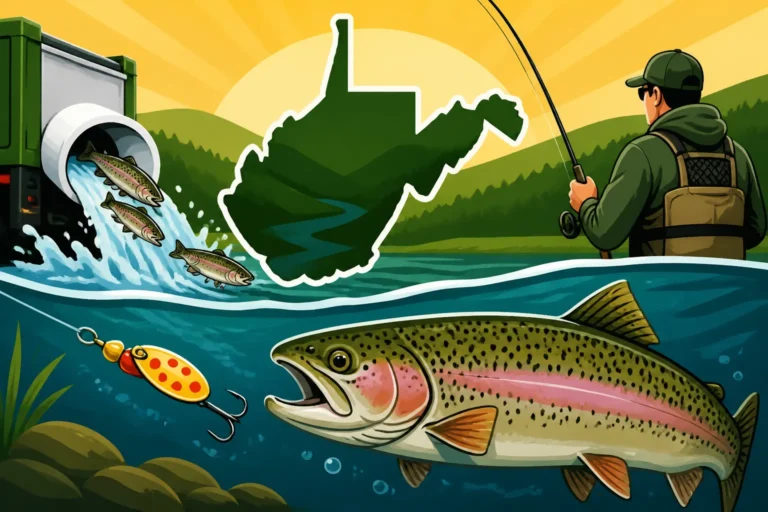
Live bait remains a perennial favorite for early spring trout, and for good reason. It offers natural movement and scent that can entice even the most reluctant fish. Garden worms, particularly small red wigglers or nightcrawlers (cut into smaller pieces), are highly effective. Minnows, if legal and available, can also be deadly, especially for larger browns and rainbows. When using live bait, fish it on a small hook (size 10-14), perhaps with a split shot or two to get it down to the strike zone, and allow it to drift naturally. Scented baits like Berkley PowerBait or Gulp! are also incredibly popular, especially for recently stocked trout. These dough baits come in various colors and formulations designed to appeal to a trout's sense of smell. Mold them around a small treble hook (or a single hook if you prefer) and fish them off the bottom or under a bobber in slow-moving water. The scent trail they release can draw in lethargic fish that might ignore other offerings.
Small Lures and Jigs
When it comes to artificials, think small and slow. Trout in cold water aren't looking for a huge meal they have to work hard for. Small spinners (like Rooster Tails or Mepps in sizes #0-1), tiny spoons (Kastmasters, Little Cleos in 1/16 to 1/8 oz), and small stickbaits or jerkbaits are excellent choices. Retrieve them at a snail's pace, often with pauses and twitches, to mimic a struggling baitfish or insect. Jigs, especially micro jigs (1/32 to 1/16 oz) tipped with a small plastic grub, tube, or a bit of PowerBait, are absolute killers in cold water. Fish them under a small float or bounce them gently along the bottom in pools and eddies. The key is to present them slowly and methodically, allowing the subtle action to entice a bite. Experiment with colors; sometimes a bright, attention-grabbing color like chartreuse or orange works, while other times a more natural white, black, or olive is preferred.
Here's a quick comparison of popular early spring trout fishing presentations:
| Presentation Type | Ideal Conditions | Pros | Cons | Recommended Baits/Lures |
|---|---|---|---|---|
| Drift Fishing | Slow to moderate current | Natural presentation, covers water | Requires good current, easily snagged | Worms, Salmon Eggs, Nymphs |
| Bottom Fishing | Slow pools, eddies | Great for lethargic fish, stationary | Can be slow, missed bites | PowerBait, Scented Worms, Cheese |
| Jigging | Deeper pools, structure | Active, can trigger reaction strikes | Requires feel, precise depth control | Micro Jigs, Trout Magnets |
| Slow Retrieval | Any water, cautious fish | Imitates injured prey, covers water | Less natural than drift | Small Spinners, Spoons, Jerkbaits |
Fly Fishing Strategies for Spring Trout
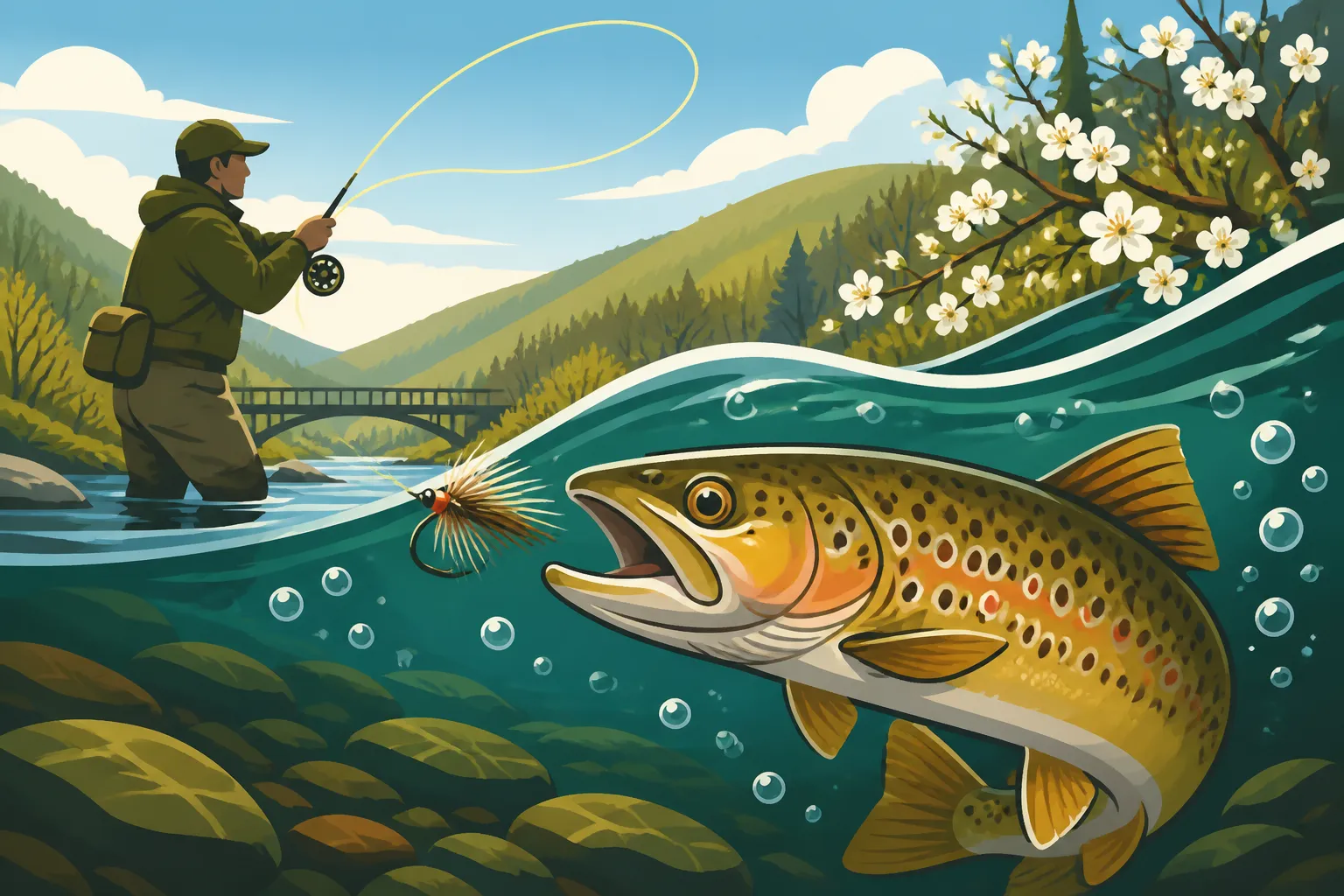
Fly fishing in early spring is a different beast than in summer, but it can be incredibly rewarding. It requires patience, precise presentation, and a keen understanding of what trout are, or aren't, willing to eat. Our Fly Fishing for Trout in West Virginia guide can give you a deeper dive.
Nymphing Techniques
Nymphing is hands-down one of the most effective fly fishing techniques for early spring trout. Most of a trout's diet, especially in cold water, consists of aquatic insects in their larval or nymphal stage. These insects are crawling on the bottom or slowly drifting, not actively emerging. You'll want to use heavier nymphs to get down to where the fish are holding – think stoneflies, caddis larvae, and mayfly nymphs in larger sizes (size 10-16). Patterns like a Prince Nymph, Hare's Ear, or Pheasant Tail are always good bets. The key is a dead drift, mimicking a natural insect tumbling along the bottom. Use an indicator to detect the often subtle takes and ensure your nymphs are ticking along the bottom. Euro nymphing, a specialized technique that uses long, sensitive rods and specialized leaders, has also become incredibly popular for its ability to get flies deep and detect the slightest strike. This method keeps you in direct contact with your flies, enhancing sensitivity significantly.
Streamer Fishing for Aggressive Bites
While trout are generally sluggish in early spring, there are times, especially after a slight bump in water temperature or during a short feeding window, when they'll respond to a larger meal. This is when streamer fishing shines. Streamers imitate baitfish, sculpins, or even crayfish, offering a more substantial meal for a trout trying to pack on calories. Cast streamers, often in olive, black, white, or brown colors, across or slightly upstream and retrieve them with a slow, erratic strip. Don't be afraid to let them sink deep into pools or along undercut banks. Vary your retrieve speed and depth until you find what triggers a strike. This method often tempts the largest trout in the system, but be prepared for fewer bites than nymphing. Having a dedicated fly box for streamers, available from retailers like Amazon, can keep your options organized and readily accessible on the water.
Reading the Water and Locating Fish
You can have the best gear and bait in the world, but if you're not putting it where the fish are, you'll come up empty. Early spring trout are particularly predictable in their holding lies.
Targeting Deeper Pools and Slow Eddies
In cold water, trout seek refuge from strong currents and extreme cold. This means you should focus your efforts on the deepest parts of pools, especially those with slower current or areas where the current breaks around large rocks, logs, or bends in the river. Look for the "seams" where fast water meets slow water; trout will often sit in the slower water, waiting for food to be swept by in the faster current. Eddies, those swirling pockets of water behind obstructions, are also prime holding spots. These areas require less energy for a trout to hold station, and they often funnel food. Don't overlook the tailouts of pools either, especially if there's a slight drop-off or some subtle structure. Remember, they're not going to be in the fast, shallow riffles unless the sun has been out for a while and the water has warmed up significantly.
Fishing Structure and Undercut Banks
Any form of structure that provides cover or breaks the current is a magnet for early spring trout. This includes large boulders, downed trees (log jams), submerged rocks, and especially undercut banks. Undercut banks offer a double whammy: they provide overhead cover from predators and protection from the current, creating a comfortable lie where trout can ambush unsuspecting prey. Present your bait or lure as close to these structures as possible, letting it drift or retrieve slowly past them. Often, the strike will come just as your offering passes the edge of the structure. Take your time, approach quietly, and make multiple casts to these prime locations from different angles. Knowing the Best Trout Streams in West Virginia can also help you identify areas historically known for productive structure.
Safety Considerations for Early Season Anglers
While the thrill of early season trout fishing is undeniable, the conditions can be unforgiving. Prioritizing safety is paramount, not just for you but for anyone else you might be fishing with.
Hypothermia and Cold Water Shock Risks
The water in West Virginia streams during early spring is dangerously cold, often in the 30s or low 40s Fahrenheit. Falling in can lead to cold water shock, a sudden involuntary gasp for air that can lead to drowning, followed quickly by hypothermia. Always wear your waders correctly, with a wading belt cinched tight to minimize water entry if you take an unexpected plunge. Consider wearing an inflatable personal flotation device (PFD), even if not required for wading, especially if you're venturing into unfamiliar or fast-moving water. Never fish alone in these conditions, or at least let someone know exactly where you're going and when you expect to return. Carry a dry bag with extra layers, a first-aid kit, and a way to start a fire in case of an emergency. A fully charged cell phone (in a waterproof case) is also a must.
Navigating Slippery Terrain and Changing Water Levels
Early spring means icy patches along stream banks, slippery rocks, and often higher, faster flows due to snowmelt and rain. Use a wading staff to maintain balance and probe the bottom before taking a step. Always wear wading boots with good traction; felt soles excel on slick rocks, though rubber can be better on muddy banks or icy trails. Be mindful of rising water levels. A sunny morning can turn into a dangerous afternoon if heavy rain upstream causes the river to swell. Keep an eye on the water color and speed; if it starts to get murky or rise quickly, it's time to head to shore. Understanding West Virginia Boating Laws for Anglers can also provide insights into water safety, even for those fishing from the bank. Always err on the side of caution. No fish is worth risking your life.
Disclaimer
The information provided in this guide is for general informational purposes only and does not constitute professional advice. Fishing regulations and conditions in West Virginia can change rapidly. Always consult the latest West Virginia Division of Natural Resources fishing regulations before heading out, and prioritize your safety above all else.