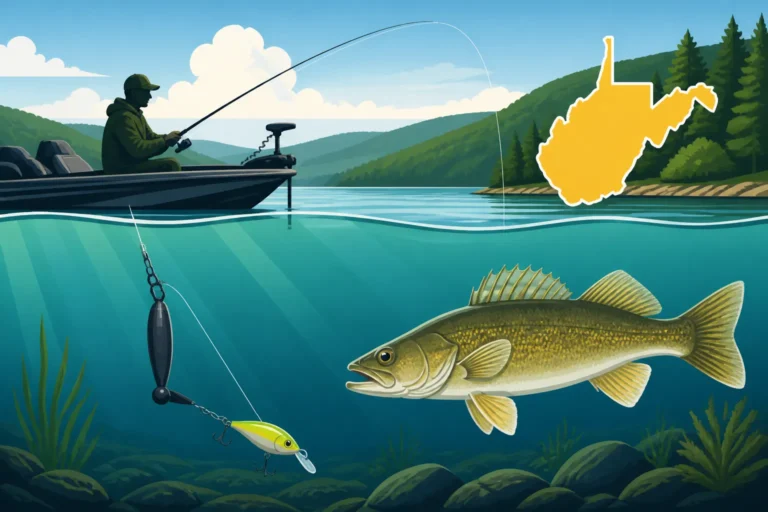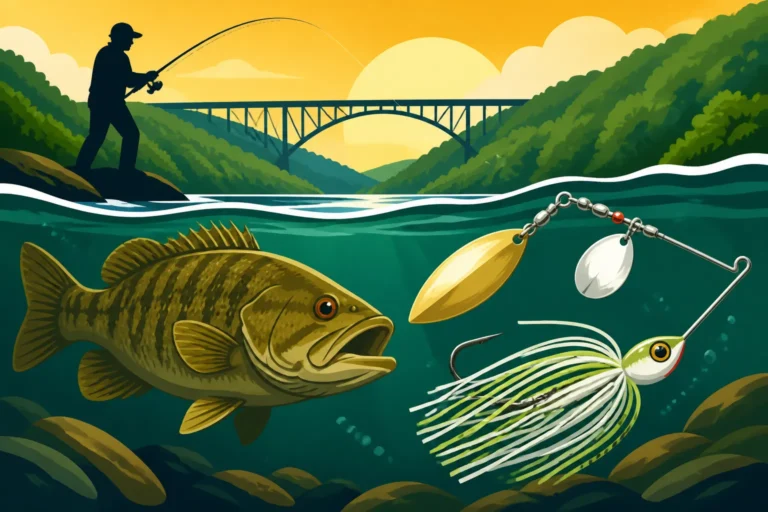
Best jigging spoon for winter sauger
It's no secret that winter fishing in West Virginia can be a tough nut to crack, especially when you're targeting elusive sauger. These cousins to the walleye become incredibly lethargic in the cold, retreating to deep, current-protected pockets, making them a real challenge to locate and entice. This comprehensive guide is dedicated to helping you master the art of winter sauger fishing by breaking down exactly what makes a jigging spoon effective in these conditions, and how to use it to put more sauger in your cooler.
Understanding Winter Sauger Behavior and Habitat in West Virginia
Before we even think about tying on a spoon, we need to get into the head of a winter sauger. They aren't just swimming around willy-nilly; they're actively conserving energy and seeking out specific comfort zones. If you can understand why they're where they are, you'll have a much better chance of finding them.
Why Sauger Go Deep in Winter
Imagine trying to run a marathon in freezing temperatures – you'd want to conserve every ounce of energy, right? That's pretty much what sauger are doing in the winter months. As water temperatures plummet in our West Virginia rivers and lakes, the metabolism of cold-blooded fish like sauger slows down dramatically. This means they need less food and expend less energy moving around.
They instinctively seek out the warmest, most stable water they can find, which is usually in the deepest sections of rivers and reservoirs. The Ohio River, for instance, sees sauger dropping into deep channels and scour holes. The same goes for the lower Kanawha River. These deeper spots offer a more consistent water temperature and less exposure to the brutal surface cold and fluctuating conditions. Plus, the current is often slower at these depths, giving them a break from fighting the flow. It can be incredibly frustrating to fish shallower spots all day, knowing the fish are there somewhere, just not where your bait is.
Key Structures for Winter Sauger
So, they're deep and lazy. But "deep" isn't a single, uniform area. Sauger will congregate around specific underwater structures that offer both depth and a strategic advantage for ambush.
Look for current breaks formed by underwater ledges, sharp drops, or subtle humps in the riverbed. These spots create a "seam" where the sauger can sit just out of the main current, waiting for baitfish to be swept past. Deep holes, especially those scoured out by strong currents over time, are prime real estate. You'll often find sauger stacked up in these depressions, sometimes dozens of them in a relatively small area.
Dam tailwaters are another sauger hotspot. The turbulence below a dam can oxygenate the water and concentrate baitfish, drawing sauger in. However, they'll usually position themselves in the deeper, less turbulent eddies or current breaks downstream, not right in the boil. Bridge pilings and other man-made structures that extend into deep water also create excellent ambush points and provide a current break. When you're out on the Ohio River Fishing Guide for West Virginia Anglers, these are the kinds of spots you'll want to target. Knowing Where sauger live in West Virginia often comes down to identifying these subtle, yet critical, underwater features.
Characteristics of an Effective Winter Sauger Jigging Spoon
Now that we know where they are, let's talk about what makes a jigging spoon irresistible to a cold, sluggish sauger. It's not just any old spoon; specific design elements are crucial for cold water success.
Weight and Profile for Deep Water
When you're fishing deep water, often with some current, the weight of your spoon is paramount. A lightweight spoon might drift too much, struggle to get to the bottom quickly, or simply not stay in the strike zone long enough. You need a spoon with enough heft to cut through the water column efficiently and maintain contact with the bottom, even in a moderate current. We're talking about spoons typically in the 1/2 oz to 1 oz range, sometimes even heavier depending on the depth and current of rivers like the New River or Ohio.
The profile is equally important. Winter sauger aren't chasing down massive meals. They want something compact, that looks like an easy target. A slender, compact profile helps the spoon drop quickly and efficiently, minimizing hang-ups on structure. It also mimics the small baitfish (like shad or minnows) that sauger feed on during the lean winter months. The Best jigging spoon for winter sauger will always marry sufficient weight with a streamlined, natural baitfish profile.
Color and Finish for Stained Winter Waters
West Virginia's rivers in winter can often be stained, murky, or downright muddy after rain or snowmelt. In these low-visibility conditions, flashy, high-contrast colors tend to perform best.
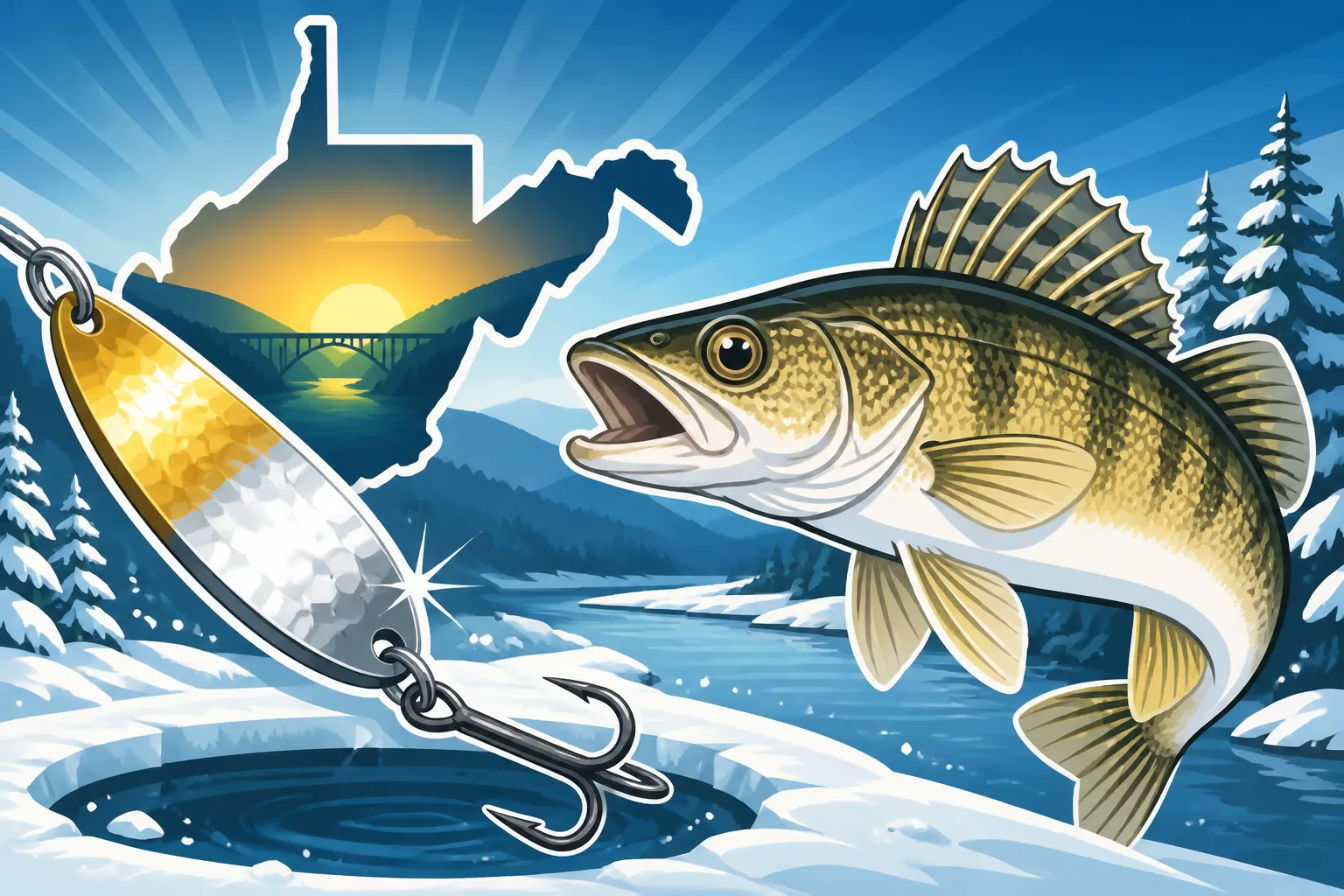
Think about it: a sauger isn't going to exert a lot of energy to inspect a subtle lure. It needs something that stands out. Chartreuse, orange, bright greens, and even bold reds can be incredibly effective. Gold and silver finishes, especially those with some texture or prism tape, provide excellent flash that can catch the attention of a sauger from a distance. Sometimes, a natural baitfish pattern with a touch of chartreuse or orange on the belly or tail can be deadly. Don't shy away from glow-in-the-dark or UV-enhanced finishes, either. Even in seemingly daylight conditions, these can give your spoon an edge in the deep, dark water, providing that extra visual pop that makes a sluggish sauger decide to strike.
Action and Vibration
A sauger might be lethargic, but it's still a predator. The right jigging spoon should have an enticing action on the fall and when jigged. This means a good flutter or wobble as it drops through the water column, mimicking a wounded or disoriented baitfish. This flutter creates visual appeal, showing different facets of the spoon's color and finish.
Equally important is the vibration it emits. While sauger are sight feeders, their lateral line system is highly attuned to vibrations in the water. A spoon that creates a subtle, yet distinct, thumping or ticking vibration as you work it can be a massive trigger. Some spoons achieve this with internal rattles, others with their unique hydrodynamic shape. The goal is to create enough commotion to grab the sauger's attention without being so aggressive that it spooks them. Remember, they're not in a chasing mood; they want something that looks easy to catch.
Top Jigging Spoon Types for West Virginia Sauger
With a better understanding of what sauger want, let's look at some specific types of jigging spoons that consistently produce in West Virginia's winter waters. You'll find many of these options readily available through retailers like Amazon.
Classic Blade Spoons
These are the workhorses of the jigging spoon world, and for good reason. They typically feature a slender, elongated metal blade, often slightly curved, with a treble hook attached to the bottom.
Pros:
- Exceptional Flutter: When you lift and drop a blade spoon, it typically falls with a seductive, erratic flutter that perfectly imitates a dying baitfish. This is a huge visual trigger for sauger.
- Versatile: They come in a vast array of sizes, weights, and colors, allowing you to match conditions precisely.
- Flash: The metal construction, especially in silver or gold finishes, provides a lot of flash on the drop, catching light even in murky water.
Cons:
- Line Twist: Without a good quality swivel (or even with one sometimes!), their intense flutter can unfortunately lead to line twist, which is a headache.
- Current Drift: In very strong currents, a lighter blade spoon might not stay as vertical as you'd like, making it harder to maintain bottom contact.
Blade spoons like the classic Kastmaster or Swedish Pimple are popular choices that exemplify this category. They are often one of the first lures I reach for when hitting a deep hole on the Ohio River Fishing Guide for West Virginia Anglers.
Slab Spoons / Vertical Jigs
Slab spoons are generally thicker, heavier, and more compact than blade spoons. They don't have the same wide flutter, but they make up for it with a fast drop and a different kind of thumping action.
Pros:
- Fast Drop: Their dense construction means they get to the bottom incredibly quickly, which is essential when fishing deep water or when you need to get back down after a fish.
- Punch Through Current: They hold their vertical presentation very well, even in strong currents, allowing you to maintain better bottom contact and feel lighter bites.
- Good Thump: While they don't flutter as much, they often have a distinct "thump" on the drop and retrieve that can be felt by a sauger's lateral line.
- Durability: Their solid construction makes them very durable against rocks and structure. The Best sauger jig for the Ohio River in winter often falls into this category due to the river's strong currents.
Cons:
- Less Flutter: If sauger are keyed into a slow, erratic fall, a slab spoon might not be as effective as a blade spoon.
- More Snags: Their heavy, compact nature can make them prone to snagging if you're not careful about keeping them off the bottom.
Brands offering heavier slab-style spoons are plentiful, and they are excellent choices when you're targeting that deep river channel where the current is just ripping.
Specialty Ice Fishing Spoons (Adaptable for Open Water)
While designed for ice fishing, many smaller, more subtle ice fishing spoons can be incredibly effective for open-water winter sauger, especially in lakes or slower river sections. These spoons often have unique designs, like small chains with hooks, or very subtle wobbles.
Pros:
- Subtle Action: Their often-smaller size and unique designs create a very subtle, enticing action that can trigger strikes from extremely lethargic sauger who aren't interested in aggressive presentations.
- Finesse: They excel in situations where a finesse approach is needed, such as when fish are heavily pressured or in very clear water.
- Unique Profiles: Some come with added attractors like glow beads or small pieces of plastic on the hook, providing extra appeal.
Cons:
- Lighter Weight: Most are designed for shallow ice fishing, so you might need to go up in size or add a dropper weight to get them to appropriate depths in open water.
- Limited Availability: While you can find some great options on platforms like Amazon, the selection might be more niche compared to traditional jigging spoons.
These can be real secret weapons on those super tough days when nothing else seems to work, particularly in spots where West Virginia catch and release rules for trout might limit other techniques, or for general panfish bycatch while you're hunting sauger.
Jigging Techniques for Winter Sauger Success
Having the right spoon is only half the battle. Knowing how to present it effectively to a cold, sluggish sauger is where the real magic happens. This involves a delicate touch, patience, and often, precise boat control.
The "Lift and Drop" Retrieve
This is the quintessential jigging spoon technique, and it's absolutely critical for winter sauger. It's not about constant reeling; it's about making the spoon work its magic on the fall.
Here’s how it typically works:
- Drop to Bottom: Let your spoon fall freely until it hits the bottom. You'll feel a slackening of your line. Take up any slack.
- Sharp Lift: Give your rod tip a sharp, decisive snap upwards, lifting the spoon anywhere from 1 to 3 feet off the bottom. The height depends on how active the fish are – shorter lifts for more lethargic fish.
- Controlled Fall: This is the most important part. Immediately lower your rod tip, following the spoon back down. The key is to keep just enough tension on the line to feel the spoon's flutter, but not so much that you impede its natural fall. You want it to look like a wounded baitfish spiraling down.
- Feel for the Bite: Most sauger strikes will occur on the fall, as the spoon descends. It often won't be a violent tug; it could be a subtle "tick," a slight slackening of the line, or just a feeling of "mush." If you feel anything out of the ordinary, set the hook!
- Pause: Once the spoon hits bottom, let it sit for a few seconds. Sometimes, a sauger will pick it up right off the bottom.
Repeat this process. Vary your lift height, your fall speed, and the length of your pause. This technique is very similar to Best technique for vertical jigging walleye, so if you're good at that, you'll pick this up quickly.
Current Management and Boat Control
Maintaining control over your boat or kayak is absolutely vital for effective jigging. In river systems, current can make or break your day.
- Staying Vertical: The goal is to keep your jigging spoon as vertical as possible, directly below your transducer and boat. This allows for the most natural fall, best feel of the bottom, and clearest interpretation of your electronics.
- Drifting: Often, a slow, controlled drift downstream with the current is ideal. Use your trolling motor to match the current speed, or even to slow your drift slightly, allowing your spoon more time in the strike zone. On smaller boats, a good anchor system can allow you to pinpoint specific deep holes or current breaks. Make sure to understand West Virginia Boating Laws for Anglers before you head out.
- Repositioning: If you find a productive area, use your GPS and trolling motor to precisely repeat your drifts over that same piece of structure. Mark any fish you catch or see on your Best Fish Finders for West Virginia Lakes.
Reading Your Electronics
Your fish finder is your best friend when hunting winter sauger. These fish often stack up tightly, and your electronics can tell you exactly where they are.
- Identify Depths and Structure: Before you even drop a line, use your sonar to scan for deep channels, ledges, and any anomalies on the bottom. Look for those current breaks we discussed earlier.
- Locate Baitfish: Sauger will be where the food is. Look for schools of baitfish, often appearing as clouds or dense balls on your screen. Sauger will typically be lurking below or to the sides of these schools.
- Spot the Sauger: Sauger often appear as distinct arches or thick lines near the bottom, sometimes even stacked vertically. Pay attention to how high off the bottom they are. If they're hugging the bottom, a shorter lift and drop might be best. If they're suspended a few feet up, adjust your retrieve accordingly. Understanding how to interpret those marks is crucial, especially in deep, stained water.
| Spoon Type | Primary Action on Fall | Best for Water Clarity | Pros | Cons |
|---|---|---|---|---|
| Blade Spoons | Erratic Flutter | Clear to Stained | Excellent flash, highly versatile | Can cause line twist, drifts in strong current |
| Slab Spoons | Fast Drop, Thump | Stained to Muddy | Cuts current, fast to depth, durable | Less flutter, prone to snags on bottom |
| Ice Spoons | Subtle Wobble, Glide | Clear to Stained | Finesse presentation, triggers wary fish | Often lighter, may need added weight |
Knowing the Sauger Identification and Habits will further enhance your ability to target them effectively, and always double-check the West Virginia Walleye Daily and Possession Limits as sauger are often grouped with walleye in regulations. Remember, winter is a fantastic time for trophy sauger in West Virginia, but it demands patience and the right approach.
Disclaimer
This article is for general informational purposes only and does not constitute professional advice. Laws, prices and regulations vary by location and change over time. Consult a qualified professional for guidance on your specific situation.