How to fish a spinnerbait for New River smallmouth
Fishing the New River for smallmouth bass can be an incredibly rewarding experience, but it's also a river that demands respect and a certain level of finesse. If you've ever felt overwhelmed by the sheer number of lure choices or struggled to get those feisty bronzebacks to commit, especially with a spinnerbait, you're not alone. Many anglers know the spinnerbait is a classic, but truly understanding how to dial it in for the unique conditions of the New River can be a game-changer. This guide is all about equipping you with the practical, real-world strategies to make the spinnerbait a highly effective tool in your New River smallmouth arsenal, helping you to confidently cast and catch.
Why Spinnerbaits are a Go-To for New River Smallmouth
The New River isn't your average lake or pond. It's an ancient, powerful river with diverse currents, rocky structures, and a vibrant ecosystem. This unique environment makes certain lures stand out, and the spinnerbait is absolutely one of them. Its versatility and fish-attracting qualities make it an essential part of any serious smallmouth angler's tackle box when hitting these waters.
Mimicking Natural Forage in Moving Water
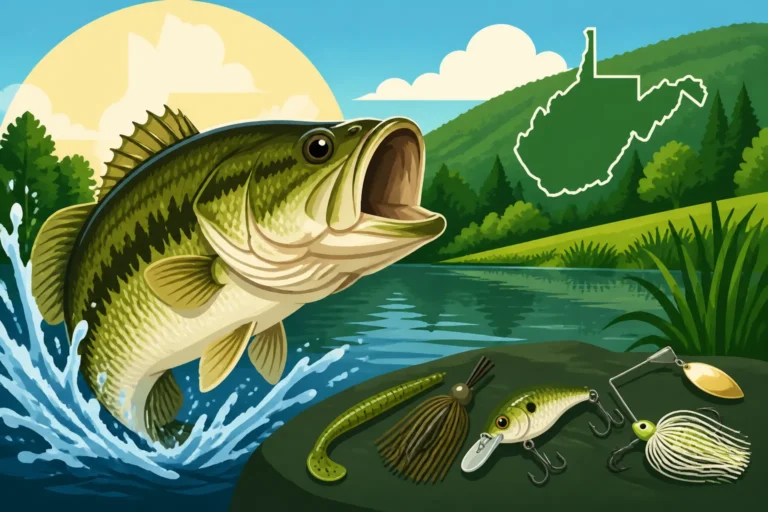
One of the biggest reasons spinnerbaits excel on the New River is their ability to convincingly imitate the local forage. The river is teeming with various baitfish like shad, shiners, and darters, all of which smallmouth bass prey on. A spinnerbait, with its flashing blades and undulating skirt, does an exceptional job of mimicking these injured or fleeing baitfish. The vibration from the blades also simulates the frantic movement of baitfish, which bass detect through their lateral line, even in murky water or low light.
Think about it: a baitfish struggling against the current, flashing its sides, or trying to dart away from a predator. That's precisely the distress signal a spinnerbait sends. On a river with a constant flow, this imitation is even more effective because the current helps to give the lure a natural, erratic movement that fools hungry smallmouth. You'll often find that the bass aren't just striking out of hunger, but out of an aggressive, territorial instinct when something vulnerable swims by.
Navigating Rocky Structure and Currents
The New River is defined by its rocky bottom, ledges, eddies, and submerged boulders – prime ambush points for smallmouth. This kind of structure can be a nightmare for many lures, leading to constant snags and lost tackle. However, the design of a spinnerbait, with its wire arm deflecting off obstacles and the hook riding upright, makes it remarkably weedless and snag-resistant.
You can bounce a spinnerbait off rocks, drag it through submerged wood, and retrieve it through current seams with far less worry than a crankbait or jig. This ability to work effectively in the strike zone, rather than over or around it, is crucial on a river like the New River. Smallmouth are often tucked tight against cover, using the current to their advantage to ambush prey. Being able to present a lure right into their living room without constantly getting hung up means more casts in productive water, and ultimately, more fish. For more on navigating these tricky waters, check out our guide on Best Kayak Fishing Techniques for West Virginia Rivers.
Decoding the Spinnerbait: Choosing the Right Setup for New River Conditions
Picking the right spinnerbait isn't just about grabbing the first one you see. The New River's constantly changing conditions – water clarity, depth, current speed, and even the time of year – all play a role in what spinnerbait will be most effective. Getting these details right can drastically improve your success rate.
Blade Types and Their Impact
The blades are the heart of any spinnerbait, generating flash and vibration. Understanding the different types and when to use them is key.
- Colorado Blades: These are round and wide, producing maximum vibration and lift. They're excellent for slow retrieves, deep water, murky conditions, or fishing at night because of their strong thumping action. If the New River is a bit stained from recent rains, a Colorado blade can help bass find your lure. They also provide more lift, allowing you to slow roll the bait without it sinking too fast, which can be critical when smallmouth are lethargic.
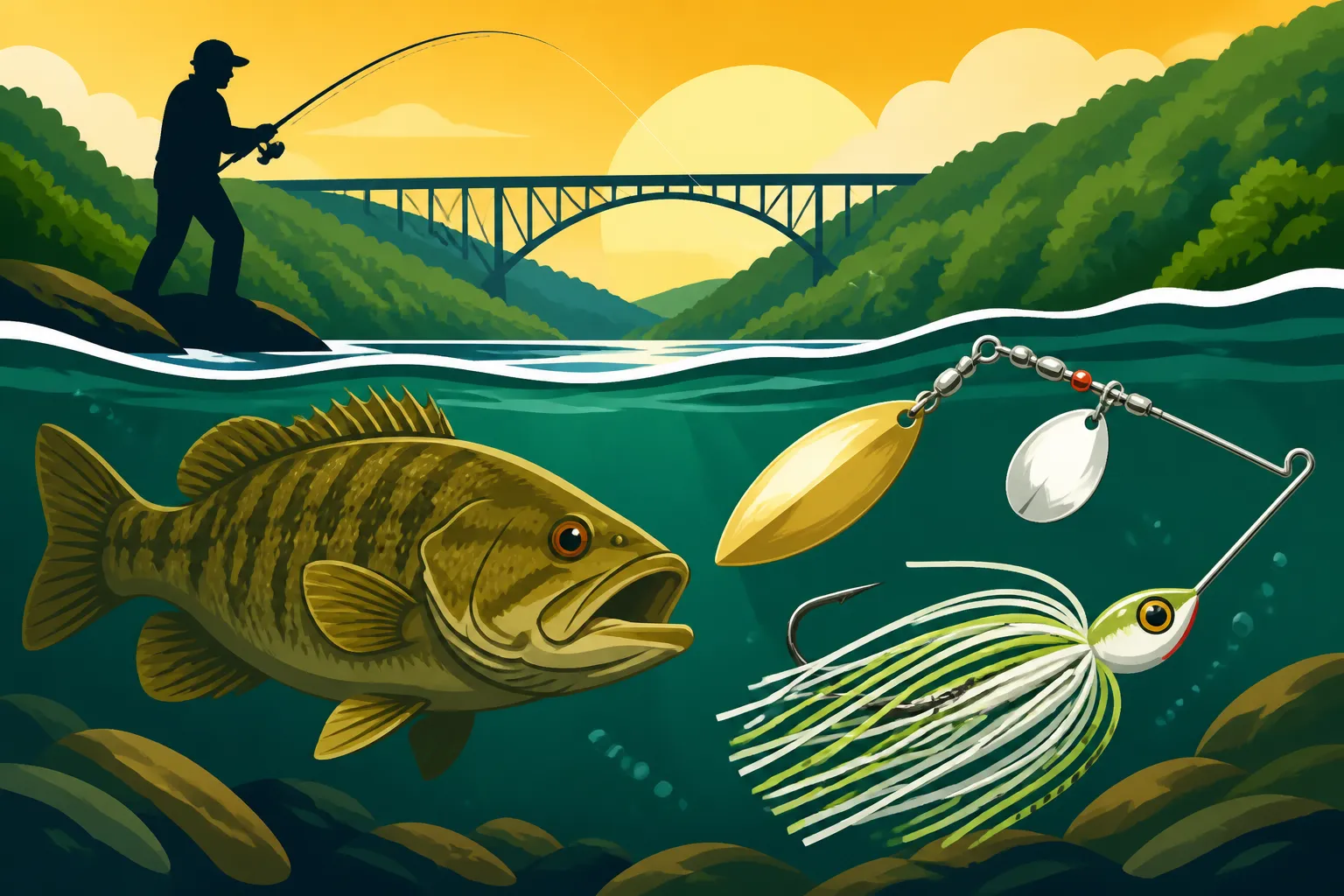
- Willowleaf Blades: Long and narrow, willowleaf blades produce less vibration but a lot of flash, mimicking a slender baitfish. They excel in clear water, strong currents, and when you need to burn the bait quickly through the water. Their slim profile makes them slice through the water with minimal resistance, perfect for quick retrieves to trigger a reaction strike from aggressive bass. They're often favored in summer when smallmouth are actively chasing.
- Indiana Blades: A hybrid between Colorado and willowleaf, Indiana blades offer a good balance of flash and vibration. They're a versatile choice for many conditions, providing a moderate thumping action and decent flash. If you're unsure which to use, an Indiana blade is often a safe bet, particularly in moderately clear water or when bass aren't showing a strong preference for either extreme.
- Tandem Combinations: Many spinnerbaits feature a combination of blade types, often a smaller Colorado or Indiana blade in front of a larger willowleaf. This combination maximizes both flash and vibration, offering a dynamic presentation. For example, a "Colorado-willowleaf" tandem is incredibly popular for its versatility, allowing you to cover various conditions effectively. On a big river like the New, having both flash and thump can be a deadly combination.
| Blade Type | Primary Action | Best for Conditions | Retrieval Speed | Water Clarity | Current Strength |
|---|---|---|---|---|---|
| Colorado | Max Vibration, High Lift | Murky water, Deep water, Night fishing, Slow roll | Slow to Medium | Stained, Murky | Low to Medium |
| Willowleaf | Max Flash, Low Vibration | Clear water, Strong current, Fast retrieves | Medium to Fast | Clear, Slightly Stained | Medium to High |
| Indiana | Balanced Flash/Vib. | All-around, Versatile, Moderate conditions | Medium | Moderate, Varied | Medium |
| Tandem | Dynamic Mix | Versatile, Varied conditions, Aggressive fish | Varied | Varied | Varied |
Color, Size, and Weight Considerations
The New River's moods can change quickly, so having a range of spinnerbait colors, sizes, and weights on hand is smart.
- Colors: Generally, natural colors like white, chartreuse, or combinations (white/chartreuse, shad patterns) are excellent for smallmouth. In clear water, more natural, subdued patterns that mimic crawfish or minnows can be effective. When the water is stained or murky, brighter colors like chartreuse, orange, or even black and blue can provide a better visual target. Don't be afraid to experiment; sometimes a shocking pink or a fluorescent green can trigger a bite when nothing else will. You can find a vast array of colors and skirt designs on platforms like Amazon.
- Sizes: For New River smallmouth, spinnerbaits typically range from 1/4 ounce to 1/2 ounce. A 3/8-ounce spinnerbait is often a great all-around choice. In shallower water or when the fish are smaller or more finicky, a 1/4-ounce might be better. For deeper pools or stronger currents, moving up to a 1/2-ounce or even a 3/4-ounce can help you maintain contact with the bottom and reach those deeper fish.
- Weight: The weight works hand-in-hand with size. Heavier spinnerbaits cast further and sink faster, which is useful for covering water quickly or reaching deeper structures. Lighter spinnerbaits are ideal for shallow water presentations or when you want a slower fall rate to entice less aggressive fish. Matching the weight to the current speed is also vital – too light, and the current will push your lure out of the strike zone; too heavy, and you'll be constantly snagging.
Adding a trailer hook is almost always a good idea on the New River. Smallmouth are notorious for short-striking, and a small trailer hook can significantly increase your hook-up ratio. A soft plastic grub or swimbait as a trailer can also add extra bulk, action, and scent to your presentation, making it even more appealing.
Mastering the Retrieve: Techniques for Spinnerbaits on the New River
The retrieve isn't just about reeling in; it's about giving your spinnerbait life and making it irresistible to New River smallmouth. Different situations call for different approaches, and understanding these techniques will elevate your spinnerbait game.
Slow Rolling and Bottom Bouncing
The "slow roll" is a foundational spinnerbait technique, and it's particularly effective on the New River, especially in cooler water or when bass are holding tight to the bottom structure. This involves a slow, steady retrieve, just fast enough to get your blades turning, allowing the spinnerbait to tick off rocks, logs, and other bottom cover. The idea is to keep the lure in the strike zone for as long as possible, mimicking a lazy or foraging baitfish.
As you slow roll, pay close attention to what your rod tip is telling you. A slight bump could be a rock, or it could be a fish. When you feel that bump, pause for a split second, sometimes giving the rod a slight twitch, then continue your retrieve. Often, the strike will come right after it deflects off cover. This technique is deadly in deeper pools, around submerged ledges, or when fishing current seams where smallmouth are less active and more prone to ambush. For those seeking the best places for this, our guide on Best Fishing Rivers in West Virginia offers some great options.
Burning and Reaction Strikes
At the opposite end of the spectrum is "burning" the spinnerbait. This is a fast, aggressive retrieve designed to trigger a reaction strike from active smallmouth. You're basically reeling the spinnerbait as fast as you can while still keeping the blades spinning, often just under the surface or through the middle of the water column. This technique creates a huge amount of flash and vibration, resembling a fleeing baitfish in a panic.
Burning is most effective in warmer water, during periods of high smallmouth activity, or when you're trying to cover a lot of water quickly to locate active fish. Think about wide, shallow flats, along riprap banks, or across the tops of submerged grass beds. While less common on the truly snaggy parts of the New River, it can be devastating in areas with clearer, open water or when fishing along the edges of channels. The key is to make it look like something trying desperately to escape, and a smallmouth's instinct often kicks in to chase it down.
Stop-and-Go and Twitching
Sometimes, a steady retrieve, whether slow or fast, isn't enough. The "stop-and-go" retrieve introduces an element of unpredictability that can be incredibly effective. You retrieve the spinnerbait for a few feet, then pause, letting it flutter and fall for a second or two before continuing. This erratic action can mimic a dying baitfish or one that's struggling against the current, often triggering strikes during the pause or just as you resume the retrieve.
Similarly, adding subtle twitches with your rod tip during a retrieve can impart an extra darting action to the spinnerbait, making the skirt flare and the blades wobble erratically. This is particularly useful when fish are following but not committing. A sudden twitch or pause can be just what they need to decide to strike. These techniques are fantastic when fishing around specific pieces of cover like logs, boulders, or submerged brush, where you want to keep the lure in the strike zone for a bit longer, offering multiple opportunities for a bass to commit.
Seasonal Spinnerbait Strategies for New River Smallmouth
The New River changes with the seasons, and so too should your spinnerbait approach. Understanding how smallmouth behave throughout the year will help you select the right spinnerbait and technique for maximum success.
Spring: Post-Spawn Aggression
Spring on the New River, especially after the smallmouth have completed their spawn, can be a fantastic time for spinnerbaits. The bass are often hungry, aggressive, and recovering from the rigors of spawning. Water temperatures are rising, and baitfish are becoming more active.
During this period, focus on areas where smallmouth will recuperate and feed. This often means shallower rocky flats adjacent to deeper pools, the tail ends of eddies, and current seams. Both slow-rolling heavier spinnerbaits through deeper transition areas and burning lighter ones across shallow feeding flats can be effective. Tandem willowleaf or willowleaf/Colorado combinations in shad or chartreuse patterns are excellent choices. Consider fishing the spinnerbait on a Best Spinning Rods for Smallmouth Bass setup for accurate casting and good feel. For more detailed insights into specific times of year, check out West Virginia Fishing Seasons by Month.
Summer: Current and Cover
Summer on the New River means warmer water and often clearer conditions, especially during dry spells. Smallmouth will typically hold in or near current breaks and oxygenated water, seeking out ambush points. This could be behind large boulders, in the eddy lines of rapids, along submerged ledges, or under overhanging banks.
Willowleaf blades or tandem willowleaf setups really shine in the summer. Their flash and ability to be retrieved quickly through current make them ideal for triggering reaction strikes. Focus on casting upstream and allowing the current to carry your spinnerbait naturally downstream, reeling just fast enough to keep the blades turning and maintain contact. Target current seams, rock gardens, and deeper pockets. Don't be afraid to experiment with brighter colors like chartreuse if the water has a slight stain, but in clear summer conditions, natural greens, browns, and whites often work best. If you're wondering about other options, our article on Best smallmouth bass lures for the New River in summer has more suggestions.
Fall: Feeding Frenzy
Fall is arguably one of the best times to fish the New River for smallmouth, and spinnerbaits are incredibly effective. As water temperatures begin to drop, smallmouth go on a major feeding binge, trying to put on weight for the colder months ahead. They become incredibly aggressive and will readily chase down bait.
Look for smallmouth to congregate in deeper pools, along major current breaks, and near baitfish schools. Heavier Colorado or Indiana blade spinnerbaits are excellent for slow-rolling deep, while tandem willowleafs can be burned over shallower rocky areas where baitfish are abundant. Natural baitfish colors like white, silver, and perch patterns tend to be very productive. As the water cools further into late fall, a slower retrieve that keeps the bait near the bottom becomes increasingly important. Pay close attention to subtle changes in current and structure, as these will be holding fish.
Winter: Deep and Slow
Winter fishing on the New River can be tough, but not impossible. Smallmouth become much more lethargic in cold water and tend to retreat to the deepest, slowest parts of the river, often in large schools. They're less likely to chase a fast-moving bait.
This is the time for a very slow, deep presentation. Heavy Colorado blade spinnerbaits, often 1/2 ounce or more, are your best bet. You'll want to slow-roll them right on the bottom, bumping off structure, almost like a jig. Focus on the deepest holes, current breaks with minimal flow, and significant submerged structure. Darker colors like black, blue, or junebug can be surprisingly effective in the low light and clear water often associated with winter. The key is extreme patience and a willingness to fish very slowly, letting the thumping vibration of the Colorado blade entice a cold, sluggish smallmouth to bite.
No matter the season, remember that persistence and adaptability are your best friends on the New River. Keep trying different retrieves, colors, and blade combinations until you find what the smallmouth are reacting to on any given day. With a solid understanding of how to wield a spinnerbait, you'll be well on your way to more memorable days chasing those incredible New River bronzebacks.
Disclaimer
This article is for general informational purposes only and does not constitute professional advice. Laws, prices and regulations vary by location and change over time. Consult a qualified professional for guidance on your specific situation.