Best technique for tailwater trout below a dam
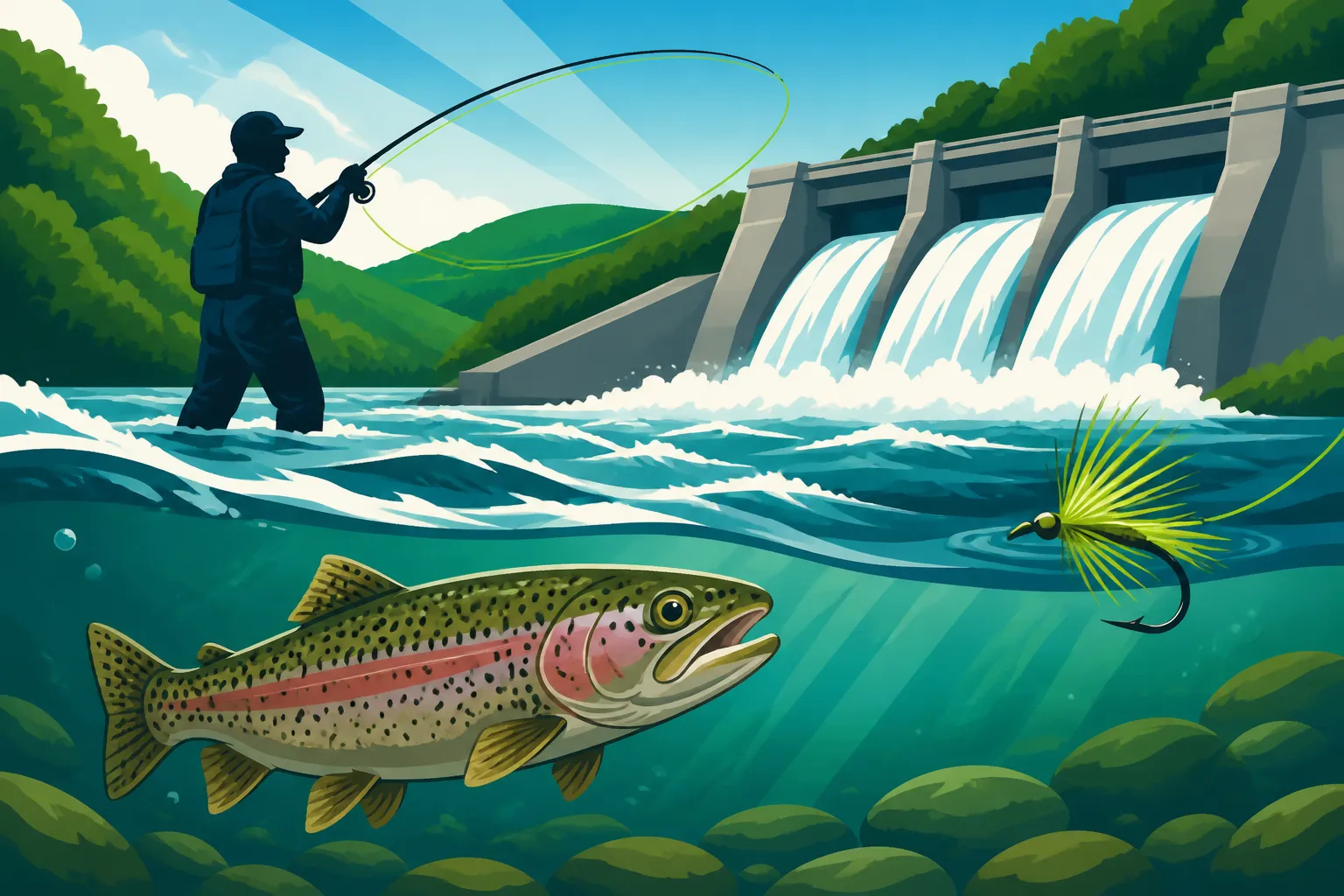
Fishing below a dam in West Virginia, especially in a tailwater, presents some of the most challenging yet incredibly rewarding trout fishing experiences you can find. It’s not your average stocked pond scenario; these waters have a personality all their own, often dictated by powerful currents and fluctuating depths. If you’ve ever found yourself scratching your head, wondering why your usual trout tactics just aren’t cutting it in these unique environments, you’re in the right place. This guide will dive deep into the best techniques to help you consistently fool those elusive tailwater trout.
Understanding the Unique Tailwater Environment
Tailwater fisheries, the stretches of river immediately below dams, are truly distinct ecosystems. They aren't just "rivers" in the traditional sense; they are highly managed waterways where the dam's operation dictates much of the environment. This constant flux, along with a few other key factors, makes them an incredible place to fish for trout, but also one that demands a specialized approach.
Constant Cold Water and Current
One of the most defining characteristics of a tailwater is its consistent, cold water temperature. This is because the water released from the bottom of a deep reservoir is often much colder than the surface water, especially in summer. This cold, oxygen-rich environment is ideal for trout, allowing them to thrive even when upstream river sections become too warm. However, this consistent cold means the trout are often more active year-round, but also more tuned into subtle changes. The constant current, ranging from gentle flows during low generation to raging torrents during high releases, forces trout to expend energy to hold their position. They become masters of finding subtle current breaks and pockets of slower water, conserving energy while waiting for food to drift by. This means you need to present your flies or lures in a way that mimics this natural drift, without any unnatural drag.
Think about it: if you were a fish, would you fight a raging river all day for a morsel? Of course not! You’d tuck behind a boulder, find an eddy, or snuggle up to a log, letting the current bring the buffet to you. Our job as anglers is to find those spots and deliver our offerings right into that feeding lane. Knowing that the dam controls the flow is critical, as conditions can change rapidly from a peaceful wadeable stream to a powerful river in minutes, making safety and adaptability paramount. West Virginia Boating Laws for Anglers is a good resource to ensure you are aware of safety measures, especially if using a boat in these dynamic waters.
Diverse Forage Base
The stable, cold water of tailwaters also supports a rich and diverse ecosystem of aquatic invertebrates. While every tailwater is different, you'll often find an abundance of scuds (freshwater shrimp), sowbugs, midges, and various mayfly and caddisfly nymphs. These tiny critters are the bread and butter of a tailwater trout's diet. Unlike freestone streams where hatches can be highly seasonal and sporadic, many tailwaters offer a consistent supply of these small aquatic insects, making nymphing a perpetually effective technique.
Beyond the invertebrates, many tailwaters also hold healthy populations of small baitfish like sculpins or darters, particularly those that connect to larger river systems. Larger, more predatory trout will key in on these protein-packed meals, especially during low light conditions or when higher flows push baitfish around. Understanding what's available for the trout to eat – and usually, it's a smaller, subtle offering – is key to selecting the right presentation. Observing the water for signs of feeding, or even turning over a few rocks, can give you invaluable clues about the menu of the day.
Mastering Nymphing for Subsurface Success
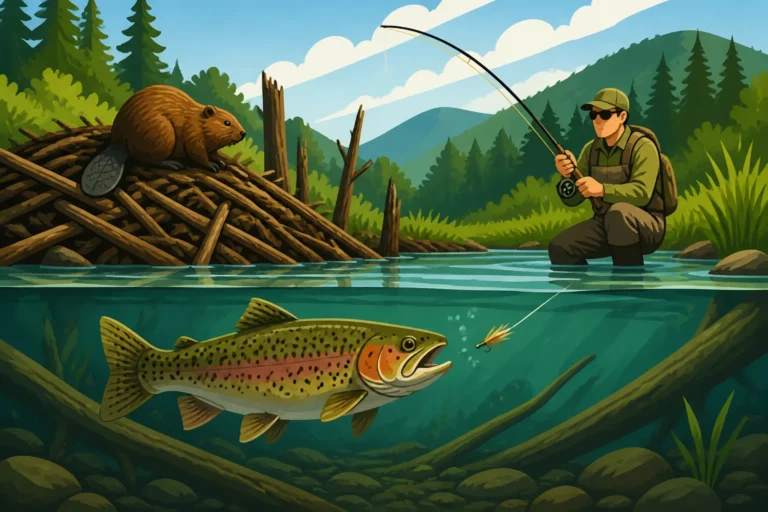
When it comes to tailwater trout, nymphing is king. The vast majority of a trout's diet is consumed subsurface, and in the consistent flows of a tailwater, nymphs represent a reliable food source that is almost always present. Getting a natural drift with a well-chosen nymph is often the most productive technique.
The Importance of a Dead Drift
Trout in tailwaters are incredibly wary and selective. They see an endless conveyor belt of natural food items drifting by, so anything that looks unnatural—even a slight drag on your line—will be instantly rejected. Achieving a "dead drift" means your fly is moving at the exact same speed as the current, without any tension or drag from your line or leader. It should look just like a natural insect or piece of debris, helplessly tumbling downstream. This sounds simple, but it's where many anglers struggle, especially in complex currents.
To achieve this, you often need to mend your line upstream to create slack as your fly drifts, then pick up any excess slack to maintain a direct connection to your fly without actually pulling it. It’s a constant dance of line management. The longer you can maintain a perfect dead drift, the higher your chances of getting a strike. Sometimes, a tiny splash from your indicator, or an imperceptible twitch in your line, is all the notice you'll get before a fish takes your fly. Practice makes perfect here, and focusing on your indicator or line where it enters the water is crucial for detecting those subtle takes.
Essential Nymph Patterns and Rigs
Selecting the right nymph pattern can feel overwhelming with so many options out there, but in tailwaters, consistency and profile often trump exact imitation. Small, sparsely tied nymphs in natural colors (olives, browns, grays, black) are usually the most effective. Consider patterns like a Zebra Midge, a Pheasant Tail Nymph, a Hare's Ear Nymph, or a Copper John. For scuds and sowbugs, patterns that mimic their curved, shrimp-like profile in gray or olive can be deadly. It's always a good idea to carry a variety of sizes, from tiny size 20-22 midges to larger size 14-16 caddis or mayfly patterns. You can often find great assortments of these essential flies on Amazon, which saves a lot of time searching.
As for rigging, there are a few primary methods.
- Indicator Nymphing: This is probably the most common. You attach a strike indicator (a fancy bobber) to your leader, setting the depth based on the water column and letting your nymphs drift beneath it. This rig works well for covering water and detecting subtle strikes. Use enough weight (split shot or tungsten putty) to get your flies down quickly in the current, but not so much that it impedes your drift.
- Euro Nymphing (Tightline Nymphing): This advanced technique involves using a long, light rod and specialized leader with no external indicator. You keep a tight line to your flies, using the sighter section of your leader to detect strikes. It's incredibly effective for maximum sensitivity and control, especially in fast or pocket water, but requires more practice and specialized gear. Many companies offer Euro nymphing specific rods and lines, easily found with a quick search on Amazon. When the water is really clear and the trout are spooky, this method can be a game-changer. For a deeper dive, check out Best Nymph rig for high mountain streams, as many principles apply.
Regardless of the rig, always use fine tippet (5x-7x) for better stealth and a more natural drift. Trout in clear tailwaters have excellent eyesight!
Beyond Nymphing: Other Productive Techniques
While nymphing often takes the spotlight in tailwaters, it's certainly not the only game in town. Depending on the conditions, time of year, and the specific tailwater, other techniques can be incredibly effective and often target larger, more aggressive trout.
Streamer Fishing for Aggressive Trout
If you're looking for bigger fish and don't mind putting in a little more work, streamer fishing can be incredibly exciting below a dam. Streamers imitate baitfish, leeches, or other larger prey, and they provoke an aggressive reaction strike from territorial trout. This technique is often most effective during higher flows, after a rain, or in low light conditions (dawn, dusk, or overcast days) when trout are less wary and more willing to chase.
When streamer fishing, you're not going for a dead drift. Instead, you want to impart action to your fly, making it look like a fleeing or injured baitfish. Techniques include stripping the line in short, erratic bursts, swinging the streamer across current, or jigging it through deeper pools. Heavier flies with lead eyes or coneheads will help get your streamer down quickly in the current. Colors like olive, black, white, and brown are generally good bets. Popular patterns include Woolly Buggers, Clouser Minnows, and Sculpin patterns. This can be a fantastic way to target those bigger brown trout that lurk in the deeper, darker sections of the tailwater. Best Lures for Muskie Fishing in West Virginia might not be for trout, but the principle of targeting aggressive fish with larger, moving baits is similar.
Dry Fly Opportunities When Conditions Allow
Catching a trout on a dry fly is arguably the most visually thrilling way to fish, and while tailwaters are primarily nymphing waters, there are definitely opportunities for dry fly action. These moments are usually tied to specific insect hatches, often midges, tiny mayflies (like Tricos), or caddisflies. When these insects hatch in sufficient numbers, trout will often rise to the surface to feed, sometimes in a frenzy.
The key here is observation and timing. Look for actively rising fish, and try to identify the size and color of the insects they're keying on. Tailwater trout can be incredibly selective during a hatch, so having a good selection of small dry flies in sizes 18-24 is essential. Presentations need to be delicate and precise, again emphasizing a perfect, drag-free drift. If you see fish rising, but they're refusing your offerings, try going down a size in your fly or tippet, or switching patterns entirely. Don't be afraid to experiment! While less common than on classic freestone streams, these moments in a tailwater are truly special. You might find some excellent patterns for these hatches available through an online retailer like Amazon.
Spin Fishing Tactics for Tailwaters
Fly fishing often dominates the discussion around tailwater trout, but that doesn't mean spin anglers are out of luck. In fact, many successful trout anglers use spinning gear, especially in tailwaters where long casts and heavy current are common. The key is to adapt your lures and techniques to mimic the natural food sources and behavior of tailwater trout.
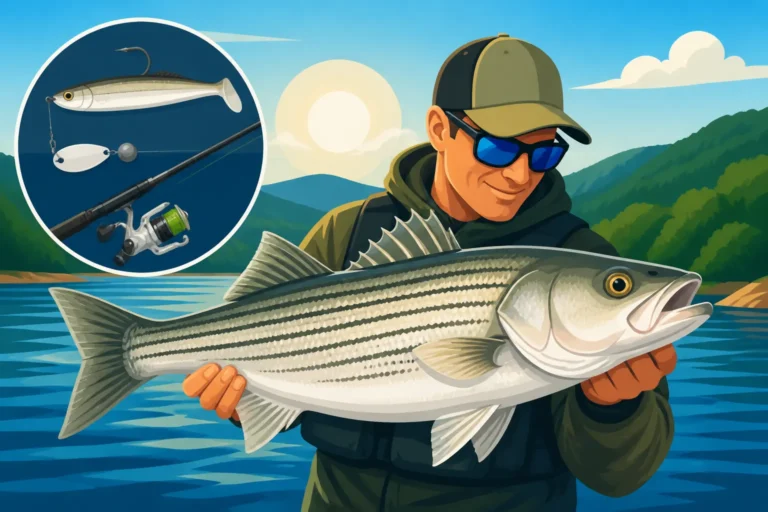
Small, inline spinners are a classic for a reason. Brands like Mepps or Panther Martin, in sizes 0-2, with silver, gold, or black blades, can be very effective. Cast them upstream or up-and-across, and retrieve them just fast enough to get the blade spinning, letting them drift naturally with the current. Small spoons, like Kastmasters or Little Cleos, also work well, especially when jigged through deeper pools or cast to cover. Soft plastics, such as small grub tails or trout worms rigged on a light jig head, can also be deadly when fished with a dead-drift presentation, mimicking a nymph or a scud. Always use light line (4-6 lb test fluorocarbon or monofilament) for better sensitivity and less visibility. Just like fly anglers, spin fishermen need to pay attention to current seams and structure where trout are likely to hold. For a great selection of these smaller trout lures, check out Amazon, which usually has a wide range of options.
Reading the Water and Adapting Your Approach
No matter how good your technique, you won't catch fish if you're not putting your offering where the fish are. Reading the water is arguably the most important skill in tailwater fishing. The ever-changing nature of these environments demands constant observation and adaptation.
Identifying Key Holding Lies
In a tailwater, trout will hold in places where they can expend minimal energy while still having access to drifting food. These "holding lies" are your primary targets:
- Current Seams: Where fast water meets slow water, a seam is created. Trout often sit in the slower water, darting into the faster current to grab food as it washes by. This is a prime spot for nymphing or drifting a small spinner.
- Eddies and Backcurrents: Areas where the water flows upstream or swirls are excellent resting spots. Food often collects here, making them productive. Cast your flies or lures into the main current just above the eddy and let them drift naturally into the slower water.
- Riffles and Runs: These shallower, faster sections are highly oxygenated and often hold abundant insect life. Trout will tuck behind rocks or in depressions, waiting for food. A dead-drifted nymph or a small spinner retrieved through these areas can be very effective.
- Deep Pools and Plunge Pools: Immediately below the dam, or in deeper sections, you'll find large pools. These can hold big trout, especially during high sun or when heavy flows push fish out of shallower areas. Getting your flies or lures down deep requires adequate weight or specific sinking lines for fly anglers.
- Structure: Submerged boulders, log jams, undercut banks, and bridge pilings all provide current breaks and cover. Trout love these spots. Approach them cautiously and present your offering as close to the structure as possible. Remember to always consider safety when wading or boating around structure, especially in dynamic tailwater environments. For more insights on this, you might find Operating a Boat Near an Angler in West Virginia helpful.
Adjusting to Water Release Schedules
Perhaps the most critical factor in tailwater fishing is the dam's release schedule. The water level and flow can change dramatically in a matter of minutes, completely altering the fishing conditions. What was a gentle wadeable stream can become a raging, unfishable river, and vice versa. Knowing the schedule is not just about fishing success; it's also about safety. Many dam operators provide daily or even hourly release schedules online or via recorded hotlines. Make it a habit to check these before heading out.
When the water is low and clear, trout tend to be spookier and more concentrated in deeper pools or along current breaks. This calls for lighter tippets, smaller flies, and more delicate presentations. During higher flows, trout will spread out more, often moving closer to the banks to escape the heaviest current. This is when larger, heavier nymphs, streamers, or more aggressive spin fishing tactics can shine. The increased flow can also dislodge more food, putting trout into a more active feeding mode. Always be mindful of rising water and have an exit strategy if you are wading. Never turn your back on the dam! How to Fish a Tailwater in West Virginia further elaborates on navigating these conditions.
Here's a quick reference table for adapting to flow conditions:
| Water Flow Condition | Recommended Fly Fishing Technique | Recommended Spin Fishing Technique | Key Gear Considerations |
|---|---|---|---|
| Low/Clear Water | Small nymphs (sizes 18-22), Euro Nymphing, delicate dry fly presentations | Small spinners (size 0-1), light jig heads with tiny plastics | 5x-7x tippet, longer leaders, polarized sunglasses |
| Medium Flow | Indicator nymphing (Pheasant Tail, Hare's Ear), moderate streamers | Inline spinners (size 1-2), small spoons, grub tails | 4x-5x tippet, heavier indicators, 4-6 lb test line |
| High/Stained Water | Large nymphs (sizes 12-16), aggressive streamers (Woolly Buggers, Sculpins) | Larger spinners (size 2-3), heavier spoons, scented soft plastics | 3x-4x tippet, sinking lines for streamers, heavier lures, high-vis line |
Tailwater trout fishing is a continuous learning process. Each dam, each release schedule, and even each hour can present a new challenge. But with the right techniques, a keen eye, and a willingness to adapt, you'll find that these unique West Virginia fisheries offer some of the most memorable and rewarding angling experiences you can imagine. Keep at it, observe, adjust, and those beautiful tailwater trout will eventually find their way to your net! For more detailed rules and regulations, especially concerning specific trout waters, refer to West Virginia Fishing Regulations Explained and West Virginia Trout Season and Stocking Rules.
Disclaimer
This article is for general informational purposes only and does not constitute professional advice. Laws, prices and regulations vary by location and change over time. Consult a qualified professional for guidance on your specific situation.