How to fish a jerkbait for early spring bass
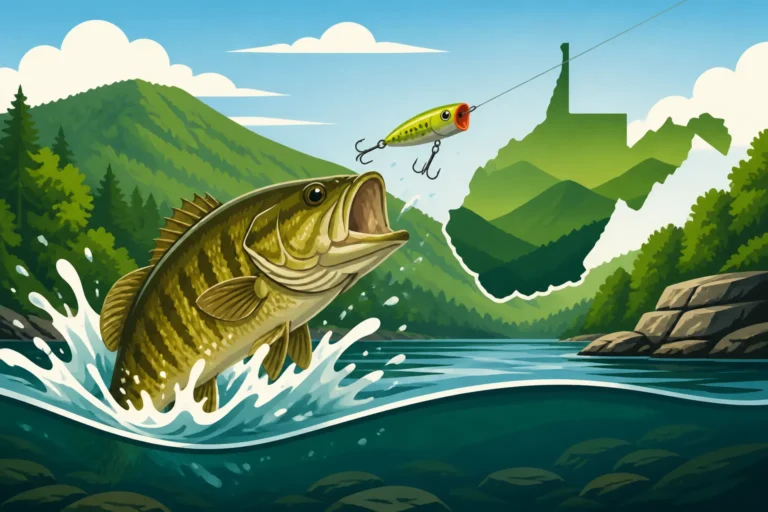
Oh, early spring bass fishing in West Virginia! It's a time of immense anticipation for us anglers, but it can also be incredibly frustrating. The bass are starting to wake up, but those water temperatures are still chilling, making them super finicky. If you've ever cast everything in your tackle box without a bite when the air feels warm but the water is cold, you know the struggle. This guide is all about mastering one of the most effective lures for this tricky season: the jerkbait, and how to fish it to trigger those reluctant bass into striking in our beautiful Mountain State waters.
Why Jerkbaits Are Your Secret Weapon for Early Spring Bass in West Virginia
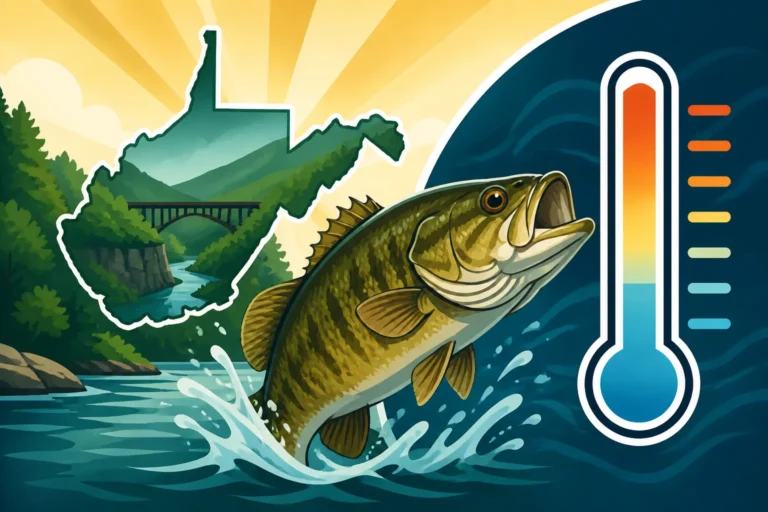
When the calendar says spring, but the water thermometer is still hovering in the 40s or low 50s, a jerkbait becomes an absolute game-changer. Bass, especially smallmouth and largemouth in West Virginia's rivers and lakes, are cold-blooded creatures. Their metabolism slows down significantly in cooler water, meaning they aren't going to chase down a fast-moving bait like they would in summer. They're sluggish, conserving energy, and often hunkered down near subtle breaks, rocky points, or submerged timber.
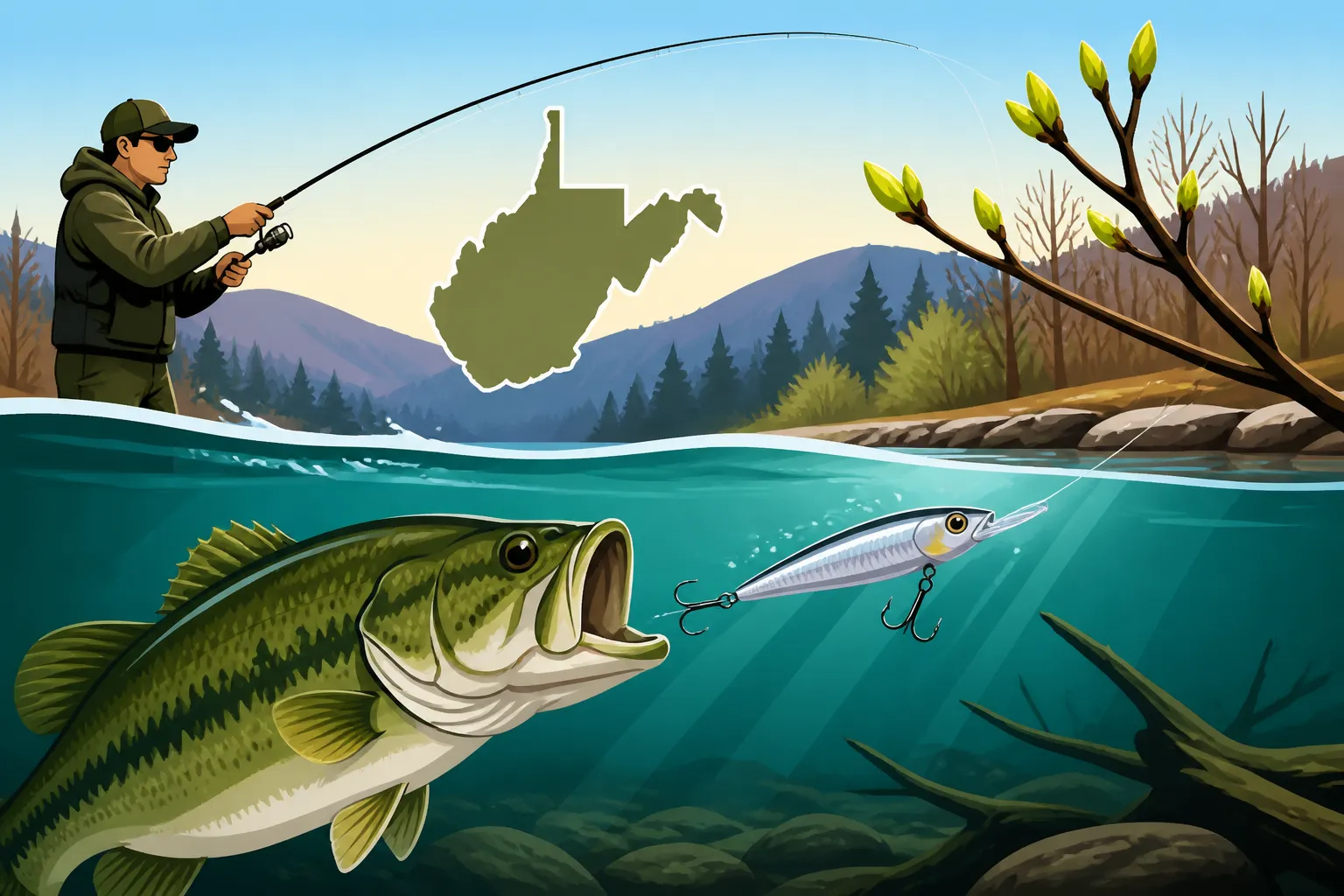
This is precisely where the jerkbait shines. Unlike a crankbait that dives and constantly moves, or a spinnerbait that needs continuous retrieve, a jerkbait can be made to suspend tantalizingly in the strike zone for an extended period. That long, drawn-out pause is the key. It gives those lethargic bass ample time to eye the lure, consider it, and then, often out of irritation or instinct, finally commit to a strike. Imagine a wounded baitfish, struggling to swim, then just hanging there, vulnerable. That's the picture a suspending jerkbait paints, and it's irresistible to a hungry (or annoyed) bass. Whether you're targeting the clear waters of Summersville Lake or the rocky stretches of the New River, understanding this principle is fundamental to your early spring success.
The way a jerkbait darts and flashes with each twitch of the rod tip mimics a dying or disoriented baitfish, an easy meal that doesn't require much effort to catch. After that erratic movement, it just sits there, perfectly still, daring a bass to eat it. This "stop-and-go" action is what often triggers a reaction strike, even from bass that aren't actively feeding. They see the quick flash, then the sudden stop, and their predatory instincts take over. It’s less about a chase and more about an ambush, which is perfectly suited to the slower, colder pace of early spring fishing in West Virginia.
Choosing the Perfect Jerkbait for Mountain State Waters
Selecting the right jerkbait isn't just about grabbing the first one you see; it's about understanding the nuances of your local West Virginia waters and what the bass are keying on. There are several factors to consider: size, color, diving depth, and most importantly, its suspension qualities.
Size Matters: Matching the Hatch and Target Species
When it comes to jerkbait size, you want to mimic the prevalent baitfish in the waters you're fishing. For instance, if you're on the Ohio River where gizzard shad are common, a larger profile jerkbait might be more effective. However, if you're on a smaller tributary or a highland reservoir like Stonewall Jackson Lake where baitfish tend to be smaller, a compact jerkbait, perhaps 3 to 4 inches long, might be the ticket. For How to Catch Smallmouth Bass in West Virginia Rivers, a smaller, slimmer profile jerkbait often works best, as river smallmouth frequently feed on smaller forage like minnows and crawfish. Larger jerkbaits, generally 4.5 to 6 inches, are great for targeting bigger largemouth bass or even an opportunistic muskie that might be lurking. You can find a vast selection of sizes on platforms like Amazon, making it easy to experiment.
Color and Diving Depth: Adapting to Conditions
Color selection is crucial and often depends on water clarity and light conditions. In clear waters, which we often find in many of our mountain streams and lakes in West Virginia, natural baitfish patterns like chrome with a blue back, ghost minnow, or clear colors are excellent choices. They blend in and look realistic. On overcast days or in stained to slightly murky water, brighter colors or those with some chartreuse or orange can provide better visibility. Think about how Best lure color for muddy water bass fishing might influence your jerkbait choice – sometimes a little flash or contrast is exactly what's needed.
The diving depth of your jerkbait is also vital. You want your lure to suspend in or just above where the bass are holding. If bass are suspended 5-8 feet deep over a point, a jerkbait designed to dive 6-8 feet would be ideal. Many jerkbaits specify their diving depth on the packaging, so pay attention to that detail. For early spring, bass often gravitate to structure in slightly deeper water, so having options that can hit that 4-10 foot range is smart.
The Magic of Suspension: Floating, Sinking, or Suspending
This is the most critical aspect for early spring. While floating and sinking jerkbaits have their place, the suspending jerkbait is your go-to for cold water. A true suspending jerkbait, when paused, will hang almost perfectly still at a specific depth, neither rising nor sinking significantly. This ability to "dead stick" the bait in the strike zone is what drives cold, lethargic bass wild.
Some jerkbaits are "slow-floating" or "slow-sinking," which can also be effective. A slow-floating bait might be good for working over shallow grass beds where a slightly rising bait mimics a dying minnow trying to get to the surface. A slow-sinking bait can be useful when bass are deeper, allowing you to count it down to their level before starting your retrieve. However, for sheer versatility and effectiveness in West Virginia's unpredictable early spring, a true suspending model is hard to beat. When browsing on Amazon, always check the lure's description for its suspension characteristics.
The Art of the Retrieve: Techniques to Entice Cold Bass
Fishing a jerkbait effectively in early spring is less about brute force and more about finesse and patience. It's truly an art form, and mastering the retrieve is key to unlocking those stubborn bass. The general cadence is a series of "jerks" or "twitches" followed by a "pause," but the real magic is in varying that cadence.
The Classic Twitch-Twitch-Pause
This is the foundational retrieve for jerkbaits. You make a cast, let the lure dive to its maximum depth or your desired depth, then begin.
- Twitch: Use your rod tip, pointed downwards, to make short, sharp twitches. These aren't huge sweeps; think wrist flicks. Two quick twitches will make the bait dart erratically.
- Pause: After your twitches, let the line go slack and allow the bait to suspend. This pause is absolutely crucial in cold water. In early spring, your pauses can be incredibly long – often 5, 10, or even 15 seconds! Sometimes, it feels like forever, but those slow-moving bass need time to react. The strike often comes during this dead-still moment.
- Repeat: Slowly reel in your slack and repeat the twitch-twitch-pause.
The length of your pause should be dictated by the water temperature and the bass's mood. When water temperatures are in the low 40s, longer pauses are essential. As the water warms into the low 50s, you can shorten the pauses slightly, but they should still be considerably longer than what you'd use in summer. This technique is especially effective for West Virginia Fishing Seasons by Month, particularly in March and early April.
Varying Your Cadence and Experimentation
Don't get stuck in a rut with a single retrieve. Bass can be particular, and what works one day might not work the next.
- Single Twitch, Long Pause: Sometimes, just one sharp twitch followed by an extended pause is all it takes. This can be great when bass are exceptionally lethargic.
- Three Twitches, Medium Pause: A slightly more aggressive approach, where you get a bit more action out of the bait before the pause.
- Rip and Kill: For slightly warmer early spring days, or if you encounter more aggressive fish, a harder "rip" of the rod followed by an immediate dead stop can provoke a strike. This creates a bigger flash and disturbance.
- The "Dead Stick" Retrieve: Cast out, let the bait suspend, and then do absolutely nothing but watch your line for several seconds, or even up to a minute! Gently twitch it once, then let it sit again. This takes immense patience but can be deadly on extremely cold, high-pressure days.
Table: Jerkbait Retrieve Cadence by Water Temperature
| Water Temperature Range | Typical Twitch Cadence | Pause Duration (Approx.) | Notes |
|---|---|---|---|
| Below 45°F | Single, subtle twitch | 10-20 seconds | Very slow. Emphasis on pause. |
| 45-50°F | 1-2 twitches, gentle | 5-15 seconds | Allow bass ample time to approach. |
| 50-55°F | 2-3 twitches, moderate | 3-8 seconds | Can experiment with slightly faster jerks. |
| Above 55°F | 2-4 twitches, aggressive | 1-5 seconds | Quicker retrieves, more reaction strikes. |
Always pay attention to what the fish are telling you. If you get a follow but no strike, try a longer pause. If you're not getting any action, change your retrieve. Sometimes, just changing the retrieve speed, the number of jerks, or the length of the pause can make all the difference between a frustrating day and a fantastic one. This kind of flexibility is crucial for How to catch bass during a cold front in West Virginia, as bass often become even more finicky after a weather change.
Dialing in Your Gear: Rods, Reels, and Line for Jerkbait Success
Having the right gear makes a huge difference in your ability to cast, work, and feel a jerkbait. You want a setup that gives you maximum control and sensitivity.
Rods: The Backbone of Your Jerkbait Setup
For jerkbait fishing, a medium-light to medium power casting rod with a moderate to fast action is generally preferred. The "moderate" action (or "mod-fast") is key because it allows the rod to load up and cast jerkbaits effectively, which can be tricky due to their aerodynamic design. It also has enough flex in the tip to impart that critical darting action to the bait without overpowering it, and it provides a bit of forgiveness to keep those finicky bass hooked on the small treble hooks. A rod length of 6'6" to 7'0" is a good sweet spot for casting accuracy and working the bait effectively. Shorter rods can be great for making those precise twitches without hitting the water. If you're looking for Best Spinning Rods for Smallmouth Bass, many of the same principles apply, though baitcasting setups are often favored for jerkbaits.
Reels: Balancing Speed and Torque
A baitcasting reel with a gear ratio in the 6.1:1 to 7.1:1 range is generally ideal. You don't want anything too fast, as your retrieve is mostly about picking up slack line rather than reeling the bait in quickly. A medium gear ratio gives you enough torque to fight a strong bass and also allows for a slower, more controlled presentation. High-quality reels from reputable brands offer smooth casting and retrieval, which is important for repetitive twitching.
Line: Sensitivity and Stealth
Fluorocarbon line is hands-down the best choice for jerkbait fishing, especially in West Virginia's often clear waters. Here’s why:
- Low Stretch: Fluorocarbon has minimal stretch, which translates to excellent sensitivity. You can feel every subtle twitch of the lure and every slight tap from a tentative bass.
- Invisibility: It's nearly invisible underwater, a huge advantage in clear water conditions or when bass are pressured.
- Sink Rate: Fluorocarbon sinks, helping your suspending jerkbait get down to depth and stay there during the pause. This is particularly useful when you need to keep your bait in the strike zone longer.
For most jerkbait applications, 8-12 pound test fluorocarbon is appropriate. For rivers with heavier current or when targeting larger fish, you might bump it up slightly. You can find excellent quality fluorocarbon lines on Amazon that will significantly enhance your jerkbait presentation. While some anglers use braided line with a fluorocarbon leader for sensitivity and casting distance, the overall low stretch and sink rate of straight fluorocarbon makes it superior for this technique.
Remember, early spring fishing in West Virginia is all about patience and persistence. A jerkbait, fished correctly with the right gear and retrieve, can turn those tough, cold-water days into memorable fishing adventures. Get out there and twitch your way to some fantastic bass!
Disclaimer
This article is for general informational purposes only and does not constitute professional advice. Laws, prices and regulations vary by location and change over time. Consult a qualified professional for guidance on your specific situation.