Best technique for fishing muddy runoff conditions
We've all been there: you wake up with that itch to hit your favorite West Virginia stream or lake, only to look out the window and see the tell-tale signs of heavy rain – muddy, churning water. It's frustrating to plan a fishing trip, only to have Mother Nature throw a wrench in your plans with runoff. But don't despair! Fishing in muddy runoff conditions isn't just possible; it can actually be incredibly productive if you understand how fish react and adjust your approach. This guide will walk you through the best techniques to turn those murky waters into a successful outing.
Understanding How Muddy Runoff Affects Fish and Fishing
When heavy rains hit our beautiful West Virginia landscape, they bring more than just water; they bring sediment, debris, and a whole lot of changes to our rivers and lakes. This influx of muddy runoff can be disorienting for anglers who are used to clearer waters, but it’s crucial to understand what’s happening beneath the surface to adapt your strategy.
The Impact on Visibility and Fish Behavior
The most obvious effect of muddy runoff is the drastic reduction in water clarity. What was once a crystal-clear mountain stream or a gently stained reservoir can quickly turn into a chocolate milk flow. This lack of visibility is the primary challenge, as fish rely heavily on their eyesight to hunt for food and avoid predators. When the water gets murky, their visual hunting becomes much less effective.
Fish, especially sight-feeders like smallmouth bass and trout, will often retreat from areas where they can't see well. They might move to shallower, less turbulent water where the muddy plume hasn't reached as intensely, or they might tuck into eddies and slack water behind structure, seeking refuge from the strong currents and debris. Their primary senses shift from sight to lateral line (feeling vibrations) and smell. This is a critical piece of information for us anglers – if they can't see, they have to feel and smell. Species like catfish, which rely heavily on scent anyway, might actually become more active during these times as their advantage increases. You might find that Fishing after a heavy rain on West Virginia rivers can be an entirely different ballgame than a sunny, calm day.
Where Fish Relocate During High, Muddy Water
When a river or lake experiences significant runoff, fish don't just disappear; they relocate to more favorable conditions. Understanding these holding patterns is key to finding them.
- Slack Water and Eddies: This is paramount. The powerful currents that often accompany runoff can be exhausting for fish. They'll seek out slower-moving water behind large rocks, downed trees, bridge pilings, or even bends in the river. These eddies offer a break from the current and a place to conserve energy.
- Shallow Flats and Banks: Often, the edges of rivers and lakes, especially shallow flats or gently sloping banks, can be less affected by the deepest, muddiest currents. Food sources like worms and insects get washed into these areas, making them attractive feeding grounds. The water might also warm up quicker here, which can stimulate fish activity.
- Confluence Zones: Where a muddy tributary meets a clearer main river, or vice-versa, can create a distinct "mud line." This transition zone is a fantastic place to target, as baitfish will often congregate on the clearer side, and predatory fish will sit on the muddy side, ambushing anything that crosses the line.
- Submerged Structure: Any kind of cover that breaks the current or offers a hiding spot – rock piles, log jams, old roadbeds, creek channels – becomes even more important during runoff. Fish will hunker down in these spots, waiting for conditions to improve or for an easy meal to drift by. This is where Best techniques for high water conditions really come into play.
Selecting the Right Gear and Lures for Dirty Water
Once you understand how fish react to muddy runoff, the next step is to choose the right tools to get their attention. Since visual cues are diminished, you need to appeal to their other senses: vibration, scent, and strong silhouettes.
Lure Colors and Profiles that Stand Out
In murky water, the "match the hatch" principle often goes out the window. Instead, you want to use colors and profiles that contrast sharply with the dark water or emit a strong, visible presence.
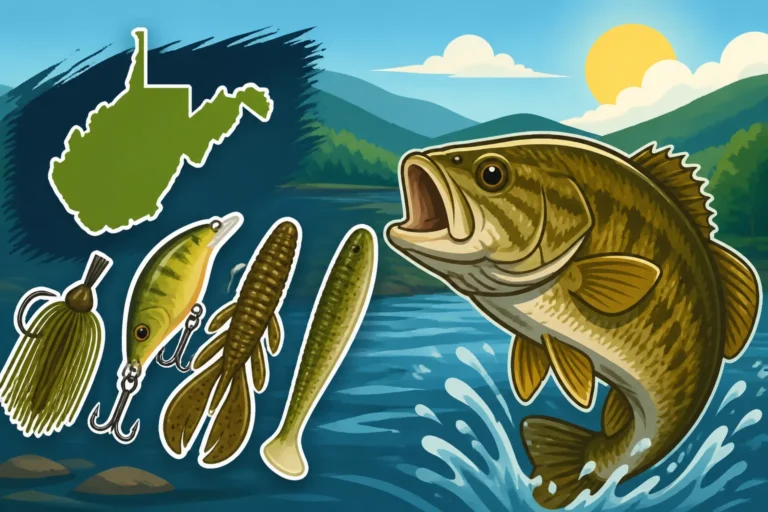
- Bright, Contrasting Colors: Forget subtle natural patterns. Think chartreuse, bright orange, hot pink, and firetiger. These colors reflect what little light penetrates the murky water best, creating a more visible target. Even white or black can be highly effective by providing a stark silhouette against the dark background. For bass, specifically, understanding Best lure color for muddy water bass fishing is a game-changer. Sometimes, a combination of these bright colors, like a chartreuse belly with a dark back, works wonders.
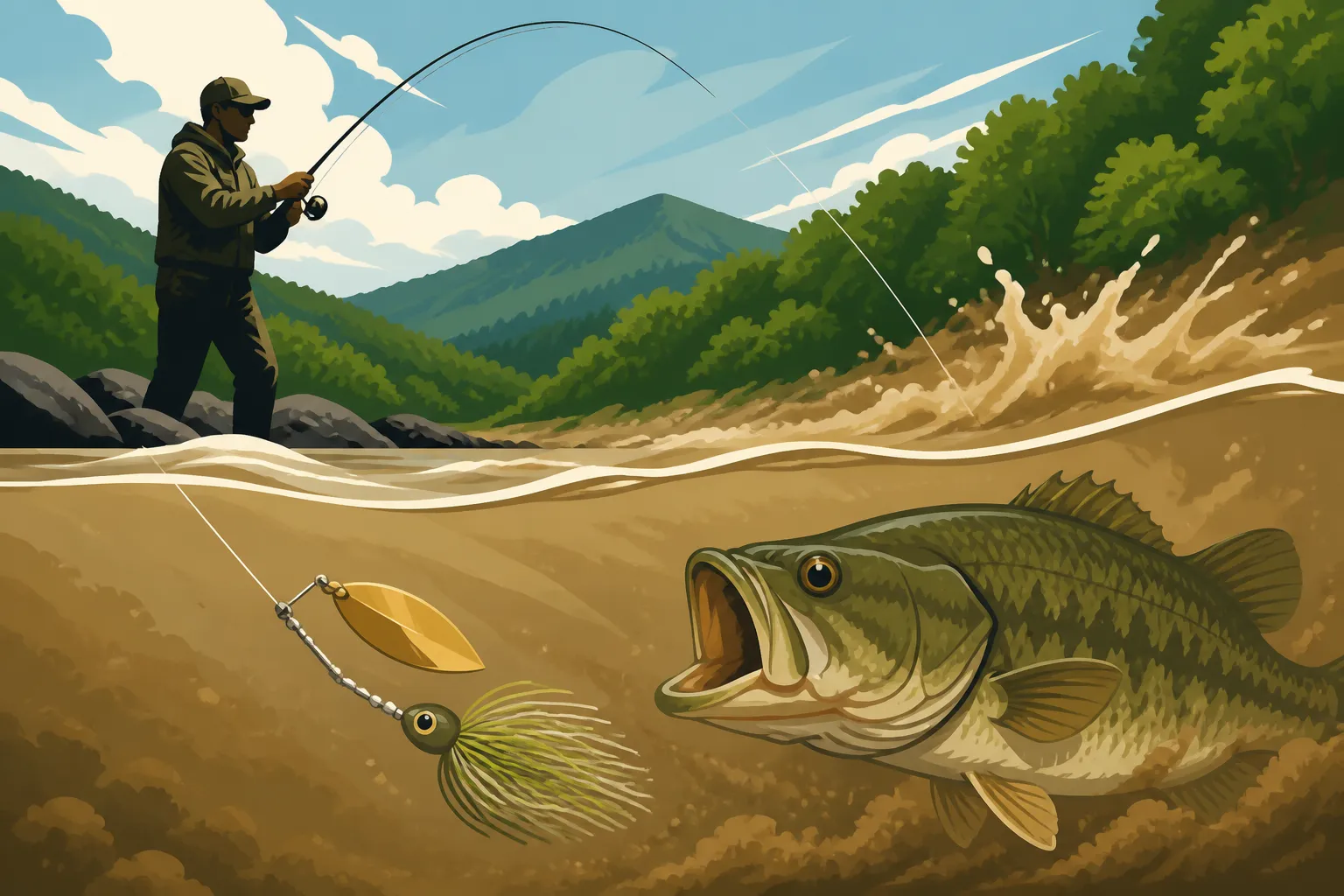
- Large, Bulky Profiles: A small, delicate lure might get lost in the murk. Opt for larger, bulkier baits that push more water and present a bigger profile to the fish. Think oversized crankbaits, spinnerbaits with large blades, or hefty soft plastics. The bigger the "thump" your lure makes and the larger it appears, the better chance a fish has of detecting it.
- Dark Silhouettes: Counter-intuitively, sometimes black or dark blue lures can be incredibly effective. When viewed from below against a slightly lighter sky (even an overcast one), a dark lure creates a strong, distinct silhouette that fish can easily see. This is especially true if the water isn't completely opaque but just heavily stained.
Maximizing Vibration and Scent Appeal
Since fish rely on their lateral line and sense of smell in dirty water, your lures need to excel in these areas.
- High-Vibration Lures: Lures that displace a lot of water and create strong vibrations are paramount.
- Spinnerbaits: The thumping and flashing blades of a spinnerbait are incredibly effective. Tandem Colorado blades are particularly good because they produce a lot of thump and spin at slower retrieve speeds.
- Chatterbaits/Bladed Jigs: These baits combine the flash of a spinnerbait with the erratic action of a jig, sending out powerful vibrations that fish can feel from a distance.
- Crankbaits: Especially lipped crankbaits with a wide wobble. The deeper and more aggressive the wobble, the better. Consider square bills for shallower cover.
- Rattling Baits: Many crankbaits, lipless crankbaits, and even some jigs come with internal rattles. The sound these rattles produce travels well through murky water and can draw strikes from fish that are purely reacting to sound. You can often find a great selection of these on Amazon.
- Scented Baits and Attractants: This is where you directly appeal to a fish's sense of smell.
- Live Bait: Worms, minnows, and crayfish are natural scent factories. If you're fishing for catfish, especially, live bait is often king. Check out Best bait for channel catfish in summer.
- Soft Plastics: Many soft plastic lures are now infused with scent, or they have textures that hold scent sprays and gels very well. Don't be shy about dousing your plastics, jigs, and even crankbaits with a strong fish attractant. Garlic, anise, and various "fish formula" scents can make a huge difference.
- Prepared Baits: For species like catfish, prepared baits (like chicken livers, cut bait, or stink baits) are specifically designed to put out a strong scent trail in the water.
| Lure Type | Best Colors in Muddy Water | Key Feature for Dirty Water |
|---|---|---|
| Spinnerbait | Chartreuse, White, Firetiger | Vibration, Flash |
| Bladed Jig (Chatterbait) | Black/Blue, Chartreuse, Orange | Vibration, Erratic Action |
| Crankbait | Firetiger, Hot Pink, Dark Blue | Vibration, Rattle (if present) |
| Soft Plastic Worms/Jigs | Black, Chartreuse, Junebug | Scent, Bulk |
| Live Bait | N/A (natural) | Scent, Natural Movement |
Effective Strategies and Techniques for Muddy Conditions
Now that you know what lures to use, let's talk about how to present them effectively in challenging, muddy conditions. It's all about slowing down, getting close to the fish, and making your presence known.
Slowing Down Your Presentation
When visibility is low and fish are less active, a slow and deliberate retrieve is almost always more effective. They need more time to locate your bait by feel and scent.
- Crankbait Crawl: Instead of a fast retrieve, try a slower, steady crankbait retrieve, occasionally bumping it off structure. This creates a stop-and-go action that can be irresistible. Remember that Best crankbait for stained river water will be your ally here.
- Jigging and Dragging: For jigs and soft plastics, don't hop them aggressively. Instead, drag them slowly along the bottom, giving fish ample opportunity to find them. The "thump" of a jig hitting the bottom can be a powerful trigger.
- Dead Sticking: Sometimes, doing almost nothing is the best approach. Cast a scented soft plastic or live bait into a likely holding area and let it sit for extended periods, only moving it slightly to impart a subtle action. This gives fish the maximum amount of time to locate it by scent.
- Current Seams: When fishing rivers, focus on the seams where faster, muddier water meets slower, clearer water. Fish will often hold right on that line, ready to ambush anything that drifts past. Your presentation should often start in the slower water and drift into the seam or parallel to it.
Targeting Prime Holding Areas
We've discussed where fish go in muddy water; now, let's focus on how to fish those specific areas.
- Fishing the Banks and Shallows: Don't overlook the margins. Cast your lures close to the bank, especially in areas with submerged brush, logs, or undercut banks. Fish will often move into these shallower, calmer zones to escape the main current and find easy meals. This is especially true for bass. Look for areas where the current might be deflected or slowed, creating a subtle pocket.
- Structure, Structure, Structure: This can't be emphasized enough. Rocks, logs, bridge pilings, downed trees, culverts – anything that provides a break from the current is a potential hotspot. Work your lures meticulously around and through these features. Make multiple casts from different angles to ensure you cover all potential hiding spots. A strong, sensitive rod with a good Best spinning reel size for river smallmouth can help you feel those subtle bumps and bites around structure.
- Eddies and Backwaters: These are prime locations. Cast into the heart of the eddy and let your lure sink or drift naturally. Work the edges where the eddy meets the main current, as fish often position themselves on the cusp. Backwaters, particularly those connected to the main flow but largely protected from its force, can concentrate fish looking for calmer conditions.
- Depth Control: While fish may move shallower, they might also hold tightly to the bottom to avoid the current. Ensure your lure is getting down to where the fish are. Heavy jigs, deep-diving crankbaits, or slip sinker rigs for live bait can be essential. Remember to factor in current when estimating how much weight you need to stay in the strike zone. If you're using live bait, a Best bobber stopper setup for catfish can help you present your bait at a precise depth.
Safety and Practical Considerations for Muddy Runoff Fishing
While fishing in muddy runoff can be productive, it also comes with increased risks and practical challenges that you need to be mindful of.
Monitoring Water Levels and Current Strength
Rising, muddy water often means increased current and potentially unstable footing. Your safety should always be the top priority.
- Wading Dangers: If you're a wading angler, extreme caution is necessary. The increased current can easily sweep you off your feet, and the murky water hides hazards like slippery rocks, submerged logs, and sudden drop-offs. Always use a sturdy Best wading staff for fast mountain streams and wade with a partner if possible. If the water looks too fast or too high, don't risk it. It's better to choose a safer bank fishing spot or a lake.
- Boating Safety: For boaters, debris is a major concern. Logs, branches, and even entire trees can be carried by strong currents, posing a serious threat to your boat, motor, and occupants. Always wear a Best life jacket for whitewater fishing – in fact, everyone on board should. Operate at reduced speeds, especially in unfamiliar areas, and keep a sharp lookout. A reliable Best anchor for fishing moving river current is also crucial if you plan to hold your position in a river.
- Water Level Monitoring: Before you head out, check local river gauges and weather forecasts. Websites and apps often provide real-time water levels and flow rates, which can give you a good indication of conditions. Rapidly rising water should be a red flag.
- Barometric Pressure: While less directly related to safety, understanding How barometric pressure affects West Virginia bass fishing can give you an edge. Rapid drops in pressure often precede or accompany heavy rain, and can make fish less active. A slow, steady rise after a storm can sometimes signal increased feeding activity as conditions stabilize.
Packing Essentials and Planning Your Trip
Being prepared is half the battle when dealing with unpredictable runoff conditions.
- Visibility Gear: Beyond your lures, consider your own visibility. Wear bright clothing, especially if you're on a boat. A good headlamp is essential if you might be fishing into dusk or for checking your gear.
- Rain Gear: It sounds obvious, but you're often fishing during or immediately after the conditions that cause the runoff. High-quality waterproof rain gear is a must. You can find some excellent options on Amazon that will keep you dry and comfortable.
- Extra Tackle: Snags are more common in muddy, turbulent water. Bring plenty of extra lures, hooks, and weights. Losing a few baits is inevitable, but you don't want to run out of your most effective lures.
- Water and Snacks: Fishing can be physically demanding, especially when battling current or navigating challenging terrain. Stay hydrated and fueled.
- First Aid Kit: Always a good idea, but even more so when conditions are less predictable. Minor cuts and scrapes can happen, and a basic kit can handle them.
- Let Someone Know: Tell a friend or family member where you're going and when you expect to return, especially if you're fishing alone. This is critical for safety in any outdoor activity, but particularly so in challenging conditions.
Fishing in muddy runoff conditions in West Virginia might seem daunting at first, but with the right mindset, gear, and techniques, you can turn a challenging situation into a rewarding one. Remember to prioritize safety, adapt your presentation to appeal to a fish's non-visual senses, and focus on the areas where fish seek refuge from the current and murk. Embrace the challenge, and you might just find some of the most memorable catches of your season!
Disclaimer
This article is for general informational purposes only and does not constitute professional advice. Laws, prices and regulations vary by location and change over time. Consult a qualified professional for guidance on your specific situation.