Best smallmouth bass lures for the New River in summer
Fishing for smallmouth bass on West Virginia's New River in summer can be a truly exhilarating experience, but let's be honest, it can also be incredibly frustrating when those bronzebacks get finicky. The clear, warm waters and strong currents demand a different approach than spring or fall, and if you’re not throwing the right lures and presenting them effectively, you might just find yourself admiring the scenery instead of fighting fish. This guide is all about equipping you with the knowledge and confidence to pick the absolute best smallmouth bass lures for the New River when the summer sun is high, helping you understand why they work and how to fish them to maximize your success.
The New River Summer Smallmouth Challenge
Summer on the New River brings unique conditions that smallmouth bass react to in distinct ways. The water typically warms significantly, currents can fluctuate with rainfall or dam releases, and the abundant insect life and baitfish populations mean the smallmouth have plenty of food options. This combination can make them both aggressive and incredibly selective, often in the same day! Understanding their behavior during this season is the first step to choosing the right lure.
Summer Smallmouth Behavior and Habitat Preferences
As water temperatures climb into the 70s and even low 80s, smallmouth bass on the New River often shift their focus. They might move to deeper, cooler pockets of water, seek out shady areas, or become more active during low-light periods like dawn and dusk. Their metabolism is high, so they're still eating, but they might not chase a meal as far or as carelessly as they would in cooler water.
You'll find them concentrating around classic smallmouth structure: current seams, eddies behind large boulders, ledges, submerged logs, and shaded banks. Deeper pools with good current flow become prime real estate. They use these spots not only for ambush but also for thermal refuge and to expend less energy fighting the main current. Knowing how to read New River smallmouth structure is absolutely critical. For example, a large current-breaking boulder creating a noticeable slack water zone downstream is almost always worth a cast, as smallmouth will hold in that calmer water, waiting for food to drift by.
Water Conditions and Their Impact on Lure Choice
The New River is a living, breathing system, and its conditions can change quickly. Heavy summer rains can cause the water to rise and muddy, while prolonged dry spells can lead to lower, clearer flows. Both scenarios dictate different lure choices.
In high, muddy water, vibration, sound, and a larger profile become key. Smallmouth rely more on their lateral line to detect prey, so lures that displace a lot of water or create a strong thumping action will get noticed. Conversely, in low, clear water, finesse and natural presentations rule the day. Long casts, lighter lines, and realistic bait profiles are essential to avoid spooking wary fish. You'll often find that the water temperature for smallmouth bass fishing also plays a huge role; too hot, and they might shut down completely during the brightest part of the day.
Topwater Temptations: When and How to Work the Surface
There’s nothing quite like the explosive strike of a New River smallmouth on a topwater lure. While not an all-day, every-day technique in summer, there are specific windows when topwater fishing for smallmouth bass in West Virginia is incredibly productive and undeniably exciting.
Poppers and Chuggers: Creating Commotion
Poppers and chuggers are designed to imitate struggling baitfish or insects on the surface, creating a distinct "pop" or "chug" sound that calls fish up from below. They are absolutely lethal during low-light conditions – think early morning before the sun hits the water directly, or late evening as shadows creep across the river. Overcast days can also extend the topwater bite throughout the day.
When you're working a popper, focus on points, eddies, and anywhere you see current seams near structure. Cast your lure, let the ripples dissipate, then give it a sharp twitch to make it "pop." Vary your retrieve: sometimes a long pause followed by a single pop is best, other times a series of quick pops with short pauses will trigger a strike. It's often about experimenting with the rhythm the fish prefer on that particular day. Brands like Rebel Pop-R and Rapala Skitter Pop are classics that consistently produce. You can find a wide range of these and similar lures on Amazon, making it easy to stock up before your next trip.
Walk-the-Dog Baits: The Subtle Dance
Walk-the-dog style baits, like Heddon Super Spook Jr. or the Zara Spook, offer a more subtle, gliding action across the surface. This side-to-side sashay perfectly mimics a disoriented baitfish trying to escape. These are fantastic for slightly calmer stretches of water or when the fish are being a bit more particular about their surface meals. They can be incredibly effective when smallmouth are feeding on shad or other slender baitfish.
The key to these lures is mastering the retrieve. Keep a semi-slack line and use short, rhythmic downward jerks of your rod tip while reeling in slack. This makes the lure "walk" from side to side. It takes a bit of practice, but once you get the rhythm down, it's mesmerizing to watch and even more thrilling when a smallmouth rockets up to inhale it. Like poppers, focus on low light, but don't be afraid to try them in bright conditions if you find a shaded pocket or a deep, calm eddy.
Buzzbaits: Burning the Surface
Buzzbaits are a high-energy option, designed to create a loud, sputtering commotion on the surface. They are excellent for covering a lot of water quickly and provoking aggressive reaction strikes, especially when the smallmouth are feeling feisty or the water has a bit of chop. Their propeller blade thrashes the surface, sending out vibrations and a distinct gurgling sound that can attract fish from a distance.
These lures are best fished with a steady, medium-to-fast retrieve, keeping them just on top of the water. They excel in stained or slightly murky water, or when fishing around heavy cover like submerged timber or weed lines (though weeds are less common in the main New River current). If you're looking to cover water efficiently and target active fish, a buzzbait can be a real game-changer. Look for ones with good quality skirts and blades that spin easily – you'll find plenty of reliable options from brands like Strike King and Booyah on Amazon.
Subsurface Solutions: Jigs, Plastics, and Crankbaits
While topwater action is thrilling, the reality of summer smallmouth fishing on the New River means most of your bites will likely come from below the surface. This is where jigs, soft plastics, and crankbaits truly shine, offering versatile presentations for every condition and mood of the bass.
Jigs: Versatility for Current and Structure
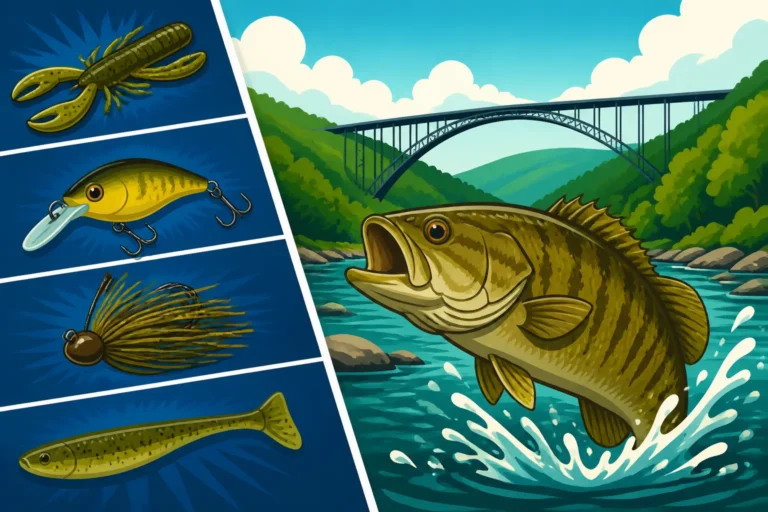
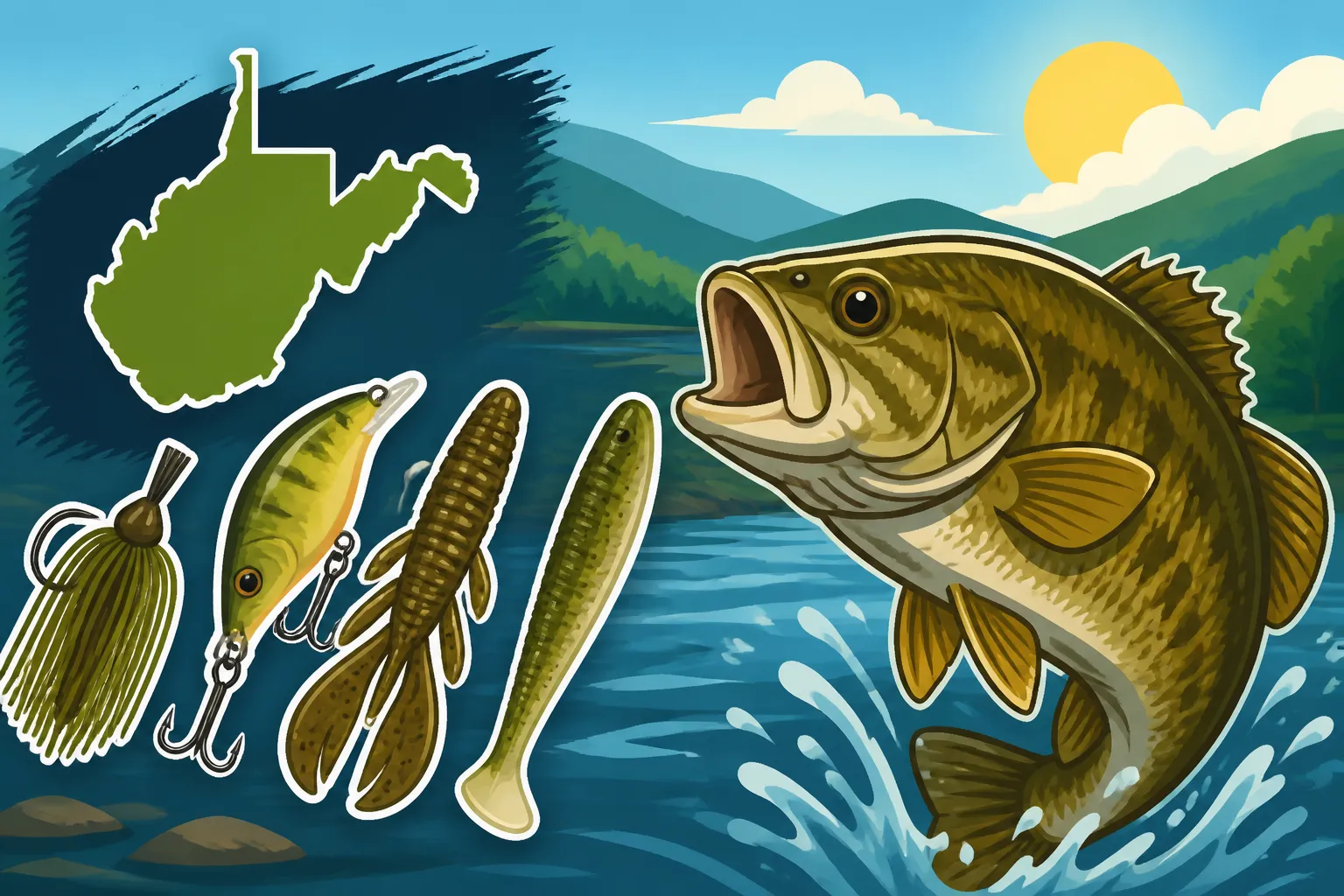
Jigs, particularly hair jigs and football jigs, are arguably some of the most consistent producers for New River smallmouth, especially in summer. They offer a compact profile that mimics crawfish, sculpins, or other bottom-dwelling prey, and they excel at navigating rocky river bottoms and holding in current.
- Hair Jigs: These classic lures, often made with bucktail or marabou, have an incredibly lifelike pulsing action in the water. They are phenomenal for imitating baitfish like darters or sculpins that live in rocky habitats. The best hair jig technique for winter smallmouth can also translate well to deeper, cooler summer holes. In summer, focus on natural colors like olive, brown, or black, or white/chartreuse in murkier water. Cast upstream or across current, let the jig sink, and then use a slow, subtle retrieve, often just barely hopping it along the bottom. The current does most of the work, making the hair pulse.
- Football Jigs: Designed to crawl over rocks without snagging, football jigs are excellent crawfish imitations. Pair them with a soft plastic craw trailer for added bulk and realism. Work these slowly along the bottom of deep pools, rock ledges, and current breaks. A West Virginia black bass limits and the New River slot limit article will remind you to measure your catch carefully, especially if you're pulling in some impressive bronzebacks on these bigger jigs.
Soft Plastics: Natural Presentations and Finesse
Soft plastics are indispensable for summer smallmouth, offering countless rigging options and realistic presentations. They are especially effective in clear water or when fish are pressured.
- Tubes: The tube jig is a smallmouth staple, perfectly imitating a crawfish or a small baitfish. Rigged on an internal jig head, tubes spiral and dart erratically on the fall, then settle enticingly on the bottom. The best tube jig color for smallmouth bass on the New River is often a natural crawfish pattern (green pumpkin, brown, watermelon with flake) or white/smoke for baitfish. Pitch them into eddies, behind rocks, and along current seams. Let them sink, then twitch your rod tip, letting them tumble and bounce along.
- Grubs and Swimbaits: Single-tail grubs on a lead head are simple yet highly effective. Cast them out, let them sink, and reel them in with a steady retrieve, letting the tail do the work. Swimbaits, either paddle-tail or boot-tail, offer a more prominent baitfish imitation. Rigged on a jig head or a weighted hook, these are great for covering water and targeting more active fish in clearer conditions. Try brands like Keitech or Zoom for realistic action.
- Drop Shot Rigs: When smallmouth are hugging the bottom or are particularly finicky, a drop shot rig can be a lifesaver. This rig presents a small soft plastic (like a finesse worm or small minnow imitation) above a lead weight, allowing it to suspend tantalizingly in the strike zone with minimal movement. It’s perfect for vertical presentations in deep holes or when drifting slowly over structure. The best drop shot rig for West Virginia smallmouth will often involve lighter line and smaller hooks for a truly natural presentation.
Crankbaits: Covering Water and Reaction Strikes
Crankbaits are fantastic search baits and excellent for triggering aggressive reaction strikes, especially when fish are actively feeding or you need to cover a lot of water.
- Diving Crankbaits: Medium-diving crankbaits (diving 4-8 feet) are perfect for the New River's mid-depth runs and pools. They deflect off rocks, mimicking a fleeing or injured baitfish, which often triggers strikes. Look for natural baitfish patterns or crawfish colors. Cast these across or slightly upstream into current, and reel with a varied speed, occasionally pausing or bumping it off the bottom. The best crankbait retrieve for New River smallmouth often involves making contact with the bottom or submerged structure.
- Lipless Crankbaits: While often associated with lakes, lipless crankbaits can be surprisingly effective in the New River, especially in slightly deeper, calmer pools or when you're looking for a different vibration profile in stained water. Their tight wiggle and loud rattles can call fish in. Rip them through the water or yo-yo them along the bottom.
Here's a quick comparison of these lure types for summer New River smallmouth:
| Lure Type | Best Conditions | Presentation Style | Advantages |
|---|---|---|---|
| Poppers | Low light, calm water, aggressive surface feeders | Pop-and-pause, erratic twitches | Explosive strikes, visually exciting |
| Walk-the-Dog | Calm water, slightly clearer, imitating fleeing bait | Rhythmic side-to-side glide | Realistic baitfish imitation, enticing action |
| Buzzbaits | Low light, stained water, covering shallow water | Steady, fast retrieve, creating surface commotion | Covers water quickly, triggers aggressive strikes |
| Hair Jigs | Clear to stained water, current seams, deep holes | Slow hop, drift with current, subtle retrieve | Very natural, excellent in current, few snags |
| Football Jigs | Bottom fishing, rocky structure, crawfish imitation | Slow crawl, hop, bump off rocks | Mimics crawfish, good feel for bottom |
| Tubes | All conditions, mimicking crawfish/baitfish | Jig, hop, drag, swim; versatile | Realistic, subtle, effective in clear water |
| Swim/Grubs | Covering water, active baitfish imitators | Steady retrieve, cast & retrieve | Simple, effective, good vibration/action |
| Drop Shot | Finicky fish, deep holes, vertical presentations | Subtle shakes, holding in place | Finesse, keeps bait in strike zone longer |
| Diving Cranks | Covering water, targeting structure, reaction bites | Cast & retrieve, deflect off cover | Efficient search bait, aggressive strikes |
| Lipless Cranks | Stained water, deeper pools, vibration needed | Rip & pause, yo-yo retrieve | High vibration, covers water depth quickly |
Beyond the Lure: Mastering Your Presentation and Strategy
Having the right lures is only half the battle. How you present them, your understanding of the river, and your overall strategy will ultimately determine your success rate. These elements are just as crucial as the lures themselves.
Reading the Water and Targeting Key Structure
The New River is all about current and structure. You might find some of the Best Fishing Rivers in West Virginia guides will emphasize this repeatedly, and for good reason! Smallmouth are ambush predators and will position themselves in places where they can expend minimal energy while waiting for food to come to them. Look for obvious current breaks: large boulders, fallen trees, sharp bends in the river, or ledges that drop into deeper water.
A key technique is to cast upstream or across current, allowing your lure to drift naturally into the strike zone before engaging your retrieve. This mimics how natural food items would approach a waiting smallmouth. Pay close attention to subtle changes in current speed, water depth, and bottom composition. Often, a slight ripple or a change in water color can indicate a prime holding spot.
Line Management and Sensitivity
In the clear summer waters of the New River, line choice and management are paramount. Fluorocarbon line is often preferred for its near-invisibility underwater and its excellent sensitivity, allowing you to feel even the most subtle bites. Consider a lighter test line (6-10 lb test) for finesse presentations with tubes, grubs, and drop shots, especially if you're fishing low, clear water. The best fluorocarbon leader for clear river water can make a huge difference, particularly if you're using braided main line.
Learning to feel the bottom and differentiate between a rock, a stick, and a bite takes practice. Keep a slight bow in your line to maintain contact with your lure in current, but not so much that you can't detect a strike. A sensitive rod, like those discussed in Best Spinning Rods for Smallmouth Bass, will amplify these subtle sensations.
Adjusting to Current Speed and Depth
The New River's current can be deceptively strong, and it constantly varies. When you're learning how to catch smallmouth in fast current, remember that lures will need to be heavier or have more resistance to get down to the fish. For example, a heavier jig head on your tube or hair jig will be necessary in swifter water, while lighter jig heads are better for calmer pools.
Similarly, adjust your lure's running depth. If you're marking fish on your fish finder or know they're holding deep, choose a crankbait with a larger lip to dive deeper, or spend more time working jigs and plastics on the bottom. When they're shallower or looking up, topwaters and suspending jerkbaits become more effective. Don't be afraid to experiment with different weights, lure sizes, and retrieve speeds until you dial into what the smallmouth want that day.
Best Time of Day and Weather Considerations
While summer days can be hot, smallmouth are often most active during the cooler parts of the day. Early morning and late evening, as the sun begins to rise or set, are prime times for feeding, especially for topwater action. Overcast days can also provide excellent fishing throughout the day, as the reduced light keeps the water cooler and the fish more comfortable.
If you're out during the bright midday sun, focus your efforts on shaded areas, deep pockets, and faster current where the water is more oxygenated and cooler. Fish will often hug the bottom or hold tight to cover to escape the heat and bright light. Pay attention to weather fronts too; fishing after a heavy rain on West Virginia rivers can bring a surge of activity due to increased water flow and dislodged forage.
Disclaimer
Fishing conditions and regulations in West Virginia can change. Always consult the latest West Virginia Fishing Regulations Explained summary from the West Virginia Division of Natural Resources (WVDNR) before heading out. This guide is for informational purposes only and does not supersede official regulations. Practice safe boating and wading, and always prioritize conservation and responsible angling practices.