Fishing after a heavy rain on West Virginia rivers
There’s nothing quite like the excitement of a planned fishing trip on one of West Virginia’s beautiful rivers, only to wake up to the sound of torrential rain and see reports of rising water levels. It's truly disheartening to think your day on the water is ruined, but heavy rain doesn't always mean you have to pack it in. In fact, understanding how rivers change after a significant downpour can open up entirely new, often productive, fishing opportunities if you know how to adapt. This guide will help you understand those changes and equip you with the knowledge to make your post-rain fishing trips successful and, most importantly, safe.
Understanding How Rain Transforms West Virginia Rivers
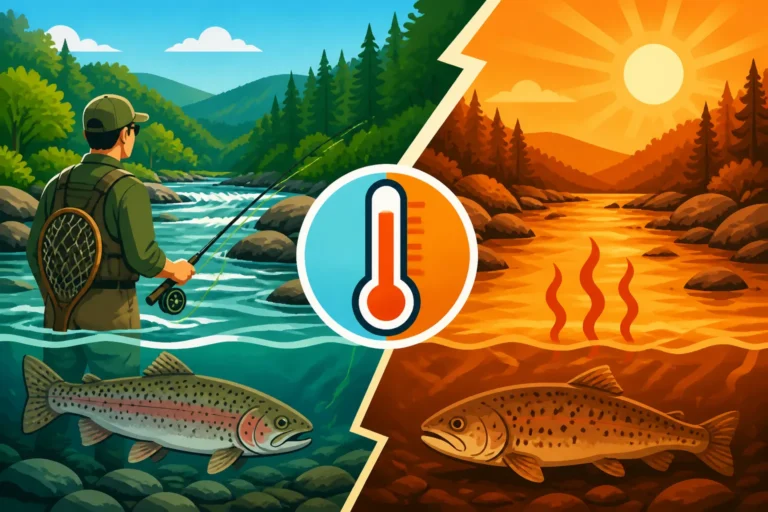
When heavy rain sweeps through the Mountain State, our rivers, streams, and creeks undergo a dramatic transformation. It’s not just about the water getting higher; it's a complete shift in the aquatic environment, from the flow to the clarity, and this fundamentally alters fish behavior. Ignoring these changes is a surefire way to get skunked, or worse, get into a dangerous situation.
The Immediate Impact: Increased Flow and Turbidity
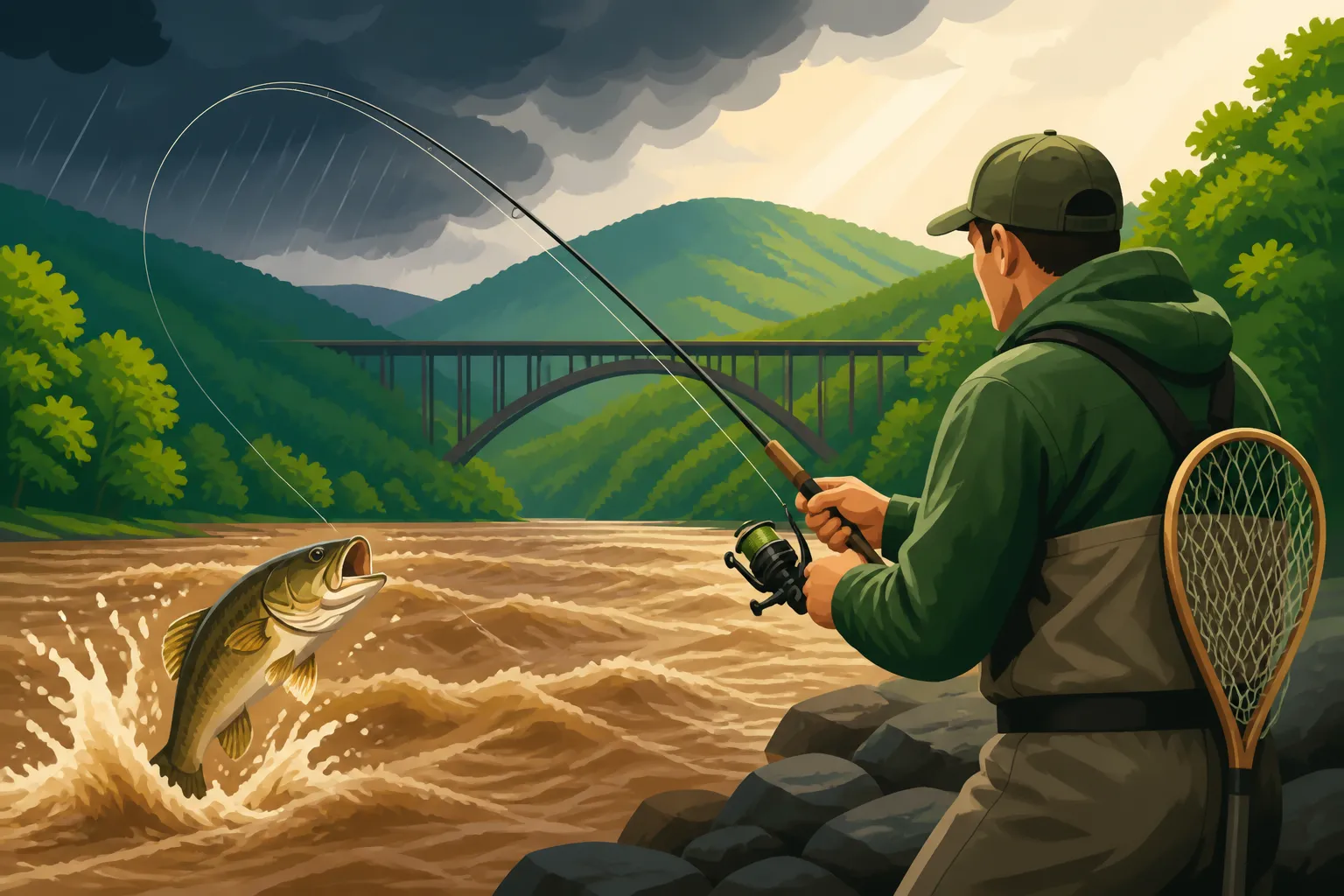
The first thing you notice after a good soaking rain is the river swelling and moving faster. This increased flow and current can be intimidating. Suddenly, those easy wading spots become treacherous, and even from a boat, navigating can be a challenge. But it's more than just speed; the sheer volume of water washing off the land brings with it a whole host of sediment, mud, leaves, and debris. This influx turns clear, inviting waters into murky, stained, or even downright chocolate milk conditions. This phenomenon is known as increased turbidity.
For the fish, this sudden change can be a shock to the system. The comfortable, clear environment they’re used to is disrupted. The strong currents make it harder to hold position, and the reduced visibility makes hunting by sight incredibly difficult. Some fish might be disoriented, while others will instinctively seek refuge from the main current. As anglers, this means our usual tactics for clear, low-water conditions are often rendered useless. Trying to tempt a smallmouth bass with a subtle presentation in a raging, muddy river is usually a waste of time and effort. It's crucial to acknowledge this new reality and understand that the fish are reacting to it just as much as we are.
Short-Term vs. Long-Term Effects on Fish Behavior
The immediate aftermath of heavy rain is chaos for river ecosystems, but the effects aren't uniform or permanent. Fish responses vary greatly between the immediate short-term and the more settled long-term period after the rain stops.
In the short-term, as the rain is falling or immediately after, fish will largely be focused on survival and finding refuge. They’ll move out of the main current to seek slack water, eddies, and areas of reduced flow. This could be behind large boulders, submerged logs, or in the calmer water close to the bank. Their feeding might temporarily shut down as they process the environmental upheaval, or it might shift dramatically. Instead of actively hunting, they might become opportunistic, snatching whatever edible bits the current washes into their refuges. This is often a tough time to fish, as fish are hunkered down and not actively looking for a meal. Trying to force a bite during this period requires patience and precise presentations to their hiding spots.
However, as the heavy rain subsides and the water begins to gradually recede and slowly clear, a different scenario unfolds. This is the long-term effect, which can actually present some of the best fishing opportunities. As the river settles, all that runoff brings with it a bounty of new food sources: worms, insects, crawfish, and small baitfish dislodged from the banks. Fish become acutely aware of this fresh food delivery. They’ll start to move out of their deepest hides and into new feeding lanes, often positioning themselves on current seams or at the mouths of tributaries where fresh water and food are entering the main river. Their metabolism might kick into high gear, making them more aggressive and willing to strike. This transitional period, often a day or two after the heaviest rains, can be incredibly productive for anglers who understand where to look and what to throw.
Reading the Water: Signs and Strategies for Post-Rain Conditions
Successfully fishing after a heavy rain isn't just about guessing; it's about diligently reading the water and understanding what the river is telling you. The visual clues are often stark, but interpreting them correctly can lead to a banner day.
Locating Fish in High, Muddy Water
When West Virginia rivers swell and turn muddy, fish don't just disappear; they relocate. Your mission, should you choose to accept it, is to find their new addresses. Forget those mid-river runs you usually target in clear water. Fish will seek areas of reduced current where they can conserve energy and find some visual refuge.
Look for classic current breaks:
- Eddies: These are pockets of swirling, calmer water found downstream of large obstacles like fallen trees, boulders, or points. Fish will sit in the slower water, waiting for food to be swept past.
- Seams: This is the visible line where fast-moving water meets slower water. It's a prime ambush point for predatory fish. Cast your lure so it drifts or swims along this seam.
- Slack Water Pockets: These can be found right along the bank, especially where the bank is undercut or has submerged structure like root wads. The current here is minimal, offering a safe haven.
- Submerged Structure: Think laydowns, rock piles, or bridge pilings that create a current shadow. If the water is high enough to cover them, these become excellent fish magnets.
- Tributary Mouths: Creeks and smaller streams flowing into the main river often bring in cleaner water and a fresh supply of food. The color line where the two waters meet can be a hot zone.
Before you even leave home, check local stream gauges online (like those from the USGS) to see current water levels and flow rates. This data, coupled with recent rainfall amounts, can give you a crucial heads-up on what to expect. Knowing the flow rates on rivers like the New River or the Greenbrier River can dictate whether you even attempt to go out, or if you wait another day for the levels to drop.
Choosing the Right Lures and Baits
In stained or muddy water, fish's visual hunting capabilities are severely hampered. This means you need to appeal to their other senses: vibration, sound, and scent. Bright, natural colors that work so well in clear water might be completely ignored.
Here’s a breakdown of what usually works:
-
Vibration and Sound: Lures that displace a lot of water or make noise are invaluable.
- Spinnerbaits: With their flashy blades and thumping vibration, these are often deadly in murky water. White, chartreuse, or black-and-blue patterns are go-tos.
- Chatterbaits: Similar to spinnerbaits but with a distinct vibrating blade, they create a unique thump that fish can track. Again, darker or very bright colors shine.
- Large Crankbaits: Especially those with a wide wobble and internal rattles. Pick colors like firetiger, black back with chartreuse sides, or crawfish patterns. Look for models that dive to the depth where fish are likely holding. Many anglers stock up on these versatile lures, often finding good deals on Amazon.
- Jigs with Bulky Trailers: A black and blue jig with a large plastic crawfish or grub trailer offers a big profile and slow fall, giving fish time to find it. The bulkier the profile, the more water it pushes.
-
Scent: When visibility is low, scent becomes paramount.
- Live Bait: There's nothing that beats the natural scent of live bait. Worms, minnows, or crayfish are incredibly effective. Drifting them along current seams or soaking them in eddies can be dynamite.
- Cut Bait: For catfish, fresh cut bait (like pieces of sunfish or shad) releases a strong scent trail that can draw them in from a distance, even in highly turbid water.
- Scented Artificials: Many soft plastics come pre-scented, or you can add your own scent sprays and gels. These can give your lure that extra edge.
Here's a quick comparison of popular choices:
| Lure Type | Best Feature in Murky Water | Common Colors | Target Species |
|---|---|---|---|
| Spinnerbait | Strong vibration, flash | Chartreuse, Black/Blue | Bass, Muskie |
| Chatterbait | Unique thump, strong vibration | Black/Blue, Firetiger | Bass, Muskie |
| Large Crankbait | Wide wobble, rattles | Firetiger, Crawfish | Bass, Walleye, Muskie |
| Jigs w/ bulky trailer | Large profile, slow fall, vibration | Black/Blue, Pumpkinseed | Bass, Walleye, Catfish |
| Live Bait (worms, minnows) | Natural scent, movement | Natural | All species |
| Cut Bait | Intense scent trail | Natural | Catfish |
When you're shopping for new gear, particularly specialized lures for these conditions, you might find a great selection of these on Amazon, allowing you to compare brands and types easily.
Essential Techniques and Safety Tips for Post-Rain Angling
Fishing after heavy rain is not just about changing your lures; it's about fundamentally adjusting your approach and, critically, prioritizing safety above all else. The river is a powerful force, and its post-rain state demands respect.
Adjusting Your Presentation and Retrieves
The aggressive, fast retrieves that trigger strikes in clear water often fall flat in high, muddy conditions. You need to slow down and consider how fish are reacting to the environment.
- Slower Retrieves: In low visibility, fish need more time to locate your lure. A slower retrieve allows the vibration or scent to disperse more effectively and gives the fish a better chance to hone in on it. Often, this means barely crawling a jig along the bottom or slowly reeling a spinnerbait just fast enough to make the blades turn.
- Fan Casting: Instead of casting to one specific spot, fan casting—making multiple casts in a fan-like pattern to cover a wide area—is crucial. Fish might be scattered, or holding in very specific, small pockets of calmer water. Thoroughly working an area increases your odds of presenting your lure right in front of a fish's nose.
- Fishing Deeper: With increased current, fish often hug the bottom where the current is less severe. This means adjusting your rig to get your lure down effectively. Heavier jig heads, bottom-bouncing rigs, or deeper diving crankbaits are your friends. For bottom fishing, ensure your weight is sufficient to hold your bait in place without it getting immediately swept away.
- Vertical Presentations: If you're fishing from a boat and locate fish on your sonar (which can be tougher in highly turbid water, but not impossible if you have a good fish finder), vertical jigging or even simply dropping live bait straight down can be highly effective. This keeps your offering in the strike zone longer.
Safety First: Navigating Swollen Rivers
This cannot be stressed enough: safety is paramount when fishing rivers after heavy rains. West Virginia's rivers can be unforgiving, and high water amplifies every risk.
- Slippery Banks and Swift Currents: Riverbanks become incredibly slick and unstable. Watch your footing. If wading, always use a sturdy Wading Staff for Fast Current and shuffle your feet. Even in seemingly calm areas, swift currents can quickly sweep you off your feet.
- Floating Debris: Rising waters pick up everything: logs, branches, trash. This debris can be dangerous to waders, boaters, and can easily snag and destroy fishing lines. Be aware of your surroundings and any large objects moving downstream.
- Life Jackets are Non-Negotiable: Whether you're in a boat, kayak, or even wading, a properly fitted life jacket is an absolute must. Accidents happen fast, and even strong swimmers can be overwhelmed by powerful currents or cold water. Review the Life Jacket Requirements for West Virginia Boaters to ensure you're compliant and safe.
- Fish with a Buddy: It's always a good idea to fish with someone, but especially in dangerous conditions. A partner can help if you slip, get snagged, or need assistance.
- Check Weather Forecasts: Before you even head out, check the forecast for more rain. A sudden downpour while you're on the water can drastically worsen conditions.
- Know Your Limits: If the water looks too high, too fast, or too muddy, don't risk it. There will always be another day to fish. No fish is worth your life or serious injury. Prioritize safety, and when in doubt, stay home.
Species-Specific Strategies for West Virginia Rivers After Rain
Different fish species react to high, muddy water in unique ways, though some general principles apply across the board. Knowing these nuances can significantly boost your success rate.
Smallmouth Bass After a Rain
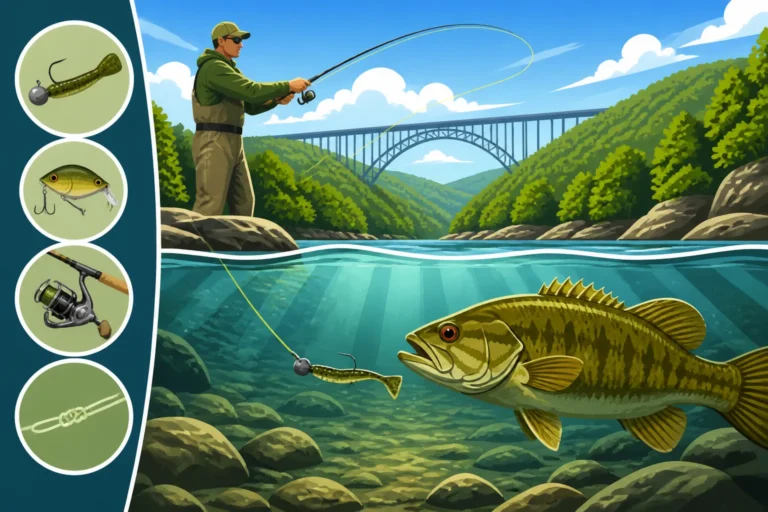
West Virginia is renowned for its fantastic smallmouth bass fishing, especially on rivers like the New River, Greenbrier, and South Branch Potomac. When these rivers swell, smallmouth will definitely change their habits. They are current-oriented fish, but even they seek refuge from overwhelming flow.
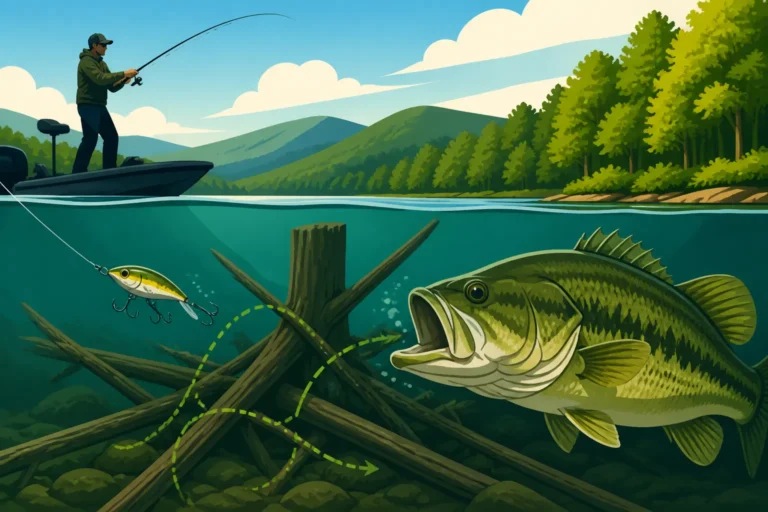
They'll often pull into eddies, behind large rocks, or into the quieter water of undercut banks and submerged log jams. The key is to get your lure into these protected zones and keep it there for a moment. Instead of their usual aggressive chase, they'll often hold tight and ambush.
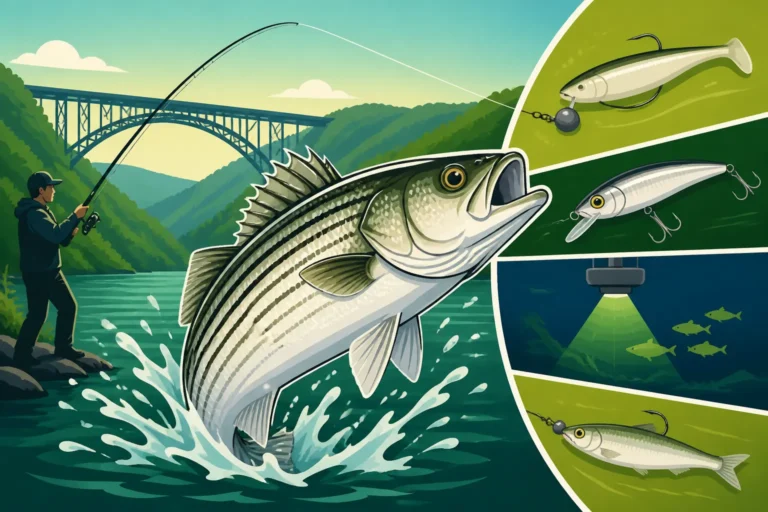
- Lure Choices: Big, noisy spinnerbaits in chartreuse or black-and-blue, chatterbaits, and medium to large crankbaits with a wide wobble are excellent choices. Dark-colored jigs with bulky trailers, like a NetBait Paca Craw or a Strike King Rage Craw, worked slowly along the bottom of current breaks, can also be deadly. These offer a significant profile and vibration that smallmouth can detect in low visibility.
- Presentation: Focus on precise casts to the edges of current breaks. Let your lure swing into the calmer water, then retrieve slowly. You're trying to replicate a dislodged crawfish or baitfish struggling in the current. Learn more about How to Catch Smallmouth Bass in West Virginia Rivers for specific techniques.
Walleye and Muskie in High Water
These two apex predators have distinct strategies for dealing with high water, but both can offer exciting opportunities for anglers willing to adapt.
-
Walleye: Often associated with clear, cooler water, walleye can still be caught in stained conditions. They tend to move to current seams, deeper holes, and areas where tributaries enter. They rely heavily on their lateral line to detect vibration and their keen sense of smell.
- Lure Choices: Scented baits like live minnows or nightcrawlers (often on a bottom-bouncing rig or jigged vertically) are excellent. Jig-and-grub combinations in bright colors (chartreuse, orange) or darker shades (purple, black) can also work. Large crankbaits with rattles, especially those mimicking shad or crawfish, trolled or cast in deeper pools, can attract attention. For a good selection, you can often browse various options on Amazon.
- Presentation: Focus on slow, deliberate presentations. Vertical jigging directly over suspected holding areas can be very effective from a boat. From shore, cast upstream and let your bait drift naturally into deeper pockets before a slow retrieve.
-
Muskie: West Virginia has some incredible muskie waters, including the Little Kanawha River and the New River. Muskie are ambush predators by nature, and high, stained water can actually benefit them by concealing their presence. They become even more focused on structure and current breaks.
- Lure Choices: Go big and go loud. Large bucktail spinners, oversized crankbaits with aggressive wobbles, and big soft plastic swimbaits in dark or bright, contrasting colors (black, purple, chartreuse, white) are top picks. Many of these lures are specialty items, and you can find a wide range of options through retailers like Amazon.
- Presentation: Target the edges of major current breaks, large laydowns, and the mouths of tributaries. Muskie will often position themselves in the calmer water adjacent to the main flow, ready to dart out and grab a passing meal. Fan cast these areas thoroughly, using a slow to medium retrieve. Sometimes a faster retrieve to trigger a reaction strike in murky water is also effective, but often a slower, more deliberate approach allows the fish to locate the massive bait. To refine your approach, consult a guide on Best Lures for Muskie Fishing in West Virginia.
Catfish and Panfish Opportunities
While species like bass and walleye can be challenging after heavy rain, catfish and panfish often become more active and accessible.
-
Catfish: Channel and flathead catfish thrive in turbulent, murky conditions. The increased runoff stirs up their food sources and creates a scent highway for them to follow.
- Lure Choices: This is prime time for natural baits. Cut bait (shad, bluegill), chicken livers, nightcrawlers, and prepared stink baits are all excellent. For flatheads, live bait (bluegill, suckers) fished on the bottom is often preferred.
- Presentation: Fish these baits on the bottom, often with a slip sinker rig, in deeper holes, around submerged structure, or along current seams. The scent trail will do most of the work for you. Catfish often move closer to the banks in high water, making them accessible to bank anglers. Check out Catfish Fishing in West Virginia for more in-depth strategies.
-
Panfish (Bluegill, Crappie, Rock Bass): While generally smaller, panfish can offer consistent action after a rain, especially if you're looking for a relaxed outing. They will seek out the calmest water they can find.
- Lure Choices: Small jigs (1/32 to 1/16 oz) tipped with a small grub or a piece of scented plastic, live worms, or crickets are very effective.
- Presentation: Focus on protected coves, backwaters, and areas very close to the bank where the current is minimal. Cast small baits under bobbers or tightline small jigs along brush piles and docks in these calmer areas.
Disclaimer
Fishing in West Virginia rivers, especially after heavy rains, carries inherent risks. This guide provides general advice and recommendations. Always exercise caution, adhere to all local and state regulations, and prioritize your personal safety. River conditions can change rapidly, and it is your responsibility to assess the safety of any fishing location. The West Virginia Division of Natural Resources is the official source for all fishing regulations and safety guidelines.