Best time to fish for crappie in spring
One of the most rewarding experiences for any angler is hitting the water in spring, hoping to fill a livewell with delicious crappie. However, many of us have faced the frustration of showing up to our favorite lake only to find the crappie either completely absent or stubbornly unwilling to bite. Understanding the precise timing and conditions that trigger West Virginia’s spring crappie bite can feel like cracking a secret code, but don't worry – this guide will unravel those mysteries, helping you consistently pinpoint the best time to fish for crappie in spring.
Understanding Crappie Behavior in West Virginia Spring
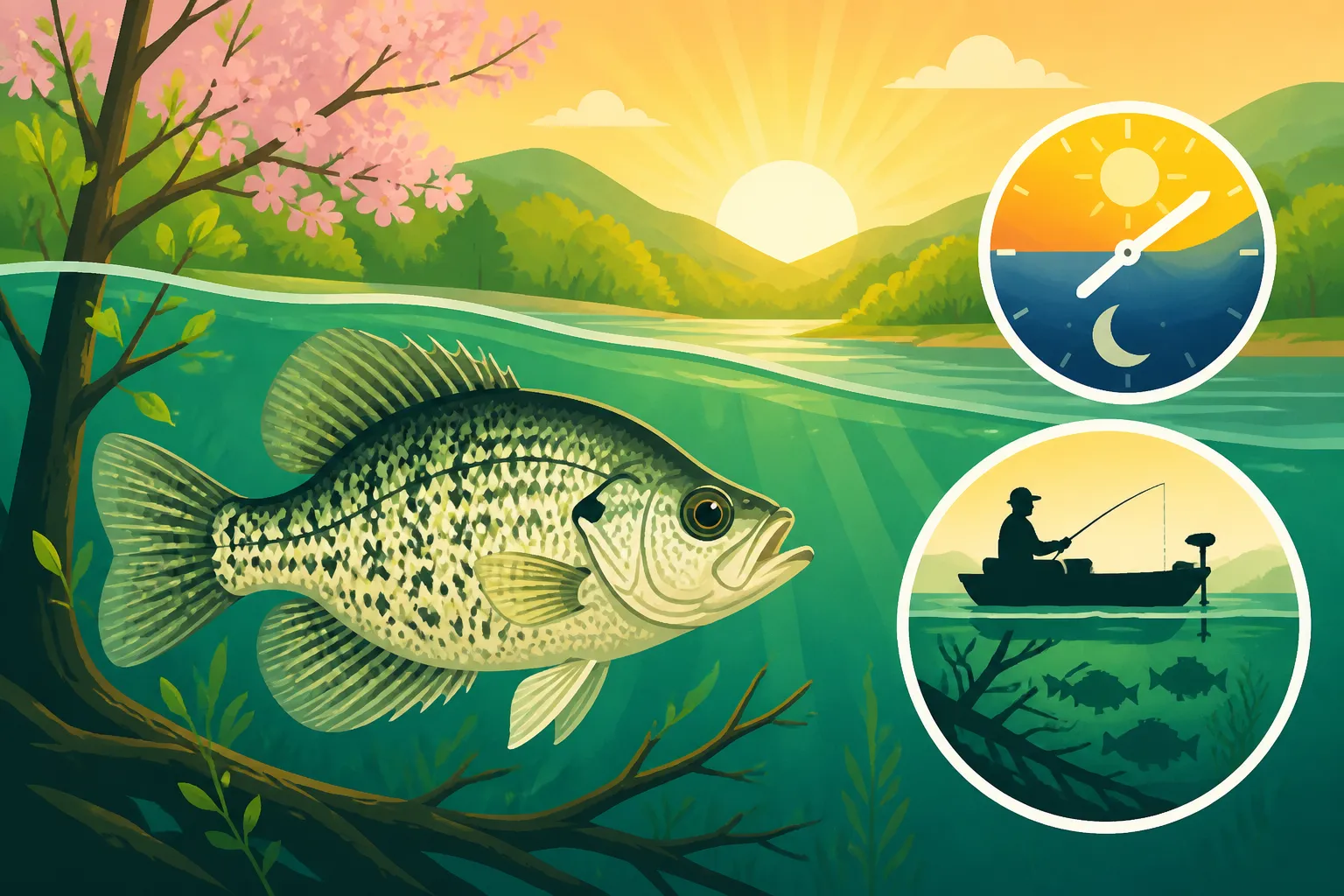
Spring is a season of profound change for crappie, driven almost entirely by water temperature. They transition from their deep winter haunts to shallower waters with a singular focus: reproduction. Knowing these stages and their temperature triggers is your biggest advantage.
Pre-Spawn Aggression and Migration
As winter’s icy grip loosens and the sun begins to warm the surface waters, crappie start to stir. This is the pre-spawn period, a crucial time where they feed heavily to build up energy for spawning. Typically, when water temperatures climb into the high 40s and low 50s Fahrenheit, crappie will begin their migration. They move from the deep main lake basins or river channels they occupied all winter and start staging in shallower areas.
You’ll find them congregating in transition zones – the edges of channels, points leading into coves, and areas with submerged timber or brush piles that offer both cover and proximity to deeper water. They aren't in the extreme shallows yet, but they're definitely moving towards them. This stage is fantastic because crappie are often aggressive, gorging themselves on baitfish and insects. It’s a prime opportunity for anglers who can intercept them along these travel routes. If you’re looking to stock up on new fishing lines or a tackle box for this period, you’ll find plenty of options on Amazon.
The Spawning Season Sweet Spot
The true "crappie bite" most anglers dream of happens during the spawn. This is when the water temperature reaches the magical range, usually between 58 and 68 degrees Fahrenheit. Within this window, crappie move into their chosen nesting sites, which are almost exclusively in very shallow water, typically 1 to 5 feet deep. They prefer areas with some kind of cover: submerged brush, fallen trees, docks, bridge pilings, or even thick aquatic vegetation like lily pad stems or cattails. Males guard the nests, and both sexes are intensely focused on the reproductive process.
While they are highly concentrated and seemingly easy targets during this phase, they can also be incredibly sensitive. A sudden cold front can drop water temperatures, sending them scurrying back to deeper water for a few days until conditions stabilize. Understanding these nuances is key to consistent success. For a broader look at annual fishing opportunities, check out our guide on West Virginia Fishing Seasons by Month.
Post-Spawn Recovery and Dispersal
After the arduous process of spawning, crappie need to recover. As water temperatures continue to rise into the high 60s and 70s, they will gradually disperse from their shallow nesting areas. Both male and female crappie will begin to move back towards slightly deeper water, often suspending over brush piles or moving to the edges of deeper channels and creek beds.
Their feeding habits can become a bit more sporadic during this time. They are no longer as aggressive as during pre-spawn, but they are still catchable. They’ll often suspend around submerged structure or transition areas, recuperating and slowly resuming their normal feeding patterns. The key here is to locate those structures in slightly deeper water where they can find comfort and security.
Prime Spring Crappie Fishing Times and Conditions
Pinpointing the absolute "best" time often comes down to a perfect storm of water temperature, weather, and time of day. West Virginia's diverse waterways, from the large impoundments like Summersville Lake to smaller state park ponds, all follow these general rules.
Ideal Water Temperatures
The golden rule for spring crappie fishing revolves around water temperature. Here’s a breakdown:
- Below 50°F (Early Spring): Crappie are deep, often in 15-30 feet of water, near channel swings or deep timber. They are sluggish but can be caught by slow vertical jigging or slowly dragging baits.
- 50-57°F (Pre-Spawn Staging): This is when crappie begin moving shallower, staging at 8-15 feet. They'll be found along channel edges, points, and near prominent submerged cover. They're actively feeding and responsive to jigs and minnows. This is an excellent time for anglers, as the fish are concentrated and hungry.
- 58-68°F (Peak Spawning): Crappie are in the shallows, 1-5 feet deep, near heavy cover like brush piles, laydowns, or vegetation. This is often when anglers find the highest numbers of fish. Be mindful of disturbing beds too much, and always practice responsible angling.
- Above 68°F (Post-Spawn): Crappie start to move back out to slightly deeper water, often suspending over brush piles or finding comfort in 6-12 feet of water. Their activity can be more spread out.
Understanding these temperature ranges is critical. Investing in a good thermometer, whether it's part of a fish finder or a simple handheld device, can be a game-changer. For those looking for suitable electronics, a wide range of Best Fish Finders for West Virginia Lakes can be found on Amazon.
Weather Patterns and Their Impact
West Virginia spring weather can be notoriously fickle, and crappie are highly sensitive to these changes.
- Stable Warm Weather (Sunny, Light Breeze): This is what you pray for during the spawn. Stable temperatures allow crappie to move into and stay in the shallows. Sunny days often warm the dark bottoms of coves, drawing crappie in. A light breeze can create a surface chop, which helps break up light penetration and makes crappie feel more secure, encouraging them to bite.
- Cold Fronts (Sudden Temperature Drop, High Pressure): These are the crappie angler's nemesis. A sharp drop in air temperature, especially after a period of warmth, can send crappie scrambling back to deeper water, often making them lockjaw. It can take a few days for them to readjust. During a cold front, target deeper cover adjacent to spawning flats, and present baits very slowly.
- Overcast Days: Cloudy days are often excellent for crappie fishing, particularly during the pre-spawn and spawn. The reduced light penetration makes crappie less wary and more likely to roam from heavy cover, increasing your chances of finding them. They might even feed more aggressively throughout the day instead of just during prime morning and evening hours.
Best Time of Day for Crappie in Spring
While crappie can be caught at any time of day in spring, certain periods tend to be more productive.
- Morning (Dawn to Mid-Morning): As the sun rises and starts to warm the shallow waters, crappie often become very active. This is especially true during pre-spawn and spawning periods. They’ll move out from heavier cover to feed more openly.
- Late Afternoon to Evening (Late Afternoon to Dusk): Similar to mornings, as the sun begins to set, the light intensity lessens, and crappie can become more aggressive. The warmth of the day has also fully permeated the shallower areas, encouraging activity.
- Midday (During Overcast Conditions): On heavily overcast or rainy days, crappie might bite consistently throughout the day, as the light conditions remain favorable. On bright, sunny days, however, midday can be tougher, as crappie often retreat into the densest cover.
Top Techniques for Spring Crappie Success in West Virginia
Knowing when to fish is only half the battle; knowing how and where to fish is just as crucial. From the Kanawha River system to the quieter waters, these techniques will help.
Locating Spring Crappie Hotspots
Finding the crappie is paramount, and it often comes down to identifying key types of structure and cover.
- Woody Cover: Crappie absolutely love wood. Submerged trees, brush piles, fallen logs, and even old docks or bridge pilings are magnets for these fish. In many West Virginia lakes, particularly those managed by the Department of Natural Resources, artificial brush piles are often sunk to enhance fish habitat. Look for these near old creek channels or points. Places like Burnsville Lake Crappie Fishing Spots are renowned for their crappie populations, often associated with such cover.
- Vegetation: Shallow areas with dying or emerging aquatic vegetation provide both cover and food sources. Lily pad fields, cattails, and even submerged grass beds are excellent places to target. These spots tend to warm up quickly, drawing in baitfish and crappie alike.
- Shallow Flats and Spawning Pockets: Target quiet, protected coves and shallow flats that receive a lot of sunlight. These areas will warm up first and provide the calm conditions crappie prefer for nesting. The backs of coves, especially those with muddy or dark bottoms, are prime locations. For more ideas on where to cast your line, consider our guide on the Best Fishing Lakes in West Virginia.
Best Baits and Lures for Spring Crappie
Crappie are not usually picky eaters, especially when they're actively feeding.
- Live Minnows: You simply can't beat live minnows for spring crappie. Fished under a bobber or on a small jig head, they're irresistible. Shiners or fathead minnows are common choices. A simple hook through the lip or back will keep them lively.
- Small Jigs (Soft Plastics): Jigs are incredibly versatile. Small soft plastic bodies in various colors (chartreuse, white, pink, black/chartreuse, or blue/pearl) fished on a 1/32 to 1/8 ounce jig head are deadly. Different colors work on different days, so experiment! Often, the Best Jig Weight for Crappie at Burnsville Lake will depend on depth and current.
- Tiny Crankbaits: In some situations, especially for active pre-spawn crappie, tiny crankbaits can be very effective. Look for models that dive to the depth where you're finding fish. A slow, steady retrieve or a stop-and-go retrieve can entice strikes.
- Tube Jigs and Hair Jigs: These are traditional crappie baits that continue to produce. Small tube jigs offer a subtle profile, while hair jigs provide a natural swimming action that can trigger bites from even finicky crappie.
Effective Presentation Methods
The way you present your bait is just as important as the bait itself.
- Vertical Jigging: When crappie are tightly schooled around brush piles or suspended beneath docks, vertical jigging is incredibly effective. Drop your bait directly over the fish, let it settle, and then impart small, subtle twitches. A good fish finder will make this technique even more precise. This is a core part of Jigging for Crappie in West Virginia Lakes.
- Casting and Retrieving: For crappie scattered along shorelines or across flats, casting small jigs or minnows is the way to go. A slow, steady retrieve with occasional pauses is often best. Fan cast to cover a wide area until you locate a school.
- Spider Rigging/Slow Trolling: If you're fishing from a boat, spider rigging (using multiple rods with baits at various depths and distances) or slow trolling can be very efficient for covering water and locating crappie. This is especially effective during pre-spawn when crappie are migrating along channels. For specific gear, many anglers find high-quality rod holders essential on Amazon.
- Slip Bobber Fishing: When crappie are holding at a specific depth, a slip bobber setup allows you to present a bait precisely at that depth without having to constantly adjust your line. This is fantastic for fishing around submerged cover.
| Crappie Spring Stage | Water Temp Range | Primary Location | Key Behavior | Recommended Technique |
|---|---|---|---|---|
| Early Pre-Spawn | 48-55°F | Deeper Channels, Staging Areas (8-15 ft) | Actively Feeding, Migrating | Slow Trolling, Vertical Jigging, Cast & Retrieve (deeper) |
| Peak Pre-Spawn | 55-58°F | Staging Areas, Edges of Spawning Flats (5-10 ft) | Aggressive Feeding, Highly Concentrated | Casting Jigs/Minnows, Vertical Jigging Cover |
| Spawning Season | 58-68°F | Shallow Cover (1-5 ft), Protected Coves | Nesting, Guarding Eggs, Sensitive to Cold Fronts | Slip Bobber w/Minnows, Sight Fishing Jigs |
| Post-Spawn Recovery | 68°F+ | Slightly Deeper Cover, Open Water Suspended (6-12 ft) | Dispersing, Recovering, More Sporadic Feeding | Vertical Jigging Structure, Slow Trolling |
Gear Recommendations for Spring Crappie Anglers
Having the right equipment can make a huge difference in your success and enjoyment. You don't need to break the bank, but reliable gear helps.
Rod and Reel Setups
For crappie, finesse is often the name of the game.
- Light to Ultralight Spinning Rods: A good 5'6" to 7' ultralight or light action spinning rod is ideal. It allows for delicate presentations, makes even small crappie feel like trophies, and prevents tearing hooks out of their papery mouths. You'll find a wide selection of Best Ultralight Rod for Panfish online.
- Small Spinning Reels: Pair your ultralight rod with a small spinning reel, typically a 1000 or 2000 series. These reels are lightweight and provide smooth drag, which is crucial for fighting crappie on light line.
- Line Choice: 4-6 pound test monofilament or fluorocarbon line is usually sufficient. Monofilament offers a bit more stretch, which can be forgiving, while fluorocarbon is nearly invisible underwater and has less stretch for better sensitivity. Braided line can also be used, especially in heavier cover, with a fluorocarbon leader for stealth.
Essential Terminal Tackle
Don't overlook the small but vital components of your rig.
- Jig Heads: Keep a variety of jig heads in 1/32, 1/16, and 1/8 ounce sizes. Lead-head jigs are standard, but consider some with painted heads to match your soft plastics.
- Hooks: For live minnows, small Aberdeen hooks (sizes 4-8) are excellent. Their thin wire bends out if snagged, preventing line breaks.
- Bobbers: Both fixed and slip bobbers are essential. Fixed bobbers are great for very shallow water, while slip bobbers are indispensable for presenting baits at precise depths in deeper water.
- Split Shot Weights: Have a selection of small split shot weights on hand to add to your line when you need to get your bait down faster or to keep your bobber standing upright.
- Swivels: Small barrel or snap swivels can prevent line twist, especially when using minnows or small crankbaits that spin.
Helpful Accessories
These items might not be strictly necessary, but they can significantly enhance your crappie fishing experience.
- Landing Net: A small, fine-mesh landing net is invaluable for safely landing crappie, especially if you plan to practice catch and release or need to handle a big slab. It minimizes stress on the fish and prevents lost catches at the boat.
- Livewell or Cooler: If you're planning to keep your catch, a good livewell or a cooler with ice will keep your crappie fresh throughout the day.
- Pliers/Forceps: Essential for removing hooks, especially from fish that have swallowed the bait. Longer forceps are great for reaching deep-set hooks. Many multi-tools available on Amazon include useful fishing pliers.
- Sunscreen and Hat: West Virginia spring can deliver intense sun, even on cooler days. Protect yourself from UV rays.
Successfully fishing for crappie in West Virginia's spring requires a blend of knowledge, patience, and the right approach. By understanding their seasonal movements, paying attention to water temperatures and weather, and using the right techniques and gear, you’ll be well on your way to enjoying some fantastic crappie fishing this spring. Happy angling!
Disclaimer
The information provided in this guide is for general informational purposes only. Fishing regulations in West Virginia can change. Always consult the latest West Virginia Department of Natural Resources (WVDNR) fishing regulations summary before heading out, as rules for specific species, waters, and seasons may vary.