How to Fish a Tailwater in West Virginia
Trying to navigate the unique challenges of West Virginia's tailwaters can feel like a guessing game sometimes. One minute you've got perfect wading conditions, the next the water's roaring, making it tough to know where to stand, what to throw, or even if it's safe to be out there. This guide is here to demystify tailwater fishing in the Mountain State, offering practical advice and techniques to help you consistently catch fish, no matter what the river throws at you.
Understanding West Virginia Tailwaters
West Virginia is blessed with some incredible fishing, and its tailwaters are a special category all their own. These are the sections of river directly below large dams, where the water flow is regulated by releases from the reservoir. This creates a really distinct environment that can be incredibly productive, but also demands a different approach than your average freestone stream.
Defining a Tailwater Environment
What exactly makes a tailwater so unique? Well, it all comes down to those dam releases. The water often comes from the bottom of the reservoir, meaning it's consistently colder than a natural river would be, especially in summer. This cold, oxygen-rich water creates prime habitat for cold-water species like trout, even far downstream into areas that would otherwise be too warm. Think about the legendary Elk River tailwater below Sutton Dam – it's a prime example. You wouldn't expect such a robust trout population in that region without the influence of the dam's cold water. The flow is also controlled, meaning the river can go from a gentle wadeable stream to a raging torrent in a matter of hours, presenting a dynamic and often unpredictable challenge for anglers.
Common Fish Species in West Virginia Tailwaters
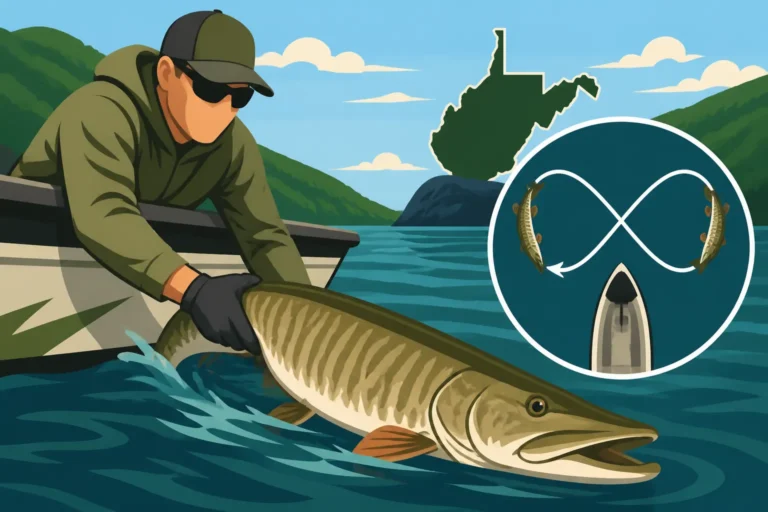
While trout are often the stars of the show in West Virginia's cold-water tailwaters, they're certainly not the only game in town. Depending on the specific dam and the reservoir above it, you might find a surprising diversity of species. In many of the colder tailwaters, you'll primarily be targeting rainbow trout, brown trout, and sometimes even brook trout, especially in higher elevation areas or where tributary streams feed in. The West Virginia DNR does an excellent job of stocking these waters, making them fantastic destinations for anglers. But it's not just about trout. In tailwaters like those below Bluestone Dam on the New River, while there might be some cold-water influences, the primary target often shifts to hardy smallmouth bass, particularly the larger, river-dwelling varieties that thrive in the rich oxygenated flows. You might also encounter species like walleye, sauger, various panfish, and even muskie in some of the larger, warmer tailwater sections further downstream from the coldest releases. Knowing what species you're likely to encounter helps tailor your gear and approach.
Seasonal Variations and Their Impact
Just like any other fishery, West Virginia's tailwaters experience seasonal changes, but with an added twist: the dam's operation. In spring, when snowmelt is heavy and reservoirs are filling, dam releases can be frequent and high, leading to fast, cold water. This often means fish are holding tight to structure and feeding opportunistically. Summer can see more consistent, but still cold, releases, which keeps the trout active even when other streams are too warm. Fall often brings some of the most stable flows, making for excellent wading and fishing, especially as trout become more aggressive with dropping temperatures. Winter can see minimal releases, making for low, clear water conditions that require a stealthier approach, or short periods of high water when generation for power is needed. Understanding these macro-seasonal patterns, combined with checking specific dam generation schedules, is key to success. For instance, knowing the typical West Virginia Trout Season and Stocking Rules can help you plan your spring and fall trips around peak stocking times.
Reading the Water: Identifying Key Holding Spots
Successfully fishing a West Virginia tailwater boils down to one critical skill: reading the water. Unlike stillwater fishing, the constant flow of a river, especially a tailwater with its varying currents, creates a dynamic environment where fish position themselves strategically to conserve energy and ambush food. Learning to identify these key holding and feeding lies will dramatically increase your catch rate.
Current Seams and Eddies
Current seams are your best friend on a tailwater. Imagine a distinct line where fast water meets slower water. This could be where the main current brushes against a slower bank, behind a large boulder, or at the confluence of two different flows. Fish, especially trout, love these seams because they offer a perfect balance: the fast water brings a conveyor belt of food, while the slower water allows them to rest and expend less energy. Your goal is to cast your fly or lure into the faster water upstream of the seam and let it drift naturally into the slower water, or directly along the seam itself. Eddies, which are pockets of slower or even reverse-flowing water, often form directly downstream of obstructions like large rocks, logs, or points of land. These are prime resting areas for fish, and they'll often dart out into the main current to grab food that's swept past. Don't overlook the "soft water" directly on the edge of a strong current – it's a goldmine for wary fish.
Riffles, Runs, and Pools
Tailwaters, like freestone streams, are made up of a combination of riffles, runs, and pools, each offering different opportunities.
- Riffles: These are shallow, fast-moving sections where the water tumbles over rocks, creating oxygenation and dislodging insects. Fish will often hold in the slightly deeper pockets within or directly downstream of riffles, waiting for food. This is an excellent place for nymphing or drifting small baits.
- Runs: Deeper, more consistent flowing sections of river, runs are often the most productive water. They provide a steady supply of food and cover. Fish will spread out in runs, so systematic covering of the water is important. Drifting nymphs, swinging streamers, or even float fishing can be very effective here.
- Pools: Deeper, slower-moving sections of the river, pools are where fish often congregate and rest, especially during periods of low flow or harsh conditions. The heads of pools (where the faster water enters) and the tails of pools (where the water exits into a faster run) are particularly productive. These areas can hold larger, more wary fish, so a stealthy approach is vital. During high water, pools can offer refuge from strong currents, and fish will often concentrate in the deeper, calmer sections.
Submerged Structure and Cover
Any deviation from a uniform river bottom or bank offers potential cover and a holding spot for fish. This includes submerged boulders, logjams, undercut banks, root wads, and even subtle changes in bottom composition. Fish use these structures for protection from predators, shelter from strong currents, and as ambush points for feeding. When you're fishing a tailwater, always be on the lookout for these hidden gems. A large submerged rock might create a perfect current break behind it; an undercut bank offers an overhead hiding spot where a big brown trout might be lurking. Learning how to properly present your fly or lure to these structures without getting hung up is a skill that takes time, but it pays off immensely. Sometimes, these structures are only visible during low water, so make mental notes (or even use GPS waypoints) when conditions allow for better scouting.
Essential Gear for Tailwater Success
Having the right gear for West Virginia's tailwaters can make all the difference between a frustrating day and a fantastic one. Because these rivers are so dynamic, you'll need versatile equipment that can handle everything from delicate nymph presentations to heavy streamer retrieves, and keep you safe and comfortable in changing conditions.
Rod and Reel Selection
For most tailwater situations, a 9-foot fly rod in a 5 or 6-weight is incredibly versatile. This length provides excellent line control for nymphing, helps with longer casts, and offers enough backbone to handle larger trout and even some unexpected smallmouth bass. If you're primarily focused on smaller streams or delicate dry fly work, a 3 or 4-weight might be better. For dedicated streamer fishing or larger fish like muskie, you'll want to step up to a 7 or 8-weight rod.
If spin fishing is your preference, a 6.5 to 7.5-foot medium-light to medium power spinning rod is ideal. This range gives you the sensitivity for lighter baits and the strength to cast heavier lures and fight strong fish in current. Pair it with a reliable spinning reel in the 2000-3000 size range, spooled with 6-10lb test line. You can find excellent options for both fly and spin setups on platforms like Amazon, offering a wide range of brands and price points.
Line, Leaders, and Tippet
Your choice of line, leader, and tippet is critical for effective presentation and successful hookups.
- Fly Fishing: For general-purpose fly fishing, a weight-forward floating line is a good starting point. You'll often use a tapered leader, typically 7.5 to 9 feet long, ending with a tippet section. The tippet material and size (e.g., 4X, 5X, 6X) will depend on water clarity, current speed, and the size of the flies you're using. For nymphing, you might also consider a dedicated nymphing line or a specialized leader setup for Euro nymphing techniques, which can be found from various reputable brands.
- Spin Fishing: Monofilament, fluorocarbon, or braided line all have their place. Monofilament offers good knot strength and stretch, useful for shock absorption. Fluorocarbon is nearly invisible underwater and has excellent abrasion resistance, making it great for clear tailwaters. Braided line offers superior sensitivity and casting distance, but typically requires a fluorocarbon or monofilament leader for stealth. Always use a leader, especially in clear tailwaters, as it can be the difference between a bite and a refusal.
Waders, Boots, and Safety Gear
Staying dry, comfortable, and safe is paramount when fishing tailwaters. The changing water levels and strong currents demand it.
- Waders: Breathable chest waders are essential for most of the year. They allow you to wade deeper and provide insulation. Brands like Simms, Orvis, and Redington offer durable options. During warmer months, you might get away with wading pants, but chest waders offer more flexibility.
- Wading Boots: Paired with your waders, sturdy wading boots with good ankle support are non-negotiable. Felt soles offer excellent grip on slippery rocks, but some areas or states restrict their use due to invasive species concerns. Rubber soles with studs provide a great alternative and are often preferred for their versatility. Always check local regulations regarding felt soles. You can find a wide selection of Best Waders for West Virginia Trout Streams and boots on Amazon.
- Safety Gear: A wading staff is a crucial piece of safety equipment, especially in strong currents or unfamiliar water. It provides an extra point of contact and helps you gauge depth and stability. A personal flotation device (PFD) is highly recommended, even for experienced waders, particularly when water levels are high or you're crossing deep, swift sections. Always let someone know where you're going and when you expect to return. Consider carrying a small first-aid kit, a whistle, and a means of communication.
Effective Techniques for Different Species
Tailwater fishing often demands a versatile skillset, as fish behavior can change rapidly with water conditions. Mastering a few key techniques will equip you to handle whatever West Virginia's dam-controlled rivers throw at you.
Nymphing Strategies
Nymphing is arguably the most consistently effective technique for trout in West Virginia's tailwaters, as trout feed primarily on aquatic insects drifting subsurface.
- Indicator Nymphing: This is a classic method where you suspend one or more nymphs under a strike indicator (a fancy bobber, essentially). The indicator helps you detect subtle takes and controls the depth of your drift. It's incredibly versatile and effective in varied conditions. The key is to get a drag-free drift, allowing your nymphs to tumble naturally along the bottom. Adjust your weight and indicator position to match the depth and speed of the current.
- Euro Nymphing: A more advanced, but incredibly deadly technique, Euro nymphing involves using a long, light rod, specialized leader, and no strike indicator. The angler uses the colored sighter section of the leader to detect strikes and maintains direct contact with the nymphs. This method excels at detecting the most subtle takes and controlling the drift in complex currents. It's especially potent in faster, shallower riffles and runs. You'll want to choose specific Fly Patterns for West Virginia Trout Streams that imitate local aquatic insects.
Streamer Fishing for Bigger Fish
If you're looking for bigger, more aggressive fish – particularly brown trout or smallmouth bass – streamer fishing is where it's at. Streamers imitate baitfish, sculpins, or leeches, and a well-presented streamer can trigger a predatory strike that's hard to beat.
- Technique: Cast your streamer across or downstream and then strip it back erratically, mimicking a fleeing baitfish. Vary your retrieve speed and depth until you find what the fish are reacting to. In faster water, a heavier, weighted streamer might be necessary to get down to where the fish are holding. For species like muskie in the lower tailwater sections, supersized streamers or even bucktails are often used. This can be a physically demanding technique, but the rewards are often substantial.
Dry Fly Opportunities
While tailwaters can sometimes be challenging for consistent dry fly action due to the cold, uniform water temperatures, opportunities definitely arise, especially during prolific hatches or in calmer water sections.
- Hatches: Keep an eye out for aquatic insect hatches like Sulphurs, Caddis, or Tricos, particularly during warmer parts of the day or in the late evening. When fish are rising consistently, presenting a matching dry fly with a delicate, drag-free drift can be incredibly rewarding.
- Terrestrials: In summer and fall, terrestrials like grasshoppers, beetles, and ants falling into the water can be a significant food source. Fishing attractor patterns or realistic imitations near grassy banks or overhanging vegetation can produce explosive strikes. Remember, presentation is key – a sloppy cast will often spook wary tailwater trout. For more dedicated Fly Fishing for Trout in West Virginia, understanding these patterns is crucial.
Spin Fishing and Bait Tactics
Don't think that fly fishing has a monopoly on tailwater success. Spin fishing and bait tactics can be incredibly effective, especially for beginners or when fish are less selective.
- Spin Fishing: Small spinners (like Panther Martins or Mepps), spoons (such as Little Cleos or Kastmasters), and soft plastic jigs (rigged with a small grub or worm imitation) are all highly productive. Cast upstream and retrieve at a speed that allows the lure to tumble naturally, or cast across and swing it through current seams. Jerkbaits and crankbaits can also be very effective for aggressive trout or smallmouth bass, especially in warmer periods.
- Bait Fishing: When regulations allow, live bait like worms, minnows, or scented baits like PowerBait can be deadly. Drift these baits naturally along the bottom using a small weight or float them under a bobber. This is often an excellent technique for freshly stocked trout. However, be mindful of specific regulations, as some special regulation waters in West Virginia are strictly artificial lures or fly-fishing only. Always check the West Virginia Fishing Regulations Explained for your chosen section of river.
Navigating Water Level Changes and Generation Schedules
The defining characteristic of a tailwater fishery is its dependence on dam operations. Ignoring these factors can lead to a frustrating day, or worse, put you in a dangerous situation. Learning to anticipate and adapt to changes in water levels is paramount for safe and successful fishing.
Understanding Generation Schedules
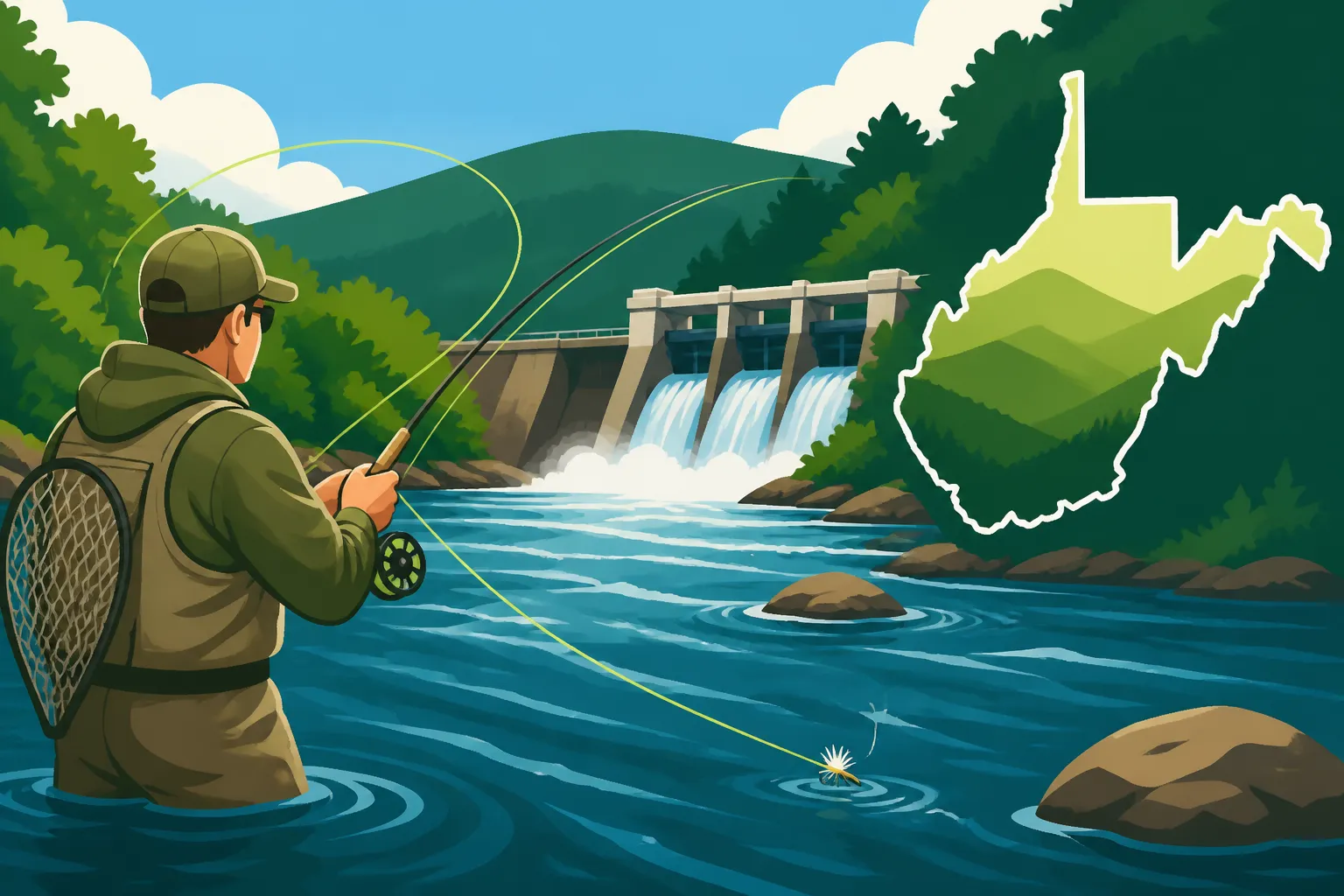
Most dams that create tailwaters are hydroelectric facilities, meaning they generate electricity by releasing water through turbines. These releases are often scheduled and can fluctuate dramatically throughout the day. The good news is that many dam operators, especially the U.S. Army Corps of Engineers, publish their generation schedules online or via phone hotlines. For example, knowing the How to fish a tailwater release schedule on the Elk River is vital for planning a trip there. Always check these schedules before heading out, and even while you're on the water, be aware of rising water. Water can rise quickly and powerfully, making previously wadeable areas impassable and creating dangerous currents. It's not uncommon for a tailwater to rise several feet in an hour or two once generation begins.
Adapting Tactics to High Water
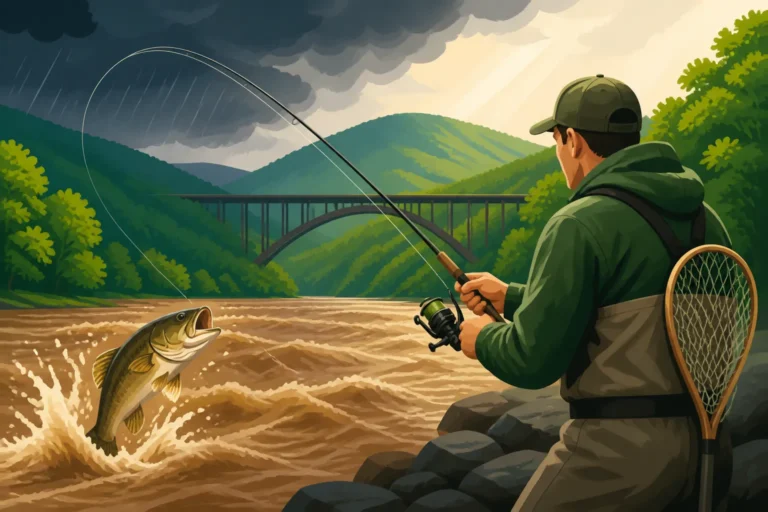
When the water is high and fast, fish often move out of the main current and seek refuge in slower pockets of water, eddies, and behind large obstructions.
- Seek out current breaks: Focus your efforts on the edges of the main current, behind large boulders, in side channels, or in flooded backwater areas. These spots offer respite from the current and still provide access to drifting food.
- Use heavier gear: You'll need more weight to get your flies or lures down to the fish in strong currents. This means heavier split shot for nymphing, larger and heavier streamers, or heavier spin fishing lures that can cut through the water.
- Target the banks: Fish often hug the banks during high water, finding slower currents and submerged vegetation or structure for cover. Short, accurate casts close to the bank can be very effective.
- Safety First: High water significantly increases the danger. Do not wade in strong currents if you are unsure of the depth or bottom. Consider bank fishing, or if you're in a boat, be extremely cautious and use appropriate safety gear like a PFD.
Fishing Low Water Conditions
Conversely, low water conditions present their own set of challenges and opportunities. When releases are minimal, the water can be very clear and shallow, making fish much warier.
- Stealth is Key: Long leaders and tippets, lighter line, and a quiet, stealthy approach are essential. Fish are more easily spooked in clear, low water. Wading carefully and making accurate casts from a distance will increase your success.
- Target deeper pools and runs: Fish will often concentrate in the deeper sections of pools and runs, as these offer more cover and stable temperatures. Don't overlook undercut banks and submerged logs that provide vital hiding spots.
- Downsize your offerings: Smaller flies, lighter nymphs, and more subtle lures are often more effective when fish are pressured and the water is clear. Consider using natural-looking colors and presentations.
- Focus on the edges: Even in low water, fish will hold in current seams and subtle depressions that offer a slight advantage. The edges of the main current, even if slow, can still hold fish. Knowing Best techniques for low clear water conditions can make all the difference.
Safety First: Wading and Boating in Tailwaters
The dynamic nature of West Virginia's tailwaters means that safety should always be your top priority. Sudden changes in water levels and strong currents demand respect and careful planning, whether you're wading or fishing from a boat.
Wading Safety in Strong Currents
Wading in a tailwater, especially one with strong and unpredictable currents, is not for the faint of heart, or the unprepared.
- Always use a wading staff: This is non-negotiable. A sturdy wading staff provides critical balance and helps you probe the depth and stability of the bottom before you commit your weight. It can literally save you from a fall.
- Wear a PFD: A personal flotation device should be worn when wading in fast, deep water. Even if you're an excellent swimmer, a fall in swift current with heavy waders can be disorienting and dangerous.
- Know your limits: Never wade into water that's too deep or too fast for your comfort and skill level. If the current feels too strong, or the water is above your knees in a fast section, it's probably best to find another spot or stick to the bank.
- Shuffle your feet: When moving, shuffle your feet rather than lifting them high. This helps maintain balance and reduces the risk of stumbling over unseen rocks.
- Face upstream: Whenever possible, wade facing upstream. This allows you to brace against the current and see potential hazards.
- Be aware of rising water: As mentioned, water levels can rise rapidly. Always be vigilant for increasing current speed or rising water levels, and have an exit plan in mind. If you notice the water coming up, get to safety immediately.
Boating Considerations
For those who prefer to fish from a boat, tailwaters offer fantastic opportunities, but also require careful navigation and adherence to safety protocols.
- Drift Boats and Kayaks: Smaller, maneuverable crafts like drift boats or specialized fishing kayaks are ideal for many tailwaters. They allow you to cover more water and access areas that are difficult or impossible to wade. If you're using a drift boat, be sure you're proficient in rowing in current. For kayaks, a stable, sit-on-top model designed for fishing is usually best. Many anglers prefer a Best Drift Boats for West Virginia Rivers or a Best Kayak for the New River when navigating these challenging waters.
- Motorized Boats: Larger, motorized boats can be used in some of the wider, deeper tailwater sections, but you still need to be aware of fluctuating water levels, submerged hazards, and current speed. Outboard jets are often preferred for their ability to navigate shallower water and rocky sections.
- Required Safety Equipment: Always ensure your boat is equipped with all required safety gear, including enough PFDs for everyone on board, throwable flotation devices, an anchor, navigation lights (if operating at dawn/dusk/night), a sound-producing device, and a fire extinguisher. West Virginia Boating Laws for Anglers outlines all the specifics.
- Anchor Systems: A reliable anchor system is crucial for holding position in current, especially if you're fishing a specific seam or structure. Drift boat anglers often use a rope and pulley system that allows them to raise and lower their anchor from either end of the boat.
Weather Awareness and Emergency Preparedness
Beyond the immediate hazards of water flow, general weather conditions can also pose risks.
- Check the Forecast: Always check the weather forecast before heading out. Sudden thunderstorms can bring dangerous lightning and flash flooding to tributaries, affecting water clarity and levels downstream. Cold snaps can make hypothermia a serious risk, even in mild-looking conditions.
- Dress in Layers: Dress in moisture-wicking layers, even in summer, as cold water can quickly drop your body temperature. A good quality rain jacket and pants are essential, as West Virginia weather can change in an instant.
- Emergency Kit: Carry a waterproof bag with essential emergency items: a first-aid kit, extra layers of clothing, high-energy snacks, water, a fully charged cell phone (in a waterproof case), a map or GPS, and a multi-tool.
- Inform Someone: Always let a trusted friend or family member know your float plan or fishing location and your expected return time. This simple step can be a lifesaver if an unexpected emergency occurs.
Disclaimer
Please be aware that fishing regulations, water levels, and dam generation schedules can change without notice. Always consult the latest West Virginia Division of Natural Resources fishing regulations summary and check dam release schedules directly from the operating authority (e.g., U.S. Army Corps of Engineers) before planning your trip. Fishing in tailwaters can be inherently dangerous due to strong currents and fluctuating water levels; always prioritize safety.