Topwater Fishing for Smallmouth Bass in West Virginia
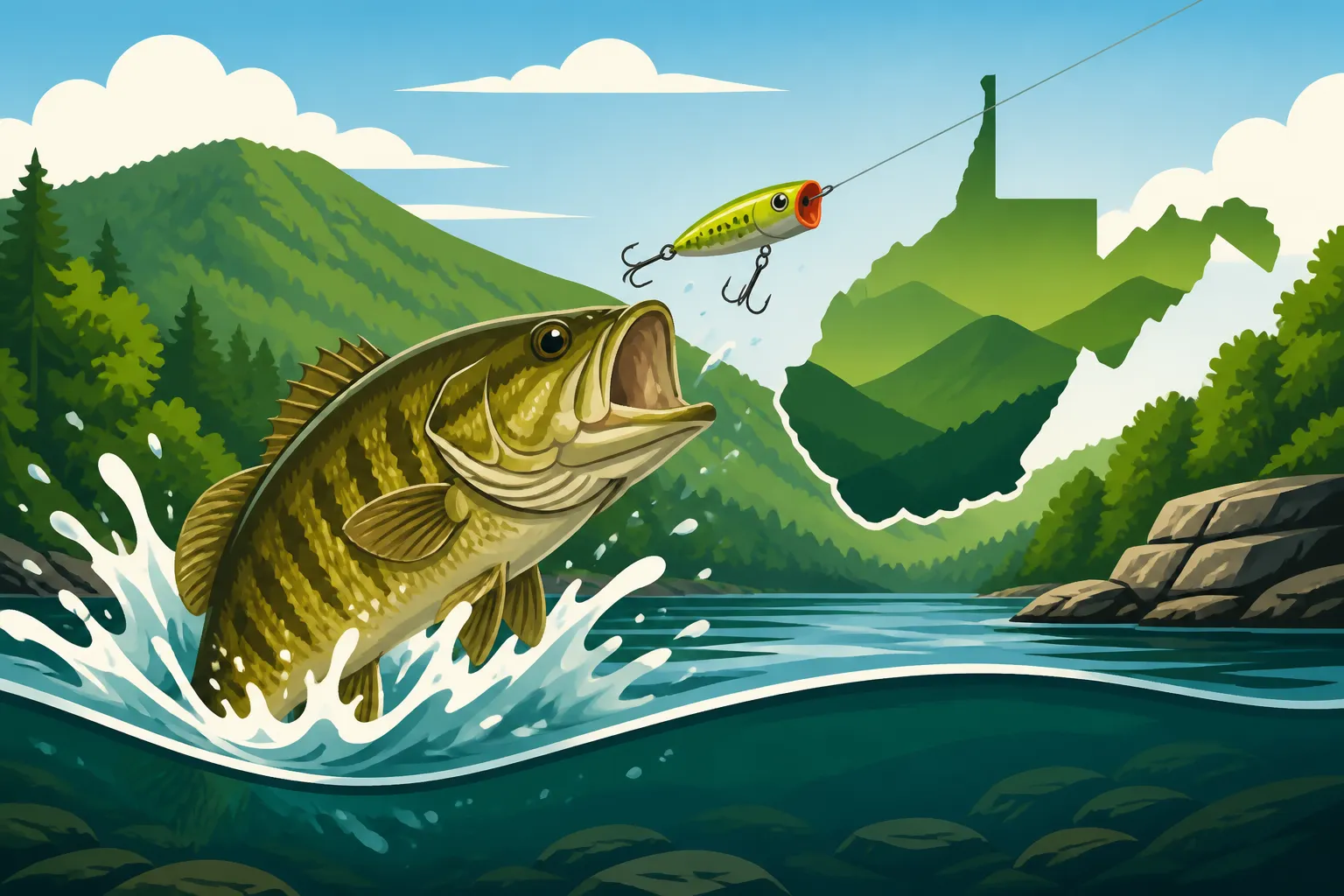
There's nothing quite like the heart-stopping explosion of a smallmouth bass annihilating a topwater lure. It's an experience that gets the adrenaline pumping like no other, but let's be honest, getting those bronze beauties to commit to a surface strike in West Virginia's diverse waters can feel like a secret code you're just not cracking. If you've ever felt the frustration of casting a perfectly presented popper only to have a smallmouth follow it right to the boat, this guide is for you. We're diving deep into the nuances of topwater fishing for smallmouth bass in West Virginia, from understanding their behavior to mastering the retrieve, so you can turn those frustrating follows into unforgettable hooksets.
Why Topwater for West Virginia Smallmouth?
For many anglers, the surface strike is the holy grail of fishing. There’s a primal excitement about seeing a fish erupt from the water, chasing down your lure. When it comes to smallmouth bass in the Mountain State, topwater action isn't just thrilling, it's often incredibly effective, especially when conditions align. It taps into their predatory instincts in a way few other presentations can.
The Thrill and Visual Appeal
Let's face it: topwater fishing is just plain fun. You're not relying on subtle bites or line twitches; you're watching the whole show unfold before your eyes. Picture this: you've cast a Heddon Zara Spook near a submerged log in the New River, giving it that classic "walk-the-dog" retrieve. Suddenly, the water boils, a flash of bronze, and your rod is nearly ripped from your hands. That visual component, the anticipation as the lure dances across the surface, and the explosive strike—it's addictive. This isn't just about catching fish; it's about the experience, the adrenaline rush that stays with you long after the fight is over. It's a truly interactive way to fish, offering constant engagement and unexpected thrills around every bend.
The visual nature also helps you understand the bite better. You can see how the fish approaches, whether it’s aggressive or hesitant, and even observe if it’s missing the lure entirely. This feedback loop allows you to adjust your retrieve, pause duration, or lure choice almost instantly, something that’s much harder to do with subsurface presentations. It makes the learning process more intuitive and rewarding, transforming each cast into a potential dramatic encounter.
When Smallmouth Bass Look Up
Smallmouth bass are opportunistic predators, and they'll often look upwards for an easy meal, especially during certain times of the day or year. Think about insects falling onto the water, small baitfish scurrying on the surface, or even a frog trying to swim across a pool. When these natural food sources are active on top, smallmouth are conditioned to feed there. This makes topwater presentations incredibly natural and effective. Understanding when they're prone to feeding on the surface is key to unlocking this technique's full potential.
Generally, low-light conditions, like dawn and dusk, are prime times. The reduced light gives bass a predatory advantage, making them feel more secure hunting in the open water closer to the surface. Overcast days, especially those with a light drizzle, can also extend the topwater bite throughout the day. Water temperature plays a crucial role too; once water temperatures are consistently in the mid-50s Fahrenheit and climbing into the 60s and 70s, smallmouth become much more active and willing to chase surface baits. During the heat of summer, early mornings and late evenings are almost exclusively when you'll find them willing to rise.
The Advantage in Specific Conditions
Topwater lures truly shine in certain West Virginia fishing scenarios. When the water is clear, and fish might be spooky, a properly presented topwater bait can draw them out of cover without alerting them to your presence below the surface. Over shallow flats, around submerged logs, rock gardens, and along current seams, topwater lures create enough disturbance to attract attention without getting hung up in the structure below. This makes them ideal for navigating the diverse river environments we have, like those found in the New River Gorge.
Furthermore, in heavily pressured waters, smallmouth can become wary of traditional subsurface baits. A topwater presentation offers something different, often triggering a reaction strike from fish that might ignore jigs or crankbaits. The loud commotion of a chugger or the frantic splashing of a prop bait can be an irresistible trigger for a territorial smallmouth, especially when they're defending a spawning bed or a prime feeding lie. It’s an aggressive presentation that often elicits an equally aggressive response, which is exactly what we’re looking for in a trophy smallmouth.
Understanding West Virginia Smallmouth Bass Behavior
To consistently fool smallmouth with topwater lures, you need to think like a smallmouth. Understanding their seasonal patterns, preferred habitats, and how they react to water conditions is fundamental. West Virginia's rivers and lakes are dynamic, and smallmouth behavior can shift dramatically from one day to the next.
Seasonal Movements and Feeding Patterns
Smallmouth bass are incredibly attuned to the seasons, and their movements and feeding behaviors change accordingly. In spring, as water temperatures rise into the 50s and 60s, they move from deeper wintering holes into shallower, rockier areas to spawn. This pre-spawn and spawn period can offer excellent topwater opportunities, especially as they guard their beds aggressively. Post-spawn, they might be a bit lethargic but quickly resume feeding to regain energy.
Summer sees smallmouth spread throughout the river systems, often preferring cooler, oxygen-rich waters found in riffles, eddies, and below rapids during the heat of the day. Early mornings and late evenings are prime for topwater as they venture onto shallower flats and ambush points. As fall approaches and water temperatures begin to drop, smallmouth undertake a "fall feed," gorging themselves in preparation for winter. This can be another fantastic time for topwater, particularly on sunny afternoons when they push baitfish to the surface. Understanding these seasonal shifts helps you predict not only where the fish will be but also when they'll be most receptive to a surface presentation. You can learn more about specific patterns in our guide on West Virginia Fishing Seasons by Month.
Structure and Current Preferences
Smallmouth bass are structure-oriented fish, meaning they'll relate to rocks, logs, current seams, and drop-offs. In rivers like the Greenbrier River or the South Branch Potomac, these structures provide ambush points from which they can dart out and grab passing prey. Topwater lures are excellent for probing these areas. Cast beyond the structure and retrieve your lure so it passes directly over or just alongside the prime target zone. The key is to make your lure look like an easy meal caught unawares.
Current is another massive factor. Smallmouth love current because it brings food to them and also provides oxygenated water. They'll often sit just out of the main flow, in an eddy or behind a large boulder, expending minimal energy while waiting for prey. When fishing topwater in current, cast upstream and retrieve with the current, allowing the lure to drift naturally into feeding zones. Or, cast across the current to hit seams where fast and slow water meet, as these are classic ambush points. The way the lure interacts with the current can make or break your presentation. Being able to read the river and identify these key holding spots is a skill that comes with time, but it's invaluable for consistently hooking smallmouth. Our guide on How to Catch Smallmouth Bass in West Virginia Rivers offers even more insights into their habitat.
Impact of Water Conditions
Water clarity, temperature, and level profoundly influence smallmouth topwater activity. Clear water usually means more cautious fish, making subtle topwater presentations (like quiet poppers or walk-the-dog baits) more effective, particularly in low light. In stained or slightly murky water, noisier lures that create a bigger disturbance can be better for attracting attention. High water can push fish closer to the banks and into slackwater eddies, offering unique topwater opportunities, while low, clear water often dictates longer casts and a more delicate approach.
Temperature, as mentioned, is critical. Smallmouth are cold-blooded, so their metabolism and activity levels are directly tied to water temperature. Too cold, and they won't chase a surface lure; too hot, and they'll seek deeper, cooler water. A good range for consistent topwater action is typically between 60-75 degrees Fahrenheit. Anything outside that, and you might need to adjust your expectations or shift to subsurface baits. Always check the water conditions before heading out, as they will dictate your strategy.
Essential Topwater Lures for West Virginia Rivers
Walking into a tackle shop or browsing through options on Amazon can be overwhelming with the sheer variety of topwater lures available. For West Virginia smallmouth, however, a few key types stand out as consistent producers. Each has its unique action and excels in different scenarios, making it smart to have a few variations in your tackle box.
Poppers and Chuggers
These are perhaps the most iconic topwater lures, instantly recognizable by their concave or cupped faces designed to displace water. Poppers create a "pop" or "chug" sound when retrieved, mimicking a struggling baitfish or a frog. They’re fantastic for targeting specific pieces of structure like submerged logs, rock piles, or eddy lines. The key with poppers is often the pause – cast, pop it once or twice, then let it sit. Smallmouth will often strike during this pause, unable to resist the vulnerable presentation.
Popular choices include the Rebel Pop-R and the Heddon Chug'n Spook. The size and color can vary; natural patterns like frog or shad are always a good bet, but don't be afraid to experiment with brighter colors in stained water. The sound and splash they create can draw smallmouth from surprising distances, making them indispensable, especially when the fish are aggressive or the water is a bit choppy. On calm mornings, a subtle pop can be deadly, while a more aggressive chug is better for windy conditions.
Walk-the-Dog Baits
Walk-the-dog baits, like the legendary Heddon Zara Spook, are designed to glide side-to-side across the surface with a rhythmic retrieve, imitating a wounded baitfish. This retrieve takes a bit of practice to master, but once you get the rhythm down, it's incredibly effective. The key is a consistent, subtle twitch of the rod tip while reeling in slack, allowing the lure to sashay back and forth. Smallmouth often can't resist the enticing, erratic movement.
These lures are particularly effective in calm to lightly choppy water, and over shallower flats or along bluff walls where smallmouth are hunting baitfish. They typically don't create as much splash as a chugger, making them excellent for clear water or when fish are more wary. The subtle, gliding action is often the perfect imitation of a dying shad or minnow struggling on the surface. Experiment with retrieve speed and cadence; sometimes a fast, frantic walk is best, other times a slow, deliberate glide.
Prop Baits and Buzzbaits
Prop baits feature one or more small propellers that spin and churn water, creating both visual disturbance and sound. Think of lures like the Heddon Wounded Spook or the Zoom Horny Toad (a soft plastic toad with prop legs, technically). These are excellent for mimicking baitfish struggling to escape or even a small mammal swimming across the surface. They offer a unique blend of splash and sound that can call fish from deeper water or heavy cover.
Buzzbaits, on the other hand, are a different animal entirely. They feature a single or double-bladed propeller that spins rapidly, creating a loud "buzzing" or "squeaking" noise as they are reeled in at a constant retrieve. They are designed for fast coverage of water and are phenomenal for aggressive fish in areas with plenty of cover, like lily pads, wood, or weeds. The key with a buzzbait is to keep it moving fast enough to stay on the surface. They are incredible for triggering reaction strikes from active smallmouth, especially during low light or on overcast days.
Frogs and Soft Plastics
While not always the first choice for traditional river smallmouth, soft plastic frogs (like the ubiquitous SPRO Bronzeye Frog) and other topwater soft plastics have their place, especially in specific West Virginia environments. These weedless options are invaluable when fishing over dense grass mats, lily pads, or thick submerged cover where trebles would snag instantly. The soft body allows them to slide over obstacles, and when worked properly, they can entice explosive strikes from bass hiding below.
These lures mimic frogs, mice, or other small critters that might fall into the water. The retrieve is often slower and more deliberate, with plenty of pauses. The hookset with soft plastic frogs can be tricky due to the compressible body, requiring a slight delay after the strike to ensure the fish has the lure firmly. Other soft plastics, like floating worms or creature baits, can also be rigged weightless for a subtle topwater presentation, especially around docks or over sparse cover. Having a few of these weedless options in your tackle box, perhaps purchased conveniently from Amazon, can be a game-changer when conditions call for it.
Mastering Topwater Presentation Techniques
Having the right lure is only half the battle; knowing how to present it effectively is where the magic truly happens. Topwater fishing for smallmouth bass isn't just about casting and reeling; it's about art, stealth, and understanding the subtle cues the fish give you.
Reading the Water and Targeting Structure
Before you even make a cast, take a moment to "read" the water. Look for current breaks, eddies, submerged rocks, fallen trees, shade lines, and any change in water depth or flow. These are prime ambush points where smallmouth will likely be holding. For instance, on the Kanawha River, you might find smallmouth sitting just off a pilings or a rip-rap bank. When you spot a promising piece of structure, consider your casting angle. You want your lure to approach the structure naturally, as if it’s drifting into the fish’s feeding zone.
Often, casting past the target and retrieving the lure back through the strike zone is more effective than casting directly on top of it, which can spook the fish. Pay attention to how the current affects your lure. Smallmouth are often positioned facing upstream, waiting for food to come to them. Your goal is to make your lure appear as a vulnerable, easy meal moving with the current. This mindful approach to casting and targeting will dramatically increase your hookup rates. You might also want to consult a guide on Reading the West Virginia Fishing Regulations Summary to ensure you're fishing legally in specific areas.
The Cadence of the Retrieve
The retrieve is everything in topwater fishing. It's not a one-size-fits-all approach. Sometimes, a frantic, splashing retrieve is what triggers a strike, while other times, a slow, methodical walk or a series of pops followed by long pauses is more effective. The key is to experiment and let the fish tell you what they want. Start with a varied retrieve and pay attention to when and where strikes occur.
With poppers, try a "pop-pop-pause" or "chug-pause" rhythm, letting the ripples dissipate before the next action. For walk-the-dog baits, develop a consistent side-to-side motion, but occasionally throw in a longer pause or a double-twitch to make it dart erratically. For buzzbaits, maintain a constant, steady retrieve to keep the blades churning and the lure on the surface. On certain days, smallmouth will follow a lure for a long time before striking, and a sudden change in cadence or a timely pause can be the trigger they need to commit. Don't be afraid to experiment with your retrieve until you find what's working that day.
Setting the Hook and Fighting the Fish
One of the most common frustrations in topwater fishing is missing strikes. That explosive surface blow often triggers an immediate, instinctual hookset, but often, the fish hasn't fully engulfed the lure. The golden rule for topwater hooksets is to wait until you feel the weight of the fish or see your line start to move away, rather than reacting solely to the splash. It's incredibly difficult to do, especially when your heart is pounding, but it dramatically improves your landing ratio. Many experienced anglers mentally chant "wait… wait… set!" to prevent premature hooksets.
Once you feel the fish, set the hook with a strong, sweeping motion, often upwards or to the side, to drive those treble hooks home. Smallmouth are notoriously hard fighters, especially in current. They'll make powerful runs, jump, and try to wrap you around structure. Keep your rod tip up, maintain constant pressure, and let your reel's drag do its job. If they jump, try to dip your rod tip to put slack in the line for a split second, sometimes causing them to fall back into the water and preventing them from throwing the hook. Fighting a feisty smallmouth on topwater is a blast, but it requires finesse and control to bring them to hand.
Gear Up: Rods, Reels, Lines for Topwater Success
Your equipment plays a huge role in successful topwater fishing. The right rod, reel, and line can improve your casting accuracy, enhance lure action, and help you land those hard-fighting West Virginia smallmouth. Don't underestimate the impact of properly matched gear.
Rod Selection for Accuracy and Power
For most topwater presentations, a medium-heavy power rod with a fast action tip is ideal. This combination offers the backbone to cast heavier lures and fight strong fish, while the fast tip provides the sensitivity for working your lures and detecting subtle bites. Rod length typically ranges from 6'6" to 7'2". A shorter rod offers more accuracy for targeting specific spots, while a longer rod provides more casting distance and better leverage for fighting fish. A good quality graphite rod will also transmit vibrations better, allowing you to feel the lure’s action more precisely.
For walk-the-dog baits, some anglers prefer a slightly softer tip to impart that rhythmic sashay more easily. For buzzbaits and prop baits, a rod with a bit more power helps drive the lure through the water efficiently. You can find excellent options on Amazon from brands like St. Croix or Fenwick. Having a dedicated rod for topwater, or at least understanding the characteristics that make a rod suitable, can make a significant difference. Consider our advice on Best Fishing Rods for West Virginia Rivers for more tailored suggestions.
Reel Speed and Line Choices
A baitcasting reel with a moderate to high gear ratio (around 6.4:1 to 7.1:1) is generally preferred for topwater. The higher gear ratio allows you to quickly pick up slack line, which is crucial for managing your retrieve and setting the hook quickly after a strike. A smooth drag system is also essential for handling the powerful runs of a smallmouth. Spinning reels can work, especially for lighter poppers or when wind makes baitcasting difficult, but baitcasters offer more control and power for most topwater applications.
When it comes to line, a monofilament line in 10-15 pound test is often a great choice for topwater. Mono floats, which helps keep your lure riding high on the surface, and its stretch can be forgiving during those explosive strikes, preventing hooks from tearing out. Fluorocarbon line sinks, so it's generally not ideal for most topwater. Braided line, in 20-30 pound test, is another excellent option, especially for buzzbaits or fishing in heavy cover. Its zero stretch gives you excellent feel and powerful hooksets, though you might want to tie on a monofilament or fluorocarbon leader to provide a little stretch and reduce visibility, especially in clear water. For specific recommendations, check out Best Fluorocarbon Line for Clear River Water.
Essential Accessories
Beyond rods, reels, and line, a few accessories can make your topwater fishing experience more enjoyable and successful. A good pair of polarized sunglasses is non-negotiable; they cut glare, allowing you to see approaching strikes, submerged structure, and even cruising fish. A wide-brimmed hat will also help with sun protection and reducing glare. A quality pair of fishing pliers is essential for safely unhooking fish, especially when dealing with treble hooks. And, of course, a proper landing net (one with rubberized mesh is best for fish care) will help you secure your catch quickly and safely for photos before release.
Don't forget a comfortable and well-organized tackle bag or box to keep your diverse array of topwater lures easily accessible. Nobody wants to be fumbling for the right bait when the bite is on! These small additions can greatly enhance your overall fishing trip, especially when you're targeting elusive smallmouth on the surface.
Top West Virginia Rivers and Lakes for Topwater Smallmouth
West Virginia is truly a smallmouth bass angler's paradise, boasting an incredible network of rivers and lakes that hold robust populations. While smallmouth can be found in many waters, some spots stand out for their consistent topwater action.
New River and Greenbrier River
The New River is legendary for its smallmouth bass fishing, and topwater is an incredibly productive way to target them here. Its rocky ledges, rapids, and deep pools offer perfect habitat for bronze backs. Imagine casting a popper into an eddy below a set of rapids, or walking a Zara Spook along a current seam near a submerged boulder. The fish here are aggressive and will readily smash a topwater lure. Early mornings or late evenings around Fayette Station, Sandstone Falls, or the upper sections are prime. This is truly a world-class river for New River Smallmouth Bass Fishing.
The Greenbrier River, a tributary to the New, is another fantastic option. It's often shallower and wadeable in many sections, making it ideal for the bank angler or those who prefer a kayak or canoe. Its numerous rock gardens, riffles, and long pools are tailor-made for topwater. Look for areas with current breaks and submerged wood, especially during the summer months. The Greenbrier offers a more intimate fishing experience, and its smallmouth are just as feisty. Remember, these are prime waters for Best Fishing Rivers in West Virginia.
Potomac and Shenandoah River Systems
In the eastern panhandle of West Virginia, the Potomac River and its South Branch and North Branch tributaries offer incredible smallmouth action. The South Branch Potomac, in particular, is renowned for its trophy smallmouth. These rivers feature long pools, shallow riffles, and plenty of rock and gravel bottom. Topwater lures are especially effective in the mornings and evenings when the fish are actively feeding on baitfish or insects in the shallows. Areas around Shepherdstown on the main Potomac or near Petersburg on the South Branch are excellent starting points.
The Shenandoah River, which borders West Virginia in some sections, also presents fantastic topwater opportunities. Its shallower, rockier stretches are perfect for casting poppers and walk-the-dog baits. These river systems are often less crowded than some other popular destinations, providing a more peaceful angling experience while still offering the chance at some truly impressive smallmouth. Pay close attention to current seams and submerged boulders, which are always magnets for smallmouth in these rivers.
Other Productive Waters
While the big rivers often get the spotlight, don't overlook other smaller rivers and streams throughout West Virginia. The Cheat River, particularly its lower sections, can hold good numbers of smallmouth that will eagerly rise to a topwater offering. The Little Kanawha River also has some excellent smallmouth habitat. Even some of the larger impoundments, like Summersville Lake or Stonewall Jackson Lake, can offer exciting topwater action, especially around rocky points, bluff walls, and shallow coves during low light. While these lakes are often known for their largemouth, the smallmouth here are just as willing to strike a surface lure if conditions are right.
When exploring new waters, remember that smallmouth thrive in clean, moving water with plenty of rock and varied structure. If you find these elements, there's a good chance you'll find smallmouth eager to take a topwater presentation. It's all about exploration and being willing to try new spots.
Advanced Tips and Troubleshooting
Even with the best lures and techniques, topwater fishing can have its challenges. Knowing how to adapt to changing conditions and troubleshoot common issues can turn a slow day into a memorable one.
Adjusting to Changing Conditions
West Virginia weather is famously unpredictable, and conditions can change rapidly. If the sun comes out strong after an overcast morning, smallmouth might retreat to deeper water or seek shade. In this scenario, you might need to target shaded banks, laydowns, or switch to a subsurface lure. If the wind picks up, making subtle topwater presentations difficult, consider using noisier chuggers or buzzbaits that can still be heard and seen through the chop. Alternatively, seek out calmer eddies or sheltered coves where your finesse topwater still shines.
Water level changes, whether from rain or dam releases, also impact smallmouth behavior. Rising water can spread fish out, making them harder to locate, while falling water can concentrate them in remaining deep pools or current breaks. Always be prepared to adapt. Keep a variety of lure types and colors handy, and don't be afraid to change your approach if what was working an hour ago suddenly isn't. A good rule of thumb is to fish the conditions, not just your favorite lure.
Dealing with Missed Strikes
Missing strikes is perhaps the most frustrating aspect of topwater fishing. It happens to everyone, even seasoned pros. Beyond waiting for the weight of the fish before setting the hook, there are a few other strategies to consider. Sometimes, a smaller lure can make a difference if fish are continually "swiping" at the bait rather than inhaling it. They might be short-striking or simply trying to stun the lure.
Another trick is to pause the retrieve completely immediately after a missed strike. Often, the smallmouth will turn around and hit the motionless lure again, thinking it's a crippled meal. If multiple fish are missing, try a lure with a different sound or action. Sometimes the fish are just "inspecting" the lure. A change in color, size, or even retrieve speed can trigger them to commit. Also, ensure your hooks are razor-sharp. Even the best hookset won't work if your hooks are dull. Regularly check and sharpen your treble hooks for optimal penetration.
The Importance of Stealth
Smallmouth bass, especially in clear river environments, are incredibly wary. Noise and sudden movements can easily spook them. Approach your fishing spots quietly, whether you're wading, kayaking, or in a boat. Avoid slamming tackle box lids, stomping your feet, or casting a long shadow over the water you intend to fish. Wear natural, subdued clothing, and use long casts to keep your distance from prime fish-holding areas.
Stealth is particularly important in low, clear water conditions when smallmouth have excellent visibility. Making long, accurate casts and landing your lure softly can be the difference between a strike and spooking the entire pool. Think like a hunter stalking its prey; every movement should be deliberate and quiet. This respect for the fish and their environment will pay dividends in more bites and more successful topwater adventures.
| Lure Type | Best Conditions | Primary Action / Sound | Retrieve Style | Pros | Cons |
|---|---|---|---|---|---|
| Popper/Chugger | Calm to choppy water, targeting specific structure | "Pop," "Chug," water splash | Pop-pause, Chug-pause, variable | Creates splash, calls fish, effective in choppy water | Can be less subtle, may spook wary fish |
| Walk-the-Dog | Calm to light chop, open water, shallow flats | Side-to-side sashay, subtle | Steady rod twitch, reel slack, rhythmic | Mimics wounded baitfish, very natural, great for wary fish | Requires practice to master, less effective in chop |
| Prop Bait | Light chop, moderate current, around cover | Water churn, buzzing/gurgle | Steady retrieve, occasional pauses | Creates disturbance, good for calling fish | Can twist line, not completely weedless |
| Buzzbait | Heavy cover, low light, aggressive fish | Rapid buzz, loud squeak | Fast, constant retrieve | Excellent for covering water, triggers reaction strikes | Must be retrieved fast, limited to surface |
| Soft Plastic Frog | Dense vegetation, lily pads, matted grass | Gliding, subtle plops, weedless | Slow, twitch-pause, walk-the-dog | Weedless, natural presentation, good for heavy cover | Tricky hooksets, slower retrieve |
Disclaimer
Fishing involves inherent risks, and conditions can change rapidly. Always prioritize safety on the water. Consult the West Virginia Department of Natural Resources (WVDNR) for the latest regulations, licensing requirements, and safety guidelines before heading out. This guide is for informational purposes only and does not replace official advice or personal judgment. Be aware of private property boundaries and respect local wildlife. Practice catch and release, especially for larger breeding smallmouth, to preserve West Virginia's incredible fishing resources for future generations.