Best time to fish a stocked trout pond
One of the most common questions I get from fellow anglers, especially those new to the delightful world of West Virginia trout fishing, is about timing: "When is the absolute best time to hit a stocked trout pond?" It's a valid frustration, because sometimes you go and it feels like a ghost town, and other times it's like the fish are practically jumping into your creel. This guide is all about demystifying the art of timing your visit to a stocked trout pond, helping you understand the rhythms of these unique fisheries for more consistent success.
Understanding Stocked Trout Pond Dynamics
Fishing a stocked trout pond isn't quite the same as chasing wild trout in a remote mountain stream. These ponds operate on a different schedule, largely dictated by when and how the fish are introduced. Understanding this rhythm is key to being in the right place at the right time.
The "Fresh Stock" Frenzy
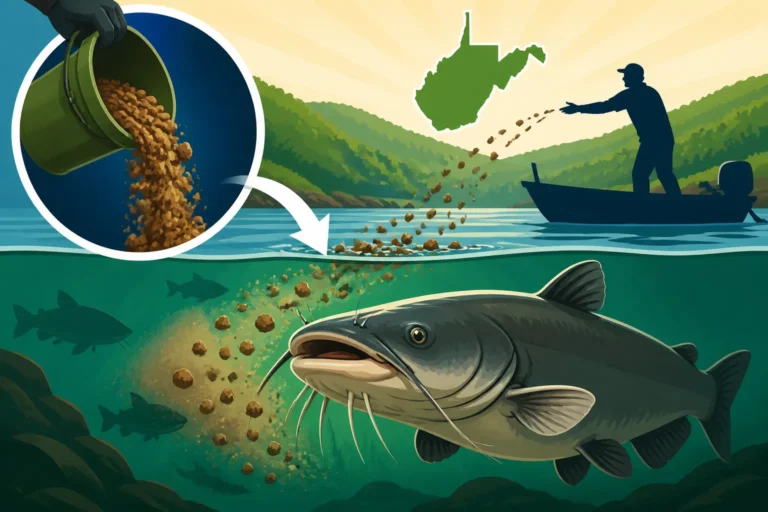
Let's be real, the biggest draw for many anglers heading to a stocked pond is the thrill of the "fresh stock." This refers to the period immediately after the West Virginia Division of Natural Resources (WV DNR) has released new trout into the water. This window is, without a doubt, one of the most productive times to fish.
When those fresh trout are dropped into a pond, they are often disoriented and, frankly, a bit stressed from the journey. They're used to hatchery feed and a controlled environment, so a new pond full of natural bugs and open water can be overwhelming. This disorientation makes them less wary and more inclined to strike at nearly anything that moves, especially if it resembles the pellets they're accustomed to. Think of it like someone just released from a fancy restaurant into a buffet – they're just happy to see food. This means they'll often bite readily on a variety of baits and lures, from powerbaits to corn to small inline spinners. To maximize your chances during this exciting time, it pays to keep an eye on official stocking schedules, which the WV DNR typically makes available. If you can get there within hours or a day or two of a stocking event, you're usually in for some fast action. For those looking to capitalize on this, our guide on How to catch trout right after stocking in West Virginia offers some fantastic, targeted advice.
The Post-Stocking Lull and Adjustment
Ah, but the "fresh stock" frenzy doesn't last forever, does it? After those initial few days of easy pickings, things tend to quiet down. This is what I call the "post-stocking lull," and it's where many anglers get frustrated. The trout, having survived the initial onslaught, start to acclimate to their new surroundings. They learn that the brightly colored dough bait isn't always food, and that shadows overhead often mean trouble.
During this period, the fish become significantly warier. They'll seek out cover like submerged logs, weed beds, or deeper sections of the pond to feel secure. Their feeding habits shift, too. Instead of hitting anything, they'll become more selective, often preferring natural forage that's present in the pond, or at least baits that mimic it more closely. This is when your presentation, line choice, and even your approach to the bank really start to matter. The fishing might get tougher, but it also becomes more rewarding, challenging you to refine your techniques. Don't be surprised if the bite slows considerably a week or two after a heavy stocking. This is a natural adjustment period for the fish, and it means you, the angler, need to adjust your tactics as well.
Best Times of Day for Stocked Trout Ponds
Beyond the stocking schedule, the time of day plays a crucial role in your success, especially as the fish settle in and become more accustomed to their new home. Just like us, trout have peak activity times, and hitting those windows can make all the difference.
Early Mornings and Late Evenings
When it comes to trout, cooler water and lower light conditions are generally your best friends. This makes early mornings, just as the sun starts to peek over the hills, and late evenings, as it dips below the horizon, prime times for fishing stocked ponds. During these hours, the water temperature is typically at its coolest, which is when trout are most comfortable and active. They'll often move out from deeper, cooler sanctuaries to cruise the shallower edges of the pond, looking for insects or small baitfish.
In the morning, the water is refreshed from the night, and light levels are low enough to make the trout feel secure. This is a fantastic time for both bait fishing and throwing small spinners or spoons, as the trout are often eager to feed. As the day ends, the evening bite offers a similar advantage. The sun's intensity fades, the air cools, and the trout begin to stir again. You might even see some surface activity as they rise to emerging insects. For many of us, these tranquil hours also offer a more peaceful fishing experience, with fewer crowds and the added bonus of beautiful West Virginia scenery. Remember that trout, particularly rainbow and brook trout, are very sensitive to light and temperature, so these transitional periods of the day cater perfectly to their biological needs.
Mid-Day Challenges and Strategies
Fishing a stocked trout pond in the middle of a bright, sunny day can be incredibly frustrating. The direct sunlight penetrates the water, warming it up and making the trout feel exposed. They're also subjected to more human activity on the banks, with shadows, noise, and general hustle and bustle often putting them on high alert. When the sun is high and the water is warm, trout tend to retreat. They'll move to the deepest parts of the pond, hug the bottom, or hide under any available cover like fallen trees, docks, or thick weed beds. This isn't to say you can't catch them, but you'll definitely need to change your approach.
Your strategy for mid-day fishing needs to focus on getting your bait or lure down deep, and often presenting it more subtly. Using heavier sinkers to get bait right on the bottom, or slower retrieves with weighted lures, can be effective. Consider using more natural-colored baits or smaller presentations to avoid spooking the fish. Sometimes, simply finding a shady bank or a section of the pond that offers more cover can make a huge difference. Don't be afraid to experiment with different depths and spots, and remember that patience is a virtue, especially when the conditions aren't ideal. It's not a time for blind casting; it's a time for thoughtful, targeted fishing.
Seasonal Considerations for Stocked Trout Ponds in West Virginia
West Virginia experiences four distinct seasons, and each one brings its own set of conditions that influence trout behavior in stocked ponds. Understanding these seasonal shifts is crucial for planning your trips.
Spring: The Golden Age of Stocking
For many West Virginia anglers, spring is synonymous with trout fishing. This is truly the "golden age" for stocked ponds, and for good reason. The WV DNR undertakes its most extensive stocking efforts during the spring months. The water temperatures are ideal for trout – cool, well-oxygenated, and comfortable enough for them to be active and feed aggressively without the stress of extreme heat.
The combination of fresh stock, comfortable water temperatures, and often eager-to-feed fish makes spring an incredibly productive time. You'll find a wide variety of techniques work well, from powerbaits and corn to spinners and flies. The weather can be a bit unpredictable, offering everything from crisp, sunny days to chilly, rainy ones, but the trout generally don't mind. Many ponds will receive multiple stockings throughout the spring, ensuring a steady supply of fish. This is the time to really hone your skills and enjoy consistent action. Be sure to check out our comprehensive guide on Spring Trout Fishing Techniques for West Virginia Streams for more specific tactics that also apply well to ponds. Always make sure you have your West Virginia Fishing License Guide for 2026 in order before heading out!
Summer: The Heat Is On
Once the warmer months of summer arrive, fishing stocked trout ponds becomes a greater challenge. As air temperatures rise, so does the water temperature in shallower ponds. Trout, being cold-water fish, become stressed in warm water, especially when temperatures climb into the upper 60s Fahrenheit or higher. Warm water holds less oxygen, and the fish become lethargic, seeking refuge in the deepest, coolest pockets they can find.
During summer, your best bet is to fish very early in the morning or very late in the evening when the water is at its coolest. Focus your efforts on the deepest sections of the pond, or near any springs or inlets that might be bringing in cooler, more oxygenated water. Light tackle, subtle presentations, and natural baits often yield better results. It's also a time when many anglers shift their focus to other warm-water species, or seek out high-elevation streams where native trout can still thrive in cooler conditions. If you choose to fish stocked ponds in summer, be extra mindful of the fish's health; a quick catch and release is even more important to ensure their survival. Don't forget to review West Virginia Bag and Possession Limits by Species to ensure you're fishing responsibly.
Fall and Winter: Cooler Waters, Different Opportunities
As autumn leaves begin to change, a new opportunity arises for stocked trout pond fishing. Fall brings cooler air and water temperatures, which re-energize the trout that have survived the summer heat. The water "turns over" in many ponds, meaning the cooler surface water mixes with the deeper, warmer layers, refreshing the oxygen content throughout the water column. This often leads to a resurgence in trout activity. Fall stockings might occur, though typically less frequently than in spring. The fish that have been in the pond for a while are now larger, smarter, and often more challenging to catch, making it a rewarding time for those who enjoy a bit of a puzzle.
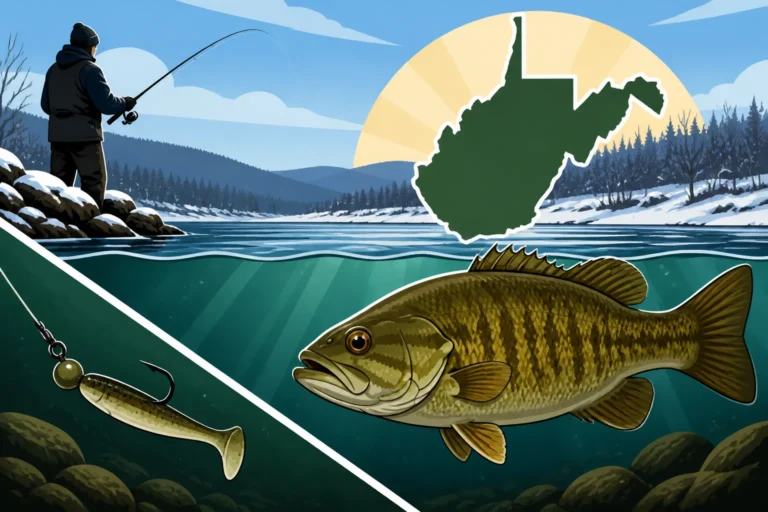
Winter, particularly if the pond freezes over, opens up the world of ice fishing. While not all stocked ponds are suitable or permitted for ice fishing, those that are can offer a unique and exciting experience. The trout under the ice are often less active but can still be caught with small jigs and baits presented vertically. Always prioritize safety if you're considering ice fishing, making sure the ice is thick enough. Our guide on West Virginia ice fishing regulations provides crucial information for safe and legal winter angling. Even without ice, a mild winter day can offer some surprisingly good fishing in open water, as long as you're bundled up.
Gear, Tactics, and Etiquette for Stocked Ponds
Success at a stocked trout pond isn't just about timing; it's also about having the right gear, using effective tactics, and showing good sportsmanship.
Simple Setups for Success
You don't need a boatload of fancy gear to catch trout in a stocked pond, especially right after a stocking. Simplicity often reigns supreme. A basic spinning rod and reel combo, something in the ultralight to light action range, is perfect. A 6 to 7-foot rod with a sensitive tip will allow you to feel even the most subtle bites. Pair that with a small spinning reel spooled with 4-6 pound monofilament or fluorocarbon line. Monofilament is forgiving and easy to tie, while fluorocarbon offers less stretch and is nearly invisible underwater, which can be an advantage in clear water. You can find excellent, budget-friendly options for these setups on platforms like Amazon.
As for terminal tackle, a small hook (size 8 to 14, depending on your bait) and a few split shot weights are usually all you need. For bait, the classics are often the best: PowerBait (in various colors like green, yellow, or rainbow), canned corn, salmon eggs, or even a simple worm can be incredibly effective, especially for freshly stocked fish. Small inline spinners, like those from Panther Martin or Rooster Tail, in sizes 0 to 2, can also be dynamite. Don't overthink it; sometimes the simplest approach yields the best results. If you're just getting started, take a peek at Best rod and reel combo for beginners for some excellent recommendations.
Reading the Water and Approaching Carefully
Even in a seemingly uniform pond, there are always features that hold fish. Learning to "read the water" is a valuable skill for any angler. Look for variations in depth, submerged structures like fallen trees or rock piles, weed lines, or even areas where shadows consistently fall. These are all potential hiding spots for trout seeking cover or cooler water. In a stocked pond, especially a few days after stocking, trout will often gravitate towards these features.
Your approach also matters. Trout are wary, and they can be easily spooked by vibrations on the bank, sudden movements, or bright clothing. Approach the water slowly and quietly. Avoid stomping your feet or casting a large shadow over the water you intend to fish. If possible, stay a little distance back from the bank, and make long, smooth casts to avoid alarming the fish directly beneath you. Sometimes, simply sitting still and observing the water for a few minutes before casting can tell you a lot about where the fish are holding or if they're feeding on the surface. For more general advice on fishing from the bank, our article on Best bank fishing spots at Summersville Lake provides useful insights that can be adapted to pond fishing. Consider bringing a small, organized tackle box or bag for your essentials; check out Best Tackle Box Setup for West Virginia Anglers for ideas on what to pack.
Being a Good Angler in a Popular Spot
Stocked trout ponds, by their very nature, tend to be popular spots, especially during peak stocking times. This means you'll often be sharing the water with other anglers, including families and beginners. Practicing good angling etiquette is essential for everyone to have an enjoyable experience.
Here are a few pointers:
- Give Space: Try to maintain a respectful distance from other anglers. Don't cast over their lines or crowd into their spot.
- Keep it Clean: Pack out everything you pack in, and perhaps even a little extra. Let's keep our beautiful West Virginia waters pristine.
- Be Mindful of Noise: Keep voices down, especially early in the morning or late in the evening. Respect the tranquility of the natural environment.
- Understand Regulations: Always be aware of the specific regulations for the pond you're fishing. This includes bag limits, bait restrictions, and whether it's a catch-and-release or harvest-allowed water. A quick review of Trout Stamps and Trout Fishing Rules in West Virginia will help you stay informed.
- Catch and Release Safely: If you're practicing catch and release, handle fish gently with wet hands, minimize their time out of water, and use a net designed for safe release. Our guide on West Virginia catch and release rules for trout has more detailed tips.
By being considerate, responsible, and knowledgeable, you contribute to a positive experience for everyone and help preserve the joy of fishing stocked trout ponds for years to come.
Summarizing Stocked Trout Pond Fishing Times
Fishing stocked trout ponds in West Virginia can be incredibly rewarding, especially when you time your visits strategically. Here's a quick overview to help you remember the key factors:
| Factor | Best Time | Secondary/Challenging Time | Key Considerations |
|---|---|---|---|
| After Stocking | Immediately (hours to 1-2 days) | 3+ days after stocking | Best window for action. Fish are disoriented and actively feeding. Check WV DNR stocking schedules. Be prepared for crowds during peak times. How to catch trout right after stocking in West Virginia can help. |
| Time of Day | Early Morning (dawn to mid-morning) & Late Evening (late afternoon to dusk) | Mid-day (late morning to mid-afternoon) | Cooler water, lower light means more active fish near shore. Fish deeper or in shaded areas mid-day. Trout are sensitive to sun and heat. |
| Season | Spring (March – May) | Summer (June – August) | Spring is prime due to heavy stocking, ideal water temps, and active fish. Summer requires deep, cool water tactics or avoiding peak heat. Fall can be good as waters cool. |
| Winter | Mild winter days (open water) or safe ice fishing conditions | Extreme cold, unsafe ice, or heavily pressured days | Winter can be good on mild days. Ice fishing offers unique opportunities, but always prioritize safety and local West Virginia ice fishing regulations. |
| Weather | Overcast, light rain, stable barometric pressure | Bright sun, sudden cold fronts, rapidly changing conditions | Trout often bite well before a storm or during steady, light rain. Bright sun or sudden weather shifts can make them lethargic. |
Remember, flexibility and observation are your greatest tools. The "best" time isn't always a fixed point; it's a combination of factors that, when understood, can significantly improve your chances of a successful and enjoyable day on a West Virginia stocked trout pond. Don't hesitate to experiment with different baits and lures, many of which are readily available on Amazon, to find what the trout are hitting on any given day.
Disclaimer
This article is for general informational purposes only and does not constitute professional advice. Laws, prices and regulations vary by location and change over time. Consult a qualified professional for guidance on your specific situation.