How to pattern bass on an unfamiliar West Virginia lake
We've all been there: you roll up to a new lake in West Virginia, boat hitched, tackle box overflowing, and that familiar knot of excitement mixed with uncertainty tightens in your stomach. Where do you even begin? This isn't your home water where every stump and rock pile is etched into your memory. This guide is all about giving you the tools and mindset to effectively "pattern" bass on any unfamiliar West Virginia lake, turning that feeling of being lost into a methodical hunt for success.
The Pre-Launch Prep: Becoming a Digital Detective
Before you ever launch your boat or set foot on the bank, there's a significant amount of detective work you can do from the comfort of your home. This pre-trip reconnaissance is absolutely crucial and can save you hours, even days, of fruitless casting. Don't underestimate the power of information gathering!
Scouring Maps and Satellite Imagery
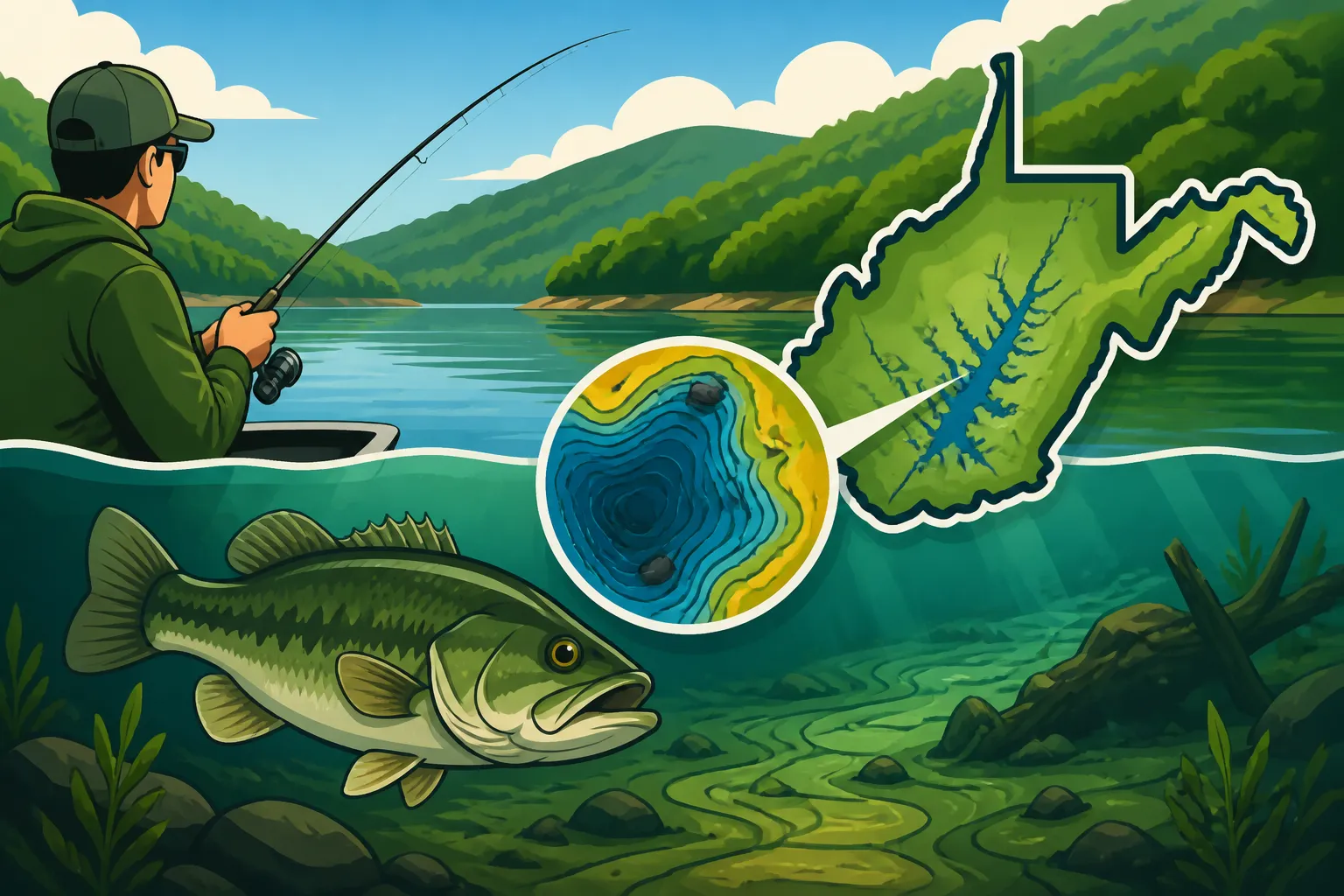
Modern technology has gifted us with incredible tools that were once unimaginable. Detailed topographic maps and satellite imagery are your best friends when tackling an unfamiliar body of water. Start by looking for the obvious: main lake points, coves, creek channels, and significant changes in depth. What do you see that looks different from the surrounding areas? Are there sharp drops, submerged humps, or distinct creek beds winding through the lake? These are all potential highways and hangouts for bass. Pay close attention to areas where old creek channels intersect main lake points or humps, as these are classic bass holding structures. Also, use satellite views to identify visible cover like docks, lily pad fields, submerged timber (often appearing as darker, dense areas), or even old roadbeds leading into the water. Identifying these features before you go allows you to mark potential waypoints on your GPS or fish finder, giving you a strategic starting point. Many fishing apps integrate these features seamlessly, allowing you to mark spots and plan routes.
Tapping into Local Knowledge
While maps are invaluable, they can't tell you everything. This is where human intelligence comes in. Don't be shy about visiting local bait and tackle shops near the lake. These folks are often on the water daily, or at least talking to anglers who are. They know what's biting, what general areas are producing, and sometimes even what specific lures or techniques have been successful lately. They can tell you if the West Virginia Bass Season Is Open Year-Round? or if there are any specific local quirks. A simple conversation can yield gold. Similarly, online fishing forums dedicated to West Virginia angling can be a treasure trove of shared experiences. While you might not get exact GPS coordinates, you can often glean patterns like "bass are schooling on main lake points" or "find shallow cover in the backs of coves." Just remember to take forum advice with a grain of salt, as conditions change rapidly, and some information might be outdated or exaggerated. However, it's still an excellent starting point for understanding general trends.
Understanding Current Conditions
Bass behavior is heavily influenced by environmental factors. Before you leave home, check the weather forecast for the duration of your trip. Is a cold front moving in, or has it just passed? How to catch bass during a cold front in West Virginia might be a different strategy than fishing during stable, warm weather. What about water temperatures, especially if you have access to a local gauge or report? Optimal water temperatures are key indicators for bass activity. Is the water clear, stained, or muddy? This will drastically affect your lure choices and presentation, as Best Lure Color for Muddy Water Bass Fishing will differ significantly from clear water options. Finally, consider water levels. If the lake is a reservoir, is the water rising or falling? Stable or slowly rising water can often concentrate bass, while rapidly falling water can scatter them and make them finicky. All of these factors combine to paint a picture of what conditions you'll be facing and help you narrow down your initial strategy.
Your First Casts: Observation and Search Baits
Once you're actually on the water, the real work of patterning begins. This isn't just about blindly casting; it's a systematic process of observation, experimentation, and analysis. Think of yourself as a scientist collecting data.
Starting Shallow and Expanding Your Search
When approaching an unfamiliar lake, many anglers find success by starting shallow and working their way deeper. Bass often relate to cover and structure in shallower water, especially during key feeding times or depending on the season. Begin by targeting accessible cover like docks, laydowns, stumps, rock piles, or lily pads that you identified during your map reconnaissance. Use "search baits" – lures that allow you to cover water quickly and efficiently. Crankbaits, spinnerbaits, or even swim jigs are excellent choices for this initial phase. Best Bass Fishing Techniques for Summersville Lake often involves covering water. You're not necessarily looking for trophies at this stage, but for any signs of active fish. A few bumps, follows, or even smaller bass can tell you a lot about the fish's mood and preferred habitat. If you start getting bites shallow, try to replicate the exact conditions: depth, type of cover, water clarity, and retrieve speed. If the shallow bite is slow, gradually work your way to deeper edges, drop-offs, and points.
Reading the Obvious and Hidden Structure
As you move around the lake, constantly read the water. What do you see? Bird activity might indicate baitfish schools. Schools of baitfish leaping from the water suggest a predator, likely bass, is nearby. Look for current breaks, subtle ripples, or changes in water color that can indicate submerged structure. On lakes with docks, observe how they are built – some might have brush piles dropped underneath them by property owners. Pay attention to changes in bank composition; a rocky bank transitioning to a muddy bank can create a seam that bass utilize. Beyond the obvious, remember that bass often hide in plain sight or utilize less obvious cover. This could be a single submerged stump, a slight indentation in a flat, or the shade line created by an overhanging tree. Even during your boat movements, keep an eye on your sonar for baitfish schools or unexpected humps.
Leveraging Your Electronics for Deeper Insights
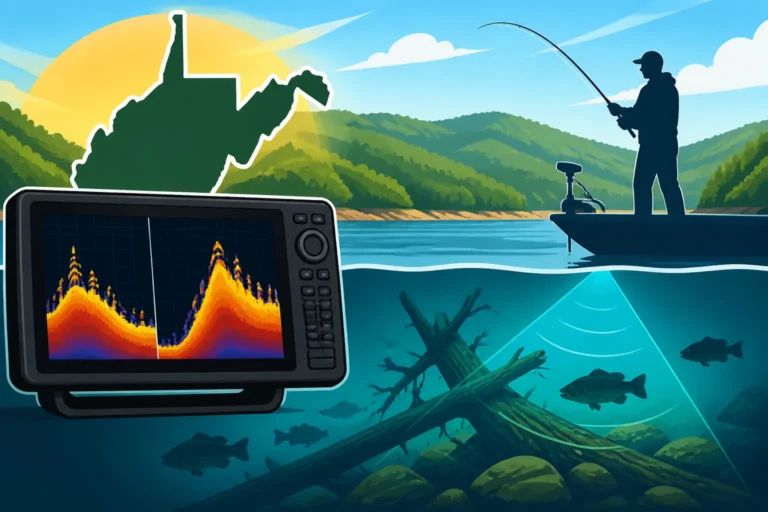
Modern fish finders and GPS units are game-changers for patterning bass on new waters. Don't just use them to mark fish; use them to understand the underwater landscape. As you motor along, pay attention to contour lines, depth changes, and bottom composition. Your sonar can reveal submerged timber, rock piles, brush piles, and even schools of baitfish or bass. For example, if you see a significant thermocline (a distinct layer in the water column that appears as a solid line on your sonar), it tells you where the oxygen-rich, cooler water is, and bass will often suspend just above or within this layer during warmer months. Best sonar settings for finding structure on Summersville Lake can help you dial in your unit. Mark any areas where you get a bite or see significant activity. These waypoints become crucial data points that help you connect the dots later. Side imaging and down imaging technologies take this even further, allowing you to see detailed images of structure and fish to the sides and directly below your boat, giving you an unparalleled view of hidden bass holding areas.
Decoding the Bass Pattern: The "When, Where, and How"
Catching a single bass is great, but catching multiple bass by understanding why you caught the first one – that's patterning. It's about finding a repeatable set of conditions.
Identifying Key Elements: Depth, Cover, Forage, and Transitions
A pattern isn't just a specific spot; it's a combination of factors that holds fish across different locations on the lake. When you catch a bass, immediately ask yourself:
- Depth: How deep was the fish? Was it shallow, suspended, or on the bottom in deeper water?
- Cover/Structure: What kind of cover was it relating to? A dock, a rock pile, submerged timber, a weed line, a main lake point, a hump?
- Forage: Was there any baitfish present? What kind? Shad, bluegill, crawfish? The bass's diet heavily influences what they'll strike. What lures imitate the crawfish smallmouth eat is important if you see crawfish activity.
- Transition Zones: Was the fish in an area where one type of bottom transitioned to another (rock to mud)? Or where shallow water met deep water? These transition areas are often ambush points.
Consider the "four F's" of bass fishing: Food, Fun, Freedom, and Frolicking. Bass need food, they want to feel free from predators (cover), they enjoy certain temperatures (depth/structure), and they will move to spawn (frolicking). When you catch a fish, you've temporarily found a spot that satisfies these needs. The goal is to find other similar spots on the lake.
The Power of Repetition and Adjustment
Once you catch a bass, don't just move on randomly. Try to replicate that exact scenario. If you caught a bass on a crankbait at 8 feet deep on a rocky point, go find another rocky point with similar depth and try the same lure and retrieve. If you catch another, you're starting to establish a pattern! The more fish you catch under similar conditions, the stronger your pattern becomes.
However, bass patterns are rarely static. Conditions change throughout the day, and fish can move. If your pattern stops producing, it's time to adjust. Maybe the sun came out, pushing fish deeper. Perhaps current picked up, moving them to the downcurrent side of a structure. Or maybe the baitfish moved. Your adjustments could be subtle:
- Lure change: Different color, size, or action.
- Depth change: Fish a little shallower or deeper.
- Retrieve speed/style: Faster, slower, more erratic.
- Location: Moving to a similar type of structure but in a different part of the lake, or trying a slightly different type of cover nearby.
This constant cycle of repetition and adjustment is what makes patterning an art form.
Confidence Baits and Experimentation
Every angler has a few "confidence baits" – lures they know how to work effectively and that have consistently produced fish for them in the past. When fishing an unfamiliar lake, it’s often smart to start with one or two of these. They allow you to focus on finding fish and figuring out the pattern, rather than also trying to master a new lure. Maybe it's a reliable Best hair jig technique for winter smallmouth or a familiar spinnerbait.
However, don't be afraid to experiment, especially if your confidence baits aren't producing. Bass can be incredibly finicky, and sometimes it takes a unique presentation or an unusual lure to trigger a strike. Keep a diverse selection of lures in your Best Tackle Box Setup for West Virginia Anglers to be prepared. This could mean trying a completely different bait type, a finesse presentation if the bite is tough, or a larger profile bait if you suspect bigger fish are present. Often, the fish will tell you what they want if you pay close enough attention and offer them enough options.
| Pattern Element | Initial Observations (Checklist) | On-Water Actions | Potential Adjustments |
|---|---|---|---|
| Depth | Identify creek channels, humps, drop-offs on maps. | Start shallow, fan cast to different depths. | Move shallower/deeper based on bites. |
| Cover/Structure | Map docks, timber, rock veins, weed lines, points. | Target visible cover, use sonar for submerged. | Change lure presentation for specific cover type. |
| Forage | Look for baitfish schools on sonar or surface activity. | Use lures mimicking local bait (shad, crawfish). | Downsize/upsize lures if forage changes or is absent. |
| Water Clarity | Check local reports, observe at launch. | Darker lures for stained, natural for clear. | Adjust line size, retrieve speed based on clarity. |
| Time of Day/Light | Note sun position, cloud cover. | Fish shady areas during bright sun, open water in low light. | Shift from topwater to subsurface as light changes. |
| Weather | Check forecast for fronts, wind, rain. | Adjust to calmer vs. wind-blown banks. | Consider How to catch bass during a cold front in West Virginia. |
West Virginia Specific Considerations for Bass Patterns
West Virginia offers a fantastic variety of bass fishing experiences, from large impoundments to smaller river-run lakes. Understanding these differences can significantly refine your patterning efforts.
Reservoir Bass: From Summersville to Stonewall
West Virginia's larger reservoirs like Summersville Lake, Stonewall Jackson Lake, and Tygart Lake often present classic reservoir bass patterns. These lakes tend to be deep, with significant contour changes, submerged timber, and often clear to stained water. Bass here will frequently relate to main lake points, especially those with access to deep water. You'll often find them on humps and offshore structure, particularly as the seasons progress and fish move deeper. Summersville Lake Bass Fishing is a prime example of a reservoir that can produce excellent patterns for both smallmouth and largemouth.
Look for schools of baitfish on your electronics, as bass will often follow these nomadic schools. Creek channels winding through the main lake can act as highways for bass, especially during migration periods. During the warmer months, bass might suspend over deep water near these channels, chasing shad. In the colder months, they might gravitate towards deep rock piles or channel swings. The deep, clear nature of many West Virginia reservoirs often calls for more finesse techniques or precise presentations with crankbaits and jigs, especially on lakes like Stonewall Jackson. Don't be afraid to go deep; some of the biggest bass might be holding in 20-40 feet of water.
River-Run Lakes and Their Unique Challenges
Lakes that are essentially impoundments of major rivers, such as the upper sections of the Kanawha River system or some sections along the Ohio River, bring an added element: current. Even though they are impounded, these lakes can still experience noticeable current flow, which dramatically influences bass behavior. Bass in these environments often relate to current breaks, eddies, and anything that provides a respite from the flow while still allowing them to ambush prey.
Look for submerged current-breaking structures like large rocks, log jams, and bridge pilings. The "seams" where fast water meets slow water are prime ambush points. While you might still find bass on points, these points will often be more productive if they have some current washing over them. Ohio River Fishing Rules for West Virginia Anglers might include specific regulations for these moving waters. River-run lakes can be fantastic for smallmouth bass, which are notorious for loving current and rocky habitats. Pay attention to how the current is moving bait and try to position your boat and lures to intercept bass that are waiting in ambush. This often means casting upstream and allowing your lure to drift naturally with the current past the suspected holding areas, mimicking natural forage.
Disclaimer
This article is for general informational purposes only and does not constitute professional advice. Laws, prices and regulations vary by location and change over time. Consult a qualified professional for guidance on your specific situation.