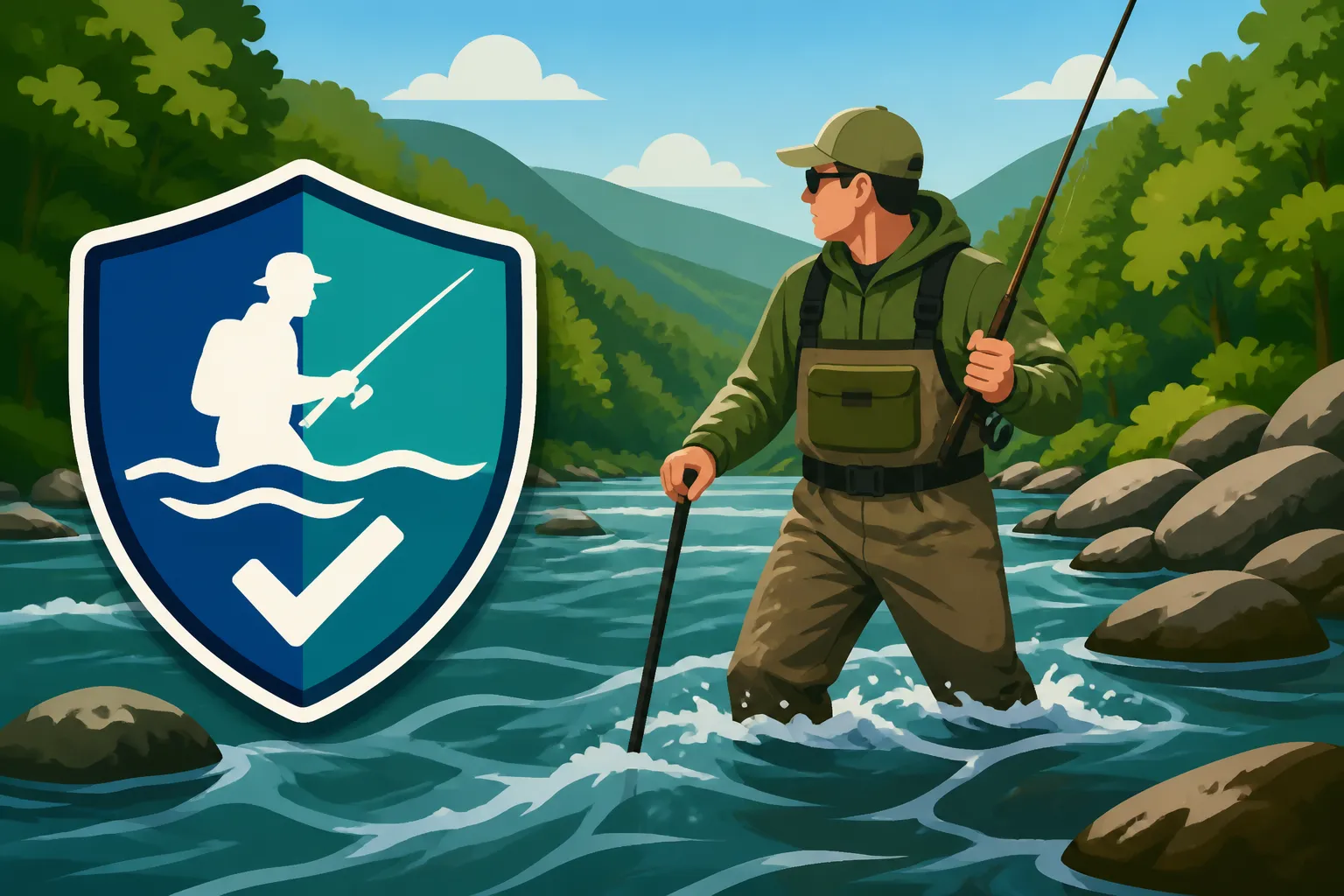
How to wade the South Branch Potomac safely
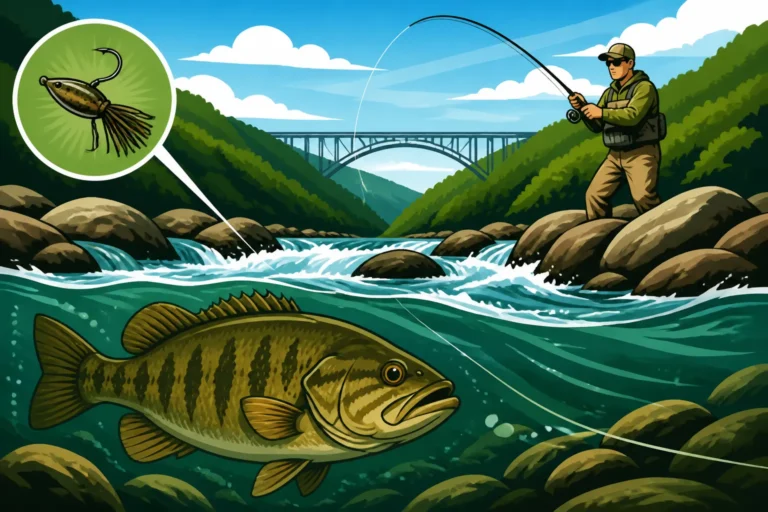
Wading the beautiful and productive waters of the South Branch Potomac River is an experience every angler cherishes, offering incredible opportunities for South Branch Potomac Smallmouth Fishing and diverse trout species. However, the river's character—its currents, slippery rocks, and unpredictable depths—can pose real challenges, especially for those new to wading or even seasoned anglers who haven't fished this particular stretch before. It's easy to feel a knot in your stomach contemplating a tricky crossing or navigating unfamiliar terrain. This comprehensive guide is designed to empower you with the knowledge, gear advice, and practical techniques needed to wade the South Branch Potomac safely and with confidence, ensuring your focus remains on the joy of fishing, not on potential hazards.
Understanding the South Branch Potomac's Wading Environment
Before you even think about stepping into the water, it's absolutely crucial to understand the unique personality of the South Branch Potomac. This isn't a docile stream; it's a dynamic river with moods that change with the weather and the seasons. Knowing what to expect beneath the surface and how the flow can shift is your first line of defense against an unexpected dunking.
River Flow and Water Levels: How They Impact Wading
The South Branch Potomac's water levels are heavily influenced by rainfall and, in some areas, by releases from upstream dams, though these are less common than on other larger rivers. What might be a perfectly wadeable section one day could be dangerously high and swift the next. Always check local river gauges before you head out. Websites like the USGS Water Data portal or specific fishing reports can give you real-time information on cubic feet per second (CFS) and gauge height.
A slight increase in CFS can mean a significant difference in current strength. For instance, a flow that feels comfortable at 500 CFS might become genuinely challenging at 1000 CFS, making wading precarious. In extremely high-water conditions, which often follow heavy rains, the river can become completely unfishable and downright dangerous to enter, even for experienced waders. You might see a lot of floating debris, the water will be muddy, and the current will be relentless. Understanding Best techniques for high water conditions versus Best techniques for low clear water conditions is paramount to your safety and fishing success.
Bottom Composition and Structure: What to Expect Underfoot
Beneath the generally clear waters of the South Branch, you'll encounter a varied bottom that demands your respect and attention. The most common feature is a mix of small, rounded river rock and larger, sometimes moss-covered boulders. These can be incredibly slippery, even with the best wading boots.
Then there are the surprises: sudden drop-offs where the riverbed shelves quickly from ankle-deep to waist-deep or more. These often occur at the edges of deeper channels, around large submerged rocks, or where the current has scoured out a trench. Sand and silt pockets can also be present, especially in slower pools, creating unstable footing. Understanding this varied topography means you should always shuffle your feet, feeling for solid ground rather than lifting your feet entirely. This slow, deliberate movement drastically reduces your risk of slipping or stepping into an unexpected hole.
Identifying Safe Wading Areas vs. Dangerous Zones
Not all parts of the South Branch Potomac are created equal when it comes to wading. Generally, wider, shallower sections with slower current are your best bet. Look for "riffles" or "runs" where the water is broken, indicating shallower depths and often more stable, smaller gravel. Avoid deep, fast-moving channels, especially those with visible standing waves or "boils," which suggest powerful currents and submerged obstacles.
Confluences of tributaries, areas around fallen trees ("log jams"), or below rapids can concentrate strong currents and create hazardous eddies or undertows. If you can’t clearly see the bottom, or if the water is above your knees and moving swiftly, it’s probably too risky to wade without extreme caution. Sometimes, the safest wading is no wading at all, and sticking to the banks or using a boat might be the wiser choice. Always err on the side of caution; a fish isn't worth a serious injury.
Essential Gear for Safe Wading
Having the right equipment isn't just about comfort or efficiency; it's a non-negotiable aspect of wading safety on a river like the South Branch Potomac. Investing in quality gear is an investment in your well-being.
Waders and Wading Boots: The Foundation of Your Safety
Your choice of waders and, more importantly, wading boots, will make or break your wading experience. Breathable stockingfoot waders are the standard for comfort and mobility, allowing you to layer appropriately for different temperatures. Avoid hip waders in anything but the shallowest, slowest water, as they offer minimal protection against accidental deep steps.
When it comes to Best Wading Boots for Rocky Streams, the sole type is paramount. Felt soles offer excellent grip on wet, slippery rocks, a common feature of the South Branch. However, felt can pick up and transfer invasive species, and some states or areas have banned them. Rubber soles, often with aggressive tread patterns, are another option, especially when combined with studs for added traction. Studs can provide an incredible grip on slick surfaces, but they can also be noisy, damage boat floors, and potentially snag on wader fabric. Consider your primary fishing conditions and local regulations when choosing.
Here's a quick comparison of common wading boot sole types:
| Sole Type | Pros | Cons | Best Use Case |
|---|---|---|---|
| Felt | Excellent grip on slick, wet rocks | Can transfer invasive species; less durable | Extremely slippery, rocky riverbeds |
| Rubber | Versatile; good on varied terrain | Can be slick on certain wet rock types | General wading; muddy banks; boat use |
| Studded | Superior grip on slick rocks & ice | Can damage boat floors; noisy; heavier | Very slick, technical wading; winter fishing |
Regardless of the sole type, ensure your boots fit snugly over your wader booties to prevent excessive foot movement, which can lead to blisters and instability. Brands like Simms, Orvis, and Chota are popular choices, and you can often find good deals and a wide selection of different models on Amazon.
Wading Staffs: Your Third Leg in the Current
A wading staff is, without exaggeration, the single most important piece of safety equipment for any angler venturing into moving water. Think of it as an extension of your body, providing a crucial third point of contact with the riverbed, enhancing your balance, and helping you probe the depth and stability of the bottom before you commit your weight.
Many modern wading staffs are collapsible and can be easily stowed on your vest or pack, deploying quickly when needed. When using it, plant the staff firmly upstream and slightly to the side of your body, creating a stable tripod with your two feet. This position helps brace you against the current. It also allows you to feel for slippery spots, sudden drops, or unseen obstacles. Even in seemingly gentle currents, a wading staff can prevent a minor stumble from becoming a full-blown fall. For excellent stability in currents, consider a robust, non-folding Best Wading Staff for Fast Current.
Personal Flotation Devices (PFDs) and Other Safety Accessories
While often overlooked by river waders, a personal flotation device (PFD) can be a lifesaver, especially in deeper, faster sections or if you're fishing alone. You might not think you need one if you're just wading, but a fall in strong current, especially with heavy waders that can fill with water, can quickly become an emergency. An inflatable PFD, which is less bulky and can be worn over your fishing vest, offers a great compromise between safety and comfort. They are readily available from retailers like Amazon.
Other valuable safety accessories include:
- Wader Belt: Always cinch your wader belt tightly. If you fall, a tight wader belt helps prevent your waders from filling completely with water, making it much easier to regain your footing or swim to safety.
- Whistle: A simple plastic whistle on a lanyard can be invaluable for attracting attention if you find yourself in distress.
- First-Aid Kit: A small, waterproof kit with basic supplies for cuts, scrapes, and other minor injuries.
- Communication Device: A fully charged cell phone in a waterproof case, or even a satellite messenger for remote areas, is crucial for emergencies. Just be aware that cell service can be spotty along parts of the South Branch.
Wading Techniques and Best Practices
Knowing your gear is one thing; knowing how to use it effectively in the river is another. Mastering safe wading techniques will transform your confidence and greatly reduce your risk.
The Art of Moving Through Current: Shuffling, Facing Upstream
The fundamental rule of wading is to move slowly and deliberately. Never lift both feet off the bottom at the same time. Instead, employ the "shuffle" or "slide" step, keeping at least one foot firmly planted at all times. This maintains your balance and allows you to feel the bottom.
When moving across or upstream, turn your body slightly to face upstream or quartering into the current. This presents a smaller profile to the flow, reducing the force of the water pushing against you. Your wading staff should always be positioned upstream of your lead foot, providing a brace before you shift your weight. Move in a slightly downstream arc when crossing to conserve energy and allow the current to assist rather than resist your movement.
Always assess the next few steps before taking them. Look for lighter patches on the water surface, which often indicate shallower areas. If the water looks "dark" or "slick," it's likely deeper or faster.
Crossing Deeper or Faster Water Safely
Sometimes, crossing a slightly deeper or faster section is unavoidable to reach that prime fishing spot. Here’s how to do it with maximum safety:
- Scout Ahead: Before entering, identify your entry and exit points. Look for the path of least resistance – often a slightly shallower riffle or a section with less turbulent water.
- Use Your Staff: Plant your wading staff firmly upstream and slightly to the side, then move your upstream foot, then your downstream foot, always maintaining two points of contact (two feet, or one foot and the staff).
- Lean into the Current: Counteract the force of the water by leaning slightly into the current. Don’t fight it directly; let it help you pivot, but maintain a strong core.
- Group Wading: If you’re with a partner, consider linking arms or holding onto each other’s packs/vests when crossing a tricky section. This creates a larger, more stable unit. If one person stumbles, the other can provide support. For more ideas on navigating swift waters, you might find valuable crossover tips in a guide about Float Fishing the New River, which often deals with similar river dynamics.
Emergency Procedures and What to Do If You Fall
Even with the best precautions, falls happen. Knowing what to do in that moment can be life-saving.
- Don't Panic: Your immediate reaction should be to stay calm. Panic expends valuable energy and impairs judgment.
- Roll Onto Your Back, Feet Downstream: If you fall in moving water, immediately roll onto your back with your feet pointed downstream. This allows you to fend off rocks and prevents your feet from getting snagged on the bottom, which can lead to a dangerous "foot entrapment."
- Scoop Water Out (If Possible): If your waders fill with water, try to use your hands to scoop water out over your head and behind you as you float. While waders filling up is a concern, it's often exaggerated; they don't drag you to the bottom. But they will make you heavy and harder to control.
- Work Towards Shore: Use a backstroke or breaststroke motion with your arms to angle yourself towards the nearest, safest shore. Look for slower eddies or calmer water to exit.
- Signal for Help: If you have a whistle, use it. If there are other anglers or people nearby, shout for help.
After a fall, take a moment to collect yourself, check your gear for damage, and assess your physical condition before continuing. Sometimes, the safest decision is to call it a day and return to shore.
Reading the River and Environmental Considerations
Beyond just technique and gear, becoming a truly safe wader involves an ongoing conversation with the river itself. Learning to interpret its subtle cues and respecting the broader environment are critical skills.
Interpreting Water Color and Clarity
The color and clarity of the South Branch Potomac can tell you a lot about its wading conditions.
- Crystal Clear: Low, clear water usually indicates stable conditions and easier wading, though fish can be more spooky. This is often the time when you'll find the best conditions for Fly Fishing for Trout in West Virginia.
- Slightly Stained (Tea-Colored): A light stain, often after a small rain, can actually be ideal for fishing as it provides some cover for fish without significantly impacting wading safety. You can still see the bottom in shallower areas.
- Muddy or Chocolate Milk: This is a huge red flag for wading. Muddy water usually means high flows, powerful currents, and zero visibility of the bottom. It's impossible to see hazards, making wading extremely dangerous. When you see this, it’s best to stay on shore or wait for conditions to improve.
Local conditions can vary, so even if the main stem looks good, a feeder creek might be dumping muddy water, affecting a localized section.
Weather Awareness and Water Temperature
Always check the weather forecast before and during your trip. A sudden thunderstorm can rapidly raise water levels and create dangerous flash flood conditions, especially in a river valley like the South Branch. If you see dark clouds gathering upstream or hear thunder, it's time to get out of the water and seek higher ground.
Water temperature is also important. Cold water, especially in spring and fall, can lead to hypothermia if you fall in, even if the air temperature is mild. Wearing appropriate layers, including thermal underwear under your waders, and having a change of dry clothes in your vehicle, is always a good idea. In winter, Ice Fishing in West Virginia offers different challenges, but cold water safety remains critical for any form of cold-weather angling.
Respecting Wildlife and Fellow Anglers
While not directly a "wading safety" point, respecting the environment and others on the river contributes to a positive and safe experience for everyone. The South Branch Potomac is home to various wildlife, including snakes, turtles, and birds. Give them space and observe from a distance.
When you encounter other anglers, whether they are fly fishing for trout or targeting smallmouth bass, give them ample room. Wading through another angler's spot or casting over their line is not only poor etiquette but can also be disruptive and create unnecessary tension. A simple nod or wave is usually sufficient. Remember that some sections of the South Branch Potomac are part of larger management areas, and it's always wise to familiarize yourself with West Virginia Fishing Regulations Explained before heading out.
Wading the South Branch Potomac can be an incredibly rewarding way to experience West Virginia's natural beauty and fantastic fishing. By understanding the river's character, preparing with the right gear, practicing safe techniques, and staying aware of your surroundings, you can ensure a memorable and, most importantly, safe adventure on the water.
Disclaimer
The information provided in this guide is for general informational purposes only and does not constitute professional advice. Wading in rivers carries inherent risks, and conditions can change rapidly. Always exercise caution, use common sense, and prioritize your safety above all else. Local regulations and conditions should always be verified before engaging in any fishing activities.