How to catch smallmouth in fast current
There's nothing quite like the rush of a West Virginia river, but that beautiful, surging water can feel like a real challenge when you're trying to coax a feisty smallmouth bass out of its eddy. Many anglers get intimidated by strong currents, feeling like their lures aren't getting down, their line is constantly bowing, or they just can't present effectively. If you've ever felt that frustration, this guide is for you, and we're going to break down exactly how to approach, understand, and successfully fish for smallmouth in even the swiftest currents the Mountain State has to offer.
Understanding Fast Current and Smallmouth Behavior
When you're looking at a river, especially one of our wild and wonderful West Virginia rivers like the New or the Greenbrier, fast current isn't just one thing. It's a spectrum, and smallmouth bass interact with it in nuanced ways. The key to success is understanding their instincts and using that knowledge to your advantage.
Why Smallmouth Love Current and Where They Hide
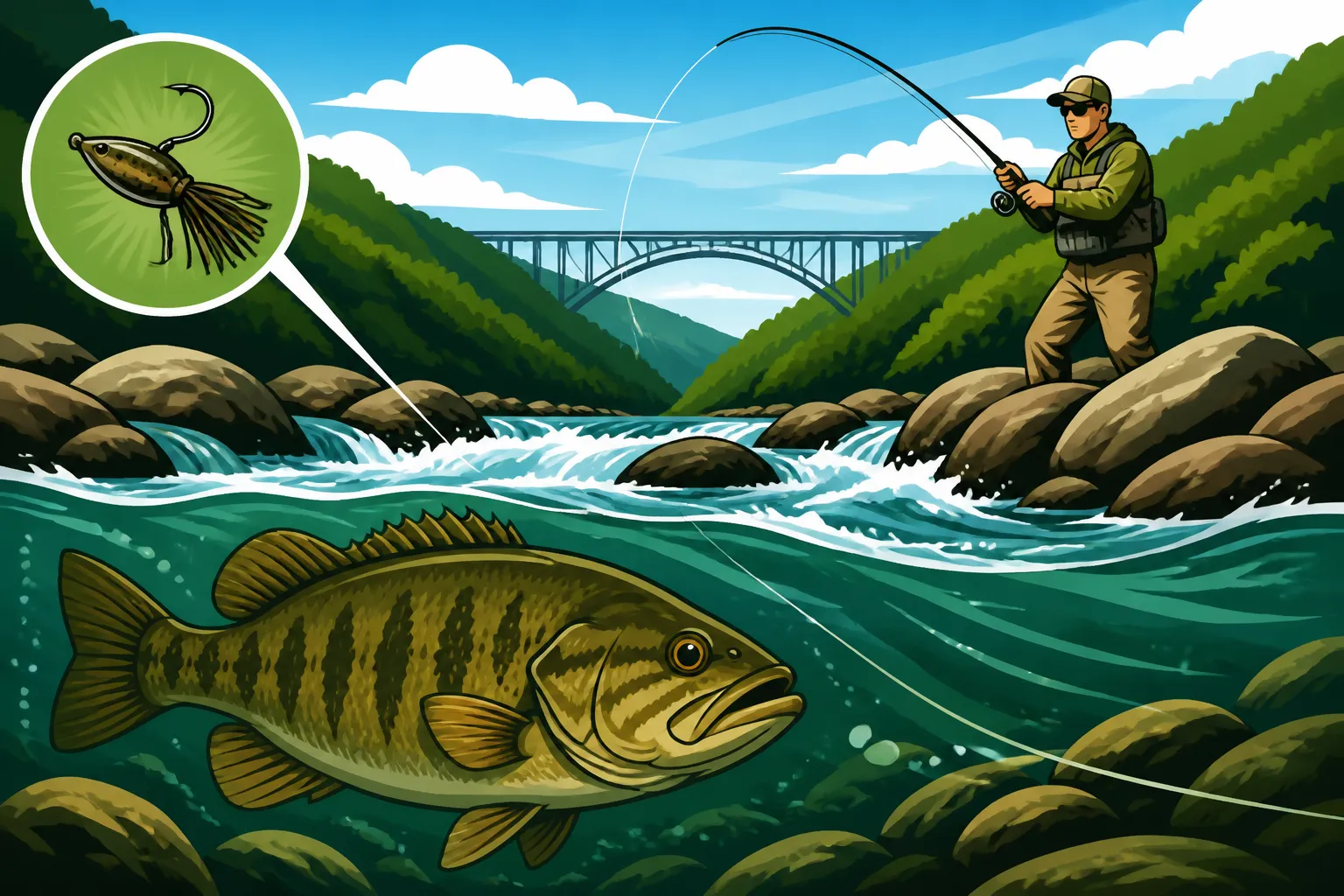
Smallmouth bass are opportunistic predators, and current brings the food to them. Think about it: insects, baitfish, and crawfish are all dislodged and swept downstream by the flow. A smallmouth doesn't want to expend all its energy fighting the current, though. Instead, they're masters of finding "slack water" or current breaks where they can hold comfortably while still having easy access to the conveyor belt of food passing by. These ambush points are your primary targets.
You'll often find them tucked behind boulders, in the seam where fast water meets slower water, or in eddies just downstream of an obstruction. Undercut banks, fallen trees (snags!), and deep pockets created by current scour are also prime real estate. They're looking for that perfect balance: minimal effort to hold position, maximum opportunity to strike. Understanding this fundamental behavior is the first step to knowing How to catch smallmouth in fast current.
The water temperature also plays a huge role in how active smallmouth will be in these areas. While they're generally robust fish, extremely cold water might see them move to deeper, slower pools. Conversely, during warmer periods, they’ll be more aggressive in the oxygenated, moving water. Keeping an eye on What water temperature smallmouth bass prefer can give you an edge in predicting their mood and location.
Reading the Water: Identifying Prime Lies
Learning to "read the water" is perhaps the most crucial skill for a current angler. It’s like being a detective, looking for clues the river gives you about what’s happening beneath the surface. Ripples, seams, eddies, and even subtle changes in water color can all point to potential smallmouth haunts. The faster the water, the more pronounced these features often become.
Look for areas where the main current is deflected, creating a slower pocket. This could be a large rock, a log, or even a subtle bend in the riverbank. The visible "seam" where the fast water meets the slow water is often a high-percentage target zone. Smallmouth will typically sit in the slower water, facing upstream, ready to dart out into the current to grab a passing meal. You'll also want to pay attention to sudden depth changes, often indicated by darker water or breaks in the surface chop, as these can offer vital protection and ambush points. Learning How to read New River smallmouth structure is a perfect example of honing this skill for specific waters.
Don't forget about rapids and riffles. While the heart of a raging rapid might be too turbulent, the edges and the pools immediately below them are often phenomenal. The oxygenation is high, and dislodged food is plentiful. Concentrate your efforts on the calmer water adjacent to the fastest flow, especially where larger rocks create a series of small, protected pockets. These subtle current breaks, even small ones, can hold surprisingly large fish.
Essential Gear for Fast Current Smallmouth
Fishing in fast current demands a slightly different approach to gear than stillwater angling. You need tackle that can handle the force of the water, help you get your lure down, and give you the power to fight a strong fish that's using the current to its advantage. It's all about control and leverage.
Rods, Reels, and Line: Power and Sensitivity
For fast current smallmouth, you'll want a rod with a good backbone but still enough sensitivity to detect subtle bites in turbulent water. A medium-heavy power rod, typically in the 6'6" to 7'6" range, is often ideal. The extra length helps with casting distance and line control, allowing you to mend your line effectively to prevent unwanted drag from the current. A fast action tip will give you the sensitivity for detecting strikes and the quick power for a solid hookset. Many anglers find that a high-quality spinning rod setup is versatile enough for most river applications, giving you excellent control for pitching lighter baits and making precise casts. If you're looking for recommendations, check out guides on Best Spinning Rods for Smallmouth Bass or general advice on Best Fishing Rods for West Virginia Rivers.
Pair your rod with a reliable spinning reel that has a smooth drag system. When a smallmouth hits in fast current, it's going to run, and a sticky drag can lead to break-offs. A 2500 or 3000 series reel is usually a good choice, balancing power with manageable size. For line, many seasoned river anglers opt for braided line as their main line, often in the 10-20 lb test range, due to its incredible strength, small diameter, and zero stretch. This no-stretch quality transmits even the lightest tap through the current, a huge advantage when trying to feel what your lure is doing.
However, braided line is visible, so always tie on a fluorocarbon leader. Fluorocarbon is nearly invisible underwater, extremely abrasion resistant (crucial around rocks), and offers good knot strength. A 6-12 lb fluorocarbon leader, typically 3-5 feet long, is a good starting point. This combination gives you the best of both worlds: the sensitivity and strength of braid, with the stealth and abrasion resistance of fluorocarbon. If you're wondering about leader choices, there's excellent information on Best Fluorocarbon Line for Clear River Water. You can easily find high-quality fluorocarbon leaders and braided lines on Amazon to ensure your setup is ready for the rigors of river fishing.
Lure Selection: Streamlined and Heavy
The current dictates your lure choice more than almost anything else. Light, buoyant lures will simply be swept away, preventing you from getting into the strike zone. You need lures that can cut through the water and maintain depth. This often means heavier baits and those with streamlined profiles designed to dive or sink quickly.
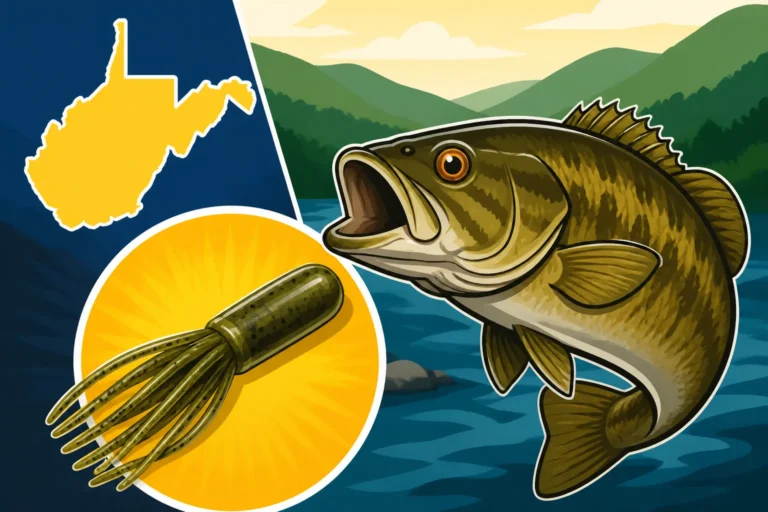
Jigs are kings of current fishing. Lead head jigs, ranging from 1/8 oz to 1/2 oz or even heavier depending on current speed and depth, paired with soft plastic trailers like grubs, tubes, or small swimbaits, are incredibly effective. The weight helps them get down, and the profile allows them to be worked subtly. Tubes are particularly deadly, mimicking crawfish or baitfish tumbling in the current. Best Baits for Smallmouth Bass on the New River often highlight jigs and tubes as top producers.
Crankbaits are also fantastic, but you need the right kind. Look for deep-diving crankbaits with a tight wobble, designed to dig into the water and stay down. Square bill crankbaits can also be effective in shallower, rocky areas, deflecting off cover. The key is to select a crankbait that can reach the depth you need and swim effectively without getting washed out. Colors that mimic local baitfish or crawfish are always a good bet. For more specific options, consider exploring Best Crankbaits for West Virginia Smallmouth Bass. Many anglers swear by particular brands and models, and a quick search on Amazon will show you a vast array of options.
Finally, consider heavier spinnerbaits or inline spinners for covering water, especially if the current isn't too extreme, or for fishing the edges of faster flows. Their flash and vibration can draw strikes, and their weight helps them track better than lighter baits. Always have a variety of weights and sizes in your tackle box to adapt to changing conditions.
| Lure Type | Best Current Speed | Retrieve Style | Key Advantage |
|---|---|---|---|
| Jigs (Tube/Grub) | Moderate to Fast | Hop, drag, subtle retrieve | Gets deep, mimics crawfish, versatile |
| Deep-Diving Crankbaits | Moderate to Fast | Steady retrieve, occasional twitch | Covers water, triggers reaction strikes |
| Heavy Spinnerbaits/Inline Spinners | Slow to Moderate | Steady retrieve, slow roll | Flash & vibration, covers water, good for edges |
| Jerkbaits | Moderate | Twitch, pause, erratic retrieve | Aggressive presentation, great for active fish |
Proven Techniques for Fast Water Success
Having the right gear is only half the battle; knowing how to use it in challenging conditions is where the magic happens. Fishing fast current isn't about brute force; it's about finessing your presentation and understanding how your lure will behave.
Upstream Casting and Controlled Drifts
One of the most effective strategies for fast current smallmouth is casting upstream and allowing your lure to drift naturally downstream into the strike zone. This mimics a natural food source being carried by the current. The goal is to cast far enough upstream so your lure has time to sink to the desired depth before it reaches the fish's ambush point.
Once your lure hits the water, immediately "mend" your line – that is, throw a bit of slack upstream with your rod tip to prevent the current from grabbing your line and pulling your lure unnaturally fast or causing it to rise too quickly. You want your lure to tumble and bounce along the bottom or through the mid-column as if it's uncontrolled, yet you maintain constant contact to feel for bites. As your lure drifts downstream, retrieve just enough line to keep the slack out, ensuring you can feel strikes and set the hook. This technique is similar to some methods used for trout fishing, so advice on Wading Techniques for West Virginia Trout Streams can offer transferable skills here. It's a delicate dance of line management and feeling the subtle bumps of the riverbed or a hungry smallmouth.
Jigging and Bottom Bouncing Strategies
When the current is really ripping, or you're targeting deeper pockets, jigging and bottom bouncing become indispensable. The principle is to keep your bait in contact with the bottom, where smallmouth are often hunkered down out of the main flow. For jigs, this means using enough weight to occasionally tick the bottom. Cast upstream and slightly across, let your jig sink, and then use a slow lift-and-drop or a subtle drag-and-pause retrieve as it drifts downstream.
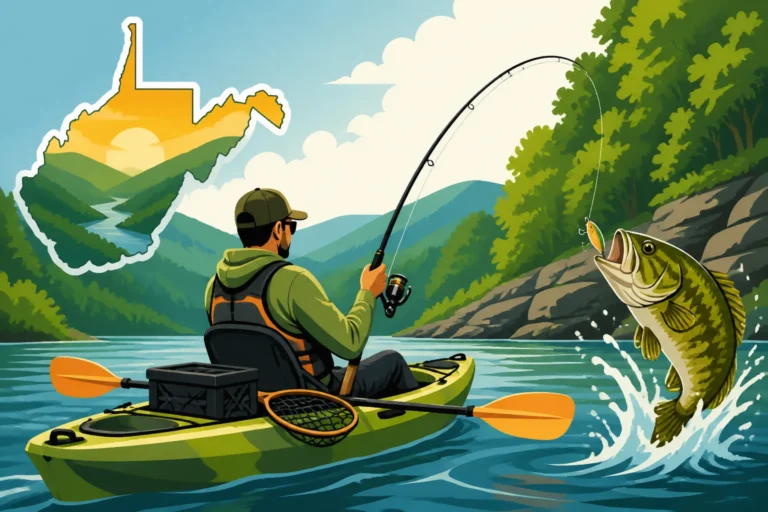
The "snap-troll" or "controlled drift" from a boat or kayak can also be incredibly effective. If you're in a boat, positioning yourself slightly upstream of a promising lie and letting your boat drift downstream while precisely controlling your lure's depth and speed can be deadly. For kayakers, an anchor system, potentially with a trolley, can help you hold position or slow your drift to cover a promising stretch. Using a good fishing kayak, perhaps one highlighted in Best Kayak for the New River, will provide the stability needed for these maneuvers. The key is to feel every rock, every change in bottom composition, because that's where the smallmouth are holding. Be prepared for aggressive strikes right when your lure ticks off a rock.
Crankbaits and Jerkbaits in Current
Crankbaits and jerkbaits, while often associated with lake fishing, can be incredibly productive in fast currents too, provided you select the right ones and present them effectively. As mentioned before, deep-diving crankbaits are your friend. Cast them upstream or slightly quartering upstream and retrieve with a steady pace, allowing the bill to dig and deflect off rocks. The deflection often triggers a reaction strike from a smallmouth lurking behind cover.
For jerkbaits, focus on suspending models that can hang in the water column during pauses. Cast them into current seams or eddies, give a few sharp twitches, and then pause. The current will impart a natural, enticing movement to the bait during the pause, often irresistible to an ambush-minded smallmouth. This technique really comes into its own when the smallmouth are aggressive and willing to chase. Experiment with different retrieve speeds and cadence, always paying attention to Best Lure Retrieve Speed for Smallmouth in Fall or other seasonal tips, as smallmouth activity levels change with the water temperature. Remember, you're trying to make your bait look like an injured or disoriented baitfish struggling in the current – an easy meal.
Safety and Considerations in Fast Water
While the thrill of fishing in fast current is undeniable, it also comes with inherent risks. Safety should always be your number one priority, whether you're wading or fishing from a boat. Respect the power of the river, and never take unnecessary chances.
Wading Safety and Boat Handling
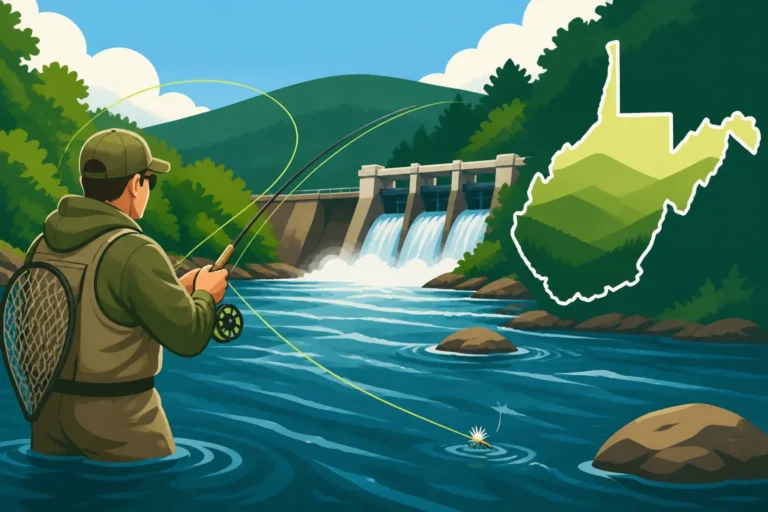
If you plan to wade in West Virginia's rivers, proper footwear is non-negotiable. Sturdy wading boots with good grip (felt or rubber with studs) and a reliable wading staff are essential. The staff acts as a third point of contact, helping you maintain balance on slippery, uneven riverbeds. Always shuffle your feet to feel the bottom before taking a full step, and never wade alone in unfamiliar or swift sections of the river. Know your limits and understand that river levels can change quickly, so always check conditions before heading out.
For those in boats or kayaks, understanding West Virginia Boating Laws for Anglers is crucial. Always wear a life jacket, regardless of your boating experience. The current can be deceptively strong, and a capsize can happen in an instant. Learn how to read whitewater and navigate safely, especially when launching or landing. If you're fishing from a motorized boat, be mindful of other anglers and adhere to guidelines like Operating a Boat Near an Angler in West Virginia. Knowing how to anchor effectively in current is also a vital skill, ensuring you don't drift uncontrollably into hazards.
Environmental Factors and Ethical Angling
Beyond personal safety, it's important to consider the environmental impact and practice ethical angling in fast current environments. Rivers, especially those with strong flows, can be fragile ecosystems. Avoid excessive disturbance of the riverbed when wading. Be aware of spawning areas, particularly during specific seasons, and give those areas a wide berth.
Catch and release is often the preferred practice for smallmouth bass, especially larger trophy fish. Handle fish with wet hands, support their body weight, and minimize their time out of the water. If using a landing net, choose one with rubberized mesh to protect the fish's slime coat. Always properly dispose of all trash, line, and broken lures. Our rivers are a precious resource, and it's up to us to keep them clean and healthy for future generations of anglers. By respecting the fish and the environment, we ensure that the challenging yet rewarding pursuit of smallmouth in fast currents remains a vibrant part of West Virginia fishing for years to come.
Disclaimer
This article is for general informational purposes only and does not constitute professional advice. Laws, prices and regulations vary by location and change over time. Consult a qualified professional for guidance on your specific situation.