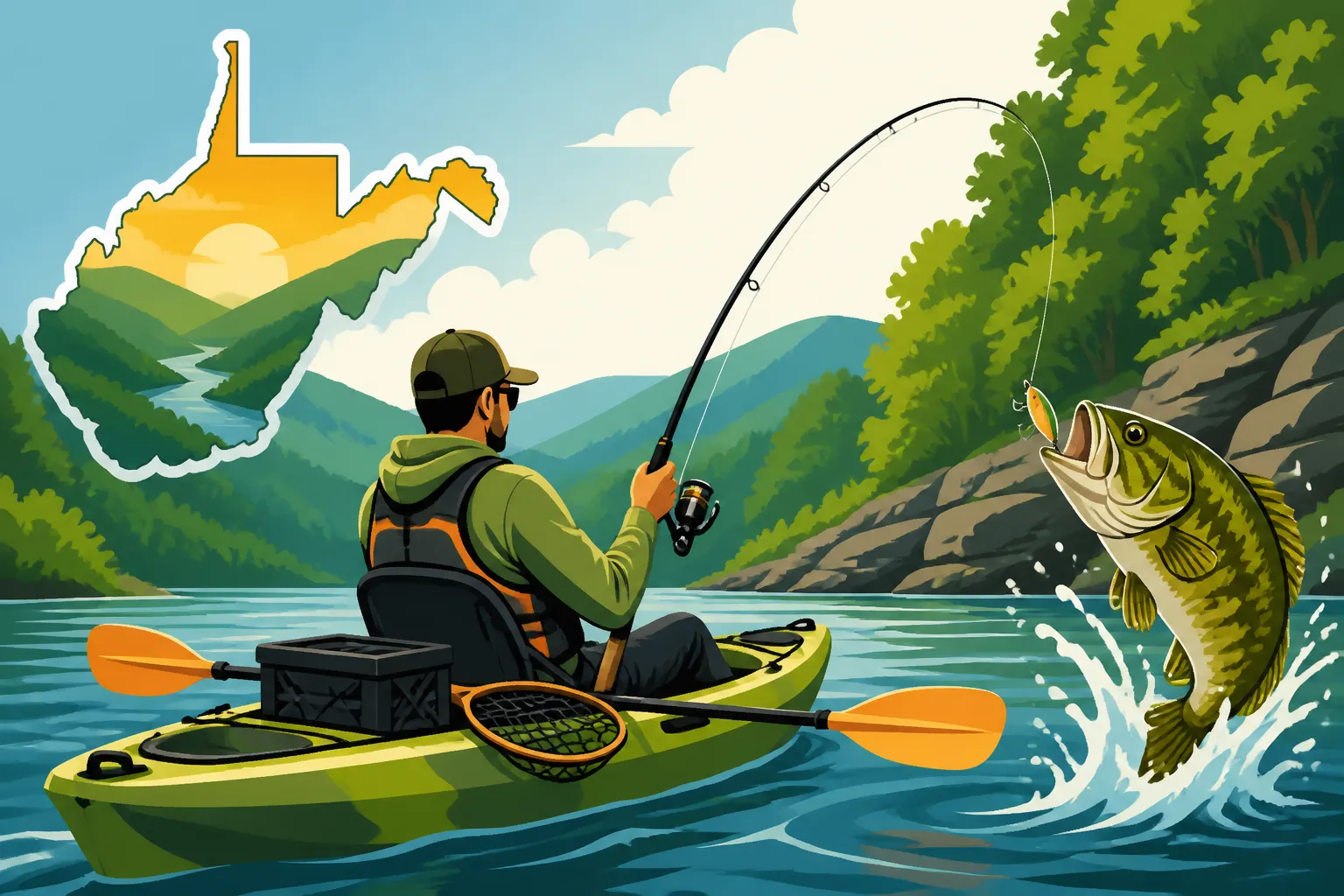
Kayak Fishing Techniques for West Virginia Rivers
Exploring West Virginia's countless rivers and streams by foot can be incredibly rewarding, but let's be honest, there are always those tantalizing stretches of water you just can't reach from the bank. Or perhaps your jon boat draws a little too much water for those skinny runs where the big smallmouth hide. This limitation can be incredibly frustrating for dedicated anglers, but kayak fishing offers a dynamic, intimate, and often more effective way to unlock West Virginia's river fisheries. This comprehensive guide will equip you with the essential techniques and knowledge to navigate, fish, and stay safe while kayak fishing on the Mountain State's beautiful, yet sometimes challenging, waterways.
Choosing the Right Kayak and Essential Gear for River Fishing
Before you even think about casting a line, getting your vessel and personal gear sorted is paramount. West Virginia rivers vary wildly, from placid pools to roaring rapids, and your choice of kayak and accessories should reflect the kind of water you plan to tackle most often. Don't rush this decision; it's a significant investment that directly impacts your safety, comfort, and fishing success.
Understanding Different Kayak Types for River Use
Not all kayaks are created equal, especially when it comes to navigating moving water and fishing simultaneously. You'll primarily be looking at two main categories: sit-on-top (SOT) and sit-inside (SINK) kayaks, each with pros and cons for river fishing.
Sit-on-top kayaks are overwhelmingly popular for fishing, and for good reason. They offer superior stability, making it easier to stand and cast, reorient yourself, or land a fish. If you happen to capsize, re-entry is generally much simpler, which is a huge advantage on a river with currents. Many fishing SOTs come equipped with features like rod holders, gear tracks, and ample storage space, truly built with the angler in mind. Brands like Hobie, Old Town, and Jackson Kayak offer models specifically designed for fishing, often with pedal-drive systems that free up your hands for casting. However, SOTs can be slower and heavier than their sit-inside counterparts, and you're more exposed to the elements, meaning you'll get wet more easily from paddle drips or spray. For those considering a purchase, you can find a lot of great options and detailed reviews online, and platforms like Amazon offer a wide selection of fishing kayaks and accessories, making research and purchasing convenient.
Sit-inside kayaks, while less common for dedicated fishing, do have their place, especially for anglers seeking more speed or better protection from cold water and weather. Recreational sit-insides are lighter and often more maneuverable, which can be a plus in tighter, faster sections of river. They keep you dryer and can be warmer in cooler temperatures because your lower body is enclosed. However, their stability is generally lower, and re-entry after a capsize can be a significant challenge, sometimes requiring specialized self-rescue techniques or assistance. If you're tackling class I or II rapids frequently and prioritizing paddling performance over standing to fish, a sit-inside might be an option, but for general fishing, the SOT typically wins out due to its inherent stability and angler-centric design. Ultimately, the best choice depends on the specific rivers you'll fish and your personal comfort level with stability and self-rescue.
Essential Accessories Beyond the Paddle
Once you have your kayak, outfitting it with the right accessories is crucial for both convenience and safety. These aren't just "nice-to-haves" but often make the difference between a frustrating trip and a fantastic one.
First and foremost is your Personal Flotation Device (PFD). This isn't optional; it's legally required to have one on board, and wearing it is highly recommended, especially on rivers. Look for a fishing-specific PFD with pockets and attachment points for small tools, nippers, or a whistle. It should be comfortable enough to wear all day without restricting your casting motion. You can learn more about Life Jacket Requirements for West Virginia Boaters to ensure you're compliant. Next, consider an anchor system. Rivers require a specific approach to anchoring. A small grapnel anchor or a drift sock can be invaluable for slowing your drift or holding your position in current. A good anchor trolley system allows you to deploy and retrieve your anchor from either the bow or stern, adjusting your boat's angle to the current and allowing you to effectively fish a seam without being pulled off course. Many anglers prefer a "stakeout pole" for shallow water to quietly pin their kayak in place without dragging an anchor.
Beyond safety and positioning, think about storage and organization. A quality dry bag is essential for electronics, keys, and anything you absolutely can't get wet. Rod holders, either flush-mounted or adjustable, are a must-have for hands-free paddling or transporting multiple setups. A paddle leash can save you a lot of grief if you accidentally drop your paddle mid-current. For electronics, a portable fish finder can be a game-changer, especially on larger rivers or reservoir sections within a river system, helping you locate structure and fish. Lastly, don't forget a sturdy landing net, preferably one with a rubberized mesh to protect fish, especially those larger smallmouth or muskie you might encounter. A good net can prevent a lot of heartbreak and ensure a clean release.
Rod and Tackle Management on a Kayak
Fishing from a small, often moving platform like a kayak demands a streamlined and efficient approach to your rods and tackle. Clutter isn't just annoying; it can be dangerous or lead to lost gear.
When it comes to rods, less is often more. While you might want a couple of different setups for varying techniques (e.g., one for topwater, one for jigging), having too many rods can create a tangled mess. Keep them secured in flush-mount or adjustable rod holders when not in use. Some kayaks have horizontal rod storage, which is excellent for keeping them out of the way. For general West Virginia river fishing, a medium-light to medium power spinning rod is versatile for smallmouth, panfish, and even smaller walleye. If you're specifically targeting muskie, a heavier baitcasting setup will be necessary, but this requires dedicated space and more careful handling. You can find more specific recommendations for Best Fishing Rods for West Virginia Rivers to match your target species.
For tackle, ditch the oversized, overflowing tackle box. Opt for smaller, compartmentalized boxes that fit neatly into your kayak's hatches or a milk crate system. Think about the specific lures and baits you'll need for the day and the conditions, rather than bringing your entire collection. For example, if you're targeting river smallmouth, focus on a selection of soft plastics, jigs, small crankbaits, and topwater lures. Having a few different colors and sizes of each is usually sufficient. Keep frequently used items like pliers, line cutters, and a small measuring tape easily accessible but secured. Many kayak anglers use a small gear bag or box that sits between their legs or in a bow hatch for quick access. This minimalist approach helps maintain stability, reduces clutter, and ensures you're focused on fishing, not rummaging. For specific lure ideas, check out Best Tackle for West Virginia Smallmouth Bass.
Navigating West Virginia's River Currents and Obstacles
Paddling a kayak on a lake is one thing; navigating a river with dynamic currents, submerged hazards, and varying water levels is another entirely. Developing strong paddling and boat control skills is just as important as your fishing techniques on West Virginia rivers.
Reading the Water and Understanding Current Dynamics
Before you even dip your paddle, take a moment to "read the water." This means observing the river's flow, identifying potential hazards, and understanding where fish are likely to hold. Moving water is a complex system, and learning its language will dramatically improve your safety and fishing effectiveness.
Look for seams where faster current meets slower water, often indicated by a distinct line on the surface or a foam line. These are prime locations for fish to ambush prey without expending too much energy. Eddies, those swirling pockets of calmer water behind obstacles like large rocks, fallen trees, or points, are also fantastic fish holding areas and can provide a welcome respite from strong currents for a kayak angler. Identifying riffles (shallow, fast-moving water) and pools (deeper, slower sections) is also key. Riffles are oxygen-rich and often hold baitfish, attracting game fish, while pools offer deeper sanctuaries, especially in hot weather or during low flows. Pay attention to "V's" in the current. A "V" pointing downstream usually indicates an obstruction (like a rock) just below the surface, while a "V" pointing upstream can indicate a clear path through a riffle. Recognizing these subtle signs will help you predict where to paddle, where to fish, and what obstacles to avoid. Don't be afraid to take a few minutes at each new section of river just to observe before committing to a path.
Mastering Paddling Techniques for River Control
Paddling on a river is about control, not just propulsion. You need to be able to move forward, backward, sideways, and hold your position against the current. This requires more than just a simple forward stroke.
The most crucial skill for river kayak fishing is the ability to ferry. Ferrying allows you to move across a current while maintaining your boat's angle, essentially using the current to your advantage. To ferry across, angle your kayak slightly upstream and paddle continuously, allowing the current to push you sideways while your paddling maintains control. This is indispensable for moving from one side of the river to another or for setting up a drift. Another vital technique is the draw stroke, which allows you to move your kayak sideways without significant forward momentum, perfect for subtle adjustments around obstacles or to position yourself for a cast. Eddy turns and peel-outs are also critical for entering and exiting eddies smoothly. An eddy turn involves turning your kayak into an eddy, allowing the current to swing you around, while a peel-out is the reverse, using the eddy line to propel you back into the main current. Practicing these maneuvers in calmer sections of the river before tackling faster water will build your confidence and make your fishing trips much safer and more enjoyable. Remember, a good, properly sized paddle is key; you can find recommendations on Best Paddle Length for a Fishing Kayak to match your height and kayak width.
Strategic Anchoring and Positioning
Effective anchoring and positioning are fundamental to successful kayak fishing on rivers. You can't just drop anchor anywhere; you need to think strategically about how you want to fish a piece of water.
In moving water, your anchor isn't just for holding still; it's a tool for controlling your drift. A common technique is to "spot lock" yourself with an anchor and then fan cast an area. When you've thoroughly fished that spot, retrieve your anchor and drift a short distance downstream to the next promising area. Alternatively, you can use a drift sock or a smaller, lighter anchor to slow your drift considerably, allowing you to thoroughly pick apart a section of river while slowly moving with the current. This "controlled drift" is especially effective for covering long stretches of river with consistent structure. When anchoring, always consider the current strength and water depth. A too-light anchor will drag, and setting an anchor in extremely fast current can pull your kayak sideways and potentially flip it. A quality anchor trolley system is invaluable here, allowing you to easily adjust your anchor point from the bow to the stern (or anywhere in between) to change your angle to the current and precisely position your kayak for a cast. For more in-depth advice on securing your kayak, check out our guide on Best Anchor System for River Fishing. Always be mindful of other anglers and boaters; remember, there are specific guidelines for Operating a Boat Near an Angler in West Virginia to ensure courtesy on the water.
Essential Fishing Techniques from a Kayak in Rivers
Now that you're comfortable paddling and positioning, let's talk about the actual fishing. Kayak fishing on rivers offers unique advantages, but it also requires adapting your techniques to the confined space and constant motion.
Adapting Casting and Presentation for Kayak Stability
Casting from a kayak, especially a sit-on-top, is often a more stable platform than you might expect, but it still requires some adjustments compared to standing on solid ground or a large boat deck. The key is to optimize your cast for efficiency and accuracy.
Many kayak anglers prefer a shorter, more compact cast, particularly when seated, to avoid hitting your paddle, kayak, or fellow anglers if you're in a group. Sidearm or roll casts can be incredibly effective for keeping your lure low to the water, sneaking under overhanging branches, or making precise presentations to shoreline cover. If your kayak is stable enough and conditions permit, standing to cast offers a huge advantage, allowing for longer casts, better visibility, and more leverage for fighting fish. When standing, always maintain a wide stance and use your paddle as a brace if needed. Pay close attention to your body mechanics to avoid losing balance, especially when setting the hook or fighting a strong fish. Your goal is to deliver your lure accurately to fish-holding structure while minimizing wasted movement and maintaining stability. Using a medium-action rod can help with accuracy and prevent over-casting in tight quarters.
Lure Selection and Understanding Fish Behavior in Current
The current dictates a lot about fish behavior, and therefore, your lure selection and how you present it. Fish in rivers often face upstream, conserving energy while waiting for food to drift by.
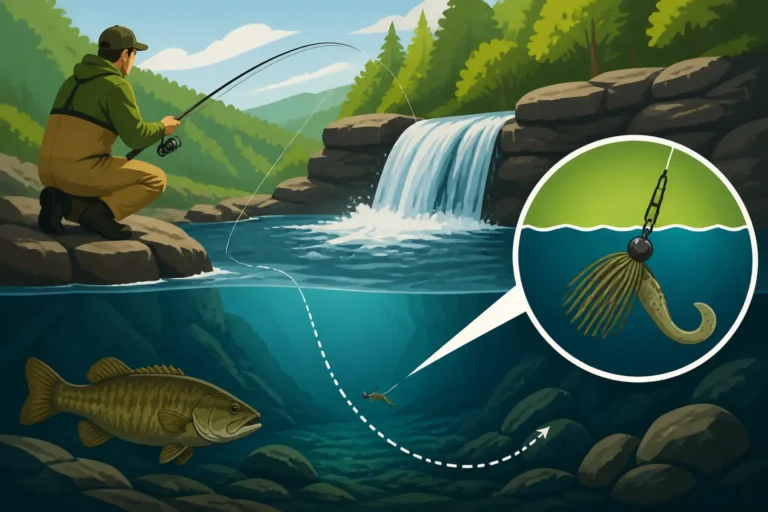
This means lures that mimic natural river forage or can be worked effectively against or with the current are key. For smallmouth bass, jigs with soft plastic trailers (tubes, grubs, swimbaits), small crankbaits that dive to different depths, and topwater lures (poppers, walk-the-dogs) can be incredibly effective. Consider the water clarity: natural colors like greens, browns, and black often work well in clearer water, while brighter colors like chartreuse or white can be better in stained or muddy conditions. When casting, try to cast upstream and allow your lure to drift naturally downstream through a productive zone, mimicking injured baitfish or insects. Alternatively, casting directly into an eddy and working a lure out into the main current can trigger aggressive strikes. For specific recommendations, check out our guide on Best Lures for Muskie Fishing in West Virginia if you're targeting those toothy critters, or Best Baits for Smallmouth Bass on the New River for a classic West Virginia river target. Understanding the nuances of a specific river section's current flow and combining that with the right lure presentation is what separates good river anglers from great ones.
Fighting Fish and Landing Them from a Kayak
Landing a big fish from a kayak can be one of the most exhilarating – and challenging – aspects of river fishing. Without the luxury of a wide-open boat deck, you need a plan.
The most important rule is to stay calm and control the fish, not let the fish control you. When you hook into a strong fish, especially in current, try to turn its head upstream to fight the current, using the river's force to your advantage. Keep your rod tip up and maintain steady pressure. If the fish runs towards an obstacle like a logjam or a rock garden, try to steer it away by applying pressure from the side. Once the fish is tiring and close to the kayak, reach for your net. A long-handled, rubberized landing net is almost a requirement for kayak fishing; it allows you to scoop the fish quickly and safely without leaning too far over and risking a capsize. Trying to boat flip a large fish, or grab it without a net, is a recipe for disaster. Once netted, bring the fish into the kayak or alongside for unhooking and a quick photo before release. Always be prepared for the possibility of a large fish pulling your kayak around; a solid rod and reel combo is important for this. Having a pair of long-nosed pliers or forceps readily available will aid in quick, safe hook removal, minimizing stress on the fish.
Safety First: Staying Safe While Kayak Fishing Rivers
While kayak fishing on West Virginia's rivers offers unparalleled access to incredible fishing, it also comes with inherent risks. Unlike stillwater, rivers have unpredictable currents, hidden hazards, and ever-changing conditions. Prioritizing safety is non-negotiable.
The Importance of PFDs and Emergency Gear
Your Personal Flotation Device (PFD) is not a suggestion; it's a lifeline. Even if you're an excellent swimmer, a PFD protects you if you unexpectedly capsize in cold water or strong current, especially if you hit your head.
As mentioned earlier, wearing your PFD at all times on the river is the smartest decision you can make. It can be cumbersome at first, but modern fishing PFDs are designed for comfort and utility. Beyond your PFD, a basic emergency kit is essential. This should include a whistle (to signal for help), a small first-aid kit, a knife (for cutting tangled line or ropes in an emergency), and a fully charged cell phone in a waterproof case. Consider a spare paddle, secured to your kayak, in case your primary paddle is lost. If fishing in colder months, layers of synthetic clothing (no cotton!) and a dry suit or waders with a wading belt are crucial to prevent hypothermia if you go for an unexpected swim. A dry bag containing a change of clothes and a towel is always a good idea. Knowing how to Replacing a lost West Virginia fishing license is important, but preventing gear loss by having essential items secured is even more so. Always tell someone your float plan: where you're launching, where you plan to take out, and when you expect to be back.
Weather Awareness and River Conditions
West Virginia weather can change on a dime, and river conditions can follow suit. Being aware of the forecast and current river levels is critical before and during your trip.
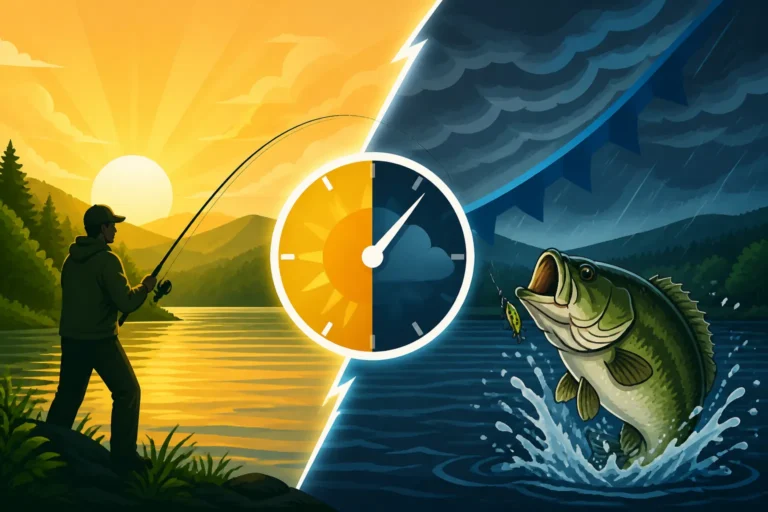
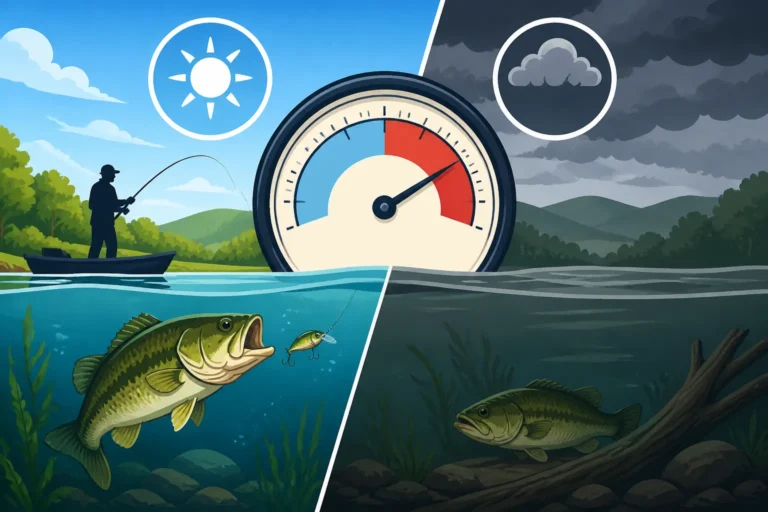
Before heading out, check the weather forecast for the entire day, paying close attention to chances of thunderstorms, heavy rain, or sudden temperature drops. High winds can make paddling incredibly difficult and dangerous on larger, open sections of river. More importantly, check real-time river gauges. Websites like the USGS Water Data portal provide up-to-the-minute information on river heights and flow rates. A river that was perfectly safe yesterday might be a raging torrent after a night of heavy rain. High, muddy water can hide dangerous currents and submerged debris, making navigation extremely hazardous. Conversely, extremely low water can expose rocks and make paddling impossible, forcing you to drag your kayak for long stretches. Always err on the side of caution. If the river looks too high, too fast, or too low, postpone your trip. No fish is worth risking your life.
Solo vs. Group Fishing and Communications
While the solitude of kayak fishing can be appealing, especially on serene West Virginia rivers, fishing with a buddy or in a group significantly enhances safety, particularly on unfamiliar or challenging waters.
If you're fishing solo, the importance of telling someone your float plan (launch and take-out points, estimated time) increases tenfold. Consider carrying a personal locator beacon (PLB) or satellite messenger for true off-grid communication in areas without cell service. Fishing with a partner means you have someone to assist in case of a capsize, medical emergency, or if you need help navigating a tricky rapid. It also means you have someone to share the experience with! If you are fishing in a group, establish clear communication signals before you launch, especially if you plan to spread out. A simple hand signal for "stop," "go," or "danger ahead" can be invaluable. Always maintain visual contact with your group, especially when passing through rapids or around blind bends. Never paddle ahead of your group if you're unfamiliar with the water, and always make sure everyone has adequate gear and experience for the planned section of river.
Seasonal Considerations for West Virginia Kayak Anglers
West Virginia's four distinct seasons bring dramatic changes to river conditions and fish behavior. Understanding these seasonal shifts is key to successful and safe kayak fishing year-round.
Navigating Spring Runoff and High Water
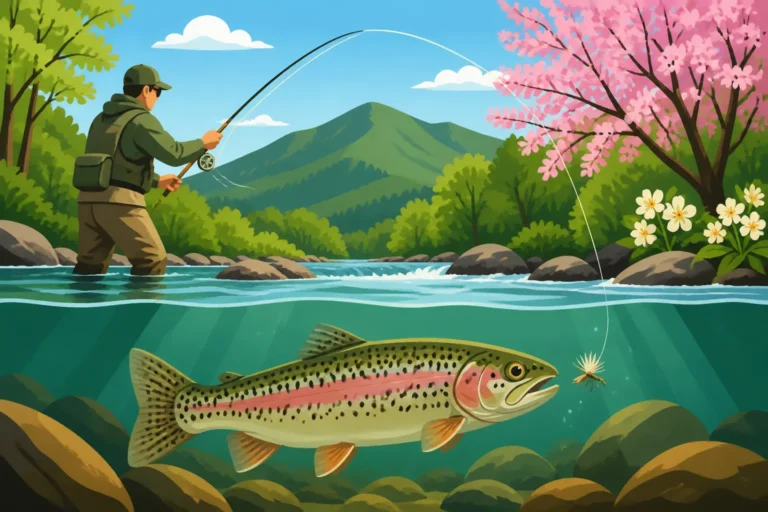
Spring in West Virginia often means higher water levels and increased current due to snowmelt and heavy rains. This can be a double-edged sword for kayak anglers.
While high water can make some sections of river less navigable or even dangerous, it also flushes nutrients and prey into the river, often triggering aggressive feeding by species like smallmouth bass and walleye. During periods of heavy runoff, focus on fishing eddies, slack water behind major obstacles, and flooded shoreline cover. These areas offer fish a break from the strong current and concentrate forage. Lure choices should favor larger, more visible baits that create a lot of vibration or displacement, as water clarity will likely be reduced. Swimbaits, spinnerbaits, and larger crankbaits are excellent choices. Be extremely cautious when paddling in high water; strainers (fallen trees where water flows through them, pinning anything caught) and powerful hydraulics can be deadly. Always scout ahead from shore if possible, or choose sections of river known for gentler flows during high water. You can find out more about Fishing after a heavy rain on West Virginia rivers to better prepare for these conditions.
Summer Lows and Clear Water Strategies
As summer progresses, West Virginia rivers typically experience lower flows and clearer water, which presents a completely different set of challenges and opportunities for kayak anglers.
Low, clear water makes fish much more wary, so stealth becomes paramount. Long casts, quiet paddling, and subtle presentations are often the order of the day. Fish will typically concentrate in deeper pools, current seams, and areas with shade or submerged structure that provides cover and cooler water. Target these areas with smaller, more natural-looking baits. Light line, fluorocarbon leaders, and finesse techniques like Ned rigs or small topwater lures in the early morning or late evening can be deadly for smallmouth bass. Kayaks truly shine in these conditions because they can access skinny water that larger boats cannot, allowing you to reach untouched pockets where fish might feel safer. Be mindful of water temperatures; when they get too high, some species, particularly trout, can become stressed by catch and release. For trout specific considerations, understand When West Virginia trout streams get too warm to fish. Carrying a water thermometer can help you make ethical decisions about fishing certain areas or species during heat waves.
Fall Transition and Winter Opportunities
Fall can be one of the most beautiful and productive times to kayak fish West Virginia rivers, as fish feed heavily in preparation for winter, and cooler temperatures bring a renewed vigor to the bite.
As water temperatures drop, many species, especially smallmouth bass and muskie, become more aggressive and will feed actively throughout the day. Focus on transition areas where fish move from shallower summer feeding grounds to deeper wintering holes. Crankbaits, jigs, and larger soft plastics can be very effective as fish try to put on weight. Fall colors on the banks make for stunning scenery, but always be aware that shorter days mean less time on the water. As winter sets in, open-water kayak fishing often gives way to ice fishing on lakes, but for hardy river anglers, opportunities still exist. Targeting deeper pools for lethargic smallmouth, walleye, or even catfish can be productive, but extreme caution regarding cold water immersion is critical. Always dress in layers, wear a dry suit if possible, and carry plenty of hot liquids. The tranquility of a winter river can be unforgettable, but the risks are significantly higher.
Finding the Best Access and Fishing Spots for River Kayaking
One of the biggest advantages of kayak fishing is the ability to access remote and untouched sections of river. However, knowing where to launch and what to expect is half the battle in West Virginia.
Utilizing Public Access Points and Boat Ramps
West Virginia has a robust network of public access points, from dedicated boat ramps to state park launches and wildlife management areas, that are perfect for kayak anglers.
Many state parks, like those along the New River Gorge National Park, offer designated launch points that are accessible and often well-maintained. These larger ramps are great for getting in and out, but be prepared to share them with larger powerboats. For a more serene experience, look for smaller, unimproved access points, often found at bridges, road crossings, or designated public fishing areas. These might require a little more effort to launch your kayak, but they often lead to less pressured water. The West Virginia DNR website is an invaluable resource for locating these points, often providing maps and descriptions of the access and facilities. Always be respectful of private property; know where public lands end and private lands begin. Parking is also a consideration; ensure you're legally parked and not obstructing any roads or private driveways. When planning your trip, consider the distance between your launch and take-out points, especially if you're doing a float trip. Shuttling vehicles can be a logistical challenge, but it's often worth it for the miles of untouched water. For instance, if you're planning a trip to the New River, researching New River Gorge National Park Fishing Access Points can guide you to suitable launch locations.
Exploring Wildlife Management Areas and State Park Waters
West Virginia's Wildlife Management Areas (WMAs) and State Parks often provide excellent kayak fishing opportunities, with dedicated management aimed at preserving natural resources and enhancing recreational access.
Many WMAs include stretches of rivers or smaller streams that are ideal for kayak fishing. These areas are managed by the West Virginia Division of Natural Resources and typically have minimal development, offering a more wilderness-like experience. Fishing regulations within WMAs usually align with statewide rules, but always double-check for any special regulations specific to that area. State parks, on the other hand, often feature lakes or easier access to rivers within their boundaries, making them popular for family-friendly outings. They usually have well-maintained boat launches, parking, and other amenities. For example, some state parks might even have designated areas with good fishing piers, or accessible kayak launches. Before heading out, always consult the specific WMA or state park website or contact their office for detailed information on access, special rules, and any permits that might be required beyond your state fishing license.
Scouting from Shore and Using Online Resources
One of the best ways to find productive kayak fishing spots on West Virginia rivers is through a combination of on-the-ground scouting and diligent online research.
Before you ever put your kayak in the water, spend some time driving along the river, looking for promising access points, visible structure, and potential hazards. Pull off the road at bridges or public access sites and observe the water. Look for current breaks, eddies, submerged logs, rock gardens, and riffles. Note where fish might be holding. Supplement your real-world scouting with online tools. Google Maps and other satellite imagery services are invaluable for getting an overhead view of the river, identifying rapids, deep pools, and potential launch points. You can zoom in to pinpoint specific bends, islands, or feeder creeks that look fishy. Fishing forums, local angling groups on social media, and dedicated West Virginia fishing blogs can also provide a wealth of information from experienced local anglers. However, remember that "honey holes" are often kept secret, so learn to interpret general advice and apply it to your own scouting efforts. The more you explore and observe, the better you'll become at identifying prime kayak fishing water.
Table of Essential Kayak River Fishing Gear
To help you get started, here's a quick overview of essential gear categories and why they're important for kayak fishing on West Virginia rivers.
| Gear Item | Purpose | Key Features for Rivers |
|---|---|---|
| Fishing Kayak | Mobility and platform for fishing | Stability, maneuverability, storage, optional pedal drive |
| PFD (Life Jacket) | Personal safety, legal requirement | Comfortable, fishing-specific pockets, whistle |
| Paddle | Propulsion and steering | Lightweight, durable, appropriate length |
| Anchor System | Position control, controlled drift | Grapnel anchor (3-5 lbs), anchor trolley, stakeout pole |
| Dry Bag | Protect electronics, valuables, extra clothes | Waterproof, durable, various sizes |
| Rod Holders | Secure rods when paddling or not in use | Flush mount, adjustable, horizontal storage |
| Landing Net | Safely land and release fish | Long handle, rubberized mesh, easily accessible |
| First-Aid Kit | Treat minor injuries | Waterproof, basic supplies |
| Communication Device | Emergency contact, safety | Waterproof phone case, satellite messenger/PLB |
| Water Bottle | Hydration | Reusable, easily accessible |
| Sun Protection | Prevent sunburn, glare reduction | Hat, sunglasses (polarized), sunscreen, long sleeves |
This table highlights just the critical components. Remember, you can always add more specialized gear as you gain experience and refine your techniques, many of which are readily available on Amazon.
Disclaimer
The information provided in this guide is for general informational purposes only and should not be considered professional advice. Kayak fishing on rivers carries inherent risks, including but not limited to drowning, injury, and exposure to the elements. Always prioritize your safety, wear a PFD, and adhere to all local, state, and federal regulations regarding fishing and boating in West Virginia. River conditions can change rapidly and unexpectedly; always scout unfamiliar waters and consult up-to-date weather and water level forecasts. The author and publisher assume no responsibility for any accidents or injuries that may occur as a result of using this information. Fish responsibly and practice ethical catch-and-release.