Best time to fish before a cold front
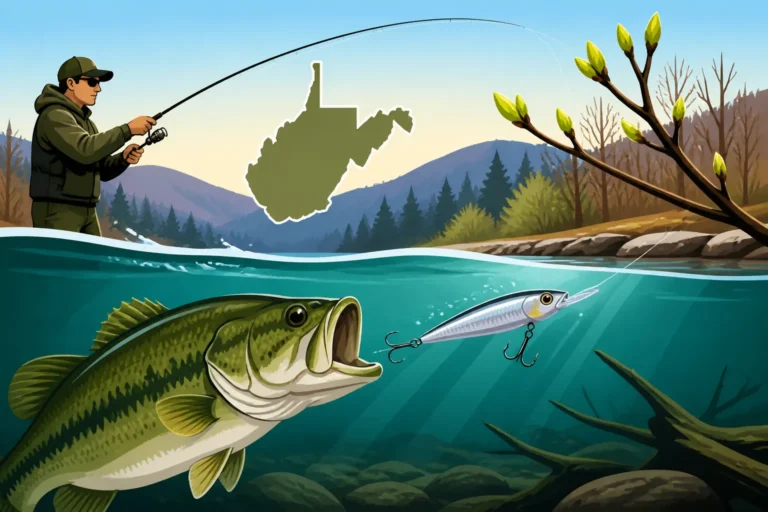
There's nothing quite like planning a great day on the water, only to have a sudden cold front roll in and completely shut down the bite. It's a frustration every West Virginia angler has experienced, watching the fish disappear just as quickly as the temperature drops. But what if I told you that the period before a cold front can actually offer some of the most phenomenal fishing opportunities? This guide is all about helping you understand the subtle signs of an approaching cold front and, more importantly, how to capitalize on that often-overlooked "golden window" when fish are actively feeding, giving you the upper hand before the bite completely turns off.
Understanding How Cold Fronts Impact Fish Behavior
Before we can strategize about fishing before a cold front, we first need to understand why these weather systems have such a profound impact on our finned friends. It's not just the temperature change; it's a whole cascade of atmospheric shifts that send signals to fish, triggering their instincts to either feed aggressively or hunker down.
At its core, a cold front is the leading edge of a cooler, drier air mass that is displacing a warmer, often more humid air mass. When this happens, several key things occur from a meteorological standpoint:
- Barometric Pressure Changes: This is perhaps the most critical factor for anglers. Before a cold front arrives, the barometric pressure typically falls. Fish, being creatures living in a water column, are incredibly sensitive to these pressure changes. Imagine the feeling in your ears when you ascend or descend quickly – fish feel something similar. A falling barometer often signals an approaching storm or adverse conditions, prompting fish to feed heavily in anticipation. Once the front passes, the barometric pressure rises sharply and stabilizes at a higher point, often making fish feel uncomfortable and lethargic.
- Temperature Drop: Obviously, the "cold" in "cold front" means cooler air, which eventually leads to cooler water temperatures. Fish are cold-blooded, and their metabolism is directly tied to water temperature. A sudden drop can make them less active and slow their digestion, reducing their need to feed.
- Wind Shifts and Intensity: Cold fronts are often accompanied by strong winds that can quickly churn the water, especially on larger lakes and rivers. This can impact water clarity, create uncomfortable conditions for anglers, and even push baitfish around, forcing game fish to adjust their positions.
- Cloud Cover and Precipitation: Pre-frontal conditions often bring cloudy skies and sometimes rain or thunderstorms. Post-frontal, you typically get clear skies and calm winds, which, while pleasant for humans, can make fishing tougher due to increased light penetration and less water disturbance.
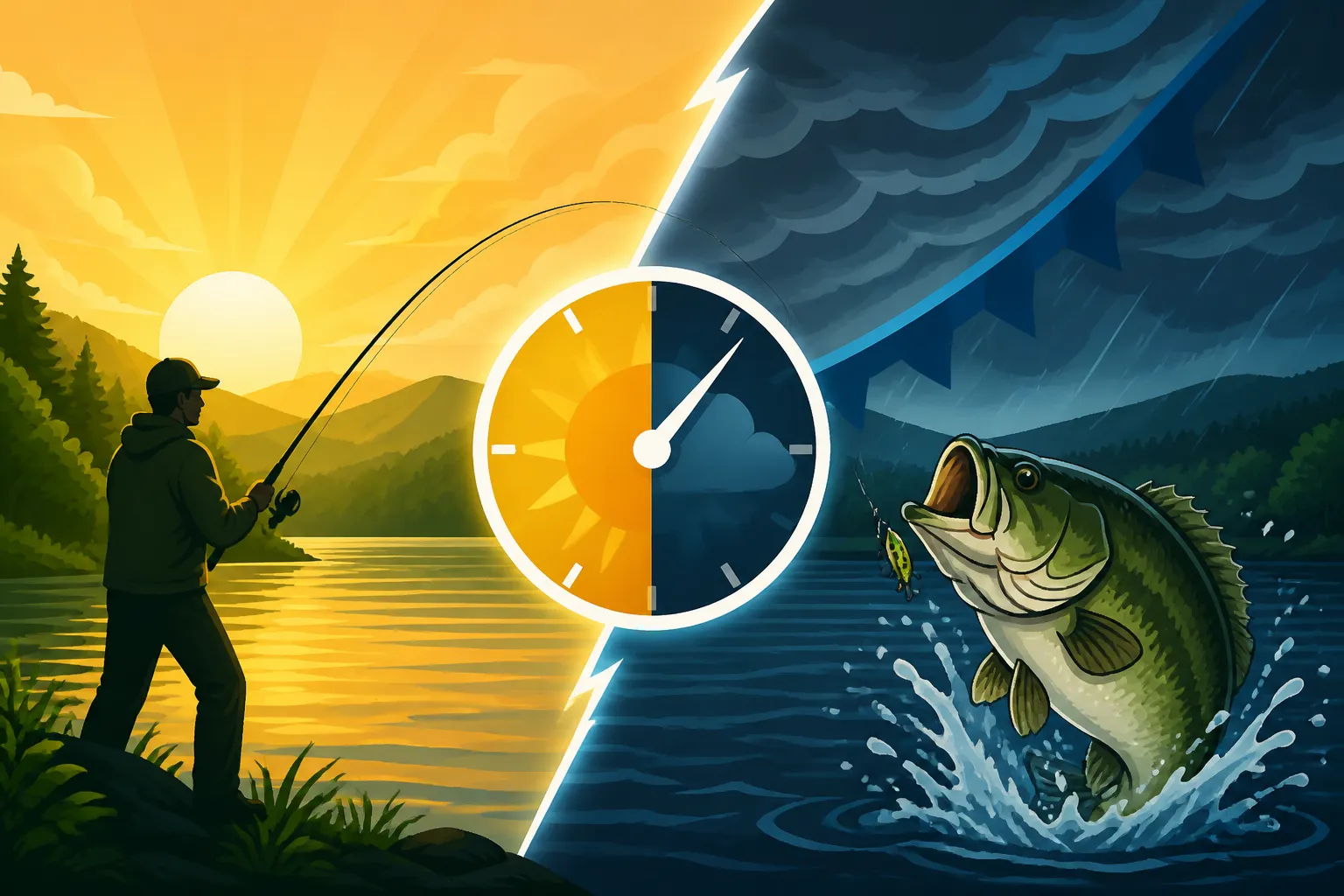
These changes combined tell the fish: "Winter is coming" or at least "Bad weather is on its way." Their instinct is to gorge themselves while the going is good. After the front passes, they become wary, often moving to deeper water or thick cover, conserving energy, and becoming much pickier about what they eat. It's like they know a lean period is ahead, so they fill up their pantry before the storm. This is why many anglers experience the infamous "post-frontal blues" where the fishing just shuts down.
The "Golden Window": Pre-Frontal Feeding Frenzies
Now for the good news! That period just before the cold front hits, when the barometric pressure is falling steadily, is what many experienced anglers call the "golden window." This is often the best time to fish before a cold front, offering some of the most intense and rewarding action you'll find.
Think of it from the fish's perspective: the pressure is dropping, telling them that a major weather change is coming. Their internal clock screams, "Eat! Eat all you can before conditions turn sour!" Their metabolism is still high from the warmer, pre-frontal air and water, and they instinctively know it's time to stock up on calories. This drives them into a feeding frenzy, making them less wary and more aggressive than usual.
This "golden window" usually lasts anywhere from 6 to 24 hours leading up to the actual passage of the front. You'll often notice a significant increase in fish activity during this time. Suddenly, those shy bass that were tucked away might be hitting topwater lures with abandon, or walleye that were deep and sluggish might move up to shallow flats to chase baitfish. It's a noticeable shift in behavior, and if you're prepared, you can truly cash in on it.
During this period, fish are often more willing to chase down a meal, meaning you can often use more aggressive presentations and larger baits than you might typically. They're not just looking for an easy meal; they're actively hunting, trying to pack on as much energy as possible before the inevitable discomfort and lethargy that follows the frontal passage. This window is especially pronounced for predatory species like bass, walleye, muskie, and even larger trout, which seem to be particularly attuned to these barometric shifts.
Spotting the Signs: Reading the Weather and Your Environment
To truly leverage the "golden window," you need to be a bit of a meteorologist yourself. You don't need fancy equipment, just an observant eye and a basic understanding of weather patterns. Predicting an incoming cold front in West Virginia isn't about guesswork; it's about paying attention to the signals nature provides.
One of your best friends here will be a good weather app or a dedicated weather radio. These can give you advance notice of frontal systems moving into our region. Look for forecasts that predict a significant drop in temperature, especially coupled with a shift in wind direction (often from southwesterly to northwesterly) and rising barometric pressure after the initial drop. Many advanced weather apps even offer barometric pressure graphs, allowing you to see the trend in real-time. You can find excellent, reliable weather radios and apps through platforms like Amazon, making it easier than ever to stay informed while on the go.
Beyond the forecast, there are visual cues to watch for:
- Falling Barometer: If you have a portable barometer or a weather station at home, watch for a steady decline in pressure. This is the clearest indicator.
- Changes in Wind Direction and Speed: Often, before a cold front, you'll feel a gradual increase in wind, often shifting to come from a southerly or southwesterly direction, bringing warmer, humid air. As the front approaches, it might become gusty, then suddenly shift to the west or northwest as the colder air arrives.
- Cloud Formations: You might see high, wispy cirrus clouds first, gradually thickening into lower, darker nimbostratus clouds that can bring rain or even thunderstorms just before the front. Post-frontal, skies often clear dramatically, leaving crisp, clear air.
- Temperature: While the actual temperature drop signals the front's arrival, the warm, humid air before the front is a key indicator. It feels heavy, often with a sticky humidity, even if the thermometer isn't soaring.
Paying attention to these subtle changes in the air, the sky, and even how local wildlife behaves can give you a crucial heads-up. Birds might become more active, insects might hatch more profusely, or even local critters might seem to be foraging more energetically. It's all part of nature's early warning system.
Adapting Your Strategy: Lures, Baits, and Locations for Pre-Front Action
Once you've identified that sweet spot just before the cold front, it's time to adjust your fishing strategy. This isn't the time for subtle, finesse presentations. Fish are on the hunt, and you need to match their aggressive mood.
Lures and Baits: Go Big and Bold
During the pre-frontal bite, fish are less likely to inspect a bait closely and more likely to strike out of pure instinct. This means you can often get away with, and even benefit from, more aggressive choices:
- Crankbaits: Diving crankbaits that mimic fleeing baitfish are excellent. Choose colors that stand out in the water you're fishing – natural baitfish patterns in clear water, and brighter, more erratic colors in stained or muddy conditions. Hard-thumping models can also help fish locate them in choppier water.
- Spinnerbaits: These are fantastic for covering water quickly and generating a lot of flash and vibration. Tandem Colorado or willow leaf blades can be highly effective, especially for bass and even muskie in certain situations.
- Topwater Lures: If conditions are right (low light, calm water), topwater plugs like poppers, walk-the-dog baits, or buzzbaits can provoke explosive strikes from hungry bass. The aggressive nature of the pre-frontal bite often means fish are willing to come up for a meal.
- Swimbaits: Larger swimbaits, either hard-bodied or soft plastics, can imitate larger forage and entice bigger, more aggressive fish looking for a substantial meal.
- Live Bait: If you prefer live bait, this is the time to use robust presentations. Large shiners, creek chubs, or even a big nightcrawler can be incredibly effective, especially for species like walleye or catfish that might be gorging.
Remember, the goal is to trigger a reaction strike, not necessarily a careful inspection. Don't be afraid to experiment with faster retrieves and more erratic actions. You'll find a wide array of these effective lures and baits available on Amazon, ready for your next pre-frontal outing.
Location, Location, Location: Where to Find Them
Fish positions also change during the pre-frontal period. While they might eventually retreat to deep cover once the front passes, just before it, they'll often be on the prowl.
- Shallow Flats and Edges: Look for fish moving into shallower flats, points, and weed lines adjacent to deeper water. They're often cruising these areas, actively searching for baitfish or insects.
- Ambush Points: Structure is always key. Concentrate on areas like submerged timber, rock piles, ledges, and current breaks where fish can stage to ambush prey. River bends and confluence points can be particularly productive.
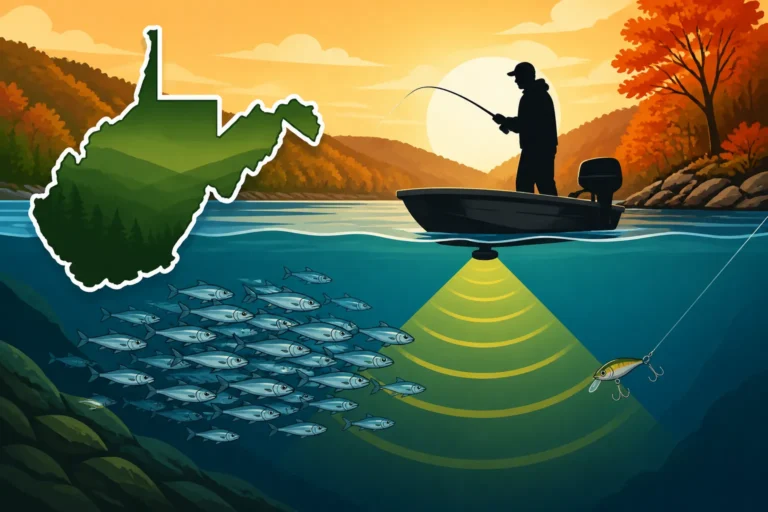
- Baitfish Concentrations: If you can locate schools of baitfish, you'll often find the predators nearby. Keep an eye out for surface activity or use your fish finder to mark schools.
- Tailwaters: For trout anglers, the pre-frontal conditions can still make tailwaters productive, especially if water releases are stable. Trout in these environments might be feeding more actively on larger nymphs or streamers. To learn more about specific techniques, you might want to read our guide on how to fish a tailwater in West Virginia.
The key is to think about where fish would go to feed aggressively and quickly. They're not conserving energy yet; they're spending it to fill up.
Techniques: Power Fishing is Your Friend
This isn't the day for slow, methodical finesse. This is the time for power fishing:
- Fast Coverage: Use lures and techniques that allow you to cover a lot of water quickly. Spinnerbaits, crankbaits, and even fast-retrieved swimbaits let you search for active fish.
- Aggressive Retrieves: Vary your retrieve, but don't be shy about making it erratic and quick. Stop-and-go, jerking, and ripping actions can trigger strikes.
- Heavy Tackle (Within Reason): You might be able to get away with slightly heavier line and gear than usual, as fish are less line-shy during an aggressive bite. This also helps when battling a strong fish that's gorging itself. If you're targeting muskie, for instance, you'll want to review your gear as discussed in our article on Best Muskie Gear for West Virginia Rivers.
Species-Specific Strategies for West Virginia Anglers
While the general principles apply, understanding how specific species react to pre-frontal conditions can fine-tune your approach in West Virginia's diverse waters.
Bass (Smallmouth and Largemouth)
West Virginia is a bass angler's paradise, from the raging currents of the New River to the sprawling reservoirs. Before a cold front, both largemouth and smallmouth bass become highly aggressive.
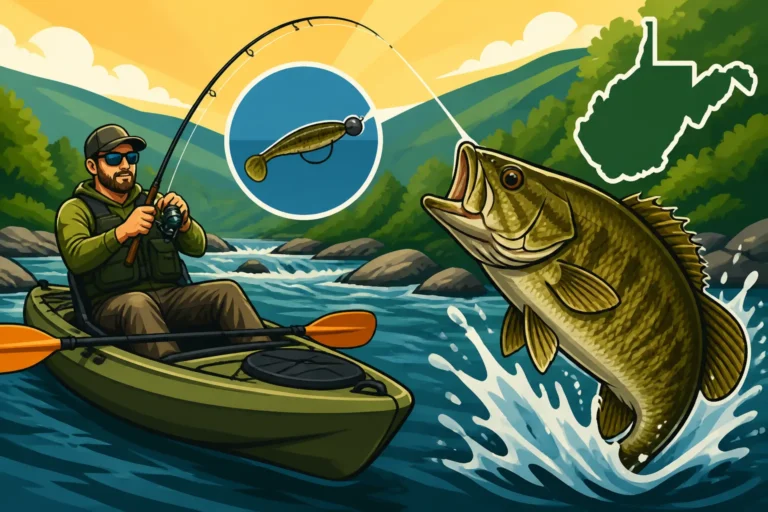
- Smallmouth Bass: On rivers like the New River, South Branch Potomac, or Cheat River, smallmouth will often move into current seams, eddy lines, and shallower rocky areas adjacent to deeper pools. They'll smash Best crankbaits for West Virginia smallmouth bass and spinnerbaits, and if the water is clear enough, even topwater baits like poppers or walk-the-dog lures can be deadly. Don't shy away from larger tubes or jig-and-trailer combos fished aggressively. Knowing the Best baits for smallmouth bass on the New River can give you a significant advantage.
- Largemouth Bass: In lakes like Summersville Lake, Stonewall Jackson Lake, or even farm ponds, largemouth will push up into weed edges, lily pad fields, and shallow timber. This is a prime time for spinnerbaits, chatterbaits, and even big plastic worms or creature baits worked quickly. They're looking for an easy, substantial meal before the clear, high-pressure days that follow.
Walleye
Walleye, often found in deep, clear lakes like Summersville or Tygart, or in the Ohio River, are notoriously sensitive to pressure changes.
- Before the Front: Walleye will often move shallower, especially onto flats, humps, and points near deeper water. Trolling crankbaits or casting blade baits and jigging spoons can be very effective. They'll be more inclined to chase, so quicker retrieves than normal can trigger bites. Look for them feeding actively during low light periods, but don't count out daytime action during this window.
- Ohio River: On the Ohio River, walleye might concentrate in current breaks below dams or at the mouths of tributaries. Vertical jigging or casting aggressive jerkbaits can be productive. Knowing the West Virginia Walleye Daily and Possession Limits is crucial here.
Trout
For trout, especially stocked trout, the pre-frontal bite can be strong before the water cools too much.
- Stocked Waters: In rivers like the Elk River or Cranberry River, or any of the state's popular stocked lakes, trout will often respond well to aggressive presentations of spinners, spoons, or even brightly colored PowerBait. They're still active from the warmer water and will feed before the inevitable shutdown.
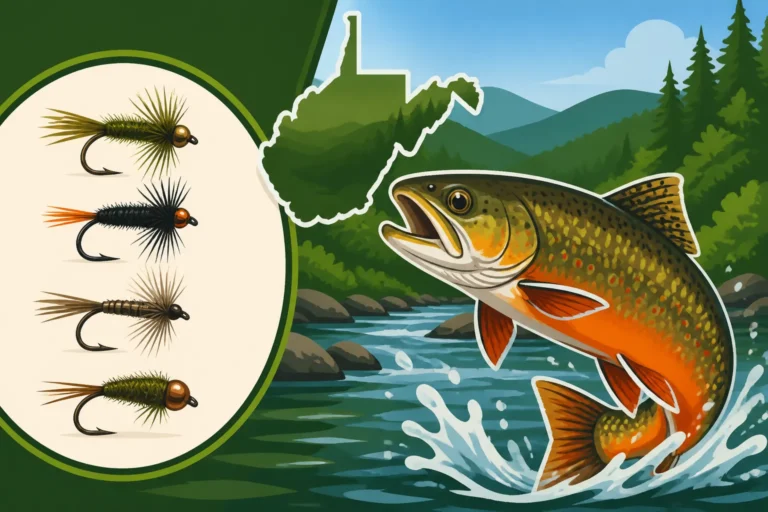
- Wild Trout: Wild brook trout in high mountain streams might be less affected by the overall frontal system as their environments are more stable, but even they might exhibit a surge in feeding before significant weather. Dry flies, nymphs, and small streamers can all be productive. Consider reading up on West Virginia Trout Stocking Hotline and Schedule to plan your trips.
Muskie
West Virginia is renowned for its muskie fishing, and these toothy predators are definitely affected by cold fronts.
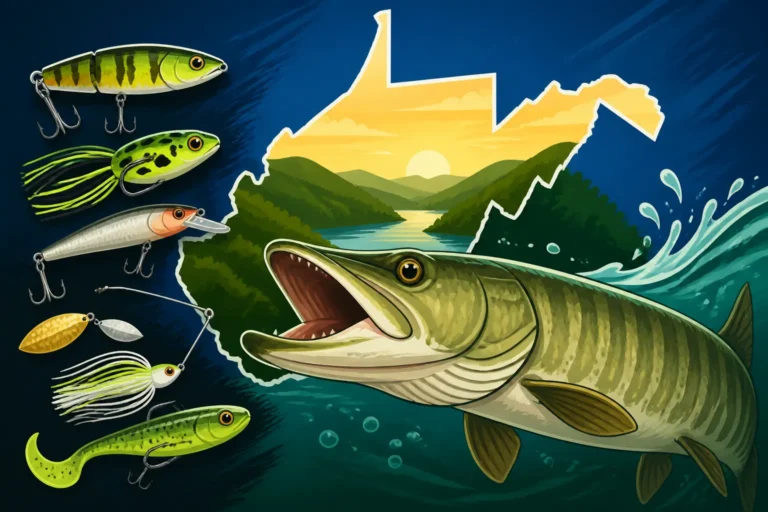
- Pre-Frontal Feeding: Muskie will often go on a tear before a cold front. They'll be patrolling shallower cover, weed lines, and points. This is the time for big bucktails, crankbaits, glide baits, and large soft plastics. They're looking for a massive meal. Work your baits quickly and aggressively. Many anglers refer to this as the "feeding window" before the post-frontal "lockjaw" sets in. You can learn more about West Virginia Muskie Regulations Explained to ensure you're compliant.
The Post-Frontal Reality and Why the "Before" Matters
Once the cold front has officially passed, the fishing typically gets much tougher. The barometric pressure rises and stabilizes, the skies clear, and the wind often dies down, leaving calm, bright conditions. While beautiful for a picnic, these are often the most challenging conditions for anglers. Fish typically retreat to deeper water or dense cover, become very lethargic, and are extremely picky. Their metabolism slows, and they're less inclined to chase or strike.
This stark difference between pre-frontal and post-frontal fishing is precisely why understanding and capitalizing on that "golden window" is so crucial. If you know a cold front is coming, and you're able to hit the water 6-18 hours before it arrives, you significantly increase your chances of a memorable day. You're essentially fishing during a time when fish are programmed to be most active and vulnerable.
Many anglers make the mistake of going out after the front has passed, hoping for clearer skies or calmer waters, only to be met with disappointment. By being proactive and recognizing the signs, you can shift your plans and target that prime feeding window, making the most of your time on West Virginia's incredible fishing waters. So next time the forecast predicts a cold front, don't despair – get excited, and get to the water! Understanding the Best time of year to fish in West Virginia can also help you anticipate these weather patterns.
Here's a quick summary of key tactics:
| Factor | Pre-Frontal Strategy |
|---|---|
| Barometric Pressure | Falling or low and stable. Fish are active and feeding aggressively. |
| Fish Behavior | Aggressive, active, less wary. Often move to shallower feeding grounds or ambush points. |
| Lure/Bait Choice | Larger, more aggressive presentations. Crankbaits, spinnerbaits, topwater lures, swimbaits, large live bait. |
| Retrieve Speed | Faster, more erratic retrieves to trigger reaction strikes. Cover water quickly. |
| Target Locations | Shallow flats, points, weed edges, current seams, humps, and structure adjacent to deeper water. Areas where baitfish congregate. |
| Species Focus | All predatory species, especially bass, walleye, and muskie, tend to go on a feeding frenzy. Even trout can be more active before a significant temperature drop. |
| Key Indicators | Check local forecasts for temperature drops and wind shifts. Monitor barometric pressure (falling trend is key). Observe increasing cloud cover and potential pre-frontal rain. |
By paying close attention to these details and adapting your approach, you can turn an impending cold front from a fishing curse into an opportunity for some of your most exciting catches. And remember, always make sure you're up to date on your West Virginia Fishing License Guide for 2026 and all relevant West Virginia Fishing Regulations Explained before you head out.
Disclaimer
This article is for general informational purposes only and does not constitute professional advice. Laws, prices and regulations vary by location and change over time. Consult a qualified professional for guidance on your specific situation.