Best flies for Shavers Fork brook trout
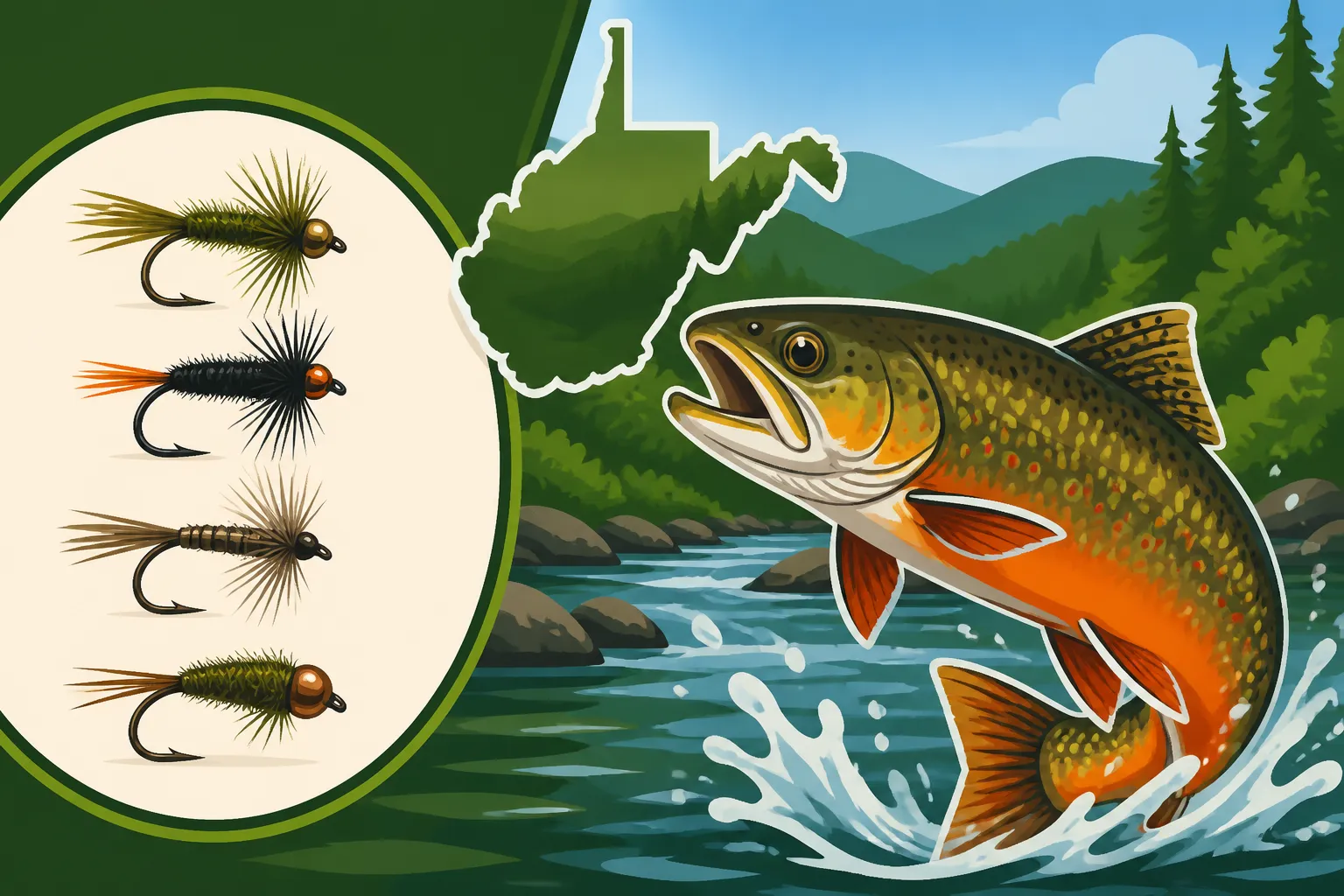
If you've ever stood on the banks of Shavers Fork, fly rod in hand, staring at those clear, cold waters, you know the feeling. It's a mix of awe and a healthy dose of intimidation. Those wild brook trout are notoriously finicky, and figuring out what fly they'll even glance at can feel like solving an ancient riddle. This guide is here to break down that mystery, offering practical advice and specific fly patterns that have consistently fooled these elusive gems in one of West Virginia's most cherished trout streams.
Understanding Shavers Fork and Its Brook Trout
Shavers Fork is more than just a stream; it's an institution for West Virginia fly anglers, especially those chasing native brook trout. It flows through the heart of the Monongahela National Forest, offering miles of pristine, wild water. But with that wildness comes a challenge. These aren't your typical hatchery-raised trout; they're descendants of fish that have survived for generations, honed by natural selection to be wary and opportunistic.
The Unique Challenge of Wild Brook Trout
Wild brook trout, often called "brookies," are a different breed. Unlike their stocked cousins, which might eat anything that hits the water, these fish are incredibly selective. They're tuned into the rhythm of their environment, keying into specific insects, tiny aquatic invertebrates, or even small minnows that are abundant at any given time. Their survival depends on their ability to discern a real meal from a mere imitation. This means your fly presentation needs to be spot-on, and your fly choice has to be just right for the conditions. You can't just throw a big gaudy fly and expect success; it often takes a more subtle approach. They spook easily, so stealth is paramount. A heavy footstep on the bank or a poorly executed cast can send them darting under a rock, making that pool unproductive for a good while. Many anglers consider Shavers Fork Brook Trout Fishing to be the pinnacle of Appalachian fly fishing, precisely because of this challenge.
Key Characteristics of Shavers Fork's Ecosystem
Shavers Fork itself is a classic Appalachian freestone stream. This means it relies on rainfall and snowmelt for its flow, leading to fluctuations in water levels and temperatures throughout the year. The bottom is a mix of rocks, gravel, and silt, providing excellent habitat for a diverse insect population. You'll find plenty of caddisflies, mayflies, stoneflies, and midges, along with terrestrials like ants, beetles, and grasshoppers that inevitably fall into the water from the overhanging foliage. The water is typically clear and cold, even in summer, which is crucial for brook trout survival. The healthy riparian zones along the stream banks contribute greatly to the ecosystem, providing shade, food, and cover. Understanding these factors is critical for selecting the right fly. For instance, the prevalence of certain stonefly species or the abundance of small baitfish in specific sections will dictate what patterns become most effective. It's truly a special place, often listed among the West Virginia special regulation trout streams for its exceptional natural beauty and fishing opportunities.
Essential Dry Flies for Shavers Fork Brook Trout
When the brookies are looking up, nothing beats the excitement of a dry fly bite. These topwater presentations can be incredibly effective, especially on clear, calm days or when a hatch is in full swing. Because Shavers Fork brook trout are so visually oriented when feeding on the surface, your dry flies need to be well-tied and imitate the natural insects closely.
Classic Caddis and Mayfly Imitations
Caddisflies and mayflies are a staple of a trout's diet in freestone streams like Shavers Fork. Having a selection of these patterns in various sizes and colors is non-negotiable.
- Elk Hair Caddis: This is an absolute workhorse. It's durable, floats well, and imitates a wide variety of adult caddisflies. I always carry them in sizes #12-18, with tan, olive, and natural deer hair colors being my go-tos. When you see caddis skittering across the surface, especially in the late afternoon or evening, this fly is your best friend. A slight twitch on the retrieve can often trigger a strike from a hesitant brookie.
- Adams Dry Fly: The Adams is another classic that imitates several different mayfly species. It's a general attractor pattern that often works even when no specific hatch is occurring. Sizes #14-20 are most useful here. Parachute Adams are especially effective because they sit low in the water, mimicking a crippled or emerging mayfly, which brook trout often find irresistible.
- Blue-Winged Olive (BWO) Parachute: BWOs are smaller mayflies that hatch throughout the year, especially on overcast or rainy days. These hatches can be prolific, and having some Parachute BWOs in sizes #18-22 is critical for matching those delicate insects. Their subtle profile on the water is key to fooling wary trout.
- Light Cahill: When you see pale-colored mayflies, particularly in the evenings during late spring and early summer, the Light Cahill in sizes #14-16 can be incredibly effective. Its light body and wings stand out well against the darkening sky, making it an easy target for hungry brook trout.
For anyone serious about Dry Fly Fishing West Virginia Mountain Streams, these patterns are the bread and butter. You can find excellent quality versions of these flies from various tiers and brands on platforms like Amazon, making it easy to stock up before your next trip.
Terrestrial Patterns for Summer Success
As summer progresses and the water levels might drop a bit, terrestrials become a significant food source for brook trout. These are land-dwelling insects that accidentally fall into the water.
- Ant Patterns (Cinnamon and Black): Ants are constantly falling into the water, and trout readily eat them. Carry both cinnamon and black foam ants or parachute ants in sizes #14-18. They are often overlooked but can be devastatingly effective on hot, sunny days when other hatches are sparse. Their simple profile and subtle presentation are often what it takes.
- Hopper Patterns (Joe's Hopper, Dave's Hopper): Later in the summer, especially from July through September, grasshoppers and crickets become more prevalent along the stream banks. A well-presented hopper pattern in sizes #10-14 can elicit explosive strikes from larger brook trout. Don't be afraid to cast these close to bankside vegetation where naturals might fall in. These larger flies also make for a great indicator when fishing a nymph dropper.
- Beetle Patterns (Black Foam Beetle): Similar to ants, beetles are common terrestrials. A simple black foam beetle in sizes #14-18 is a fantastic pattern, especially if you're fishing under shaded banks or around downed timber. Their dark profile creates a strong silhouette that trout pick up easily. They float well and are quite durable, standing up to multiple fish.
Fishing terrestrials often means targeting specific areas – under overhanging branches, near tall grasses, or along cut banks where insects might lose their footing. A soft, accurate cast is more important than distance with these flies.
Effective Nymph Patterns for Shavers Fork
While the dry fly bite is exhilarating, much of a trout's diet comes from subsurface insects. Nymphing is often the most consistent way to catch brook trout, especially when fish aren't actively rising. The clear waters of Shavers Fork demand well-tied, realistic, or highly attractive nymph patterns.
Basic Attractor Nymphs for Subsurface Action
Attractor nymphs don't necessarily imitate a specific insect perfectly, but rather suggest a tempting meal. Their movement, color, or flash gets the brook trout's attention.
- Pheasant Tail Nymph: This classic pattern is incredibly versatile, mimicking a wide variety of mayfly nymphs. Carry them in sizes #14-20, often with a small bead head for added weight. It's a subtle fly that works in almost any condition and should always be in your box. The segmented body and soft hackle movement are very appealing to brook trout.
- Hare's Ear Nymph: Another universal pattern, the Hare's Ear imitates various mayfly and caddisfly nymphs. Its buggy, shaggy appearance is what makes it so effective. Sizes #12-18, both bead head and unweighted, are essential. I find the natural dark tan color works best.
- Copper John: This is a fantastic attractor nymph, especially for getting down to the fish quickly in faster currents or deeper pools. Its flashy copper body and epoxy back make it highly visible and alluring. Sizes #12-18, in red, black, or natural copper, are good choices. It's a great "point fly" in a multi-nymph rig.
- Prince Nymph: With its white biots and peacock herl body, the Prince Nymph is a strong general attractor that can imitate a stonefly or a large mayfly nymph. Sizes #12-16 are effective. It's a buggy-looking fly that often gets attention when other patterns are ignored.
When nymphing, remember that a good drift is paramount. You want your fly to tumble naturally with the current, just like real insects. Consider experimenting with different weights and presentation styles. You might even consider adopting techniques like Euro Nymphing West Virginia Trout Streams for ultimate control and sensitivity in these wild waters.
Emerger and Midge Patterns for Finicky Eaters
Sometimes brook trout are keying in on insects as they transition from nymph to adult (emergers) or on tiny midges, which are often overlooked but can be incredibly important food sources, especially in colder months or during slow periods.
- CDC Caddis Emerger: These flies suspend just under the surface or in the film, perfectly imitating a caddisfly struggling to hatch. The CDC (Cul de Canard) feathers are naturally buoyant and create a lifelike profile. Sizes #14-18 are good for Shavers Fork.
- Barr's Emerger: Designed to mimic mayfly emergers, this pattern sits low in the water and is very effective when trout are sipping just below the surface. Sizes #16-20, in various mayfly colors like olive or gray, are excellent choices.
- Zebra Midge: Midges are present year-round and can be the primary food source for trout, especially in winter or during periods of sparse insect activity. A simple black or olive Zebra Midge in sizes #18-22 (sometimes even #24!) can be incredibly effective when fished in tandem, often as a dropper below a larger nymph. The subtle flash of the wire body is often enough to entice a strike.
- Griffith's Gnat: While technically a dry fly, the Griffith's Gnat is a phenomenal midge cluster imitation. When you see tiny midges swarming, sometimes trout will key in on the clusters rather than individual insects. This fly in sizes #18-22 can be surprisingly effective.
Fishing these smaller patterns requires lighter tippet, like those discussed in Best tippet material for tiny mountain stream trout, and a keen eye for subtle takes. Often, all you'll see is a slight hesitation or twitch in your fly line.
Streamer and Wet Fly Strategies
While Shavers Fork brook trout are often thought of as small, insect-eating fish, they are also opportunistic predators. Larger, more aggressive brookies will readily chase small baitfish or larger aquatic invertebrates, making streamers and traditional wet flies excellent choices, especially when water levels are a bit higher or off-color.
Small Streamers for Aggressive Brookies
Don't let the "small" reputation of brook trout fool you; they can be incredibly aggressive, especially the larger specimens. Small streamers that imitate minnows or sculpins can trigger a predatory response.
- Woolly Bugger (Olive, Black, Brown): The Woolly Bugger is arguably the most versatile streamer pattern ever created. For Shavers Fork, focus on smaller sizes, #8-12. Fish them with a slow retrieve, adding pauses, or stripping them erratically. The marabou tail breathes in the water, giving it incredible life. It's a fantastic pattern for targeting deeper pools or under undercut banks where bigger brookies hide.
- Sculpin Pattern (Muddler Minnow, Sculpzilla): Sculpins are small, bottom-dwelling fish that are common in many trout streams. Patterns that imitate them, such as a weighted Muddler Minnow or a Sculpzilla in sizes #8-12, can be deadly. Fish these close to the bottom, bumping them along rocks, to imitate a natural sculpin. Brook trout often react aggressively to these profiles, seeing them as a substantial meal.
- White Marabou Streamer: Sometimes, simplicity is key. A simple white marabou streamer in sizes #10-14 can imitate a variety of small baitfish. Fish it with short, sharp strips to make it dart and flash, attracting attention from across the pool. It's a great choice when the water has a bit more color after a rain.
When fishing streamers, think about how a baitfish would behave. They dart, hide, and swim erratically. Your retrieve should mimic this. While they may not be specifically tied for brook trout, many of the principles for Best streamer patterns for West Virginia brown trout can be adapted to entice aggressive Shavers Fork brookies.
Traditional Wet Flies for Swinging
Wet flies are a classic, often overlooked category that can be incredibly effective, especially in faster runs or riffles. They are designed to be fished subsurface, swinging across the current, imitating drowned insects or emerging nymphs.
- Soft Hackle (Partridge and Orange/Green): These simple wet flies are incredibly effective. The soft hackle moves enticingly in the current, mimicking an insect struggling or drifting. Sizes #14-18 are perfect. Fish them across and down, allowing the current to do most of the work, and watch for subtle tugs as they swing.
- Grateful Dead: A less common but highly effective wet fly, the Grateful Dead features a dark body and a wing that often resembles a drowned terrestrial or a larger caddis pupa. Sizes #12-16 can be very good, especially in deeper pockets or runs.
- Hare's Ear Wet Fly: Similar to its nymph counterpart, a Hare's Ear tied as a wet fly can be a great general-purpose pattern, especially in sizes #14-16. Its buggy profile is hard for trout to resist.
Swinging wet flies is a very traditional and often productive way to fish. It's not about dead drifting; it's about the fly moving enticingly through the water column. You can gain more confidence in these techniques by exploring guides like How to fish a run and pool trout stream, which often touch on wet fly applications.
Matching the Hatch and Seasonal Considerations
The beauty and challenge of Shavers Fork, like any wild trout stream, lie in its ever-changing nature. The "best" flies aren't static; they shift with the seasons, water conditions, and the specific insect life present. Being observant and adapting your fly choice is key to consistent success.
Spring and Early Summer Hatches
Spring in West Virginia is a magical time for trout fishing. As the water warms, insect activity explodes, and brook trout often become very active, feeding heavily on emerging and adult insects.
- Early Spring (March-April): Water temperatures are still quite cold (refer to What water temperature trout need to survive for ideal ranges). Stoneflies (like the Early Black Stonefly) and larger BWO hatches can occur. Nymphing with large stonefly imitations (Pat's Rubber Legs, Girdle Bug in #8-12) and smaller BWO nymphs (Pheasant Tail, Barr's Emerger in #18-20) is often most effective. On warmer, overcast days, you might see some adult BWOs (Parachute BWO, #18-20) on the surface.
- Late Spring/Early Summer (May-June): This is often peak season for many hatches. Caddisflies become very prominent, especially in the evenings (Elk Hair Caddis, #12-16; LaFontaine's Sparkle Pupa, #14-18). Mayflies like Hendricksons (Red Quill, #14), Sulphurs (Pale Morning Dun, #16-18), and March Browns (March Brown Dry, #12-14) can also have strong hatches. This is a prime time for consistent dry fly fishing, so have a good selection of imitations for these specific insects. Don't forget attractors like the Adams Dry Fly in various sizes when no specific hatch is obvious.
Observing the water for rising fish and what insects are flying around is your best indicator. Carry a small seine or just turn over a few rocks to see what nymphs are present in the stream.
Late Summer and Fall Adaptations
As summer progresses, water levels can drop and temperatures can rise, making fishing more challenging. Fall brings cooler temperatures and another burst of activity.
- Late Summer (July-August): Hatches can become more sporadic, often occurring very early in the morning or late in the evening. Terrestrials become incredibly important during the heat of the day. Hopper patterns (#10-14), Ant patterns (#14-18), and Beetle patterns (#14-18) fished close to the banks are often your best bet. If you find cooler, deeper pockets, try small streamers (Woolly Bugger, #10-12) or attractor nymphs (Copper John, #14-16) to probe the depths. Look for small caddis hatches in the evenings (Elk Hair Caddis, #16-18).
- Fall (September-November): The cooler air and water temperatures of fall can reignite insect activity and the brook trout's metabolism. BWO hatches can return with vigor on overcast days (#18-20). Midges are a constant, so be prepared with tiny Zebra Midges (#20-22) and Griffith's Gnats (#20-22). Stoneflies can also make a reappearance. The fish will be actively feeding, preparing for winter. This is also a fantastic time for prospecting with a dry-dropper rig, using a buoyant terrestrial (like a hopper) to suspend a small nymph or midge below it.
Remember, the fish are often looking for the easiest meal. If there's an abundance of one type of insect, that's what they'll likely be eating. Always have a good selection, and don't be afraid to change flies frequently until you find what works.
Here's a quick summary table of recommended flies by type and season:
| Fly Type | Pattern | Sizes | Primary Season | Notes |
|---|---|---|---|---|
| Dry Flies | Elk Hair Caddis | #12-18 | Spring, Summer, Fall | Versatile, great for caddis hatches |
| Adams Dry Fly | #14-20 | Year-round | General attractor, good for various mayflies | |
| Parachute BWO | #18-22 | Spring, Fall, Winter | Key for small, delicate mayfly hatches | |
| Ant (Black/Cinnamon) | #14-18 | Summer | Crucial for warmer months, overlooked | |
| Hopper (Joe's/Dave's) | #10-14 | Late Summer | Big meal for aggressive fish, excellent indicator | |
| Nymphs | Pheasant Tail Nymph | #14-20 | Year-round | Imitates various mayfly nymphs, classic |
| Hare's Ear Nymph | #12-18 | Year-round | Buggy attractor, versatile | |
| Copper John | #12-18 | Year-round | Gets deep fast, flashy attractor | |
| Zebra Midge | #18-22 | Year-round, Winter | Essential for midge activity, subtle takes | |
| Barr's Emerger | #16-20 | Spring, Fall | Effective for mayfly emergers, sits in the film | |
| Streamers | Woolly Bugger | #8-12 | Year-round | Imitates baitfish/leeches, very versatile |
| Sculpin Pattern | #8-12 | Year-round | Imitates bottom-dwelling baitfish, good for larger fish | |
| Wet Flies | Soft Hackle | #14-18 | Year-round | Drifting/swinging drowned insects, very lifelike |
Remember to approach Shavers Fork with respect and a keen eye. These wild brook trout are a precious resource, so practice catch-and-release with care, handle fish gently, and minimize their time out of the water. For more information on responsible angling, check out West Virginia Catch and Release Rules for Trout. Having the right gear, including the Best Fly Rods for West Virginia Trout Streams, will also make a huge difference in your success.
Disclaimer
The information provided in this guide is for general informational purposes only and does not constitute professional advice. Fishing conditions, regulations, and insect hatches can change rapidly. Always consult the latest West Virginia fishing regulations before heading out on the water. Engage in fishing activities at your own risk and exercise caution and good judgment.