Dry Fly Fishing West Virginia Mountain Streams
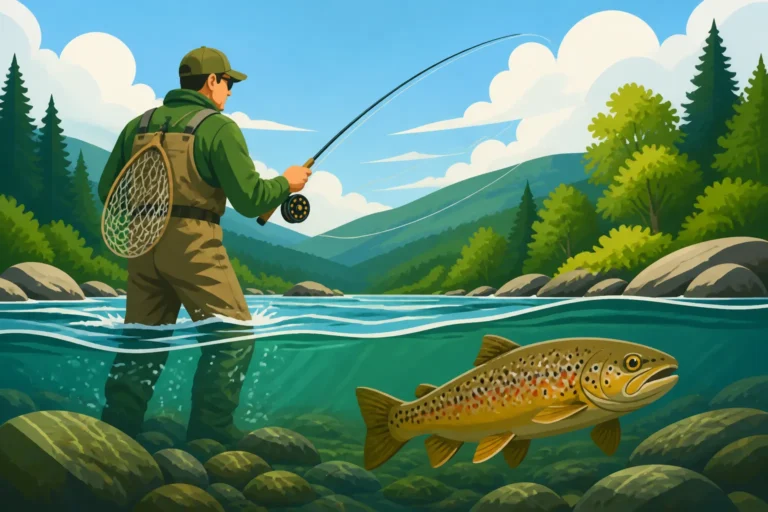
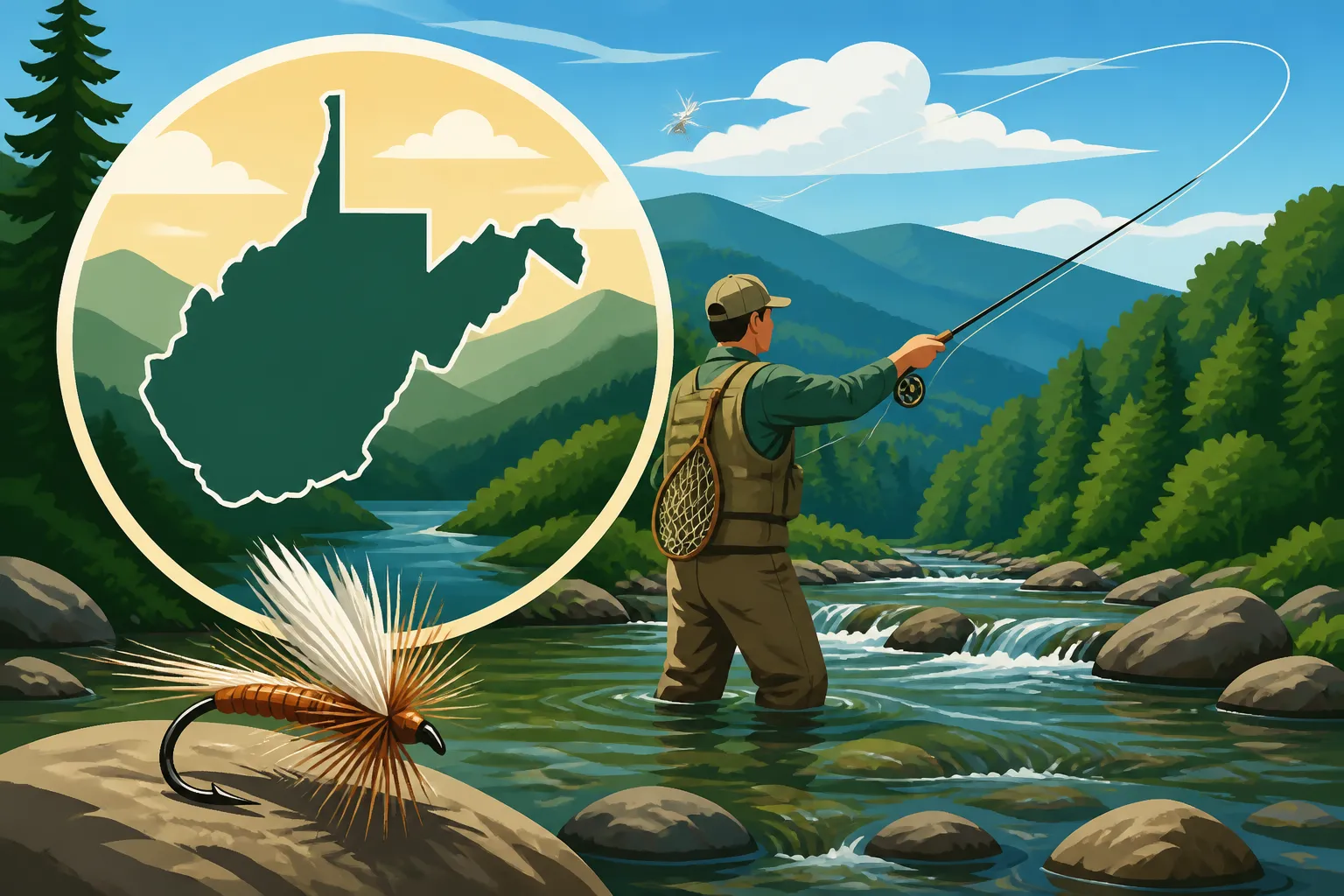
There's nothing quite like the frustration of spending hours on a beautiful West Virginia mountain stream, casting endlessly, only to feel like you're just spooking fish or, worse, seeing them ignore your perfectly presented fly. Many anglers dream of those explosive topwater strikes but struggle with the nuances of dry fly fishing in our challenging currents and wild trout haunts. This comprehensive guide will walk you through everything you need to know to successfully dry fly fish West Virginia's stunning mountain streams, turning those frustrating days into memorable triumphs.
Why Dry Fly Fishing West Virginia's Mountain Streams is So Rewarding
For many, dry fly fishing isn't just a method; it's an art form, a dance between angler and nature that reaches its peak on the pristine mountain streams of West Virginia. It's an experience that transcends merely catching fish, tapping into something deeper and more primal.
The Allure of Wild Trout and Pristine Waters
West Virginia's mountains cradle countless streams, many of which are home to healthy populations of wild trout, particularly our state fish, the magnificent Brook Trout: West Virginia's Native and State Fish. These aren't your average stockers; these fish are survivors, honed by generations of adapting to their environment. They're wary, vibrant, and incredibly beautiful, often displaying brilliant colors that blend seamlessly with the rocky, moss-laden stream beds. The allure of these wild fish is immense, drawing anglers from all corners to test their skills against nature's finest.
Beyond the trout themselves, the environment is a huge part of the appeal. Imagine standing in crystal-clear water, surrounded by towering hardwoods and rhododendron thickets, the only sounds being the rush of the stream and the occasional chirp of a bird. These streams, often found deep within the Monongahela National Forest, are sanctuaries of peace and natural beauty. They demand a certain respect, a quiet approach that allows you to truly immerse yourself in the wilderness. Catching a wild brook trout on a dry fly in such a setting feels less like a sport and more like a profound connection to the wild heart of West Virginia.
The Challenge and Satisfaction of Surface Takes
The magic of dry fly fishing lies in the visual. Unlike nymphing, where you rely on subtle tugs and indicators, dry fly fishing is all about seeing the take. That moment when a trout rises from the depths, confidently sips your imitation from the surface, or explodes in a splashy strike, is absolutely exhilarating. It's a moment of pure, unadulterated joy that can make your heart pound.
However, getting that take isn't always easy. Wild trout in mountain streams are incredibly selective and easily spooked. They've seen it all, from clumsy casts to draggy drifts, and they've learned to distinguish between a natural meal and a fraud. This means every cast, every drift, every presentation becomes a critical part of the challenge. The satisfaction comes not just from the fish, but from knowing you've outsmarted a wild creature on its own terms, presenting a fly so perfectly that it couldn't resist. It’s a testament to patience, observation, and skill, and those surface takes are the ultimate reward.
Essential Gear for Your Dry Fly Expedition
Before you even think about stepping into the water, having the right gear is paramount. Dry fly fishing in West Virginia's mountain streams demands specific tools that help you achieve delicate presentations and navigate sometimes tricky terrain. Don't worry, you don't need to break the bank, but investing in quality gear will certainly enhance your experience.
Rods, Reels, and Fly Lines for Mountain Streams
When it comes to fly rods for West Virginia's mountain streams, delicacy and accuracy trump power. You're typically dealing with smaller fish and tight casting quarters, often under canopies of trees. A shorter, lighter rod is your best friend here. Think a 7 to 8-foot rod in a 2 to 4-weight. This lighter setup allows for precise casting, protects thin tippets, and makes even a small brook trout feel like a trophy. For example, a 7'6" 3-weight rod is a fantastic all-around choice. If you're looking for recommendations, check out our guide on Best Fly Rods for West Virginia Trout Streams.
Your reel for dry fly fishing on these streams doesn't need to be a high-tech marvel with a super-smooth drag. Most of the time, you'll be hand-lining fish. A simple, lightweight click-and-pawl reel or an entry-level disc drag reel will serve you perfectly. Its primary job is to hold your line and balance your rod. As for fly line, a weight-forward floating line that matches your rod weight is essential. This line type helps with casting accuracy and presentation, allowing your dry fly to land softly. You might even consider a specialized "trout taper" line for even more delicate presentations. For more on line choices, consult our article on Best Fly Line for Small Mountain Streams.
Tippet, Leaders, and Fly Boxes
The connection between your fly line and your fly is crucial in dry fly fishing, and that's where leaders and tippet come in. A tapered leader, typically 7.5 to 9 feet long, helps transfer casting energy smoothly from the heavy fly line to the light fly, ensuring a delicate landing. The "X" rating on tippet indicates its diameter and strength – the higher the number, the lighter and less visible it is. For cautious mountain trout, you'll often be using 5X, 6X, or even 7X tippet. It’s a fine balance: you want it light enough to be invisible but strong enough to land a fish without snapping. Always carry a spool of tippet in a few different sizes to adapt to changing conditions and fish selectivity.
Your fly box is your treasure chest, holding the imitations that will entice those finicky trout. For West Virginia mountain streams, variety is key, but so is knowing what patterns consistently work. A good waterproof fly box (you can find excellent options on Amazon) is a smart investment, keeping your delicate dry flies organized and protected. Ensure you have a good selection of common mayfly, caddis, and stonefly patterns in various sizes, alongside some terrestrials for summer months. We'll delve deeper into specific patterns later, but having a well-stocked box means you're prepared for whatever hatch, or lack thereof, the stream presents.
Waders, Boots, and Stream Safety Essentials
Wading is an integral part of fishing West Virginia's mountain streams. Many of the best spots are not accessible from the bank, requiring you to get in the water. Breathable chest waders are ideal, offering comfort and freedom of movement regardless of the weather. Paired with sturdy wading boots, they provide stability on slick rocks and uneven stream beds. Felt soles or rubber soles with studs are popular choices for grip. You can read more about options in our guide to Best Waders for West Virginia Trout Streams and Best Wading Boots for Rocky Streams. A reliable wading staff is another non-negotiable safety item, especially when navigating faster currents or obscured bottom conditions.
Beyond waders and boots, never forget other safety essentials. A small backpack or sling pack to carry water, snacks, a first-aid kit, and rain gear is always a good idea. Many mountain streams are remote, and cell service can be spotty. Always let someone know where you're going and when you expect to return. Poling the depths with your wading staff before taking a step is a habit that will prevent many a dunking. Remember, these streams, while beautiful, can be unpredictable, especially after heavy rains, so staying vigilant about water levels and currents is crucial.
Understanding Mountain Stream Dynamics and Trout Behavior
To consistently fool trout on a dry fly, you need to think like a trout. This means understanding their environment, how they feed, and where they position themselves in the current. It's a continuous learning process that deepens your connection to the water.
Reading the Water: Riffles, Runs, and Pools
Every stretch of a mountain stream tells a story if you know how to read it. Trout are opportunists, always looking for the most food with the least effort, and they seek out lies that offer both cover and a steady food supply. Riffles, those shallow, turbulent sections, churn up insects and oxygenate the water, often holding smaller, active fish. The trick here is to look for the calmer water at the edges or behind larger rocks, where fish can rest and pick off passing meals.
Runs are deeper, more consistent flows, often found between riffles and pools. These are prime feeding lanes where larger trout often hold, especially if there's overhead cover from trees or submerged structure. Your dry fly needs to drift naturally through these lanes, mimicking the path of a natural insect. Pools, the deeper, slower sections, offer trout refuge from predators and strong currents. While sometimes harder to tempt on a dry fly due to the slower currents giving them more time to inspect your offering, the heads and tails of pools, where the current transitions, are often excellent spots. Look for structure like submerged logs, undercut banks, or large boulders within these sections, as these are classic trout hideouts. Our guide to Best Trout Streams in West Virginia provides insights into specific water types you'll encounter.
Insect Hatches and Imitation Strategies
The diet of a wild trout in a West Virginia mountain stream is largely dictated by what insects are available. Understanding the basic lifecycle of common aquatic insects—mayflies, caddisflies, and stoneflies—and when they hatch is fundamental to dry fly success. When a "hatch" is on, meaning a large number of these insects are emerging from the water and flying off, trout often key in specifically on that particular bug. Matching the hatch, both in terms of size, shape, and color, becomes critical.
However, hatches aren't always roaring, especially on smaller, colder mountain streams. Many times, you'll be fishing without a visible hatch. In these scenarios, "prospecting" with a general attractor pattern, or imitating a terrestrial insect (like ants, beetles, or grasshoppers) that has fallen into the water, can be incredibly effective. Pay attention to what's flying around, what's in the spiderwebs along the bank, and even what you find under rocks in the stream. Sometimes, the smallest clues can lead to the biggest insights into what trout are feeding on. For example, if you're fishing a stream like the Dry Fork Fishing Access Points, knowing their typical insect activity can give you a real edge.
Mastering Dry Fly Presentation Techniques
Successfully presenting a dry fly is more than just casting; it's about making your artificial fly appear as natural and unthreatening as possible. This requires precision, stealth, and a keen understanding of how current affects your line and fly.
The Art of the Drag-Free Drift
The single most important concept in dry fly fishing is achieving a drag-free drift. When a natural insect floats down a stream, it moves at the exact speed of the current, without any unnatural drag or acceleration. If your fly line creates tension on your fly, causing it to skate or drag unnaturally, trout will almost always refuse it. This "drag" is often caused by different currents pulling on different parts of your fly line.
To combat drag, you'll employ various mending techniques. Mending involves repositioning your fly line on the water upstream or downstream of your fly, without moving the fly itself, to allow it to continue its natural drift. "Upstream mends" are common when casting across currents, while "downstream mends" might be used to straighten a line that's bowing into a faster current. The goal is always to keep your fly drifting naturally for as long as possible over potential fish lies. It takes practice, but mastering the drag-free drift will dramatically increase your hook-up rates.
Casting Accuracy and Stealth Approaches
On small mountain streams, pinpoint casting accuracy is often more important than distance. You'll frequently be casting into tight pockets, around obstructions, or under overhanging branches to reach fish-holding lies. Practice casting with minimal false casts to reduce the chance of spooking fish and to deliver your fly efficiently. "Reach casts" or "curve casts" can be invaluable here, allowing you to position your line in a way that delays drag.
Beyond casting, a stealthy approach is absolutely critical. Wild trout, especially brook trout, are incredibly sensitive to vibrations and shadows. Move slowly, quietly, and deliberately. Avoid stomping on the bank or wading carelessly. If possible, approach a potential fishing spot from downstream, casting upstream, so your fly is the first thing the fish sees, not your silhouette or shadow. Keeping a low profile, even kneeling, can make a huge difference, particularly on smaller, clearer waters like those you'd find when Shavers Fork Brook Trout Fishing. Remember, these fish live in an environment where predators come from above, so any disturbance on the surface or overhead will send them darting for cover.
Top Dry Fly Patterns for West Virginia's Trout
The sheer variety of dry fly patterns can be overwhelming for any angler, but knowing which patterns consistently produce on West Virginia's mountain streams can simplify your choices. It's often better to have a few trusted patterns in various sizes than a huge collection you're unsure how to use.
Caddis, Mayflies, and Stoneflies: The Mainstays
These three insect orders form the bulk of a trout's diet and are therefore the most important to imitate.
- Caddisflies: These are incredibly common in West Virginia streams. Trout often feed on them aggressively, especially during their emergence or egg-laying flights. Good caddis patterns to carry include the Elk Hair Caddis, Goddard Caddis, and the X-Caddis. Sizes 12-18 are usually appropriate. Look for them bouncing on the water, often mistaken for small moths.
- Mayflies: With their upright wings, mayflies are iconic dry fly targets. From tiny Blue-winged Olives (BWO) to larger Green Drakes, they come in a vast array of sizes and colors. Classic patterns like the Parachute Adams, Light Cahill, and Blue-winged Olive are essential. Sizes can range from a tiny 20 or 22 for BWOs to a larger 10 or 12 for drakes. Their delicate appearance and predictable hatches make them a favorite among fly anglers.
- Stoneflies: Though less delicate in their appearance on the water than caddis or mayflies, stoneflies are robust insects that provide a substantial meal for trout, especially larger fish. They typically crawl to the bank to hatch, but some adults do fall back into the water. Patterns like the Stimulator or Yellow Sally imitation work well. These are usually fished in larger sizes, from 8 to 14. You'll often find these earlier in the season or in faster, rocky runs.
Having these patterns in various sizes (e.g., #14, #16, #18 for Elk Hair Caddis) and perhaps a couple of color variations will cover most situations you encounter on the stream. Many of these can be found on Amazon if your local fly shop doesn't have the specific sizes or patterns you're looking for.
Terrestrials and Attractor Patterns
Sometimes, the trout just aren't looking for aquatic insects, or there isn't a significant hatch underway. This is when terrestrials and attractor patterns shine.
- Terrestrials: These are land-dwelling insects that accidentally fall into the water. Ants, beetles, and grasshoppers are common examples, and trout absolutely love them, especially during the warmer summer months when these bugs are most active near the stream banks. Good patterns include the Cinnamon Ant, Black Beetle, and Dave's Hopper. Sizes typically range from 10-18, depending on the bug. Fishing a terrestrial pattern close to an undercut bank or under an overhanging branch can be deadly effective.
- Attractor Patterns: These flies don't specifically imitate any one insect but instead rely on a combination of shape, color, and flash to simply "attract" a trout's attention, making them strike out of curiosity or aggression. The Royal Wulff, Humpy, and Stimulator (which also doubles as a stonefly imitation) are prime examples. These are great patterns to "prospect" with when you're not seeing any specific hatch. They can also bring up aggressive fish when other, more subtle patterns are ignored. Don't be afraid to try a brighter attractor pattern, especially on a cloudy day or in slightly off-color water.
Here's a quick reference table for some reliable West Virginia dry fly patterns:
| Fly Pattern Name | Primary Imitation | Common Sizes | When to Use | Notes |
|---|---|---|---|---|
| Elk Hair Caddis | Caddisfly | #12 – #18 | Spring, Summer, Fall; during caddis hatches | Great all-around, floats well, often fished in riffles. |
| Parachute Adams | General Mayfly, Attractor | #14 – #22 | Year-round; matching various mayfly hatches | Excellent visibility, versatile, often my first choice. |
| Stimulator | Stonefly, Caddisfly, Attractor | #8 – #16 | Early season, faster water, prospecting | Buoyant, good for dropper rigs, attracts aggressive takes. |
| Light Cahill | Pale Mayflies | #14 – #18 | Spring & Summer evenings; lighter-colored hatches | Delicate appearance, often effective during evening spinner falls. |
| Cinnamon Ant | Terrestrial (Ant) | #14 – #18 | Summer & early Fall | Fish close to banks, deadly when ants are active. |
| Dave's Hopper | Terrestrial (Grasshopper) | #8 – #12 | Mid-Summer to Fall | Best in grassy bank areas, often for larger trout. |
| Blue-winged Olive | Small Mayfly (BWO) | #18 – #22 | Cloudy days, cooler weather (Spring, Fall, Winter) | Critical for winter and early spring hatches. |
Navigating Common Challenges and Troubleshooting
Dry fly fishing, especially in the rugged beauty of West Virginia's mountain streams, isn't always picture-perfect. You'll encounter obstacles and frustrating moments, but knowing how to troubleshoot can turn a tough day around.
Dealing with Wind and Challenging Currents
Wind is perhaps the dry fly angler's biggest nemesis. It makes accurate casting a nightmare, whips your delicate leader, and can easily create unwanted drag. When faced with wind, try to fish on the lee side of the stream or find sections protected by high banks or thick vegetation. Shorten your casts as much as possible, and use a lower, more powerful casting stroke to punch through the gusts. Sometimes, simply taking a break during the worst of it is the best strategy.
Challenging currents are another constant in mountain streams. Seams of differing current speeds can grab your line and cause immediate drag, frustrating your attempts at a natural drift. This is where those mending skills become paramount. Practice "aerial mends" during your cast to land your line in a specific configuration, or make quick, precise mends immediately after your fly touches down. Think about where the fish is likely to be holding relative to the current and try to present your fly from an angle that minimizes the number of currents your line has to cross. Sometimes, casting a bit further upstream and allowing the fly to drift into the feeding lane can give you more time to manage your line effectively.
When the Fish Aren't Looking Up
You've got the perfect dry fly, the presentation is flawless, but the fish just aren't rising. It's a common scenario and one that can test your patience. First, reassess the situation. Are there any natural insects on the water? Are there any subtle dimples or swirls that indicate fish might be rising, but very selectively to tiny, almost invisible insects? If so, try downsizing your fly dramatically (think a size 20 or 22 Parachute Adams or BWO) and lengthening your tippet to 6X or 7X for a super delicate presentation.
If there's absolutely no surface activity, the trout might simply be feeding subsurface. They could be eating nymphs, emergers, or even small baitfish. This is when it's smart to consider a "dry-dropper" rig. This involves tying a small nymph (like a Pheasant Tail or Hare's Ear) about 18-36 inches below your dry fly. The dry fly acts as both an indicator and an attractor, while the nymph probes the depths where the fish are actually feeding. This versatile setup allows you to cover two feeding zones simultaneously and is often a game-changer when the fish aren't cooperating with a pure dry fly presentation. Sometimes, the fish are just deeper, and if they're not hitting the top, you might need to go to them. For more on subsurface techniques, check out our guide on Best Nymph Rig for High Mountain Streams.
Disclaimer
The information provided in this guide is for general informational purposes only. Fishing regulations, conditions, and safety practices can change. Always consult the latest West Virginia fishing regulations provided by the West Virginia Division of Natural Resources (WVDNR) before heading out. Exercise caution and personal responsibility while fishing in any wilderness environment.