How to fish a run and pool trout stream
The rugged beauty of West Virginia's trout streams is undeniably captivating, but for many anglers, the constantly changing landscape of runs and pools can feel like a complex puzzle. Trying to figure out where the trout are hiding and how to present your offering effectively in such varied water can be a source of real frustration. This guide is here to untangle that puzzle, helping you understand the unique dynamics of these streams and equipping you with the knowledge and tactics to consistently find and catch trout in West Virginia's picturesque waters.
Understanding Run-and-Pool Dynamics in West Virginia Streams
West Virginia's trout streams, whether they're wild mountain freestoners or popular stocked destinations, rarely offer uniform conditions. Instead, they're a constantly evolving sequence of riffles, runs, and pools, each with its own character and preferred lies for trout. To truly master these waters, you first need to understand what defines each section and why trout choose to inhabit them.
What Exactly is a Run?
Think of a "run" as the highway of a trout stream. It's a section of moving water, usually with a moderate to fast current, that connects slower pools or riffles. Often, runs are shallower than pools but deeper than immediate riffles, characterized by a fairly consistent flow over a relatively smooth or slightly varied bottom. This moving water carries food — insects, nymphs, and small baitfish — making runs prime feeding lanes for hungry trout.
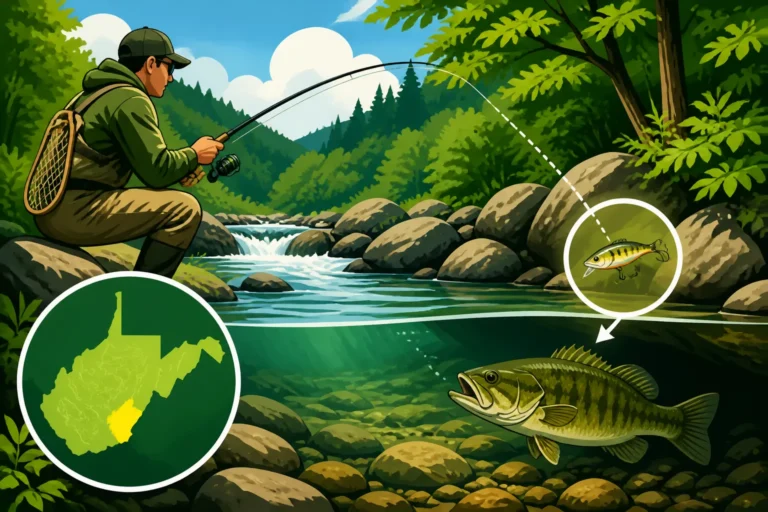
Trout in a run are typically positioned in spots where they can intercept food without expending too much energy fighting the main current. This means they'll often be found in or near current seams, behind larger rocks, or along the edges of faster water. Picture a trout tucked behind a submerged boulder, letting the current bring dinner right to its nose. It's an energy-efficient strategy that makes these areas incredibly productive, especially when insect hatches are in full swing or after recent stocking. Many of the state's prime trout fisheries, like those on the Cranberry River or the Williams River, feature extensive and productive runs.
The Calm Allure of a Pool
If runs are the trout's dining hall, then pools are their living rooms and bedrooms. Pools are deeper, slower-moving sections of the stream, often found below rapids, waterfalls, or sharp bends. The water here is typically calmer, providing trout with a sense of security from predators and a comfortable place to rest, digest, and escape harsh conditions. While pools might seem less dynamic, they are far from barren.
Trout gravitate to pools for several reasons. The depth offers protection from overhead predators, and the slower current means they don't have to work as hard to hold their position. These areas also tend to hold larger, more mature fish that prefer the security of deeper water. Don't be fooled into thinking pools are only for resting, though; trout will actively feed in pools, especially when insects emerge on the surface or when terrestrial insects fall into the water from overhanging vegetation. Many a trophy trout has been landed from a deep, unassuming pool.
Transition Zones: Where Runs Meet Pools
The real magic often happens where runs and pools converge. These "transition zones" combine the best of both worlds: the food delivery of the run and the cover and calmer water of the pool. As fast water from a run enters a deeper, slower pool, it creates a turbulent mixing zone where food is concentrated and disoriented. This makes these areas incredibly attractive to trout.
Look for the "head" of a pool, where the faster water first spills in, creating a noticeable current break and often a foamy seam. This is a classic trout holding spot. Conversely, the "tailout" of a pool, where the water begins to speed up again before flowing into the next run or riffle, is also highly productive. Trout will stage here, waiting for food to be swept out of the pool or positioning themselves to move into the faster water to feed. Understanding these subtle shifts in current and depth is key to unlocking the full potential of a West Virginia trout stream.
Reading the Water: Identifying Prime Trout Lies
One of the most valuable skills an angler can develop, especially on West Virginia's diverse trout streams, is the ability to "read the water." This isn't just about looking for fish; it's about understanding how the current, depth, and structure interact to create prime holding and feeding lies for trout. Mastering this art will dramatically increase your success, turning seemingly random spots into predictable hotbeds of activity.
Current Seams and Eddies
Trout are incredibly efficient creatures. They instinctively seek out places where they can expend minimal energy while maximizing their feeding opportunities. This often means positioning themselves in or near current seams and eddies. A current seam is where two different currents meet—perhaps a fast current running alongside a slower current, or a main current brushing past a bank. These seams act like conveyor belts, carrying food downriver.
Trout will often sit just out of the main current, in the slower water of the seam, waiting for food to drift by. Imagine a trout sitting in the slower lane of a highway, plucking passing morsels without having to fight the fast-moving traffic. Eddies, which are pockets of reverse or swirling current, also concentrate food and provide refuge. They often form downstream of large boulders or logjams. Casting into the head of an eddy and letting your offering drift naturally along the seam or through the swirling water can be incredibly effective. Pay close attention to subtle differences in water speed; even a slight change can indicate a prime trout lie.
Submerged Structure: Rocks, Logs, and Undercuts
Beyond current, physical structure in the stream plays a crucial role in providing cover and ambush points for trout. West Virginia streams are often characterized by rocky bottoms, fallen trees, and eroded banks, all of which create ideal habitat. Large rocks break the current, creating calm pockets directly downstream where trout can rest. These "cushions" of slower water are classic lies.
Logs, rootwads, and other submerged woody debris offer excellent overhead cover from predators and create complex current patterns that concentrate food. Fish will tuck tight against these structures. Undercut banks, where the current has eroded the soil beneath the surface, create hidden sanctuaries that are often home to larger, more cautious trout. These spots offer both shelter and a vantage point to ambush prey. When you approach a section with visible structure, envision where a trout might logically hold, sheltered from the main current but ready to dart out for a meal. Sometimes, a careful cast right into the shadow of a log or under an overhanging bank can yield surprising results.
Depth Changes and Riffles
Depth changes, even subtle ones, are significant indicators of trout habitat. A sudden drop-off provides a trout with a sense of security and a quick escape route to deeper water. The edges of these drop-offs, where shallow water transitions to deep, are often feeding zones. Riffles, those shallow, fast-moving sections of water where the surface is broken and bubbly, might seem too chaotic for trout, but they are incredibly important.
Riffles are essentially insect incubators, where nymphs and larvae live among the rocks. The turbulence also oxygenates the water, which is vital for trout, especially during warmer months. Trout won't usually hold in the fastest part of a shallow riffle, but they will often position themselves at the head or tail of a riffle, or in deeper pockets within the riffle, to pick off dislodged food. They also feed actively in the deeper water immediately downstream of a riffle, where dislodged insects settle and become easy targets. Learning to identify these subtle depth contours and how trout utilize riffles can drastically improve your Spring Trout Fishing Techniques for West Virginia Streams.
Essential Gear and Tactics for Run-and-Pool Fishing
Having the right gear and knowing how to adapt your tactics to the varied conditions of run-and-pool streams is paramount. West Virginia trout are often keen-eyed and wary, requiring precise presentations and versatile equipment. Don't worry, you don't need a boatload of specialized tackle, just a thoughtful approach to what you bring. If you're looking for more general guidance, our Best Gear for West Virginia Trout Fishing guide offers a broader perspective.
Rod, Reel, and Line Setup for Versatility
For run-and-pool fishing, versatility is key. A medium-light action spinning rod, typically 6 to 7 feet in length, is an excellent all-around choice. This length provides good casting control for accuracy in tight spots yet offers enough backbone to handle larger trout and cast heavier lures when needed. Pair it with a reliable spinning reel spooled with 4-6 pound monofilament or fluorocarbon line. Monofilament offers a bit more stretch, which can be forgiving, while fluorocarbon is nearly invisible underwater and has less stretch for better sensitivity. You can find many great options on Amazon for a balanced setup.
If fly fishing is your passion, a 9-foot, 4- or 5-weight fly rod is a fantastic multi-purpose tool for West Virginia trout streams. It's capable of handling everything from delicate dry fly presentations on calmer pools to nymphing in faster runs. Match it with a weight-forward floating fly line. A tapered leader, usually 7.5 to 9 feet long, ending in a light tippet (4x to 6x) will provide the stealth needed for wary trout. For more specialized advice, check out our piece on Best Fly Rods for West Virginia Trout Streams.
Effective Lures and Baits for Different Sections
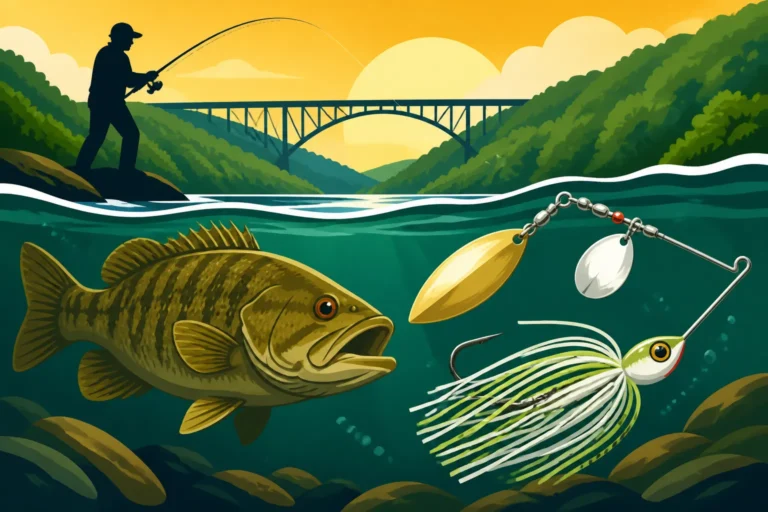
When using conventional tackle, different offerings excel in different parts of a run-and-pool system. For faster runs, small inline spinners or spoons work well. The flash and vibration mimic baitfish or larger insects, attracting aggressive strikes. Cast them slightly upstream and across, letting them swing through the current seams and into potential holding lies. For deeper runs and pools, small suspending jerkbaits or soft plastic swimbaits rigged on jig heads can be deadly, allowing you to probe various depths.
Baits like powerbait, corn, or small worms are consistently effective, especially in stocked waters. Drift them naturally through runs under a small bobber or fish them on the bottom in deeper pools with a light sinker. For those quiet pools where trout are spooky, consider natural presentations. A small live minnow (where legal) or a garden worm drifted naturally can entice even the most cautious fish. Always check current West Virginia fishing regulations for bait restrictions in specific waters.
Fly Fishing Approaches for Runs and Pools
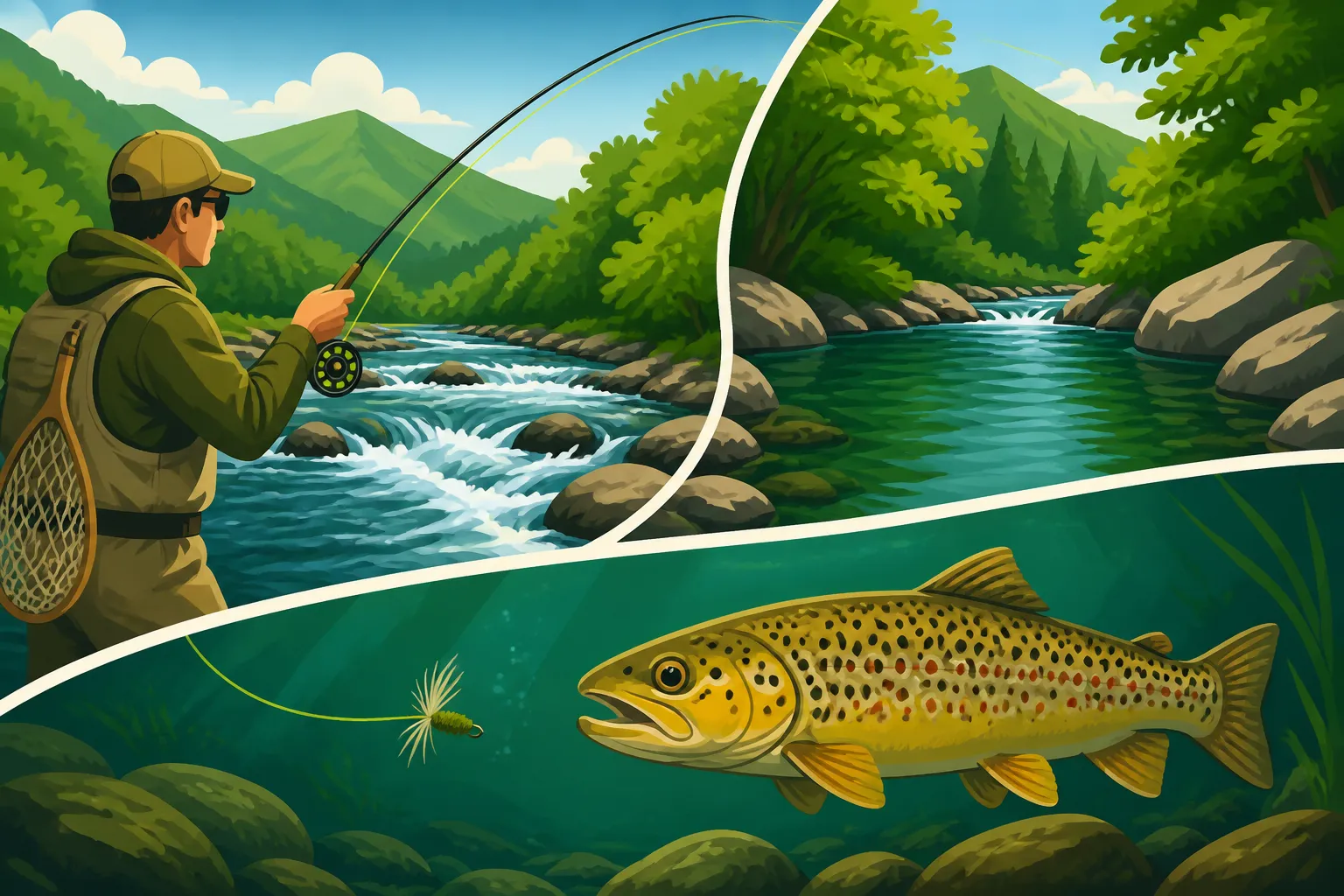
Fly fishing truly shines in run-and-pool environments, as it allows for highly adaptable presentations. In faster runs, nymphing is often the most productive technique. Use a weighted nymph pattern (like a Hare's Ear, Pheasant Tail, or stonefly imitation) or a combination of two, weighted heavily enough to get down to the fish quickly. Euro Nymphing West Virginia Trout Streams is particularly effective here, allowing for precise control and sensitivity. Cast upstream and let your flies drift naturally along current seams, following them with your rod tip.
For pools, the tactics shift. If trout are rising, dry flies are the way to go. Match the hatch if possible, or try general attractor patterns like an Adams or Elk Hair Caddis. A delicate presentation is crucial here to avoid spooking fish. If no rises are occurring, try stripping small streamers through the deeper sections of the pool, mimicking baitfish. Wet flies, fished just below the surface on a gentle swing, can also be surprisingly effective. Don't forget, having the right net, such as the Best landing net for trout, can make a big difference for catch and release.
Approaching the Water: Stealth and Presentation
You can have the best gear and knowledge of trout lies, but if your approach spooks the fish, it's all for naught. Trout in West Virginia's clear streams are highly sensitive to disturbances. Mastering stealth and presentation techniques is the final piece of the puzzle, allowing you to get your offering to the fish without sending them darting for cover.
Stealth: The Golden Rule
Stealth isn't just a suggestion; it's the golden rule of trout fishing, especially in smaller, clearer run-and-pool streams. Trout have excellent vision and can detect movement on the bank or shadows cast over the water. Your first step should always be to approach the stream cautiously. Walk softly, keep a low profile, and avoid stomping along the bank. Wear muted clothing that blends with the natural environment, rather than bright, contrasting colors.
The sun's position is also critical. Try to keep the sun in front of you or to your side, avoiding casting your shadow over the water you intend to fish. If you're wading, move slowly and deliberately. Avoid kicking up gravel or making unnecessary splashes, as vibrations travel quickly through the water and will alarm fish downstream. Many anglers, myself included, have learned this the hard way by watching a prime pool erupt as soon as we step too close. Sometimes, waiting a few minutes after approaching a spot to let the water settle can make all the difference.
Casting and Drifting Techniques
Once you've approached with stealth, the next challenge is getting your lure, bait, or fly to the fish naturally. For conventional tackle, accuracy is key. Cast to specific spots where you suspect trout are holding, aiming for current seams, eddies, or the edges of submerged structure. For spinners and spoons, cast slightly upstream and across, allowing the current to carry the lure into the strike zone as you retrieve it. This "swinging" presentation often triggers aggressive strikes. When fishing bait, a dead drift (letting the current carry your offering naturally without resistance) is almost always best. A simple split shot and a small bobber can help achieve this.
Fly anglers will focus on precise casts and drag-free drifts. For nymphs, use an upstream mend to extend your drift and keep your fly line from dragging, which makes your fly look unnatural. For dry flies, aim for a delicate landing that minimizes splash and allows the fly to float naturally with the current, as if it just alighted on the water. A good mend after the cast will help prevent drag, which is when the line pulls the fly unnaturally across the surface. This is particularly important on those quiet pools where a subtle presentation is essential. Checking out resources like Dry Fly Fishing West Virginia Mountain Streams can refine these techniques even further.
Working Upstream vs. Downstream
There's an age-old debate among anglers about whether to fish upstream or downstream, and for run-and-pool trout streams, both have their merits, though upstream is generally preferred. When fishing upstream, you approach the fish from behind, presenting your offering before they see you. This significantly reduces your chances of spooking them. Your casts are typically shorter, allowing for greater accuracy and easier mending of your line to achieve a natural drift. As you move, your disturbance is carried downstream, away from the water you are about to fish.
However, fishing downstream can be effective in certain situations, such as when fishing large, fast runs or when you need to cover a lot of water quickly with streamers or spinners. When fishing downstream, you might have to make longer casts to avoid spooking fish, and it can be harder to achieve a truly drag-free drift with a fly. For the most consistent success on West Virginia's varied trout streams, especially when targeting those wary fish, the upstream approach is almost always your best bet. Remember to always be mindful of other anglers on the water, giving them plenty of space, especially on popular Best Trout Streams in West Virginia.
Table: Run-and-Pool Fishing Strategies at a Glance
| Feature | Runs (Moving Water) | Pools (Slow Water) | Transition Zones (Head/Tailouts) |
|---|---|---|---|
| Current | Moderate to Fast | Slow to Still | Varied; turbulent where run meets pool |
| Primary Food Source | Drifting nymphs, baitfish, dislodged insects | Emergent insects, terrestrials, crustaceans | Concentrated drifting food from upstream |
| Trout Behavior | Actively feeding, holding in current breaks | Resting, digesting, feeding on surface/bottom | Staging, actively feeding on concentrated food |
| Conventional Tackle Tactics | Spinners, spoons, weighted jigs, drifted bait | Drifted bait, small suspending jerkbaits, soft plastics | Weighted jigs, spinners, drifted bait, small swimbaits |
| Fly Fishing Tactics | Nymphing (weighted, tight-line), wet flies, streamers | Dry flies (matching hatch), streamers, unweighted nymphs | Nymphing, streamers, indicator fishing with weighted flies |
| Key Considerations | Stealthy approach, precise casts, mending | Delicate presentation, matching hatch, longer leaders | Targeting current seams, varying depth, precise drifts |
| Common Frustrations | Getting proper drift/depth, snagging, spooking | Spooking fish, inconsistent rises, finding fish | Managing conflicting currents, getting flies deep |
Disclaimer
This article is for general informational purposes only and does not constitute professional advice. Laws, prices and regulations vary by location and change over time. Consult a qualified professional for guidance on your specific situation.