Best technique for late fall smallmouth bass
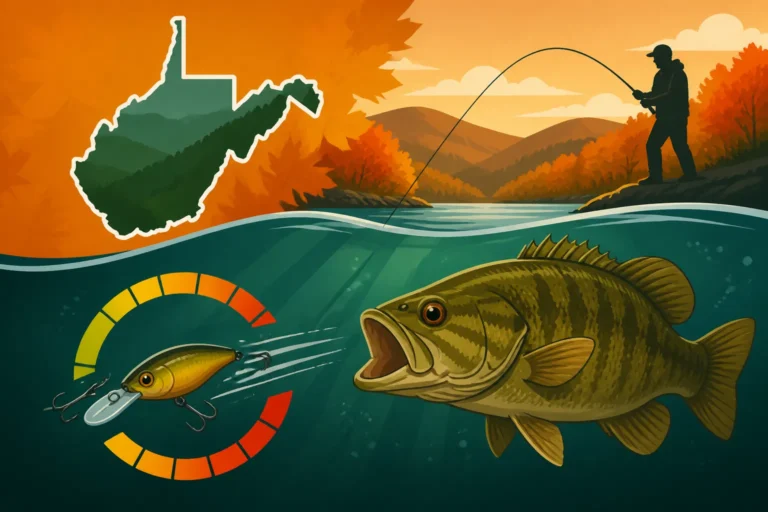
As the vibrant autumn colors fade and the crisp bite of winter approaches, many anglers in West Virginia might start putting their smallmouth bass gear away, assuming the season is over. But hold on! While the fast-and-furious topwater action of summer might be a distant memory, late fall offers a unique, incredibly rewarding challenge for catching smallmouth bass. It’s a time when you need to slow down, think differently, and often, that’s when you’ll find some of the biggest, baddest bronzebacks the Mountain State has to offer. This guide will walk you through the precise techniques and mindset you need to keep those lines tight as the mercury drops.
Understanding Late Fall Smallmouth Behavior in West Virginia
The biggest mistake many anglers make when targeting smallmouth in late fall is fishing them the same way they would in July. The water temperature dictates everything for a cold-blooded creature like a smallmouth bass. As the rivers and lakes cool down, their metabolism slows dramatically, fundamentally changing their behavior and how they interact with their environment and, crucially, your lures.
The Cold Water Reality: Metabolism and Movement
Imagine trying to run a marathon after eating a huge holiday meal – it's just not going to happen quickly. That's essentially what happens to a smallmouth's metabolism as the water temperature dips below the 50s and into the low 40s. Their digestive process slows down, they don't need as much food, and their energy levels drop significantly. This means they are far less likely to chase a fast-moving bait or expend much energy on an uncertain meal. The aggressive, acrobatic jumps and powerful runs they're famous for might still happen if you hook one, but enticing that bite takes a different approach entirely.
Instead of actively roaming vast areas, late fall smallmouth tend to congregate in deeper, more stable water. They seek out areas with consistent temperatures and minimal current, often near deeper pools, rock ledges, or significant structure that offers protection and a slightly warmer thermal refuge. This schooling behavior can be a huge advantage if you find them, as you might catch several fish from a relatively small area. Understanding What Water Temperature Smallmouth Bass Prefer can really help you zero in on these spots. Their movements become more subtle, almost a lethargic glide rather than an energetic dart, requiring you to present your bait right in their strike zone, and keep it there.
Seasonal Patterns and Forage
As fall progresses into winter, the aquatic insect hatches become sparse, and many baitfish species also seek deeper water or become less active. Crayfish, a primary food source for river smallmouth, burrow into the substrate or find deep crevices to overwinter. This reduction in active forage means smallmouth aren't gorging themselves daily. When they do decide to eat, it’s usually because an easy meal presents itself directly in front of them.
They are still opportunistic predators, but their windows for feeding become shorter and more deliberate. This means your lure presentation needs to mimic either a vulnerable, slow-moving baitfish that isn't worth chasing far, or a dormant crayfish that's been disturbed. Large schools of shad or other baitfish might still be present in deeper holes in larger impoundments or main river channels, and if you find these concentrations, the smallmouth won't be far behind. Knowing these patterns helps you anticipate where they'll be holding and what they might be looking for, even if they aren't actively hunting.
Key Techniques for Success: Slow and Low
With the smallmouth's reduced metabolism and tendency to hold deep, your fishing techniques must adapt. Forget the fast retrieves and erratic topwater splashes of summer. Late fall demands a "slow and low" approach, keeping your lure in the strike zone for as long as possible and appealing to their more lethargic feeding instincts.
Jigging and Dragging Soft Plastics
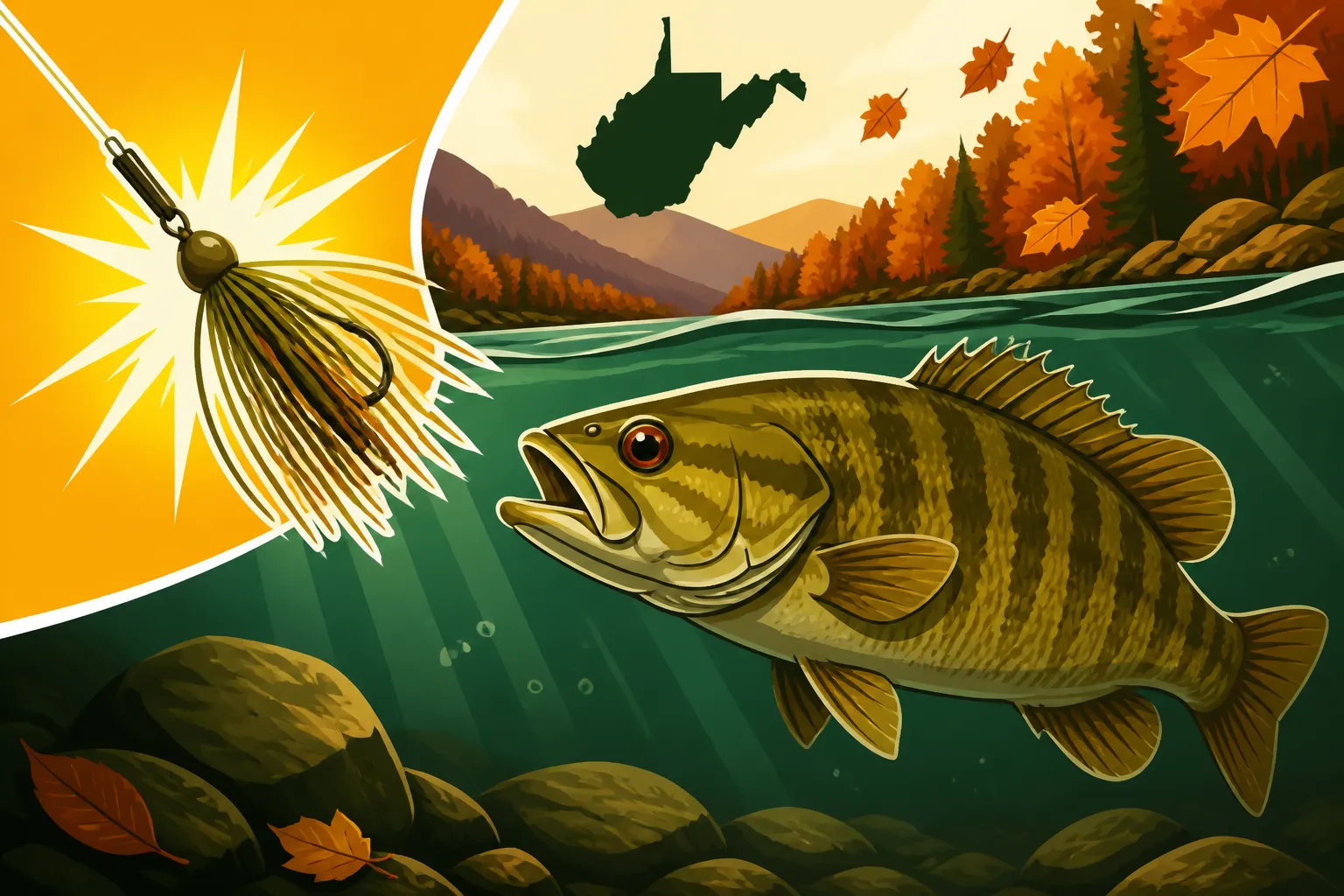
When the water gets cold, jigs and soft plastics become your best friends. These baits excel at mimicking dormant or injured prey and can be fished incredibly slowly, maintaining bottom contact crucial for late fall smallmouth. Think about a tube jig, a football head jig dressed with a creature bait, or even a simple grub. The key is to get it to the bottom and keep it there, crawling it slowly, hopping it gently, or dragging it ever so slightly.
One effective strategy is to cast your jig to likely holding areas, let it sink to the bottom, and then impart very subtle movements with your rod tip. A slight twitch, a gentle lift, or a slow drag can be enough to trigger a strike. It’s not about covering water quickly; it’s about presenting the bait naturally to fish that are practically hugging the bottom. This is where a sensitive rod becomes paramount, as cold-water bites are often incredibly light – a subtle "thump" or just feeling your line go "mushy." This technique is also excellent for when you're looking for Best Bass Fishing Techniques for Summersville Lake or other large impoundments in late fall. You can find a fantastic array of quality soft plastics and jig heads to experiment with on Amazon.
Blade Baits and Hair Jigs
Blade baits, like the popular Silver Buddy style or similar vibratory lures, are deadly in cold water. Their unique vibration can trigger reaction strikes from otherwise inactive fish. These baits are designed to be vertically jigged or cast out, allowed to sink, and then lifted and dropped, creating a "flutter" on the fall. The key is to use short, sharp lifts followed by a controlled fall, letting the bait do its work. The vibration calls fish in, and the erratic movement often provokes a strike.
Hair jigs, especially those with natural colors like black, brown, or olive, are another late fall secret weapon. These jigs have a very subtle, pulsating action that mimics a natural prey item without being overly aggressive. Fish them similar to soft plastics: cast them out, let them sink, and then retrieve them with a slow, steady drag or very gentle hops along the bottom. The natural buoyancy and movement of the hair create a lifelike presentation even with minimal angler input. Mastering the Best Hair Jig Technique for Winter Smallmouth can seriously up your late fall game. A variety of these specialized baits are readily available on Amazon.
Suspended Jerkbaits: A Niche Strategy
While most late fall fishing is about bottom contact, don't completely discount suspended jerkbaits. These lures, designed to suspend at a specific depth when paused, can be incredibly effective when smallmouth are holding in the middle of the water column, perhaps over deep points or submerged humps. The technique involves a "rip, rip, pause" retrieve. The key is that "pause" – sometimes for 5, 10, or even 15 seconds. This long pause allows the bait to hang tantalizingly in the strike zone, giving sluggish smallmouth ample time to investigate and commit to a strike without having to chase.
This method requires patience, but when it works, it can draw incredible strikes from larger, less active fish. Vary your pause times, and pay close attention to any subtle movement in your line during the pause. If the fish are suspended, this can be one of the most productive ways to target them, especially on clearer days or in lakes with less current. This tactic can also work well when studying How to Catch Smallmouth Bass in West Virginia Rivers during their colder periods.
Essential Gear for Late Fall Smallmouth
The subtle bites and deeper presentations of late fall fishing demand specific gear choices. Your summer setup might not cut it when you need maximum sensitivity and control in colder conditions. Investing in the right tools can make all the difference between a frustrating day and a successful one.
Rod and Reel Selection
For late fall smallmouth, sensitivity is king. A medium-light to medium power spinning rod, typically 6'6" to 7'6" in length, with a fast or extra-fast action, is ideal. This combination provides enough backbone to fight strong fish while offering the tip sensitivity needed to detect those faint cold-water bites. Graphite rods are generally preferred for their superior sensitivity compared to fiberglass. You want to feel every pebble, every twig, and especially every subtle tick that might signal a fish. You can explore many suitable options for Best Fishing Rods for West Virginia Rivers on platforms like Amazon.
Pair this with a smooth spinning reel in the 2000-3000 size range. A good drag system is important, but more so is a lightweight reel that balances well with your chosen rod, reducing fatigue and enhancing your ability to feel those soft takes. The overall goal is a balanced setup that allows you to cast precisely, maintain constant contact with your lure, and feel even the slightest abnormality.
Line Choices and Leader Materials
Fluorocarbon line, or a combination of braided main line with a fluorocarbon leader, is often the preferred choice for late fall smallmouth. Fluorocarbon is nearly invisible underwater, which can be crucial for line-shy fish in clear, cold water. More importantly, it has very little stretch, providing excellent sensitivity, allowing you to feel those subtle bites and maintain better contact with your lure on deep presentations. Use 6-10 pound test fluorocarbon as a main line, or if you prefer braided line (which has zero stretch and incredible casting distance), spool up with 10-15 pound test braid and tie on a 6-10 pound fluorocarbon leader.
The leader length can vary, but typically 3-6 feet is a good starting point. Experiment to see what the fish prefer on any given day. Remember, the clearer the water, the more beneficial a longer, lighter fluorocarbon leader can be. This setup is a key component of the Best Tackle for West Virginia Smallmouth Bass in cold conditions.
Clothing and Comfort Considerations
Late fall weather in West Virginia can be notoriously unpredictable. A sunny, mild morning can quickly turn into a cold, windy, and even rainy or snowy afternoon. Layering is not just a suggestion; it’s a necessity. Start with a moisture-wicking base layer, add insulating layers like fleece or wool, and top it off with a waterproof and windproof outer shell. A good pair of waterproof boots, warm socks, and gloves are non-negotiable.
Don't forget a warm hat – a significant amount of body heat is lost through your head. Staying comfortable and warm allows you to focus on fishing, detect those subtle bites, and safely enjoy your time on the water. No fish is worth risking hypothermia, and it's much harder to feel a bite when your hands are numb! A well-stocked thermos with a hot beverage is also a small luxury that can make a big difference in enjoyment.
Reading the Water: Where to Find Them Now
Finding smallmouth in late fall isn't about covering miles of river; it's about dissecting specific areas and understanding where these fish will hold when the water cools down. They become more predictable in their haunts, making proper water reading skills even more valuable.
Deep Pockets and Current Breaks
Smallmouth in late fall will almost always gravitate towards the deepest available water in a given stretch of river or lake. This means looking for the deepest pools, channel swings, and depressions. These areas offer thermal stability and often a reprieve from the strongest currents, allowing fish to conserve energy. On larger rivers like the New River, this might mean targeting the deepest parts of bends or stretches with significant bedrock ledges.
Beyond depth, current breaks are critical. Look for any structure that disrupts the flow of water, creating an eddy or slack water pocket. Large boulders, fallen trees (log jams), bridge pilings, or even subtle changes in the riverbed can create these sanctuaries. Smallmouth will position themselves just out of the main current, waiting for an easy meal to drift by. This allows them to feed without expending precious energy fighting the current. Understanding the nuances of Smallmouth Bass Habits on the New River specifically will be a massive advantage here. Focus your efforts on the seams between the fast and slow water, and thoroughly work the slack water itself.
Transition Zones and Drop-offs
Another prime location for late fall smallmouth is transition zones. These are areas where one type of habitat quickly changes to another, such as a shallow flat dropping off into a deep channel, or where a rocky bank transitions into a silty bottom. Fish use these zones as highways for movement and as feeding corridors. They can quickly move from deeper water to slightly shallower areas to ambush prey, then retreat to safety.
Steep drop-offs, especially those with some form of cover like submerged timber or rock piles, are also magnets for cold-water smallmouth. These vertical changes in depth allow fish to move up and down the water column with minimal effort, adjusting to light levels, water temperatures, or passing schools of baitfish. Think about points that drop quickly into deep water, or the edges of old creek channels in reservoirs. Sometimes, even the subtle contours on the lake or river bottom, detectable with a good fish finder, can hold a concentration of fish.
The Importance of Structure
Just like at any other time of year, structure is paramount, but in late fall, the type of structure and its relationship to deep water becomes more important. While in summer smallmouth might be scattered across various types of cover, in fall they will be concentrated on more significant, stable structures that offer protection and are adjacent to deeper water.
Think about large rock piles, extensive bedrock ledges, significant downed trees that create complex cover, or even man-made structures like old bridge abutments or submerged roadbeds. These structures provide ambush points, a sense of security, and often hold baitfish seeking similar refuge. Pay close attention to current seams around these structures. A current break created by a large boulder in a deep pool is a classic late fall smallmouth hotspot. Thoroughly working these specific pieces of structure with your slow-moving jigs or blade baits is often the key to unlocking consistent success.
The table below offers a quick comparison of some effective late fall techniques for West Virginia smallmouth:
| Technique | Lure Type | Ideal Conditions | Retrieve Style | Key Advantages |
|---|---|---|---|---|
| Jigging/Dragging | Tube jigs, Football jigs, Grubs | Deep pools, slow current, rocky bottoms | Slow crawl, short hops, subtle drags along bottom | Max bottom contact, natural imitation, light bite detection |
| Blade Baits | Vibrating metal baits | Deeper water, moderate current, reaction bites | Lift & drop, vertical jigging, short snaps | Strong vibration, triggers reaction strikes, covers water column |
| Hair Jigs | Marabou, Bucktail jigs | Clear water, subtle presentation, deep structure | Slow drag, gentle quiver, minimal movement | Extremely natural, subtle action, good for finicky fish |
| Suspended Jerkbaits | Suspending hard baits | Open water, suspended fish, clear water | Rip, rip, long pause (5-15 seconds) | Tantalizing presentation, great for lethargic suspended fish |
Ultimately, late fall smallmouth fishing in West Virginia is a game of patience, precision, and understanding. It’s about slowing down, focusing on deep, stable water, and presenting your lures in a way that appeals to a less active, but still hungry, predator. Embrace the chill, pay attention to the details, and you might just find your new favorite time of year to chase bronzebacks.
Disclaimer
This article is for general informational purposes only and does not constitute professional advice. Laws, prices and regulations vary by location and change over time. Consult a qualified professional for guidance on your specific situation.