Best lure retrieve speed for smallmouth in fall
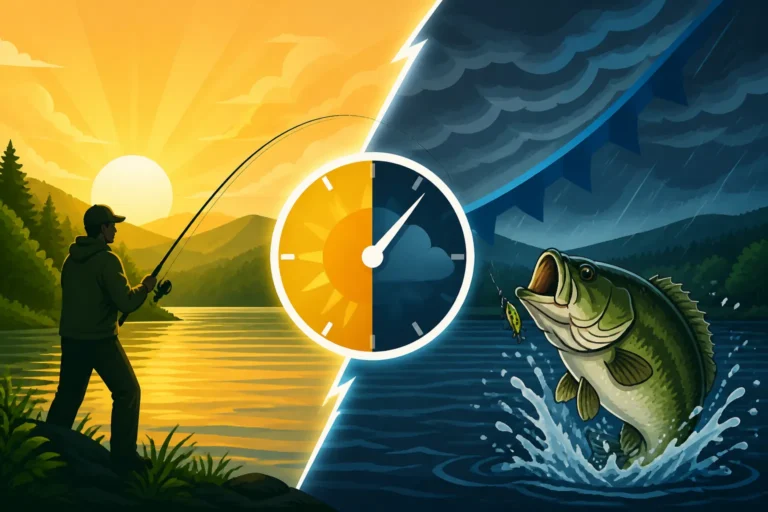
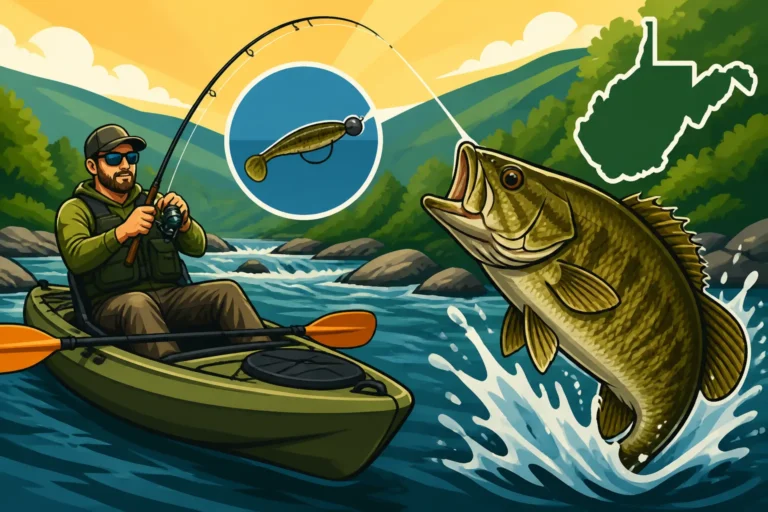
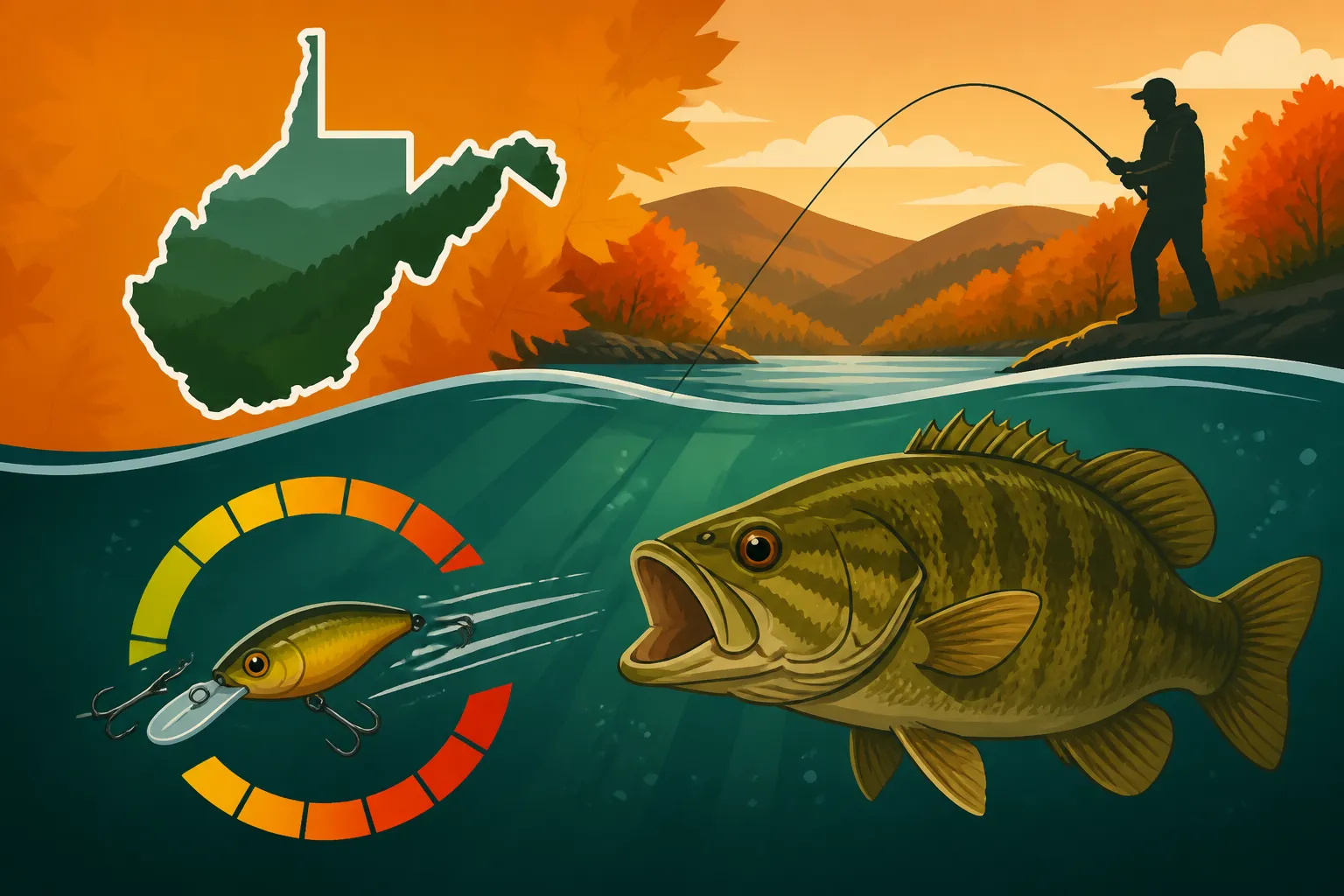
Fishing for smallmouth bass in West Virginia during the fall can be one of the most exhilarating, yet frustrating, experiences an angler can have. One day, they're aggressively smashing anything that moves, and the next, they seem to vanish into thin air, leaving you wondering if you've done something wrong. A huge part of cracking that autumnal smallmouth code often comes down to one crucial element: your lure retrieve speed. This guide dives deep into understanding how fall conditions influence smallmouth behavior and how to adjust your retrieve to put more fish in your net.
The Shifting Dynamics of Fall Smallmouth Behavior
As the vibrant greens of summer slowly surrender to the fiery oranges and reds of autumn across West Virginia's rugged landscape, a profound shift occurs beneath the surface of our rivers and lakes. Smallmouth bass, these spirited fighters, begin to alter their routines in response to cooling water temperatures and changing food availability. Understanding these fundamental changes is the first step to mastering your fall retrieve speed.
Declining Water Temperatures and Metabolism
The crisp air we feel above the water translates directly to cooler temperatures below. This isn't just a minor change for smallmouth; it's a fundamental trigger for their metabolism. Just like us wanting to slow down and cozy up when it gets chilly, a smallmouth's internal processes, including digestion and energy expenditure, naturally slow down. They become less inclined to chase a fast-moving meal that requires a lot of energy. Think about it: why exert maximum effort for a quick snack when a slower, easier target might come along? This metabolic slowdown means that those blistering fast retrieves that worked so well in the summer often become counterproductive in the fall. The fish might see your lure, but they might not commit, or they might simply be too sluggish to catch it.
Baitfish Migration and Schooling
Fall isn't just about cooling water; it's also about a massive migration and schooling event for baitfish. Shad, shiners, and other forage fish begin to group up, often moving from shallow flats to deeper creek channels and main lake points in reservoirs, or holding in deeper pools and current breaks in rivers. Smallmouth follow this food source closely. While they might still be looking for a meal, the sheer density of baitfish can make them pickier. They're seeing schools of hundreds, if not thousands, of easy targets. This means your single lure needs to stand out, but it also needs to accurately mimic the movement of a struggling or disoriented baitfish – not one that's frantically fleeing at top speed. Sometimes, a slower retrieve allows your lure to stay in the strike zone longer, giving a cruising smallmouth more time to zero in and decide to strike amidst the bounty of natural food. For anglers curious about the broader seasonal changes, the West Virginia Fishing Seasons by Month offers a great overview.
Matching Your Retrieve to the Mercury: Water Temperature is Key
Forget what the calendar says; in fall smallmouth fishing, the thermometer is your true guide. Water temperature dictates everything from where the fish will hold to how aggressively they'll feed. Learning to adjust your retrieve speed based on these fluctuations is paramount to consistent success.
High Fall (60-70°F): Aggressive, But Still Thoughtful
At the beginning of fall, usually late September into early October in many parts of West Virginia, water temperatures might still be relatively warm, hovering between 60-70°F. During this "high fall" period, smallmouth bass are often in a feeding frenzy, trying to pack on calories before the true cold sets in. You might still get away with a faster retrieve, but it's often more effective to slow it down just a touch compared to summer.
- Strategy: Think about what a healthy baitfish would do. It's still active, but perhaps not in a full-blown panic. A medium-fast retrieve with crankbaits, spinnerbaits, or topwater lures can be excellent. The key here is to incorporate pauses and erratic movements. Cast your Best Crankbaits for West Virginia Smallmouth Bass to rocky points or channel swings, then retrieve it at a good clip, but throw in a sudden stop or a deflection off structure. This unpredictability can trigger a reaction strike from an actively feeding smallmouth. For instance, a medium retrieve on a crankbait allows it to dive to its intended depth, then a quick burst and pause can imitate a fleeing baitfish.
Mid-Fall (50-60°F): The Transition Zone
As fall progresses, typically through October and early November, water temperatures drop into the 50-60°F range. This is often the trickiest, but potentially most rewarding, time to fish. Smallmouth are still feeding heavily, but their activity levels are noticeably reduced. They're less likely to chase a lure a long distance.
- Strategy: This is where slowing down becomes critical. Jerkbaits truly shine in this temperature band. Employ a "twitch-twitch-pause" retrieve. The pause is absolutely crucial, sometimes lasting 3-5 seconds or even longer, especially when fishing around structure. A longer pause allows the lure to suspend or slowly rise/fall, giving sluggish smallmouth ample time to inspect it and commit. For those longer pauses, make sure your jerkbaits are properly weighted. You can often find great deals and a wide selection of these specialized baits on Amazon. Spinnerbaits retrieved with a slow roll along the bottom or over submerged cover can also be incredibly effective, especially if you're trying to cover water in deeper areas. Understanding What Water Temperature Smallmouth Bass Prefer can provide even more context for these adjustments.
Late Fall (Below 50°F): Slow and Steady Wins the Race
Once water temperatures dip below 50°F, usually from mid-November through December, smallmouth bass become much more lethargic. Their metabolism is significantly slowed, and they are conserving energy. They're still catchable, but your approach needs to be extremely subtle and slow.
- Strategy: Forget anything fast or frantic. This is the realm of the Best Hair Jig Technique for Winter Smallmouth, tubes, and sometimes blade baits. The retrieve should be agonizingly slow. Think of dragging your lure along the bottom, making minimal hops, or allowing it to drift naturally with the current in river situations. If you're using a tube jig, cast it out, let it sink to the bottom, and then slowly drag it back, making small, almost imperceptible hops. The goal is to mimic a dying or barely moving creature on the bottom. Bites will often feel like a subtle "thump" or just added weight on your line, rather than an aggressive strike. It's often said that if you think you're retrieving slowly enough, you're probably still going too fast. This is particularly true for Cold Front Fishing Tactics for West Virginia Bass, where fish activity plummets.
Lure-Specific Retrieve Strategies for Autumn Angling
Different lures are designed to be fished in different ways, and their effectiveness in the fall is highly dependent on how you retrieve them. There's no one-size-fits-all answer, so let's break down some popular fall smallmouth lures and their optimal retrieve speeds.
Crankbaits: Deflection and Varying Cadence
Crankbaits are fantastic search baits in the early and mid-fall, especially around rock piles, ledges, and transition areas. The trick isn't just a steady retrieve; it's about varying that retrieve and making contact with cover.
- The "Deflection" Retrieve: Cast your crankbait to hit a rock, a log, or a ledge. As it bumps off the structure, it creates an erratic, fleeing action that often triggers a strike. This sudden change in direction and speed can be irresistible to a waiting smallmouth.
- Varying Your Cadence: Instead of a consistent reel, try a retrieve that alternates between medium and slow, with occasional short, abrupt jerks. This makes the lure look less like a robot and more like a live, struggling baitfish. For example, reel 10 times at a medium pace, then slow down for 3 counts, then speed up for a couple of counts. Experiment until you find what the fish prefer on a given day. High-quality crankbaits, including those from brands like Rapala and Strike King, are staples for smallmouth anglers, and you can stock up on a variety of dive depths and colors on Amazon.
Jerkbaits: The Art of the Pause
Jerkbaits are arguably the king of fall smallmouth lures, particularly once water temperatures drop below 60°F. Their magic lies entirely in the pause.
- Twitch-Twitch-Pause: This is the classic retrieve. Cast your jerkbait out, reel down to get it to its diving depth, then give it two sharp twitches of the rod tip, followed by a long pause. The length of the pause is crucial and highly variable. Start with a 3-5 second pause and extend it if fish aren't biting. Sometimes, in very cold water, a 10-second or even 20-second pause is what it takes. The strike often comes during the pause, or right as you begin your next twitch. It's all about tempting a lethargic smallmouth with an easy target that just hangs there, vulnerable. If you're fishing How to Catch Smallmouth Bass in West Virginia Rivers, especially with clear water, the subtlety of a jerkbait retrieve is unmatched.
Hair Jigs and Tube Jigs: Subtlety is Supreme
When the water gets truly cold, typically below 50°F, hair jigs and tube jigs become incredibly effective. These lures excel at slow, bottom-oriented presentations.
- Hair Jigs: Drag and Hop: The retrieve for a hair jig should be almost painstakingly slow. Cast it out, let it sink to the bottom, and then either slowly drag it along, or make very subtle, short hops by barely lifting your rod tip. The natural undulation of the hair in the water, even with minimal movement, is what draws strikes. Think about how a crawfish or a stunned baitfish would move on the bottom. The fish are often hugging the bottom in these colder conditions, so keeping your lure there is essential.
- Tube Jigs: Dead Stick and Drag: Tubes can be fished similarly to hair jigs. Cast and let them sink. Then, either slowly drag them, or "dead stick" them, letting them sit motionless on the bottom for extended periods before a slight twitch or drag. The hollow body of the tube can trap air, making it stand up a bit on the bottom, mimicking a defensive crawfish. This technique is particularly potent when fishing deeper pools or slow-moving runs, where smallmouth are less active. You can learn more about specific baits in Best Baits for Smallmouth Bass on the New River.
Spinnerbaits: The Slow Roll
While often thought of as a warm-water bait, spinnerbaits can be deadly in fall with the right retrieve.
- The Slow Roll: Instead of burning a spinnerbait back through the water column, try a "slow roll." Cast it out and let it sink to the desired depth, then retrieve it just fast enough to keep the blades turning. This creates a subtle thumping vibration and flash that can call fish from a distance without being too aggressive. It's an excellent choice for fishing around submerged timber, rock piles, or weed lines (if they still exist) in slightly deeper water. The slow roll also allows the spinnerbait to stay in the strike zone longer, giving colder-water smallmouth more time to intercept it. Don't underestimate the power of a slow-rolled spinnerbait, especially on rivers where How to Fish a Spinnerbait for New River Smallmouth can be a game-changer.
Reading the Conditions: Adjusting for Water Clarity and Current
Beyond water temperature, other environmental factors play a significant role in how smallmouth react to your retrieve speed. Water clarity and current are two of the most important variables to consider.
Clear Water: Finesse and Slowing Down
West Virginia boasts many incredibly clear rivers and lakes, and these conditions demand a more finessed approach, especially in fall.
- Strategy: In clear water, fish have ample time to inspect your lure. A too-fast or unnatural retrieve will often spook them. This means slowing down your retrieve across the board, even for crankbaits and spinnerbaits. Longer pauses with jerkbaits become even more crucial. Lighter line, particularly
Best Fluorocarbon Leader for Clear River Water, and more natural-colored lures also become important. The goal is to make your presentation as natural and non-threatening as possible. Sometimes, a "dead drift" with a tube or hair jig, allowing the current to carry it naturally, can be incredibly effective, barely moving your reel handle at all. For those seeking large smallmouth, checking out Best Swimbait Size for Big Smallmouth might also influence your retrieve, as larger baits often require a slower, more deliberate action to be convincing.
Stained or Murky Water: Aggression Can Pay Off
Conversely, if West Virginia's weather has stirred up the water, leaving it stained or murky, your retrieve strategy might need to shift.
- Strategy: In low visibility conditions, smallmouth rely more on their lateral line to detect vibrations and less on sight. This means you can often speed up your retrieve slightly and use lures that produce more vibration or flash. Crankbaits with wide wobbles, spinnerbaits with large thumping blades, or even chatterbaits can be excellent choices. The increased speed helps fish locate your lure in the diminished visibility. You still don't want to burn it in like summer, but a medium-fast retrieve that generates a strong "presence" can be very effective. The fish won't have as much time to inspect, so a quicker, more aggressive presentation might trigger a reaction strike before they can think twice.
Current Considerations: Natural Flow vs. Fighting the Force
Rivers, a hallmark of West Virginia fishing, add another layer of complexity: current. The flow of the water directly impacts how your lure moves and how fast you need to retrieve it.
- Upstream Casts: When casting upstream and retrieving downstream, the current is doing some of the work for you. You'll often need to reel slower than you think to keep the lure's action natural and prevent it from "blowing out" (moving unnaturally fast). Let the current carry your lure, only reeling enough to maintain slack out of your line and control its depth.
- Downstream Casts: Casting downstream and retrieving against the current requires more effort. You'll need to reel faster to impart action to your lure and keep it from sinking too quickly or getting swept away. However, remember the fall smallmouth's slower metabolism. Try to find current seams or eddies where the fish can hold without fighting the main flow, and focus your slower retrieves in these less aggressive water columns. In these varied river conditions, having the Best Rod Length for New River Smallmouth Bass can make a difference in casting accuracy and line control, influencing your retrieve execution.
Fall Smallmouth Lure Retrieve Speed Guide
Here's a quick reference table to help you dial in your retrieve speed based on conditions and lure type. Remember, these are guidelines, and experimentation is always key!
| Lure Type | Water Temp (F) | Water Clarity | Current | Retrieve Speed | Key Action / Notes |
|---|---|---|---|---|---|
| Crankbaits | 60-70 | Clear/Stained | Moderate-Fast | Medium-Fast | Deflections off structure, varied reel speed, short pauses. |
| 50-60 | Clear/Stained | Moderate | Medium-Slow | Frequent pauses, slower deflections, allow longer bottom contact. | |
| <50 | Clear | Slow | Slow | Barely moving, focus on bottom bumping, reaction strikes only. | |
| Jerkbaits | 60-70 | Clear | Slow-Moderate | Twitch-Twitch-Short Pause | Aggressive twitches, 1-3 sec pauses. |
| 50-60 | Clear/Stained | Slow | Twitch-Twitch-Long Pause | Slower twitches, 3-5 sec (or longer) pauses. Most effective here. | |
| <50 | Clear | Slack/Very Slow | Single Twitch-Very Long Pause | Minimal movement, 5-10+ sec pauses, target deep pools. | |
| Hair Jigs | 50-60 | Clear | Slow-Moderate | Slow Drag/Subtle Hop | Bottom contact, slight lifts, long glides, natural drift. |
| <50 | Clear/Stained | Slow-Slack | Ultra-Slow Drag/Dead Stick | Barely move, let current work, prolonged bottom contact. Often best in cold water. | |
| Tube Jigs | 50-60 | Clear | Slow-Moderate | Slow Drag/Small Hop | Similar to hair jigs, effective for crawfish imitation. |
| <50 | Clear/Stained | Slow-Slack | Slow Drag/Dead Stick | Allow to sit, minimal hops, focus on feel. | |
| Spinnerbaits | 60-70 | Stained/Clear | Moderate-Fast | Medium-Fast | Cover water quickly, target active fish. |
| 50-60 | Stained/Clear | Moderate | Slow Roll | Just fast enough to keep blades turning, target deeper structure. | |
| <50 | Stained | Slow | Ultra Slow Roll | For reaction bites in very cold, stained water; rare but possible. |
Ultimately, fall smallmouth fishing in West Virginia is a dance between observation and adaptation. Pay close attention to the water temperature, clarity, and current. Start with a moderate retrieve and then don't be afraid to experiment. Speed it up, slow it down, add pauses, or remove them. The fish will tell you what they want, but you have to be willing to listen and adjust that retrieve speed to unlock the incredible autumn action that West Virginia's smallmouth bass offer. For more comprehensive insights into the incredible fishing opportunities, be sure to explore the Best Time of Year to Fish in West Virginia.
Disclaimer
The information provided in this guide is for general informational purposes only and is subject to change. Always consult the official West Virginia Division of Natural Resources (WVDNR) regulations and local authorities for the most current and accurate fishing rules, seasons, and licensing requirements before heading out on the water. Fishing conditions can vary, and safety should always be your top priority.