Best kayak fishing technique for river smallmouth
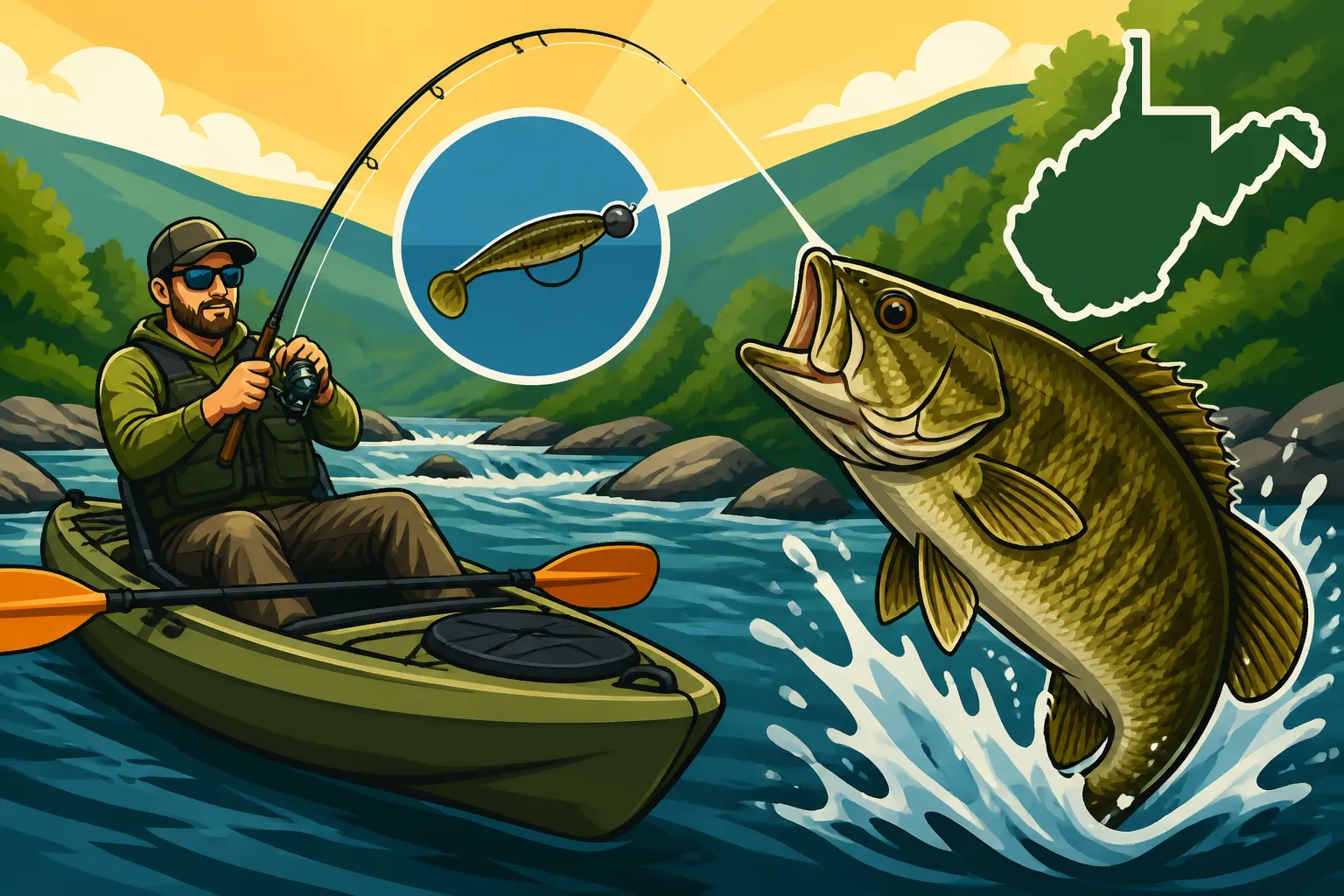
Fishing West Virginia's rivers for smallmouth bass from a kayak is an incredibly rewarding experience, but let's be honest, it comes with its own unique set of challenges. Unlike bank fishing or larger powerboats, you're constantly battling current, maintaining position, and trying to make those precise casts into tight spots, all while managing your paddle, tackle, and the fish itself. It can feel like a three-ring circus sometimes! This comprehensive guide is here to break down the best kayak fishing techniques for river smallmouth, helping you navigate those currents, pinpoint those bronze backs, and make your next trip on the New River or South Branch Potomac a resounding success.
Understanding River Dynamics and Kayak Positioning
Successful kayak fishing for river smallmouth bass in West Virginia starts long before your first cast. It's about truly understanding the river you're on and how to use your kayak to your advantage. The current is both your friend and your foe, and learning to read it is paramount.
Reading the Water for Smallmouth Structure
West Virginia's rivers are dynamic, constantly changing environments, and smallmouth bass are masters of finding prime ambush points within them. When you're in your kayak, you have an unparalleled vantage point to observe these nuances. Look for current seams, where faster water meets slower water, creating a distinct line on the surface. These are highways for baitfish and prime feeding stations for smallmouth. Eddies, those swirling pockets of calmer water behind large rocks, fallen trees, or bends in the river, are also classic smallmouth haunts. Fish will often sit in these softer spots, conserving energy while waiting for food to drift by. Pay close attention to submerged structures like rock piles, boulders, and especially fallen timber. Smallmouth love to hug these features, using them for cover from predators and current alike. Even subtle changes in depth, indicated by variations in water color or current speed, can hold fish. Learning to identify these spots quickly as you drift downstream is a skill that comes with practice, but it's the foundation of effective river smallmouth fishing.
Strategic Drifting and Anchoring Techniques
Drifting is a beautiful way to cover water from a kayak, but it needs to be controlled drifting. Simply letting the current carry you downstream often means you're moving too fast to effectively present your lure or bait. The trick is to use your paddle and, if available, a shallow water anchor or drag chain, to regulate your speed. You want to drift at a pace that allows your lure to get down to the strike zone and be worked naturally through prime holding areas. When you spot a promising piece of structure, like a gnarly log jam or a series of boulders, use your paddle to slow your drift, even temporarily holding your position upstream with subtle strokes, allowing you to make multiple casts to that specific spot. For more stationary fishing, perhaps targeting a deep eddy or a precise seam, a lightweight anchor system or a stake-out pole is invaluable. Just remember to always use a quick-release anchor system, especially in flowing water, so you can easily detach if you hook a large fish or encounter unexpected hazards.
Navigating Rapids and Obstacles from a Kayak
West Virginia rivers, especially gems like the New River Gorge, are famous for their rapids, but even smaller rivers can have tricky stretches. Before you launch, it's crucial to scout your chosen section, whether by reviewing maps, asking local anglers, or even doing a quick visual check from the bank. Always know your skill level and don't attempt water beyond it. When approaching faster sections or obstacles like submerged trees (strainers), plan your route well in advance. Keep your kayak pointed slightly downstream, allowing you to steer and paddle effectively with the current. Use ferry angles to move across the current safely, aiming your bow slightly upstream of your target. If you encounter a rapid you're unsure about, don't hesitate to pull over and portage. Your safety, and the safety of your gear, is always the top priority. Always wear your personal flotation device (PFD), without exception, because even a seemingly calm stretch can surprise you.
Essential Kayak Fishing Gear and Rigging for Smallmouth
Having the right gear and setting up your kayak efficiently can dramatically improve your success and enjoyment on the water. Kayak fishing requires a thoughtful approach to what you bring and how you organize it.
Optimal Kayak Setup for Efficiency
When fishing for smallmouth from a kayak, every piece of gear should have a purpose and a place. Start with your rod holders; flush-mount or rail-mounted holders are great for transporting rods, but a strategically placed ram mount or similar adjustable holder near your seat allows for quick access and hands-free paddling. Think about your tackle management. Waterproof tackle boxes that fit snugly into your tankwell or an accessible hatch are crucial. Many anglers use a milk crate or specialized kayak fishing crate in the stern for organized access to frequently used tackle, a small cooler, and other essentials. A dry bag is non-negotiable for anything you absolutely can't get wet, like your phone, keys, and wallet. Consider a small, portable fish finder if your kayak allows, as understanding depth and structure can be a game-changer. Finally, a good paddle leash and rod leashes are cheap insurance against losing valuable gear to the river's depths, which happens more often than you'd think in the current.
Rod and Reel Selection for River Action
For river smallmouth, you'll want versatile rods and reels that can handle various presentations and the powerful fight of a river smallmouth. A good starting point is a medium to medium-heavy power spinning rod, typically in the 6'6" to 7'2" range. This length offers a good balance of casting accuracy for tight spots and leverage for fighting fish in current. A fast action tip is ideal for detecting subtle bites and setting the hook quickly. Pair this with a reliable spinning reel in the 2500-3000 series, spooled with 8-10 pound fluorocarbon or braided line with a fluorocarbon leader. For anglers who prefer baitcasting, a similar power and length rod with a high-speed reel (7.1:1 or higher) can be fantastic for quickly retrieving slack line, especially when fishing current. The choice between spinning and baitcasting often comes down to personal preference, but having a setup that allows you to make precise casts and quickly gain control of a hooked fish is key when you're perched in a kayak. You can find a wide array of options for "Best Fishing Rods for West Virginia Rivers" on retailers like Amazon, offering different brands and price points to suit your needs.
Top Lure and Bait Choices for River Smallmouth
River smallmouth can be aggressive feeders, and a variety of lures and baits can entice them. The key is to match your presentation to the conditions and the fish's mood.
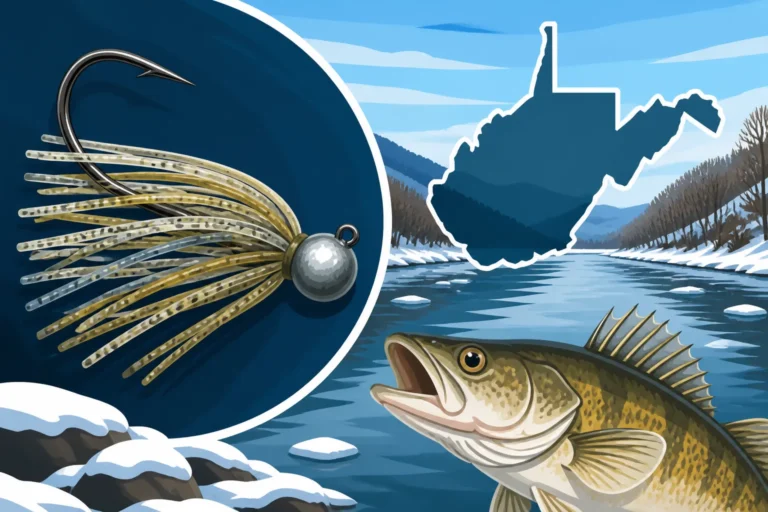
- Jigs and Soft Plastics: These are arguably the most consistent producers. Tube jigs, grubs, and creature baits rigged on a 1/8 to 1/4 ounce jig head are deadly, especially when worked along the bottom in rocky areas. Colors like green pumpkin, watermelon, and brown are always good starting points.
- Crankbaits and Jerkbaits: Shallow-diving crankbaits that mimic crawfish or baitfish are excellent for covering water and eliciting reaction strikes. Jerkbaits are fantastic for suspended fish or when you need a more erratic action to trigger a bite.
- Topwater Lures: During warmer months, nothing beats the excitement of a smallmouth blowing up on a popper, walking bait, or prop bait. These are particularly effective in low-light conditions or over shallow, rocky flats.
- Spinnerbaits and Buzzbaits: These lures excel in stained water or when fish are active. Their flash and vibration can draw strikes from a distance.
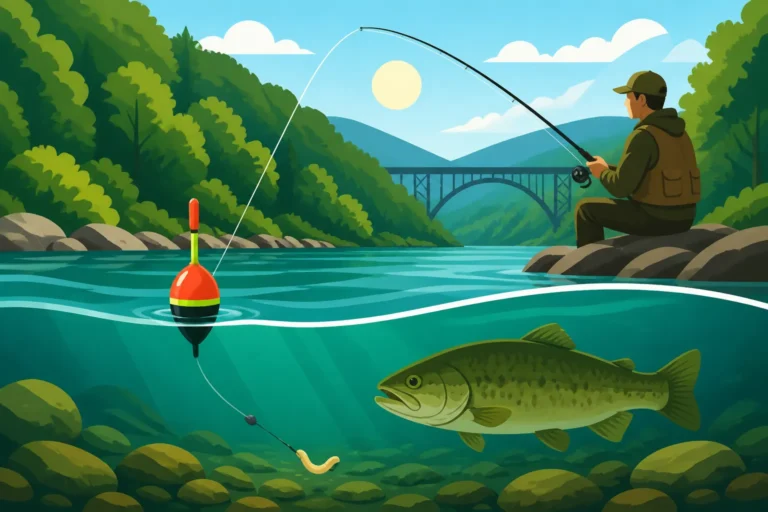
- Live Bait: If you're struggling with artificials, don't overlook live bait. Hellgrammites, crawfish, and minnows are natural prey items for river smallmouth and can be incredibly effective when fished on a simple bottom rig or under a float.
Experimentation is vital, as smallmouth preferences can change by the hour. Remember to check local regulations for specific bait restrictions on certain West Virginia waters.
| Lure Type | Best Conditions | Retrieval Style | Pros | Cons |
|---|---|---|---|---|
| Tube Jig | Rocky bottoms, current seams, deeper pools | Hop/drag on bottom, slight lift/fall | Highly versatile, mimics crawfish, consistent producer | Can get snagged easily in heavy cover |
| Shallow Crankbait | Riffles, rocky flats, covering water | Steady retrieve, occasional twitch, deflect off rocks | Excellent search bait, covers water quickly | Can get hung up, depth limited |
| Topwater Popper | Low light, calm water, shallow flats, summer | Pop-pause, chug, walk-the-dog | Exciting strikes, draws fish from cover | Less effective in deep or turbulent water |
| Jerkbait | Clear water, cooler temps, suspended fish | Jerk-jerk-pause, erratic retrieve | Great for reaction strikes, imitates dying baitfish | Requires specific retrieve cadence |
| Spinnerbait | Stained water, windy conditions, covering water | Steady retrieve, slow roll, bump structure | Flash and vibration attract fish, snag-resistant in cover | Less effective for deep presentations |
Effective Kayak Fishing Techniques for River Smallmouth
Once you've got your gear dialed in and an understanding of the river, it's time to put those techniques into action. The unique platform of a kayak allows for some incredibly precise and effective approaches.
Casting Accuracy and Presentation from a Kayak
Casting from a kayak demands accuracy, perhaps more so than from a larger boat. You're lower to the water, often dealing with overhead obstacles like trees, and you need to hit small strike zones in the current. Practice your roll casts, pitching, and flipping techniques. A roll cast is invaluable for getting a lure out without much backcast, perfect for tight spots along the bank. Pitching and flipping allow you to drop a lure softly into eddies or next to submerged structure with minimal splash. The goal is to make your lure land naturally, as if it's drifting downstream with the current, rather than splashing down aggressively. When fishing current seams, cast upstream of your target and allow the current to carry your lure naturally into the strike zone. This upstream cast and drift technique is incredibly effective. Maintain a low profile in your kayak to avoid spooking fish, and use your paddle subtly to adjust your position for the best possible casting angle.
Working Structure and Current Seams
River smallmouth are almost always associated with structure and current. From your kayak, you can precisely target these areas. When you identify a current seam, cast your lure parallel to it, or slightly upstream, and let it drift down the seam. Fish will often hold just out of the main current, darting out to ambush prey. For rock gardens and boulder fields, make repeated casts, working your lure through every pocket and crevice. Slowly lift and drop jigs, allowing them to tumble over the rocks, mimicking a crawfish. When you encounter fallen timber or undercut banks, these are prime targets. Position your kayak so you can cast directly into the cover or along its edges. Remember that smallmouth often stack up in these areas, so if you catch one, there are likely more. Don't be afraid to make multiple casts to a productive spot, varying your retrieve and lure choice until you figure out what they want.
Dealing with Bites and Fights from a Kayak
Hooking a feisty river smallmouth from a kayak is an exhilarating experience, but it also requires a steady hand and quick reflexes. When you get a bite, set the hook firmly but smoothly. Avoid violent jerks that could throw you off balance. Once the fish is hooked, the fight begins, and it's a different game than from the bank. Smallmouth will use the current to their advantage, making powerful runs. Keep your rod tip up, maintain steady pressure, and let the drag on your reel do its job. Don't try to horse the fish in; that's a recipe for snapped lines or pulled hooks. Use your paddle to help maneuver your kayak, if necessary, to keep the fish away from snags or to follow it downstream. When the fish is boatside, use a soft, rubberized landing net to safely bring it into your kayak. This minimizes stress on the fish and makes unhooking much easier, especially if you plan on releasing it. For more detailed insights on landing specific species, check out a guide on the "Best Landing Net for Trout" or even "Best Landing Net for Muskie", as many principles apply.
Safety and Practical Tips for West Virginia River Kayak Fishing
Beyond the fishing techniques, staying safe and being prepared for a day on the river is crucial. West Virginia's wilderness is beautiful, but it demands respect.
River Safety Fundamentals
Safety should always be your number one priority when kayak fishing on any West Virginia river. Always wear your PFD (Personal Flotation Device), and make sure it's properly fitted. Even experienced paddlers can find themselves in unexpected situations. Let someone know your float plan – where you're putting in, where you're taking out, and your estimated return time. Carry a whistle to signal for help, and consider a small first-aid kit in your dry bag. Be aware of changing river conditions. Heavy rains can quickly swell rivers and increase current speed, making safe navigation difficult. If you're new to a particular river, consider floating it with an experienced guide or a buddy for your first few trips. Even shallow rivers can have strong currents, and submerged objects can pose hazards.
Trip Planning and Weather Considerations
Effective trip planning can make or break your river smallmouth adventure. Before heading out, check the weather forecast and river levels. The USGS streamflow gauges are an invaluable resource for understanding current and predicted water levels on West Virginia rivers. High, muddy water generally means tough fishing, while clear, stable flows are usually ideal. Plan your put-in and take-out points, considering access and parking. Factor in how long your float will take, accounting for fishing time, paddling, and potential delays. Pack enough water and snacks, and dress in layers, as mountain weather can change rapidly. Sunglasses are not just for glare reduction; they protect your eyes from stray hooks and UV rays. A wide-brimmed hat offers additional sun protection. For more in-depth preparation, consider reading up on "West Virginia Boating Laws for Anglers" to ensure you're fully compliant.
Catch and Release Best Practices from a Kayak
Many river smallmouth anglers practice catch and release, especially for larger fish. Practicing good catch and release techniques from a kayak is essential for the health of the fishery. Minimize handling of the fish, and keep it in the water as much as possible. Use needle-nose pliers or a hook remover to quickly and gently remove hooks. If the fish has swallowed the hook deeply, cut the line as close to the hook as possible rather than tearing up its gills. Support the fish horizontally, especially larger ones, to avoid damaging internal organs. If the fish is sluggish, hold it gently facing into the current until it regains its strength and swims off under its own power. A good rubberized net can help contain the fish while you prepare for release. By following these practices, you're helping ensure that West Virginia's incredible river smallmouth fishery remains vibrant for generations to come.
Disclaimer
The information provided in this guide is for general informational purposes only and is not intended as legal, safety, or expert advice. Always consult official West Virginia Department of Natural Resources (WVDNR) regulations and guidelines before fishing. River conditions can change rapidly, and personal safety is paramount. Always assess your skill level and take appropriate precautions when on the water.