How to catch catfish at night on West Virginia lakes
There’s nothing quite like the tranquility of a West Virginia lake after the sun goes down, but it can also feel intimidating when you're used to fishing during the day. Many anglers struggle to adapt their techniques once darkness falls, missing out on some of the best catfish action our state has to offer. This guide will walk you through everything you need to know to confidently and successfully catch catfish under the cloak of night on West Virginia's beautiful lakes.
Why Night Fishing for Catfish is a Game Changer in West Virginia
As the sun dips below the Appalachian ridges, a whole new world of angling possibilities opens up, especially when it comes to chasing whiskers. Many anglers pack up their gear as dusk settles in, but that's exactly when some of the biggest and most active catfish start to roam. Understanding why this shift occurs is the first step to becoming a successful night catfisherman.
Beating the Heat and the Crowds
Let's be honest, those scorching West Virginia summer days can be brutal, not just for us, but for the fish too. High water temperatures can make catfish lethargic and send them seeking deeper, cooler waters where they're harder to reach. But as the evening cools, the shallow waters become more inviting. The thermal stratification of the lake might break down a bit, allowing cooler, oxygenated water to mix and inviting catfish to move into areas they wouldn't touch during the heat of the day.
Beyond the temperature, the peace and quiet are a huge draw. During daylight hours, our beautiful lakes like Summersville Lake are often bustling with pleasure boats, jet skis, and recreational anglers. All that commotion can put a damper on the fishing, sending wary catfish into hiding. At night, most of that activity ceases, leaving the lake serene and the catfish feeling much more comfortable to cruise and feed in the open. This reduction in pressure means you often have prime spots all to yourself, and the fish are generally less spooky and more willing to bite. It’s an experience that truly connects you to the natural rhythm of the water.
Catfish Behavior After Dark
Catfish are primarily nocturnal predators, and they are incredibly well-adapted to finding food in low-light conditions. Their highly sensitive barbels, essentially their "whiskers," are packed with taste buds and receptors that help them detect prey through smell and touch in murky or dark water. Their lateral line system is also finely tuned to pick up vibrations, allowing them to home in on struggling baitfish or even a juicy chunk of cut bait from a distance, even when visibility is zero.
Once night falls, these fish often move out of their deep, daytime haunts and venture into shallower areas to forage. They'll patrol along shorelines, over submerged humps, near creek channels, and around structural elements like standing timber or rock piles. These areas, which might have been barren during the day, become hotbeds of activity as catfish search for an easy meal. This shift in behavior is why your daytime spots might not produce at night, and why learning to identify these nocturnal feeding grounds is crucial for consistent success. Think of it as their dinner bell ringing when the sun sets. You can learn more about Channel Catfish Habits in West Virginia Rivers to understand their feeding patterns.
Essential Gear and Setup for Night Catfishing
When the sun goes down, your tackle box and boat setup need a few key adjustments. It's not just about what you use, but how you organize it and ensure safety in the dark. Having the right tools specifically geared for low-light conditions can make all the difference between a frustrating night and a memorable one.
Rods, Reels, and Line – Built for Power
Night catfishing isn't a finesse game; it often requires heavy-duty tackle to handle the hard-fighting nature of these fish and the challenging environment of the dark. You'll want stout rods, typically 7 to 10 feet long, with a medium-heavy to heavy power rating and a moderate-fast action. This provides the backbone needed to cast heavy rigs and absorb powerful runs from a big flathead or channel cat. Fiberglass rods are a popular choice for their durability and forgiving action, though some anglers prefer composite or graphite rods for increased sensitivity.
Pair these rods with robust spinning or baitcasting reels that have a reliable drag system and ample line capacity. Look for reels designed for saltwater or heavy freshwater applications. For your main line, 30 to 60-pound test monofilament or braided line is standard. Braided line offers superior sensitivity and strength for its diameter, which can be advantageous for detecting subtle bites in the dark. If you use braid, a tough monofilament or fluorocarbon leader of 30-50 pounds is a good idea to protect against abrasion from rocks, logs, and those rough catfish mouths. Many reliable brands of these heavy-duty rods, reels, and lines can be found with ease on platforms like Amazon. Remember, strength and durability are key when battling a big cat in the dark.
Lighting the Way and Staying Safe
Fishing at night without proper lighting is not just difficult, it's downright dangerous. A good headlamp is non-negotiable. Look for one that's comfortable, waterproof, and offers multiple light settings, including a red light option. Red light preserves your night vision better than white light, which can be a huge advantage when you need to tie a knot or unhook a fish without blinding yourself or your companions. For general area illumination, a battery-powered lantern can be invaluable, especially if you're fishing from shore or a stationary boat. Check out our guide on Best Headlamp for Night Catfish Fishing for more specific recommendations.
Beyond personal lighting, if you're fishing from a boat, ensure all your navigation lights are fully functional and properly displayed. A well-placed anchor light is crucial. Consider adding some glow sticks or small LED lights to your rod tips to easily spot bites. Safety extends to your person as well; always wear a life jacket, even if you’re a strong swimmer. The dark can disorient, and accidents happen quickly. Review the Life Jacket Requirements for West Virginia Boaters before heading out. Keep a first-aid kit, a fully charged cell phone, and a whistle or air horn on board for emergencies. An organized tackle box or bag will also prevent fumbling for gear in the dark.
Terminal Tackle and Rigging for Night Owls
The terminal tackle you choose for night catfishing needs to be as robust as your rod and reel setup. Heavy-duty hooks are essential. Circle hooks are highly recommended, especially when fishing for larger catfish, as they are designed to hook fish in the corner of the mouth, leading to fewer gut hooks and easier, safer releases. Sizes typically range from 5/0 to 10/0, depending on the bait size and target species. Make sure to match your hook size to the bait you're using – a small hook on a large chunk of cut bait won't work well.
Heavy sinkers are often required to hold your bait on the bottom, especially in areas with current or when fishing in windy conditions on large lakes like Bluestone Lake. Pyramid, no-roll, or flat bank sinkers in weights from 1 ounce to 6 ounces (or even heavier in strong current) are common. Swivels, preferably heavy-duty barrel or ball-bearing swivels, are crucial to prevent line twist, especially when using cut bait that might spin in the current.
The most popular rigs for West Virginia night catfishing are the Carolina Rig and the Santee Cooper Rig.
- Carolina Rig: This classic setup involves threading an egg sinker onto your main line, followed by a bead (to protect the knot), and then tying on a heavy-duty swivel. A leader, typically 12 to 24 inches of monofilament or fluorocarbon, is then tied to the other end of the swivel, with your hook at the end of the leader. This rig allows the catfish to pick up the bait without feeling the weight of the sinker immediately.
- Santee Cooper Rig: This is a variation of the Carolina Rig, popular for suspending bait slightly off the bottom, which can be excellent for flatheads and channel cats actively searching the water column. It's constructed similarly, but with the addition of a peg float (often called a 'catfish float') on the leader, just above the hook. This float lifts your bait off the bottom, making it more visible to cruising catfish and keeping it out of debris.
You can stock up on all these essential terminal tackle components, from hooks to weights and swivels, through various online retailers like Amazon. Having a well-stocked and organized tackle box is key to quickly re-rigging in the dark.
The Best Baits for West Virginia Night Catfish
Catfish are known for being opportunistic eaters, but at night, their senses are heightened, and some baits simply perform better than others. It's often a matter of appealing to their incredible sense of smell and their natural foraging instincts.
Stink Baits and Prepared Baits
If you're targeting channel catfish, especially in lakes, stink baits are often the go-to choice after dark. These baits are specifically formulated with strong, pungent odors that disperse well in the water, creating an irresistible scent trail that catfish can follow from a considerable distance. Many commercial varieties are available, often in dough or dip bait forms, that can be applied to specially designed bait holders or sponges. Some popular options come from brands specializing in catfish baits. You can find a wide array of these prepared baits from various sellers on Amazon, making it easy to experiment with different scents and textures.
Beyond commercial options, many anglers swear by homemade prepared baits. These often involve ingredients like cheese, chicken liver, blood, or even mashed fish, all allowed to ferment or "ripen" to create a powerful aroma. The key is to create a bait that stays on the hook but emits a potent smell. For flathead catfish, however, stink baits are usually ineffective; they prefer fresh, live, or cut bait.
| Bait Type | Target Species | Effectiveness at Night | Best Rigging | Notes |
|---|---|---|---|---|
| Chicken Liver | Channel, Blue Cats | High | Treble Hook (small) | Extremely bloody, great scent trail. Messy. |
| Cut Shad/Bluegill | Flathead, Channel, Blue Cats | High | Circle Hook | Fresh is best. Mimics natural prey. |
| Nightcrawlers | Channel, Smaller Cats | Medium to High | Worm Hook | Versatile, attracts multiple species. |
| Commercial Stink Bait | Channel Cats | High | Dip Worm/Sponge Hook | Strong odor, good for drawing in fish. |
| Whole Live Bluegill | Flathead Cats | Very High | Large Circle Hook | Must be legal size and species. Active bait. |
| Shrimp (raw) | Channel Cats | Medium | Small Circle Hook | Good scent, easy to use. |
Live and Cut Baits – The Natural Advantage
For those trophy flatheads, fresh live bait is almost always the answer. Flatheads are primarily piscivorous, meaning they prefer to eat other fish, and they typically won't touch prepared or stink baits. Live bluegill, shad, or even smaller carp are excellent choices, provided they are legal to use as bait and within size limits in West Virginia. The struggling action of a live baitfish sends out vibrations that flatheads are incredibly attuned to in the dark. Hook these carefully through the back or lips with a large circle hook, ensuring they can swim naturally. For more details on this, see our guide on Best Bait for Flathead Catfish at Night.
Cut bait, especially fresh cut bait from oily fish like shad or bluegill, is also incredibly effective for both flatheads and large channel cats. The scent of fresh blood and entrails disperses widely in the water, creating an irresistible chum line that draws catfish in. A freshly cut slab of shad, a piece of bluegill fillet, or even a section of a suckers can be incredibly productive. Chicken liver is another time-tested bait, especially for channel catfish. Its soft texture and intense bloody scent make it a top contender, though it can be notoriously difficult to keep on the hook. You can read more about various options in Best Bait for Channel Catfish in Summer.
Bait Presentation and Scent Trails
The way you present your bait at night is just as important as the bait itself. The goal is to make it as easy as possible for a cruising catfish to find and consume your offering. When using stink baits, ensure your dip worm or sponge is fully saturated and refreshing it periodically to maintain that potent scent trail. For cut bait, make sure the blood and juices are exposed. You might even consider cutting fresh pieces frequently to keep the scent slick strong.
With live bait, the key is to allow the baitfish enough freedom to swim and attract attention, but not so much that it can hide in heavy cover. The Santee Cooper rig, as mentioned earlier, is excellent for suspending live or cut bait just off the bottom, keeping it visible and away from crabs or bottom debris while still allowing the scent to spread. When casting, try to spread your baits across different depths or structures if you're unsure where the fish are holding. For example, if you're fishing a point, cast one rod into the deeper water, one near the breakline, and one into the shallower flats. This "fan casting" approach helps you quickly locate active fish without having to move your entire setup. Having multiple rod holders set up, like the ones you might use for your Best Rod Holder Setup for a Jon Boat, can make managing several lines much easier.
Finding the Catfish After Sunset on West Virginia Lakes
Locating catfish at night requires a different approach than during the day. Their movement patterns change significantly, and understanding these nocturnal highways and feeding zones is critical. It’s all about anticipating where they’ll go once the lights dim.
Target Structures in the Dark
During the day, catfish might hold tight to deep cover or structure, but at night, they often move shallower. Think about what structures provide both protection and a food source. Creek channels, especially where they intersect the main lake, are excellent places to start. These underwater highways offer travel lanes and often concentrate baitfish. Submerged humps, points, and ledges that drop off into deeper water are also prime areas. Catfish will often move up onto these shallower shelves to feed after dark.
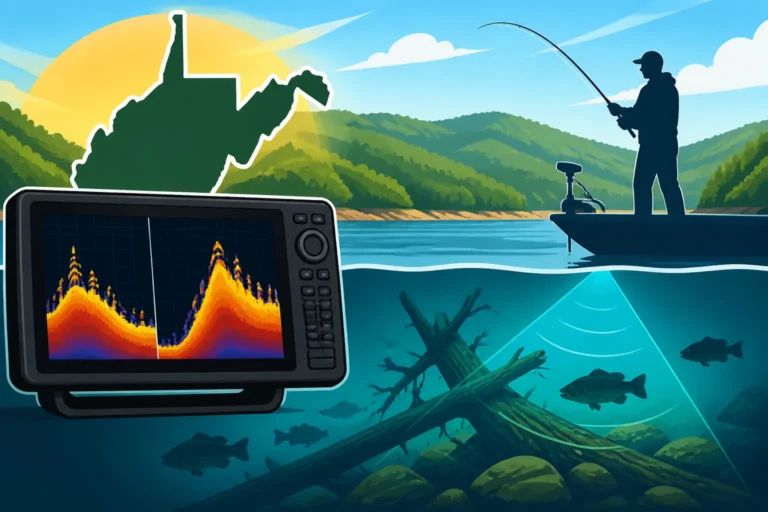
Another key structure type is submerged timber, brush piles, or rock piles. These provide ambush points and cover for both catfish and their prey. If you know of a good brush pile that holds fish during the day, chances are it will be even more active at night as catfish move in to hunt. When you're fishing in lakes like Tygart Lake or Stonewall Jackson Lake, these types of structural elements become especially important after dark. Using sonar to mark these structures before dark can give you a significant advantage, even if you’re planning to fish by feel later.
Reading the Water Without the Sun
Without the sun to guide you, reading the water at night becomes a much more sensory experience. You'll rely more on your knowledge of the lake's topography, sounds, and even smell. Pay attention to any current, even subtle ones. Current brings food and oxygen, and catfish will orient themselves into it, waiting for an easy meal. On many of West Virginia's impoundments, current might be minimal, but any slight flow, especially near creek mouths or dam outflow areas, can be a magnet for catfish.
Listen for subtle splashes or disturbances on the water's surface; these could indicate schooling baitfish, which often means predatory catfish are nearby. A keen sense of smell can also be surprisingly useful. A strong, fishy odor in the air might indicate an active feeding area. If you’re fishing from a boat, move slowly and quietly. Noise carries far on calm night waters, and disturbing fish can send them scurrying. Instead of relying on sight, visualize the underwater landscape you mapped out during the day or using a fish finder with good low-light display capabilities. Consider these tips as you explore Best Fishing Lakes in West Virginia at night.
Strategic Anchoring and Positioning
How you position yourself and your boat (if applicable) is paramount for night catfishing. If you’re bank fishing, find a clear, accessible spot that allows you to cast to multiple depths or structures without snagging trees behind you. Bring a comfortable chair, and make sure your gear is organized within easy reach.
From a boat, precise anchoring is crucial. You want to be positioned upstream or upwind of your target area, allowing your scent trail from the bait to drift directly into where you suspect the catfish are holding. Anchor securely, using two anchors if necessary, especially in any current or windy conditions, to prevent your boat from swinging and pulling your baits out of the strike zone. If possible, set your anchors before complete darkness or use your headlamp sparingly and strategically to avoid spooking fish. Consider dropping a marker buoy (with a light attached) on a promising spot before sunset, then use that to position your boat after dark. A good anchor system for fishing moving water can be found by researching options for Best Anchor System for River Fishing, which can translate well to lake currents. Once anchored, keep noise to a minimum; avoid shuffling feet, banging gear, or loud talking. Patience is often rewarded in the still of the night.
Disclaimer
This article is for general informational purposes only and does not constitute professional advice. Laws, prices and regulations vary by location and change over time. Consult a qualified professional for guidance on your specific situation.