Best technique for largemouth bass in farm ponds
Fishing for largemouth bass in smaller, more intimate settings like farm ponds can be a truly rewarding experience, but it also comes with its own unique set of challenges. These aren't vast reservoirs with endless cover; often, these fish are highly pressured and have seen every lure in the book. This guide is here to walk you through the most effective techniques to entice those wary farm pond largemouth, helping you turn those quiet afternoons into memorable catches.
Understanding the Farm Pond Largemouth Mindset
Farm ponds, while often overlooked in favor of larger lakes and rivers, can hold some incredible largemouth bass. However, the dynamics are entirely different from what you'd encounter on a major body of water. The fish in these smaller, confined spaces are often more sensitive to pressure and can be incredibly wary. They've seen anglers come and go, heard boats, and felt hooks more times than their big-water cousins. This means your approach needs to be stealthy, subtle, and incredibly intentional.
You're not just casting aimlessly here; you're often targeting specific pieces of cover or structure. These ponds, whether they're old watering holes, irrigation ponds, or simply dug-out depressions, concentrate the fish, but they also make the fish more aware of your presence. The water can be clearer, shallower, and more susceptible to temperature fluctuations, all of which impact how bass feed and where they hide. It's like fishing in a fishbowl, where every move you make can be observed. This means understanding their habits in this unique environment is crucial before you even make your first cast.
Essential Lures and Baits for Pressured Pond Bass
When it comes to farm pond largemouth, you really need to think finesse and realism, especially when the fish are wary. Forget the giant, flashy baits you might throw on a big lake; here, subtlety often wins the day. We're looking for presentations that mimic natural forage and don't spook these easily alarmed fish. The goal is to make your lure look like an easy meal that's worth the risk.
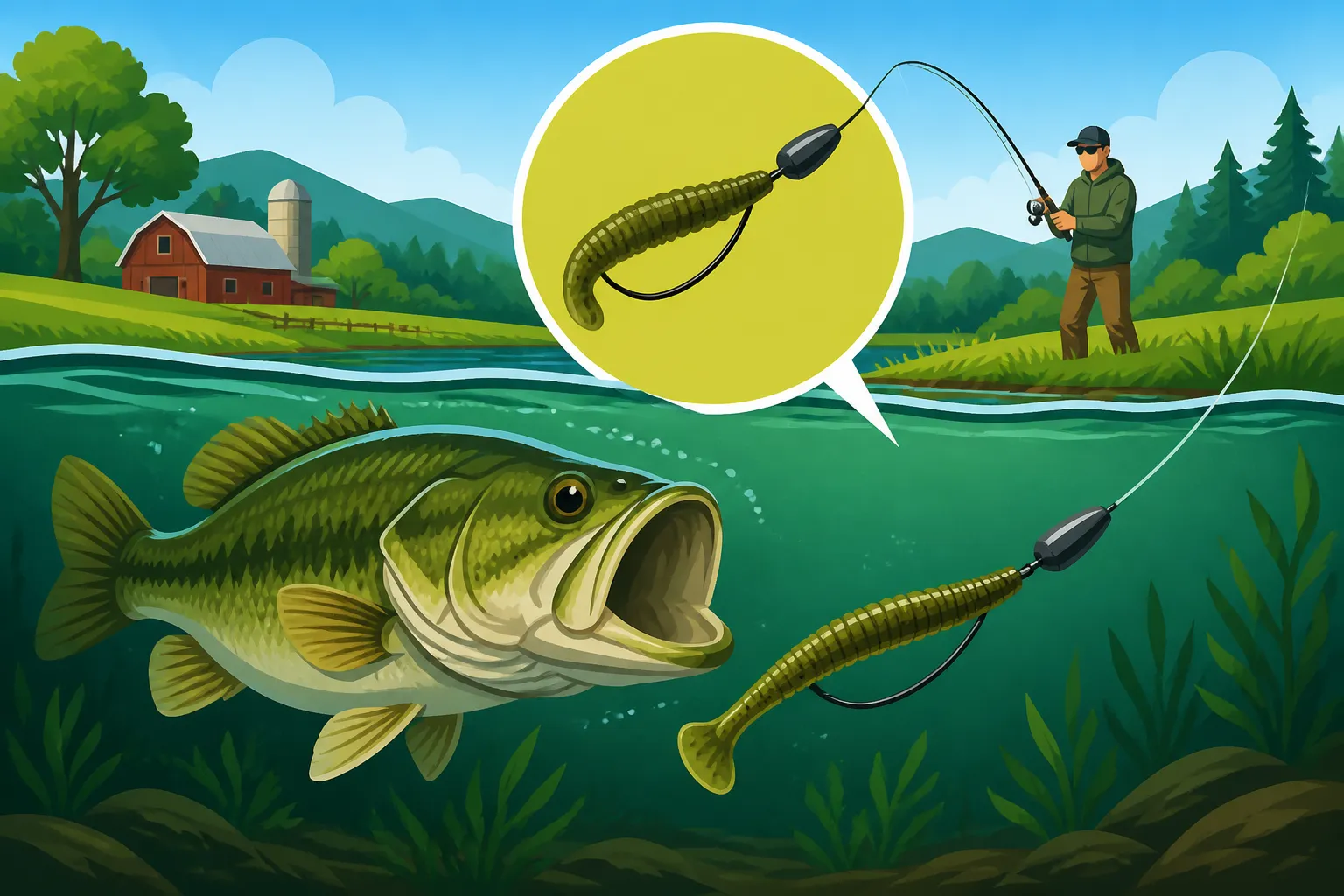
One of my absolute go-to presentations for these situations is a weightless Texas-rigged soft plastic worm or creature bait. Think something in a natural green pumpkin, junebug, or black and blue. Rigged weedless, you can pitch it into dense cover like lily pads, submerged brush, or even just around overgrown banks without snagging. The slow, natural fall of a weightless worm is often irresistible to a bass holding tight to cover. You can find a huge variety of these soft plastics on Amazon, making it easy to experiment with different shapes and colors. Just let it sink, give it a few twitches, and watch your line for any subtle movement.
Another incredibly effective technique is the Ned Rig. This small, compact presentation features a short, straight-tailed worm on a mushroom-shaped jig head. It's designed to stand straight up on the bottom, mimicking a baitfish feeding or a crawfish in a defensive posture. It's fantastic for highly pressured fish or when the bite is tough, especially in clearer water. Its minimalist approach doesn't alarm bass, and the subtle action often gets bites when nothing else will. If you're looking to explore new ways to trick bass, learning about Best Ned Rig Setup for Finesse Fishing can really up your game, even on a farm pond.
And we can't forget about topwater, especially during low-light conditions or when there's an active insect hatch. Small poppers, walking baits, or even hollow-body frogs can be explosive. Early mornings or late evenings are prime times for this, as bass often cruise the surface for insects or small baitfish. There's nothing quite like a largemouth blowing up on a topwater lure in a quiet pond. For tips on maximizing your topwater success, consider reading up on Best Topwater Lure for Dawn Bass Fishing. Just be ready for the strike!
Here’s a quick overview of some top lure choices for farm pond bass:
| Lure Type | Best Conditions | Presentation Strategy | Key Features |
|---|---|---|---|
| Weightless Soft Plastics | Heavy cover, calm water, wary fish | Cast into cover, slow twitch, long pauses | Weedless, natural fall, subtle action |
| Ned Rig | Clear water, pressured fish, tough bite | Drag slowly on bottom, short hops, allow to stand | Small profile, upright presentation, finesse |
| Small Crankbaits (Shallow) | Areas with shallow cover, moderate clarity | Steady retrieve with pauses, deflect off structure | Tight wobble, dives quickly, bright colors often work |
| Hollow-Body Frogs | Dense lily pads, thick grass, surface activity | Walk across mats, pause in open pockets | Weedless, enticing surface commotion |
| Jigs (Small) | Deeper pockets, around wood structure, cooler water | Flip or pitch into cover, hop or drag slowly | Weedless, subtle fall, crawfish or baitfish imitation |
| Spinnerbaits (Small) | Stained water, windy conditions, active fish | Steady retrieve, slow roll, bump cover | Flash and vibration, versatile, good for searching |
Tactical Approaches for Different Pond Conditions
Fishing farm ponds successfully isn't just about having the right lure; it's about understanding how to present it effectively in varying conditions. These smaller bodies of water can present a range of scenarios, from crystal clear shallows to murky, weed-choked depths. Each situation calls for a slightly different approach to convince those bass to bite.
Clear, Shallow Water Ponds
When you're faced with clear, shallow ponds, stealth becomes your absolute best friend. Bass in these environments have excellent visibility and will spook easily. Think of them as incredibly observant. My first piece of advice is to keep a low profile; wear natural colors, avoid making loud noises, and stay as far back from the bank as possible while still making accurate casts. Light line, often fluorocarbon, is a must to minimize visibility in the water.
For lure choices, stick to natural colors like green pumpkin, watermelon, or smoke. Small jigs, weightless worms, or even tiny soft plastic swimbaits on a light jig head can be deadly. The key is to present them subtly. Cast beyond your target and slowly work the bait back, letting it settle naturally. Focus on isolated cover such as a single lily pad clump, a submerged log, or even a deep weed line. These isolated pieces of structure become prime ambush points for bass in otherwise barren clear water. Patience and a delicate touch are far more effective than aggressive presentations. Learning to adjust your approach based on what you see can dramatically improve your success, much like understanding How to pattern bass on an unfamiliar West Virginia lake.
Murky or Stained Water Ponds
On the flip side, murky or stained water ponds demand a different strategy. Here, bass rely less on sight and more on vibration and scent to locate prey. You can often be a bit more aggressive with your approach, as the fish can't see you as clearly. This is where contrast and commotion come into play.
For colors, lean towards darker or brighter options. Black and blue, junebug, or even chartreuse can stand out better in low visibility. Lures that create vibration or have a larger profile are excellent choices. Spinnerbaits with Colorado blades, chatterbaits, or even larger profile soft plastics like a full-sized creature bait on a Texas rig can be very effective. Scented baits can also give you an edge, as the bass can follow the scent trail to your lure. Focus your casts on edges, transitions in depth, and any noticeable changes in the bank line. Fish might hold closer to cover or structure, waiting for prey to come by. Don't be afraid to experiment with retrieve speeds; sometimes a fast, erratic retrieve can trigger a reaction strike, while other times a slow, methodical retrieve is needed.
Ponds with Heavy Cover
Many farm ponds are choked with vegetation – lily pads, hydrilla, cattails, or fallen timber. This heavy cover provides excellent ambush points and shade for bass, but it can be challenging to fish. This is where weedless presentations truly shine. If you're not sure what a largemouth from a smallmouth bass looks like, pay attention to the environment; largemouth typically prefer this kind of dense cover over open water.
Hollow-body frogs are king for fishing over dense mats of vegetation. You can literally walk them across the top of the weeds, pausing them over open pockets. When a bass strikes, it's often an explosive, heart-stopping event. For punching through smaller openings or into thick submerged cover, a heavy Texas-rigged creature bait or a jig with a stout hook and braided line is essential. You need the power to pull those fish out of the nastiest stuff. Flipping and pitching these baits accurately into small pockets or against logs can be incredibly effective. Remember, fish buried deep in cover are often less pressured and more willing to strike. When facing conditions like this, having a robust setup is key. For example, a heavy action rod paired with a strong baitcasting reel and at least 30-pound braided line will give you the control and power needed. Many anglers find great deals on these specialized rods and reels on Amazon.
Seasonal Considerations for Farm Pond Bass
Just like larger lakes, farm pond bass behavior is heavily influenced by the seasons. What works in spring won't necessarily be effective in the dog days of summer, and vice versa. Adapting your techniques to the time of year is crucial for consistent success.
Spring: The Time of Renewal and Spawning
Spring is arguably one of the best times to target farm pond largemouth. As water temperatures rise, bass become more active and begin their pre-spawn rituals. Initially, they'll be moving into shallower areas, gorging themselves to build energy for spawning. This is when aggressive baits like spinnerbaits, crankbaits, and even larger jerkbaits can be highly effective as fish are actively feeding. Focus on sun-warmed coves, north-facing banks, and any areas where the water warms up faster.
As the water continues to warm, bass will move to construct their nests and spawn. During this period, they become very protective. Sight fishing can be effective if the water is clear enough, using soft plastics or jigs to entice a protective strike. Just remember to be respectful of spawning fish and release them quickly to ensure the health of the population. After the spawn, bass will often be recuperating but will soon start feeding aggressively again as they recover. This post-spawn period can be a bit slower, but patience with a weightless worm or a finesse jig near cover can still produce.
Summer: Dealing with Heat and Oxygen
Summer in West Virginia can bring scorching temperatures, and farm ponds, being smaller, can heat up quickly. This often means reduced oxygen levels in the shallow water, driving bass to deeper, cooler, and more oxygenated areas. During the day, look for bass to hold tight to deep cover – fallen trees, dock pilings, or even small creek channels if the pond has them. If there's a spring-fed area, that's often a hotspot.
During the daytime, finesse techniques like the Ned Rig or a Texas-rigged worm worked slowly on the bottom are often best. You're trying to appeal to a lethargic fish. However, early mornings, late evenings, and even night fishing can be incredibly productive. As the sun sets, bass will often move into the shallower areas to feed. This is prime time for topwater lures, buzzing frogs, or shallow-running crankbaits. If you're new to fishing, getting a Best Rod and Reel Combo for Beginners can make these evening ventures much more enjoyable and effective.
Fall: The Pre-Winter Feast
As autumn arrives and water temperatures begin to drop, farm pond bass enter a feeding frenzy, similar to pre-spawn, but with a sense of urgency. They're trying to pack on weight for the lean winter months ahead. This makes fall another fantastic time to fish. Bass will often chase baitfish schools, so lures that imitate baitfish, like spinnerbaits, crankbaits, or even swimbaits, can be incredibly effective.
Focus on transitional areas where bass can ambush prey moving between shallow and deeper water. Points, sudden drops, or the edges of remaining vegetation are key spots. The fish are often very aggressive, so don't be afraid to cover water quickly. As the season progresses and temperatures continue to fall, bass will eventually move to their deep wintering holes, becoming less active. But during that prime fall feeding window, it's some of the most exciting fishing you'll find in a farm pond.
Disclaimer
This article is for general informational purposes only and does not constitute professional advice. Laws, prices and regulations vary by location and change over time. Consult a qualified professional for guidance on your specific situation.