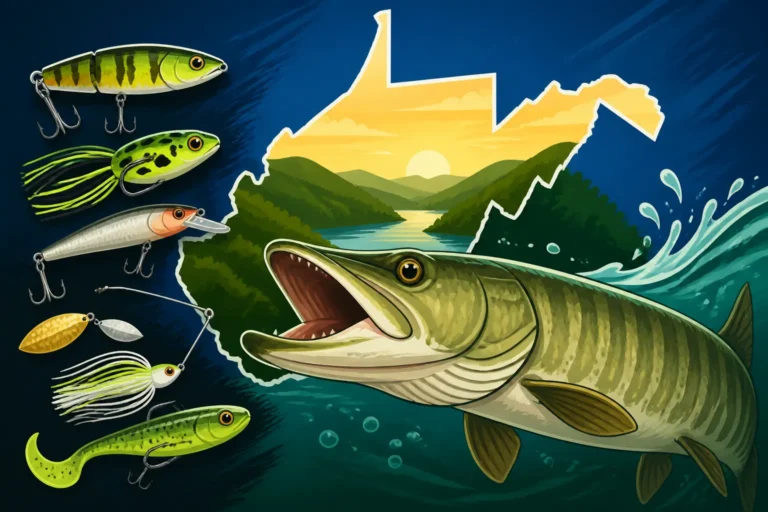
Best topwater lure for dawn smallmouth fishing
There’s nothing quite like the stillness of a West Virginia morning, when the mist is lifting off the river and you can feel the anticipation in the air. For smallmouth bass anglers, this isn't just a pretty picture; it's prime time for explosive topwater action. If you've ever struggled to pick the right lure to capitalize on those early morning bites, you're in the right place. This guide will dive deep into the best topwater lures for targeting smallmouth at dawn, helping you capitalize on that magical sunrise bite.
The Allure of Dawn for West Virginia Smallmouth Bass
There’s a reason why so many experienced anglers set their alarms for ridiculously early hours, especially when chasing smallmouth bass with topwater lures. It’s not just about beating the crowds, though that’s certainly a perk. It’s about tapping into a prime feeding window when these bronze beauties are most active and least wary.
Why Smallmouth Hunt on Top at First Light
Smallmouth bass are opportunistic predators, and their feeding habits are heavily influenced by light conditions and prey availability. At dawn, a perfect storm of factors converges to make topwater fishing incredibly effective. The low light offers an advantage to the bass, allowing them to ambush prey silhouetted against the brightening sky or the calm surface. Think about it: a baitfish or a frog struggling on the surface is an easy target when the sun hasn't fully breached the horizon.
Beyond the visibility factor, water temperatures often begin to cool slightly after a long summer night, which can invigorate smallmouth and push them into shallower, more oxygenated water where prey congregates. This reduced light also makes the bass less skittish. During the bright midday sun, they often retreat to deeper, darker haunts. But as dawn breaks, they become bolder, more willing to chase and strike at disturbances on the surface. This is when you can experience those heart-stopping explosions that make topwater fishing so addictive.
Reading the Water in Low Light Conditions
Successfully fishing topwater at dawn isn't just about throwing out any old lure; it's about understanding where the smallmouth are likely to be lurking. In the dim light of early morning, you'll need to rely more on instinct and knowledge of typical smallmouth haunts. Look for current breaks where slower water meets faster currents, creating an ambush point. Eddies behind large rocks or fallen trees are also prime real estate. Submerged structure, like rock piles, ledges, or weed lines, provides cover for both bass and their prey.
Additionally, pay close attention to shoreline cover such as overhanging branches, docks, or even shaded banks. These areas offer both protection and cooler water. When the sun starts to peek over the trees, these shaded pockets can hold active fish a bit longer. In West Virginia's diverse waterways, from the fast-flowing New River to the tranquil state park lakes, identifying these key areas before the sun is high in the sky can make all the difference. Knowing How to Catch Smallmouth Bass in West Virginia Rivers becomes much easier when you understand their preferred ambush points.
Key Characteristics of Effective Topwater Lures for Dawn Smallmouth
Choosing the right topwater lure for dawn smallmouth fishing involves a blend of science and art. It's about selecting something that appeals to their predatory instincts in low light, generating strikes rather than simply spooking them. Not all topwater lures are created equal for this specific window of opportunity.
Sound, Action, and Profile
The three primary characteristics that define a topwater lure's effectiveness are its sound, action, and profile. At dawn, when visibility is limited, these become even more critical.
- Sound: Some lures are designed to be noisy, creating a commotion that calls fish from a distance. Poppers, chuggers, and prop baits fit this bill. Their gurgling, spitting, or buzzing sounds mimic struggling baitfish or insects, drawing attention. Other lures, like subtle walking baits, create a more understated ripple and sloshing sound. The best choice often depends on water clarity and how aggressive the fish are. In stained or choppy water, a louder lure can be more effective at getting noticed, while in clear, calm conditions, a more subtle approach might be better.
- Action: This refers to how the lure moves on the water's surface. Walking baits, with their signature side-to-side "walk-the-dog" retrieve, create an enticing, erratic dance. Poppers and chuggers offer a more contained splash and pop. Prop baits spin propellers, generating spray and a unique gurgle. Buzzbaits create a constant, churning surface disturbance. Each action sends a different signal to the bass, and understanding which one triggers strikes on a given morning is key.
- Profile: The silhouette a lure creates against the low light of the morning sky is paramount. Smallmouth bass often look up to ambush prey. A lure with a realistic baitfish, frog, or even rodent profile can be incredibly effective. Consider the forage in the water you're fishing. Are there lots of minnows? Frogs? Crayfish that might be near the surface? Matching the general size and shape of local prey can increase your success.
Color and Visibility Considerations
Color choice for topwater at dawn can be surprisingly simple, yet nuanced. In low light, the primary factor isn't necessarily a vibrant color, but rather the silhouette the lure presents against the sky. Darker colors like black, dark blue, or purple often create a more defined silhouette, making them easier for the bass to see from below.
However, don't discount lures with a little bit of flash or natural patterns. If the water has some clarity, a lure with a chrome or silver belly can catch the minimal light and create a subtle flicker that mimics a baitfish. Natural baitfish patterns (shad, perch, bluegill) can also be effective as the light increases slightly after the initial dawn period. The key is to experiment. Start with darker options, but if the bite is slow, try a lure with a natural pattern or a touch of reflective material to see if it makes a difference. Remember, the goal is to make the lure visible and enticing without being unnatural or intimidating.
Top Topwater Lures for Explosive Dawn Action in West Virginia
When that first hint of light paints the horizon over a West Virginia river or lake, these are the lures you want tied on. Each has a unique appeal that can trigger those unforgettable topwater strikes from smallmouth bass.
Walking Baits
Walking baits are arguably one of the most iconic and effective topwater lures, especially for smallmouth. Their signature "walk-the-dog" action, where the lure glides from side to side across the surface, is incredibly enticing. This erratic, wounded baitfish presentation is often irresistible to smallmouth looking for an easy meal.
Popular examples include the Heddon Super Spook Jr. or the larger Super Spook, and the Rapala Skitter Walk. These lures excel in calmer conditions but can also cut through light chop. The beauty of a walking bait lies in its versatility; you can vary the speed of your retrieve and the intensity of your rod twitches to create different actions. A slower, wider walk is often deadly at dawn, giving the fish time to locate and commit to the lure. When fishing a clear, still pocket on the South Branch of the Potomac, for instance, a subtle walk can be incredibly effective. You can find a wide selection of these versatile lures on platforms like Amazon, making it easy to stock up.
Poppers and Chuggers
If you want to grab a smallmouth's attention from a distance, reach for a popper or a chugger. These lures feature a concave face that "cups" water when twitched, creating a distinct "pop" or "chug" sound and a splash of water. This commotion mimics a fish gulping on the surface, a frog jumping, or an insect struggling.
The Rebel Pop-R is a classic for a reason, known for its consistent action and appeal to bass of all sizes. Other great options include the Storm Chug Bug or various offerings from Berkley. Poppers are fantastic when fishing around heavy cover like lily pads, submerged timber, or rocky shorelines where smallmouth might be hunkered down. The loud sound can draw them out to investigate. The key is to experiment with your retrieve – sometimes a single, loud pop followed by a long pause is the ticket, other times a series of quick chugs will get a reaction. These lures are particularly effective in slightly stained water where a visual presentation alone might not be enough to draw a strike.
Prop Baits
Prop baits combine the surface disturbance of a propeller with a baitfish-like profile, creating a unique and often irresistible presentation. The small propellers, typically located on the front and/or back of the lure, churn the water as you retrieve it, creating a buzzing sound and a spray that mimics a panicked baitfish or an insect caught on the surface.
Lures like the Berkley Choppo or the Evergreen Showerblows are excellent examples of modern prop baits that get the job done. They are particularly effective when smallmouth are somewhat active but might be ignoring traditional poppers or walking baits. The continuous, subtle commotion of the prop can be just enough to trigger a strike without being overly aggressive. These are great for covering water quickly along a river bank or across the flats of a lake in the early morning. They can be especially deadly when smallmouth are keying in on schools of baitfish near the surface.
Buzzbaits
For sheer noise and surface commotion, nothing beats a buzzbait. This lure features a wire arm with a propeller blade that rotates rapidly, creating a loud, squealing buzz and a bubbling wake as it's retrieved across the surface. Buzzbaits are a fantastic choice for dawn fishing, especially when you're targeting aggressive smallmouth or fishing in stained water or heavy cover.
Brands like War Eagle offer excellent buzzbaits that hold up to strong strikes. The beauty of a buzzbait is its simplicity: cast it out and retrieve it steadily enough to keep the blade turning and the lure on the surface. The constant, noisy disturbance often provokes a reactionary strike from smallmouth. They don't have time to inspect it; they just hear the commotion and attack. Buzzbaits are phenomenal for fishing over submerged grass beds, around standing timber, or parallel to rocky banks on lakes like Summersville Lake. Don't be afraid to try different blade colors and skirt patterns, as sometimes a subtle change can make all the difference.
Mastering the Retrieve: Techniques for Dawn Topwater Success
Having the right lure is only half the battle; knowing how to present it effectively is crucial. The low light of dawn offers a unique advantage, but it also requires a nuanced approach to coax those smallmouth into striking your topwater offering.
The Importance of Patience and Pauses
One of the biggest mistakes anglers make with topwater lures, especially at dawn, is retrieving them too quickly or not incorporating enough pauses. Smallmouth bass are ambush predators, and at first light, they are often less inclined to chase a fast-moving target. Instead, they prefer to wait for an easy meal. This is where patience becomes your most powerful tool.
When casting a walking bait or a popper, let it sit motionless on the water for a few seconds after it lands. This mimics a stunned or unsuspecting baitfish. Often, the strike will come right at this initial pause. Then, begin your retrieve with a series of twitches or pops, followed by another pause. The length of the pause can vary – sometimes a short 1-2 second pause is enough, other times a 5-10 second pause (or even longer) can trigger a strike from a wary fish that’s been eyeing your lure. Think of it as a game of cat and mouse, giving the bass just enough time to home in on the disturbance before deciding to attack. This approach is particularly effective on clearer, calmer mornings.
Varying Your Presentation
While patience is key, varying your presentation is equally important. Smallmouth bass can be finicky, and what worked yesterday might not work today. Don't be afraid to experiment with different retrieve speeds, cadences, and actions until you find what triggers a bite. For instance, with a walking bait, you might start with a slow, wide walk, but if fish are short-striking or ignoring it, try a faster, more erratic "walk-the-dog" with shorter glides.
With poppers, experiment with the intensity of your pops. Sometimes a soft "bloop" is all it takes, while other times a loud, aggressive "CHUG!" will get a reaction. Try different combinations: pop-pop-pause, then a single pop, then a longer pause. Even with a buzzbait, while typically a steady retrieve, you can subtly vary the speed or even briefly pause it to let it float before resuming. Pay attention to how the fish are reacting. Are they following but not committing? Try speeding up or slowing down. Are they exploding on the lure but missing? Adjust your pause or retrieve to give them a better target. This adaptability will significantly increase your success rate in West Virginia's diverse smallmouth waters. Learning about How to Fish a Tailwater in West Virginia can offer insights into varying retrieves in specific current situations.
West Virginia Specifics: Tailoring Your Approach
West Virginia boasts an incredible variety of waters, from powerful rivers like the New to serene reservoirs and smaller mountain streams. Understanding these different environments and how they affect smallmouth behavior at dawn is key to consistently catching fish on topwater lures.
River vs. Lake Considerations
Fishing for smallmouth at dawn in a river like the New River Gorge is a different ballgame than fishing a sprawling lake like Summersville. In rivers, current is a major factor. Smallmouth will typically position themselves in or near current breaks, eddies, and seams where they can ambush prey without expending too much energy fighting the flow. When fishing topwater in a river, you'll want to cast upstream or quarter-upstream and let the current help carry your lure into these prime zones. This allows your lure to appear natural as it drifts downstream, mimicking a baitfish caught in the flow.
On the other hand, lakes offer more expansive, often calmer waters. Here, smallmouth might be cruising flats, patrolling main lake points, or holding near offshore structure. Your topwater strategy in lakes often involves covering more water, casting to visible cover like docks, brush piles, or weed lines, and looking for schooling baitfish. On calm lake mornings, the subtle ripple of a walking bait can be deadly, whereas in a river, a slightly louder popper might be necessary to cut through the ambient current noise. Understanding Best Fishing Rivers in West Virginia and Best Fishing Lakes in West Virginia will highlight the subtle differences in smallmouth behavior.
Matching the Hatch (or Bait)
While topwater fishing is often about triggering a reaction strike, having a general idea of what smallmouth are feeding on can give you a significant edge. This isn't about perfectly mimicking a specific insect with a fly, but rather choosing a lure that generally matches the size and shape of the primary forage in that water.
In many West Virginia rivers, crayfish are a staple of the smallmouth diet, but at dawn, baitfish like minnows or shad are often nearer the surface. Frogs and even large terrestrial insects can also be on the menu. If you're seeing schools of baitfish dimpling the surface, a walking bait or prop bait in a shad pattern might be ideal. If you're fishing along a vegetated bank where frogs might be present, a topwater frog imitation or a chugger could be more effective. On smaller streams, smaller poppers or buzzbaits might mimic the larger insects that fall into the water. Keeping an eye on what's active around the banks and on the surface will give you clues as to what lure profile and action might best "match the hatch" for those hungry dawn smallmouth. For more specific insights on smallmouth forage, check out Best Baits for Smallmouth Bass on the New River.
Essential Gear for Dawn Topwater Smallmouth Fishing
Having the right rod, reel, and line setup can significantly enhance your topwater fishing experience, allowing for better casts, improved lure control, and successful hooksets.
Rods, Reels, and Line Choices
For topwater smallmouth, a medium-heavy power rod with a fast action is often ideal. This provides enough backbone to cast larger topwater lures, set the hook effectively, and fight aggressive smallmouth out of cover. A length between 6'6" and 7' is a good sweet spot, offering a balance of casting distance and accuracy. A slightly shorter rod might be better for tighter casting in small streams, while a longer one excels on open lakes or rivers where long casts are beneficial. If you're looking for recommendations, consider exploring Best Spinning Rods for Smallmouth Bass or even a baitcasting setup for heavy cover applications.
Pair your rod with a reliable spinning reel in a 2500-3000 size or a baitcasting reel with a moderate gear ratio (around 6.4:1 to 7.1:1). The reel needs to be smooth for casting and have a good drag system.
When it comes to line, a braided line of 20-30 lb test is a popular choice for topwater. Its no-stretch properties provide excellent sensitivity, allowing you to feel every subtle twitch of the lure, and instant hooksets. The buoyancy of braid also helps topwater lures sit correctly on the surface. However, because braid is highly visible, many anglers will tie on a 2-3 foot fluorocarbon leader (10-15 lb test) for stealth, especially in clear water. The fluorocarbon leader sinks, which can slightly affect the action of some topwater lures, but the visibility benefits often outweigh this. Another option is a monofilament line of 10-14 lb test. Mono floats, has some stretch (which can be forgiving on aggressive strikes), and is generally more stealthy than braid without a leader. Ultimately, experiment to see what you prefer, but don't underestimate the role of line choice in your topwater success. For more general gear advice, read up on Best tackle for West Virginia Smallmouth Bass.
Dawn Topwater Lure Selection Table
To help you quickly decide which topwater lure might be best for your West Virginia smallmouth adventure at dawn, here's a handy comparison table:
| Lure Type | Primary Action | Key Sounds | Best Conditions | Smallmouth Mood | Pros | Cons |
|---|---|---|---|---|---|---|
| Walking Bait | Side-to-side "walk-the-dog" | Subtle slosh, gurgle | Calm to light chop, clear to light stain | Neutral to Active | Versatile, natural presentation | Requires practice to master "walk-the-dog" |
| Popper/Chugger | Spits water, "pops" or "chugs" | Loud "pop," splash, gurgle | Calm to choppy, varied clarity | Active, Aggressive | Great for attracting from distance, cover | Can be too noisy in very clear, calm water |
| Prop Bait | Propeller churns water | Buzzing, gurgling, spray | Calm to light chop, light stain | Active, Curious | Constant commotion, good for covering water | Propellers can foul with weeds |
| Buzzbait | Constant surface buzz, wake | Loud squeal, bubbling wake | Stained water, heavy cover, low light | Highly Active, Reactionary | Great for covering water, thick cover | Less versatile in presentation, very noisy |
This table should give you a good starting point for your tackle box, but remember, the fish will always tell you what they prefer on any given morning.
Conclusion: Embrace the Dawn
Chasing smallmouth bass with topwater lures at dawn in West Virginia is more than just a fishing trip; it's an experience. The quiet beauty of the breaking day, the anticipation with each cast, and the explosive strikes that break the surface combine to create memories that last a lifetime. By understanding why smallmouth feed on top during this magical hour, selecting the right lures that blend sound, action, and profile, and mastering your retrieve with patience and variation, you’ll be well on your way to consistent success. So set that alarm, brew that coffee, and get ready to witness the spectacular topwater action that West Virginia's smallmouth bass have to offer as the sun rises.
Disclaimer
This article is for general informational purposes only and does not constitute professional advice. Laws, prices and regulations vary by location and change over time. Consult a qualified professional for guidance on your specific situation.