Best bait for flathead catfish at night
There's nothing quite like the thrill of a big flathead catfish pulling on your line under the cloak of night. It’s a challenge that many West Virginia anglers chase, often with mixed results, because these elusive, hard-fighting fish require a specific approach, especially after the sun goes down. If you've ever spent hours fishing the Ohio or Kanawha Rivers after dark, wondering why those big flatheads aren't biting, you know the frustration. This guide is here to shed some light on that darkness, focusing on the absolute best baits to use when targeting flathead catfish at night in our beautiful Mountain State.
Why Live Bait Reigns Supreme for Nighttime Flatheads
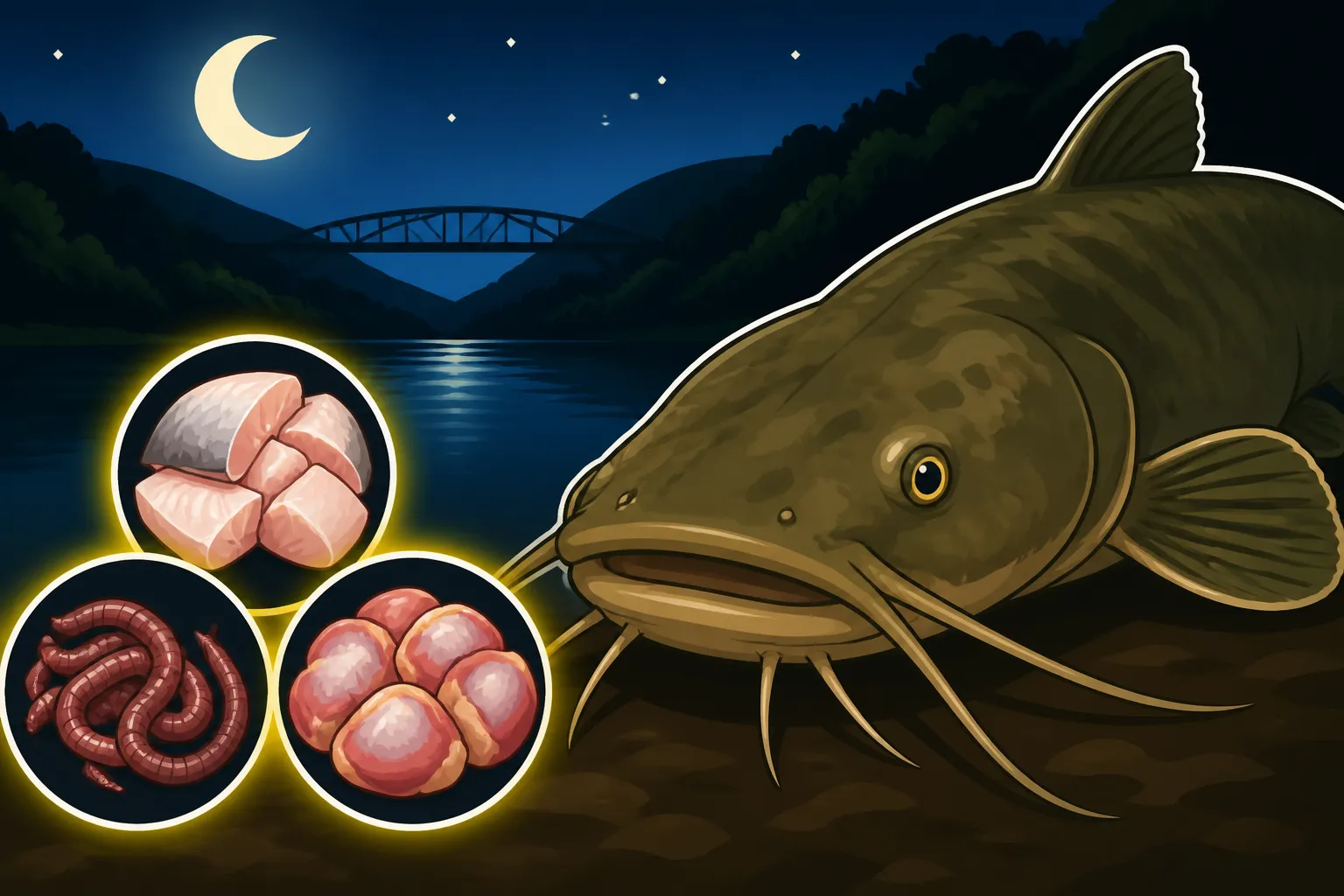
When the sun dips below the Appalachian ridges, a different world awakens beneath the surface of West Virginia's rivers and lakes. Flathead catfish are creatures of habit, and those habits shift dramatically once darkness falls. They transition from being somewhat dormant or seeking deep cover during the day to actively hunting when the stars come out. Understanding this nocturnal shift is key to choosing your bait.
The Flathead's Predatory Nature and Nocturnal Habits
Unlike their cousins, the channel and blue catfish, who are often characterized as opportunistic scavengers, flathead catfish are voracious predators. They prefer to eat live, moving prey. They're not sifting through the bottom for scraps; they're ambushing. This predatory instinct is amplified at night. Their superb sensory system, including highly developed whiskers for detecting vibrations and a powerful lateral line, allows them to home in on struggling baitfish even in complete darkness or murky water.
Think about it from a flathead's perspective: during the day, they're often tucked away in submerged log jams, rock piles, or deep holes, waiting out the bright light and boat traffic. But as evening approaches, they often move out into shallower feeding areas or patrol the edges of deeper channels. A static, dead bait might catch a channel cat, but it's far less likely to entice a hungry flathead that's actively looking for a meal it can hunt down. This is why live bait isn't just an option; it's practically a necessity for consistent nighttime flathead success. If you want to understand more about what flathead catfish eat, it will further reinforce the need for live bait.
Top Live Bait Choices for West Virginia Flatheads
Now that we've established the "why" of live bait, let's dive into the "what." Certain live baits consistently outperform others for big flatheads in West Virginia, offering the right combination of size, liveliness, and natural appeal.
Gizzard Shad and Alewives
These are often considered the gold standard for many predator fish, and flatheads are no exception. Gizzard shad and alewives are common forage fish in many West Virginia waterways, making them a natural food source for flatheads.
- Why they're great: Their silvery flash, frantic movements, and natural scent in the water are irresistible to flatheads. They struggle well on a hook, sending out those crucial vibrations that flatheads detect from a distance.
- Sourcing: Cast netting is the most common way to acquire shad. Look for them in calmer backwater areas, coves, or near current breaks, especially around dusk.
- Size: For trophy flatheads, don't be afraid to go big. Shad in the 6-10 inch range are perfect, but even larger ones can attract monster fish.
Suckers (Chubs and Creek Chubs)
Suckers are another fantastic option, particularly creek chubs, which are abundant in many of our cleaner streams and rivers.
- Why they're great: Suckers are incredibly hardy and can withstand being on a hook for a long time, even in current. They're also quite active, constantly trying to swim away, which creates an enticing commotion. Their tough scales also make them harder for smaller fish to pick apart before a flathead finds them.
- Sourcing: Often caught with small hooks and bait (like corn or worms) in creeks, or purchased from local bait shops.
- Size: A 4-8 inch sucker is ideal. They’re chunky and provide a substantial meal for a big flathead.
Bluegill and Sunfish
These panfish are readily available and a natural part of the flathead's diet. However, there are important considerations regarding their use.
- Why they're great: They're tough, lively, and a preferred food source. A struggling bluegill sends out strong distress signals.
- Sourcing: Easy to catch in almost any pond or slow-moving section of a river with a simple hook and worm or small jig.
- Size: 4-7 inches is a good range.
- Legality Alert: Always, always check the current West Virginia fishing regulations regarding the use of game fish as bait. While often legal, there might be specific rules about size, species, or where you can catch and use them. You don't want to get into trouble over bait! It’s crucial to know your local rules, which you can find by referencing the West Virginia Fishing Regulations Explained guide.
Bullheads
Smaller bullheads are another excellent choice, especially if you're fishing waters where they naturally occur.
- Why they're great: Bullheads are incredibly tough and can stay alive on a hook for a very long time, even in less-than-ideal conditions. Their hardiness means they keep sending out those enticing distress signals that flatheads can't ignore.
- Sourcing: Often caught in ponds or slow-moving sections of rivers.
- Size: A 4-6 inch bullhead makes for a good, robust bait.
Other Options (Perch, Small Carp)
While the above are the top contenders, other local baitfish like small perch or even juvenile common carp (again, check regulations!) can also work in a pinch, especially if they are prevalent in your specific fishing spot. The key is live and active.
Here's a quick comparison of the top live baits for nighttime flatheads:
| Bait Type | Key Advantages | Typical Size for Flatheads | Sourcing Methods |
|---|---|---|---|
| Gizzard Shad | Highly active, natural prey, strong scent | 6-10 inches | Cast netting (often best at dusk) |
| Suckers | Very hardy, active, good vibration | 4-8 inches | Small hooks/worms in creeks, bait shops |
| Bluegill | Lively, natural food source | 4-7 inches | Small hooks/worms, local ponds/rivers (check rules!) |
| Bullheads | Extremely tough, long-lasting bait | 4-6 inches | Small hooks/worms, local ponds/rivers |
Sourcing and Keeping Your Live Bait Healthy
Having the best bait means nothing if it's half-dead before you even cast it out. Keeping your bait lively and healthy is paramount, especially during a long night of fishing.
- Sourcing: As mentioned, cast netting is often the best for shad. For suckers, bluegill, or bullheads, a small hook and line in a nearby pond or creek will do the trick. You can also purchase bait from local tackle shops. If you're going for larger baitfish, you might need specific traps.
- Aeration: This is non-negotiable. A good bait bucket with a reliable aerator will keep your bait lively for hours. You can find excellent battery-powered aerators on Amazon that are portable and efficient. For larger quantities, a dedicated livewell with a robust pump is ideal. Learning about the benefits of a Best Livewell Aerator for a Small Boat could be helpful.
- Water Temperature: Try to keep the baitfish in water that's roughly the same temperature as the river you're fishing. Drastic temperature changes can shock and kill your bait.
- Minimizing Stress: Don't overcrowd your bait bucket. Change the water regularly if you don't have good aeration, or if the water becomes murky. Handle baitfish gently when hooking them to reduce stress and increase their longevity. A healthy, energetic baitfish is far more attractive to a flathead.
Presenting Your Nighttime Flathead Bait Effectively
Even with the best live bait, presentation is everything. A flathead isn't going to chase your bait across the river. You need to put it right in their strike zone and allow it to behave naturally.
Rigging for Success in the Dark
Simplicity and strength are key when rigging for flatheads, especially at night when visibility is low and mistakes can be costly.
- Circle Hooks: These are your best friends for flathead fishing. They virtually eliminate gut-hooking, which is crucial if you plan to release fish or for better overall fish health. A 7/0 to 10/0 circle hook is a good starting point for medium to large baits. When a flathead takes the bait and swims away, the circle hook simply slides to the corner of its mouth and sets itself. No need for a dramatic hookset!
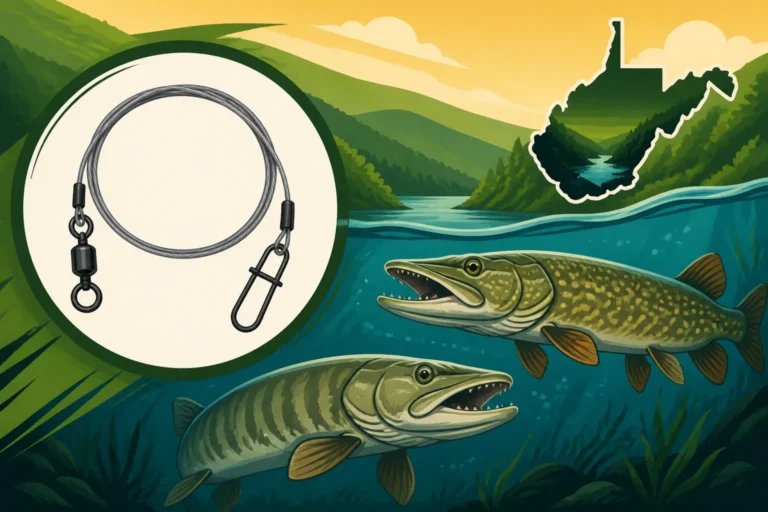
- Leader Material: Flatheads have powerful jaws and are often found around abrasive structure. A heavy-duty monofilament or fluorocarbon leader, typically 50-80 pound test, is recommended. This provides abrasion resistance and shock absorption.
- Sinker Types: A slip sinker rig (Carolina rig variation) is excellent. It allows the line to run freely through the sinker, so the flathead doesn't feel resistance when it picks up the bait. This gives them time to mouth the bait and swim away, allowing the circle hook to do its job. A 1-4 ounce egg sinker or similar can be used, depending on current strength. For really heavy currents or snags, a three-way swivel rig with a break-away dropper line for the sinker can be effective.
- Basic Rig: Thread your main line through a slip sinker, then tie on a heavy-duty barrel swivel. To the other end of the swivel, tie your leader (18-36 inches long) and finally your circle hook. This setup ensures your bait can swim freely a short distance from the weight, making it look natural.
Prime Locations for Nighttime Flathead Ambush
Flatheads are ambush predators, so you need to place your bait where they are most likely to lie in wait for an unsuspecting meal. At night, these spots can be particularly productive.
- Current Breaks: Anywhere the main current slows down or creates an eddy is prime flathead territory. This could be behind a large rock, a log jam, or a point of land. The flathead can conserve energy while waiting for prey to be swept by.
- Submerged Structure: Log jams, downed trees, rock piles, and old bridge pilings provide both cover and ambush points. Flatheads love to tuck themselves into these areas during the day and will often remain in their vicinity or patrol the edges at night. Pay special attention to these areas along the Ohio River Fishing Guide for West Virginia Anglers or the Kanawha River.
- Deep Holes and Drop-offs: Flatheads will often retreat to deeper water, especially if there's significant current or boat traffic. Fishing the edges of these deep holes where they transition to shallower feeding flats can be incredibly productive at night.
- Confluence of Rivers/Creeks: Where a smaller creek enters a larger river, it creates a natural funnel for baitfish and often deposits structure. These areas are magnets for flatheads.
Patience and Persistence: The Night Angler's Virtues
Night fishing for flatheads isn't a fast-paced game. It requires patience and a good dose of persistence.
- Setting Multiple Rods: If legal, use several rods. This increases your chances of presenting bait in multiple prime locations and covers more water. Make sure your rod holders are sturdy – a flathead strike can be powerful!
- Waiting for the Bite: Flathead bites are often slow and deliberate. You might see a gentle tap, then a slow, steady bend in the rod as the fish mouths the bait and begins to swim off. Resist the urge to yank immediately. Let the fish take the bait, and the circle hook will usually do the rest.
- Safety First: Night fishing can be disorienting. Always let someone know where you're going and when you expect to return. Bring a reliable light source (more on that below!), insect repellent, and wear appropriate clothing. Keep your fishing area tidy to avoid tripping hazards in the dark.
Other Considerations for Nighttime Flathead Fishing in West Virginia
Beyond bait and presentation, having the right gear and understanding the rules will significantly enhance your nighttime flathead experience.
Gear Up for the Night Shift
Fishing after dark demands specific equipment to ensure both success and safety. You don't want to be fumbling around in the dark when that monster flathead finally hits.
- Heavy-Duty Rods and Reels: You're targeting big, strong fish. A medium-heavy to heavy action rod, typically 7-9 feet long, paired with a stout baitcasting reel capable of holding a lot of heavy line, is essential. Think about what's needed for big game fish. Check out some options in the Best Fishing Rods for West Virginia Rivers.
- Strong Line: Monofilament in the 25-40 pound test range is a good all-around choice, offering stretch and abrasion resistance. Some anglers prefer braided line (50-80 pound test) for its sensitivity and incredible strength, especially when fishing around heavy cover. If using braid, a mono or fluorocarbon leader is a must.
- Headlamps and Lanterns: A reliable headlamp is crucial for tying knots, rebaiting, and safely moving around. A brighter lantern can illuminate your general fishing area. Many anglers choose battery-powered LED lanterns available on Amazon for their long life and good illumination. Don't forget extra batteries! Having a Best Headlamp for Night Catfish Fishing can truly make a difference in your experience.
- Rod Holders: Sturdy rod holders are essential to keep your rods secure, especially with those powerful flathead strikes. Bank sticks for shore anglers or rail-mounted holders for boaters are critical.
- Large Landing Net: Once you hook into a big flathead, you'll need a big net to land it safely. A large, deep net with rubberized mesh is ideal to protect the fish and prevent hooks from getting tangled. You can look into options typically used for muskie, such as a Best Landing Net for Muskie, as flatheads can grow to impressive sizes.
- Basic Tools: Pliers for hook removal, a good cutting tool for line, and a towel or gloves for handling those slimy, spiny fish.
Understanding West Virginia Regulations for Flatheads
Before you head out, make sure you're up-to-date on all the relevant West Virginia fishing regulations. These rules are in place to manage fish populations and ensure sustainable fishing for everyone.
- Size Limits and Creel Limits: Flathead catfish, like many game fish, often have specific size and daily creel (possession) limits. These can vary by water body. For example, some rivers might have different rules than impoundments. Always consult the current West Virginia fishing regulations summary, which you can often find online through the DNR website. The West Virginia Bag and Possession Limits by Species guide can give you a general overview.
- Baitfish Regulations: We touched on this, but it bears repeating. There are strict rules about what species of fish can be used as bait, whether they must be caught from the same body of water, and if there are size restrictions. Do your homework! Don't assume.
- Fishing Methods: Ensure your fishing method (number of rods, types of rigs) complies with local regulations.
- Licensing: Of course, you’ll need a valid West Virginia fishing license. If you're unsure about where to get one or what kind you need, our West Virginia Fishing License Guide for 2026 can walk you through it.
Remember, rules can change, so always check the most current information before each season.
Conclusion
Chasing flathead catfish at night in West Virginia is an exhilarating experience that tests an angler's skill and patience. The key to consistent success, without a doubt, lies in the use of fresh, lively bait. By understanding the flathead's predatory nature, selecting top-tier live baits like shad, suckers, or bluegill, and presenting them effectively in prime ambush locations, you drastically increase your odds of landing a true monster. Couple this with the right heavy-duty gear and a thorough knowledge of local regulations, and you're well on your way to experiencing the unparalleled thrill of a West Virginia flathead strike under the stars. So grab your bait, rig up, and get ready for some serious nighttime action!
Disclaimer
This article is for general informational purposes only and does not constitute professional advice. Laws, prices and regulations vary by location and change over time. Consult a qualified professional for guidance on your specific situation.