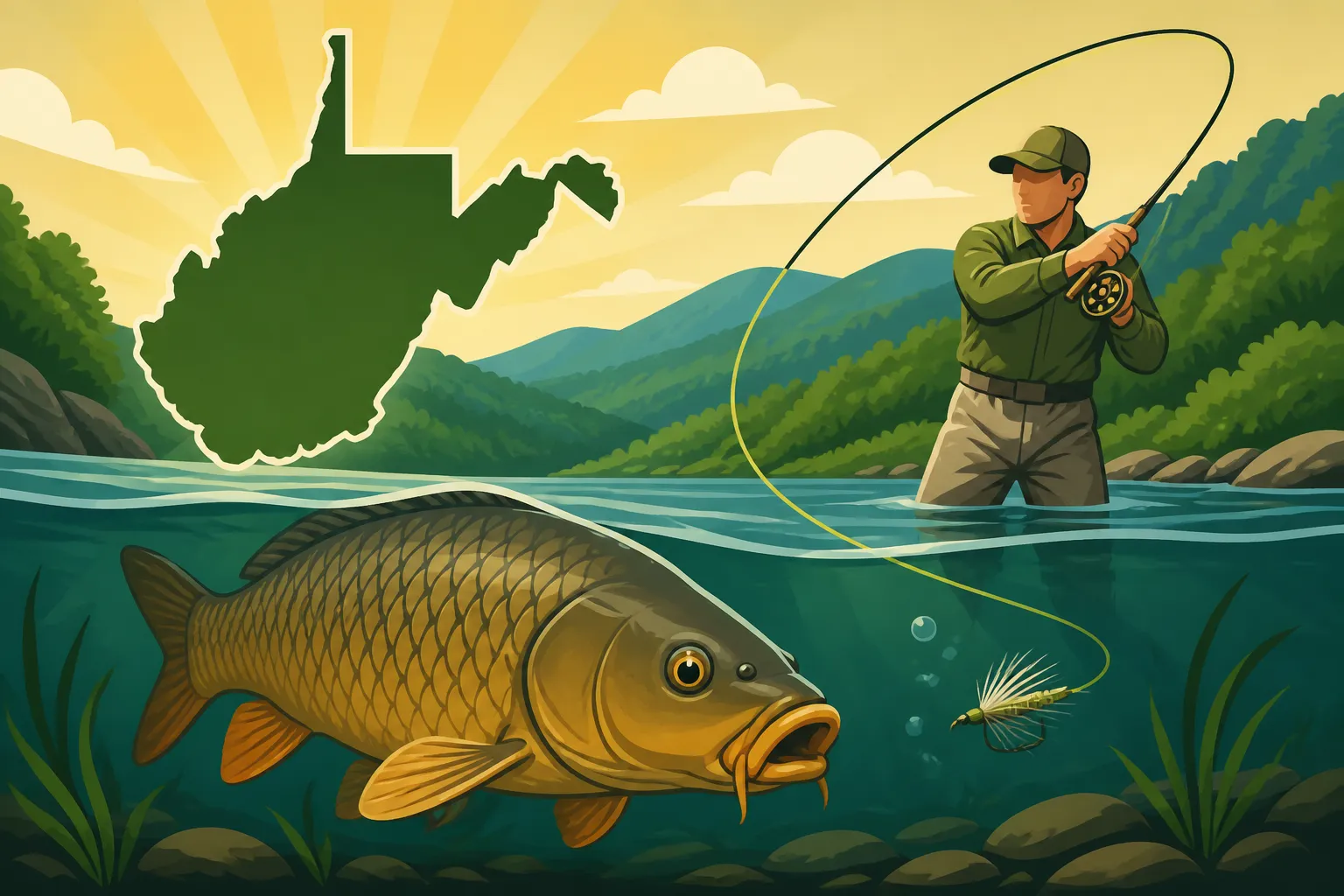
How to catch carp on the fly in West Virginia
For many anglers, the word "carp" might conjure images of bottom feeders, muddy water, and perhaps even a bit of disdain. But if you've ever hooked into a true river monster in West Virginia, you know these fish are powerful, cunning, and an absolute blast to catch. This guide is for those who are ready to elevate their carp game, to embrace the challenge, and discover the thrilling world of fly fishing for carp right here in the Mountain State. We're going to dive deep into the techniques, gear, and spots that will help you land these freshwater bruisers on the long rod.
Why Fly Fishing for Carp is a Game-Changer (and a Challenge) in West Virginia
Let's be real: carp don't get the respect they deserve. They're often overlooked in favor of trout or smallmouth bass, but anyone who's battled a big common carp on light tackle knows they are formidable opponents. Fly fishing for them adds a whole new layer of excitement and difficulty that truly sets it apart from traditional methods.
The Underrated Fight of West Virginia Carp
Forget everything you think you know about carp once you hook one on a fly rod. These fish are absolute powerhouses. A 10-pound carp can feel like a 20-pound salmon when it decides to spool you. They make blistering runs, often deep into the backing, and use their broad, muscular bodies to leverage the current or dive into snags. It's a truly exhilarating fight that tests your knots, your drag, and your angling skill. Here in West Virginia, where our rivers run strong and our lakes hold massive fish, you can expect some truly memorable battles. From the broad expanse of the Ohio River to the unexpected backwaters of the Kanawha, the potential for a trophy carp is always there.
Moreover, carp in West Virginia waters tend to be robust and healthy. They grow to impressive sizes, with many fish in the 15-25 pound range, and occasionally, you'll encounter true giants pushing well over 30 pounds. Landing one of these beasts on a fly rod is a badge of honor, a testament to your patience and precision. It's a unique satisfaction that comes from outsmarting a fish that most people dismiss as unglamorous.
Reading the Water: Where to Find Carp
Carp are incredibly adaptable, which means you can find them in a wide variety of West Virginia's aquatic environments. However, to target them effectively on the fly, you need to know where to look and how to interpret their behavior. They prefer warmer, shallower water, especially areas with soft bottoms, weed beds, or submerged structure where they can forage.
River Systems: Our major river systems, like the Ohio River, Kanawha River, and even sections of the New River, are prime carp habitat. Look for slower sections, eddies, backwaters, and feeder creek mouths. They love to cruise along riprap banks or muddy flats, often with their tails or dorsal fins breaking the surface as they feed in the shallows. On the Ohio River, for example, you'll find them in abundance in the quieter sections away from the main channel, rooting around for invertebrates. For specific guidance on river fishing, check out our Ohio River Fishing Guide for West Virginia Anglers or our New River Gorge Fishing Guide.
Lakes and Ponds: In larger reservoirs like Summersville Lake, Cheat Lake, or Stonewall Jackson Lake, carp will congregate in shallow coves, along shorelines with emergent vegetation, or near boat ramps and marinas where food sources might be plentiful. Smaller farm ponds and impoundments can also hold surprisingly large carp. The key is to look for signs of their presence: muddy plumes from their feeding, rolling fish, or even the distinct "slurp" sound as they take food from the surface. In many of these areas, a kayak can be invaluable for stealthy approaches, as discussed in our guide on Best Kayak Fishing Spots in West Virginia.
The Wary Nature of the Beast
This is where fly fishing for carp gets really interesting – and challenging. Unlike a trout that might aggressively chase a dry fly, or a bass that hammers a spinnerbait, carp are incredibly spooky. They have excellent eyesight and are highly sensitive to vibrations and shadows. A careless cast, a heavy footstep on the bank, or even the flash of a shiny object can send an entire school scattering in a panicked spray of water.
Approaching carp requires extreme stealth, patience, and a delicate touch. Think of it more like hunting than fishing. You need to stalk them, observe their feeding patterns, and present your fly with utmost precision and gentleness. This wariness is precisely what makes fly fishing for carp so rewarding; it demands a level of finesse and strategic thinking that rivals fishing for the most elusive trout. Every successful hook-up feels earned, a triumph of skill over their inherent caution.
Essential Gear for West Virginia Fly Carp Anglers
To tackle West Virginia's robust carp population on the fly, you'll need gear that balances delicate presentation with brute strength. This isn't your average trout fishing setup; we're talking about robust equipment designed to handle powerful fish in sometimes challenging environments.
Rod, Reel, and Line Selection
Choosing the right rod, reel, and line is paramount for successful carp on the fly. You're looking for a setup that can punch through a breeze, cast accurately, and then stand up to the punishing runs of a big carp.
Rods: A good all-around rod for West Virginia carp will typically be a 6-weight or 7-weight, with a fast action. Some anglers even prefer an 8-weight, especially when targeting larger fish in strong currents or heavy cover, or if they are throwing larger, wind-resistant flies. A fast-action rod provides the backbone needed to fight big fish and the ability to generate line speed for quick, accurate casts when you spot a cruising carp. While a 5-weight might seem like fun for the challenge, it can quickly become under-gunned, leading to longer fight times that stress the fish and increase the chance of break-offs. If you're comparing, a Best Fly Rods for West Virginia Trout Streams article would discuss much lighter weights, highlighting the significant difference in power needed for carp.
Reels: Your reel needs a smooth, reliable drag system and ample backing capacity. Carp will test your drag with their initial runs, and a sticky or inconsistent drag can quickly lead to snapped tippets or lost fish. A reel designed for saltwater applications or larger freshwater species is often a good choice, as they are built for durability and stronger drags. Ensure it can hold at least 100-150 yards of 20-pound backing, plus your fly line.
Lines: A weight-forward floating line is almost always the best choice for carp. The weight-forward taper helps with casting heavier, often wind-resistant flies and turning over longer leaders. Floating lines are essential for delicate presentations in shallow water and for tracking your fly visually. If you anticipate fishing deeper sections or for more aggressive, sub-surface feeding carp, an intermediate sinking line could be an option, but floating is your go-to for most sight-fishing scenarios.
Leader and Tippet for Stealth and Strength
This is a critical area where many anglers might underestimate carp. You need leaders and tippets that are long enough for stealth but strong enough to withstand incredible pressure.
Leaders: Start with a 9 to 12-foot tapered leader. Longer leaders (10-12 feet) are advantageous in clear water or when carp are particularly spooky, allowing you to keep more distance between your fly line and the fish. The butt section of your leader should match the weight of your fly line for efficient energy transfer during the cast.
Tippet: Fluorocarbon is the gold standard for carp tippet. It's nearly invisible underwater, which is crucial for wary carp, and it's highly abrasion-resistant – a must when carp run into rocks, submerged wood, or weed beds. For most situations, a 1X to 3X fluorocarbon tippet (which typically translates to 10-15 pound test) is appropriate. Go heavier if you're in snaggy areas or targeting truly massive fish, but remember that too heavy a tippet can hinder presentation and spook fish in very clear water. Always check your knots carefully, as carp will find any weakness.
Fly Selection: Imitating the Carp's Diet
Carp are omnivores, and their diet can vary widely depending on the body of water and the time of year. This means you need a versatile fly box with patterns that imitate their common food sources in West Virginia.
Common Forage: In West Virginia, carp primarily feed on aquatic insects (nymphs, larva), crustaceans (crayfish), small worms, leeches, and even various plant matter, seeds, and berries that fall into the water. They are opportunistic feeders, so sometimes a well-placed "junk food" fly can work wonders.
Specific Fly Patterns:
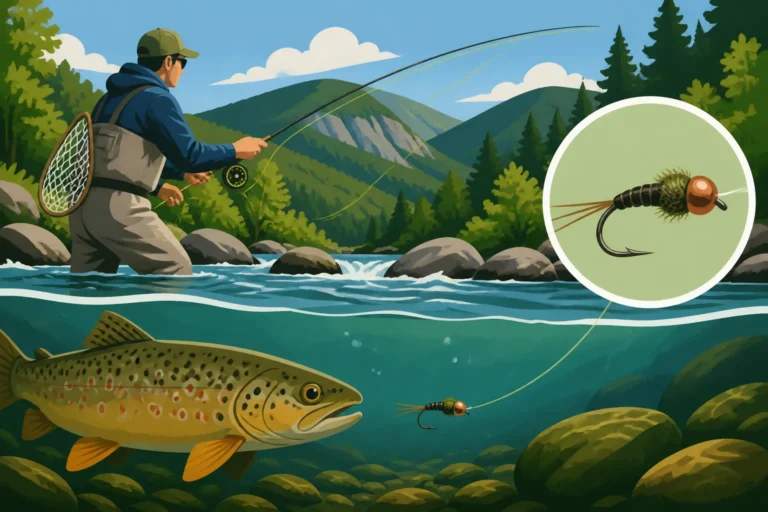
- Worms and Nymphs: The San Juan Worm and various Squirmy Wormy patterns are incredibly effective, especially after a rain when natural worms are washed into the water. Larger nymph patterns like a Prince Nymph or Hare's Ear Nymph in sizes 8-12 can also fool feeding carp.
- Crayfish Imitations: Crayfish are a huge part of a carp's diet in many West Virginia waters. Patterns like the Clouser Crayfish, NearNuff Crawfish, or Permit Crab patterns tied in olive, brown, or tan are excellent choices.
- Carp-Specific Flies: Many patterns have been developed specifically for carp. The Carp Bitter (often in black or olive), Headstand, or Backstabber are designed to land softly and stand up on the bottom, mimicking feeding behavior.
- Small Streamers/Buggers: Sometimes, a small Woolly Bugger (black, olive, brown) or even a Clouser Minnow in subtle colors can provoke a strike from an aggressive carp, especially if they are chasing baitfish or larger prey.
You can often find a great selection of these patterns, or the materials to tie your own, on platforms like Amazon, which can be super convenient for filling your fly box before a trip to a new West Virginia carp spot. The key is to match the hatch, or in this case, match the forage, and present it naturally.
| Fly Pattern | Primary Forage Imitation | Best Usage Scenario | Typical Colors | Sizes |
|---|---|---|---|---|
| San Juan Worm | Worms, aquatic larva | Post-rain, muddy water, actively rooting carp | Red, Pink, Brown, Tan | #10-14 |
| Clouser Crayfish | Crayfish | Rocky bottoms, areas with known crayfish presence | Olive, Brown, Tan | #4-8 |
| Carp Bitter | General bottom forage, worms | Sight fishing, spooky carp, delicate presentation | Black, Olive, Tan | #8-12 |
| Woolly Bugger | Leeches, baitfish, general buggy | Aggressive carp, searching deeper water, off-color | Black, Olive, Brown | #6-10 |
| NearNuff Crawfish | Crayfish | Mimicking fleeing crayfish | Tan, Olive, Rust | #6-10 |
| Prince Nymph | Large aquatic nymphs | General nymphing for carp | Black, Brown, Peacock | #10-14 |
Techniques and Tactics for Fooling West Virginia Carp on the Fly
Catching carp on the fly is less about brute force and more about finesse, observation, and perfect timing. It truly hones your fly fishing skills in a unique way.
The Art of the Approach and Presentation
This is arguably the most crucial aspect of fly fishing for carp. Remember, they are incredibly wary.
Stealth is Paramount: When you're approaching a carp flat on the New River or a shallow cove on Summersville Lake, move slowly and deliberately. Use any available cover – tall grass, brush, bank contours – to conceal yourself. Avoid stomping, loud noises, or sudden movements. Often, the best approach is to wade slowly (if safe) or use a kayak or small boat to position yourself, as discussed in our guide on Best Boats for West Virginia Rivers and Lakes.
Sight Fishing: Most fly fishing for carp is sight fishing. You need to spot the fish, observe its direction of travel and feeding behavior, and then make your cast. Polarized sunglasses are absolutely essential for cutting glare and spotting fish. Look for dark shapes, tailing fish (tails breaking the surface as they feed head-down), muddy plumes, or subtle movements in the water.
Casting Accuracy and Lead Distance: Once you spot a carp, you need to deliver your fly with precision. Cast beyond and upstream of the fish, allowing the fly to sink and drift naturally into its feeding zone. The goal is for the fly to arrive at the carp's nose before the line or leader spooks it. This often means a lead of several feet, depending on current and depth. A sloppy cast directly on top of the fish will almost certainly send it fleeing. Practice your accuracy and soft presentations at home!
The "Wait and See" Retrieve
Carp generally aren't chasing their food. They're rooting around on the bottom or sipping daintily. This means your retrieve needs to be slow, deliberate, and natural.
Let it Sink: After your cast, allow your fly to sink all the way to the bottom. Carp are bottom feeders, and your fly needs to be in their strike zone. Observe the leader and line for any subtle twitches or pauses that might indicate the fish has picked up your fly.
Subtle Twitches: Once the fly is on the bottom, a very slow, short strip-retrieve, combined with subtle twitches, can imitate a struggling worm or a crawling crayfish. Don't overdo it. The goal is to make the fly look alive but not flee. If a carp is actively rooting, a motionless fly that just appears in its path can often be the most effective presentation. Watch the fish's reaction; if it spooks, you were too aggressive. If it ignores it, try another subtle twitch or let it sit.
Watch for the Take: Carp takes can be incredibly subtle. The line might just stop, or slowly move off to the side. Sometimes, you'll see the carp "suck" in the fly, creating a small puff of mud or a subtle movement of its mouth. It's crucial to keep your eyes on the leader and fly, especially in clear water, and react quickly but gently.
Hook Set and the Battle
The moment of truth! Hooking a carp on the fly is exciting, but then the real fight begins.
The Delayed Hook Set: Unlike trout or bass, carp often "mouth" the fly before fully committing. A common mistake is to set the hook too soon. When you see the take, resist the urge to immediately yank. Instead, make a slow, deliberate strip-set by pulling the line firmly while simultaneously raising your rod tip. This allows the carp to fully engulf the fly and provides a solid hook-up.
Managing Strong Runs: Once hooked, a carp will often make a powerful, blistering run. Let it go! Allow your drag to do its job. Don't try to stop it by palming the reel too aggressively, as this is a sure way to snap your tippet. Keep your rod tip high to maintain pressure and absorb the shock. Be prepared for multiple runs, especially with larger fish. Always be aware of your surroundings for snags, and try to steer the fish away from heavy cover.
Fighting Big Fish on Lighter Tackle: Fighting a 20-pound carp on a 6-weight fly rod is a test of endurance. Be patient. Let the fish tire itself out, using the rod's flex to your advantage. Keep consistent pressure, but don't force it. Pump and reel, gaining line when you can, but always be ready for another surge. This is where a good reel with a reliable drag truly shines.
Prime Times and Conditions
While carp can be caught year-round in West Virginia, certain times and conditions offer better chances for success on the fly. You can consult our West Virginia Fishing Seasons by Month guide for a broader look at annual fishing opportunities.
Spring and Fall: These are generally the best seasons. In spring, as water temperatures rise, carp become very active and move into the shallows to feed and eventually spawn. This is a fantastic time for sight fishing. Fall, before the water gets too cold, offers another excellent window as carp feed heavily in preparation for winter.
Summer: Carp are still active in summer, but they can be harder to catch on the fly, especially during the heat of the day. Target them early in the morning, late in the evening, or on overcast days. Look for them in areas with slightly deeper water adjacent to shallow flats, or around any source of shade.
Weather Conditions: Overcast days with light breezes are often ideal, as the diffused light makes it easier to spot fish and reduces their wariness. Avoid bright, sunny days with no wind, as carp will be extra spooky, and glare can make spotting them difficult. After a rain, when rivers are a bit off-color but not completely blown out, can be excellent, as new food sources are washed into the water. For more on reading water conditions, consider our general guide on Reading the West Virginia Fishing Regulations Summary for how regulations might shift with seasonal changes, influencing carp activity.
Top West Virginia Carp Waters to Explore
West Virginia offers a fantastic array of waters for the aspiring fly carp angler. From mighty rivers to serene lakes, the opportunities are abundant once you know where to look.
River Systems for Robust Carp
Our river systems are arguably the most exciting places to chase carp on the fly, offering dynamic environments and often very large, strong fish.
Ohio River: The Ohio River is a powerhouse for big carp. Its vast stretches offer numerous backwaters, slow eddies, and shallower flats where carp thrive. Look for them cruising along riprap banks or feeding in the calmer water near creek mouths. Access can be found at various public boat ramps and riverside parks. These fish are accustomed to current and will give you a phenomenal fight. Our Ohio River Fishing Guide for West Virginia Anglers provides more detailed information on access and prime spots.
Kanawha River: The Kanawha River, particularly its lower reaches and tributaries, holds a strong population of carp. The river's warmer water and nutrient-rich environment create ideal conditions. Focus on the quieter sections, especially around sandbars, log jams, and any areas with submerged vegetation. Access points can be found near towns like Charleston and Winfield.
New River: While famed for its smallmouth bass, the New River also holds a respectable population of carp, especially in its wider, slower sections and backwater eddies. These carp are incredibly strong due to the current they inhabit. Targeting them on the New River often requires a stealthy approach, perhaps from a kayak or by careful wading in accessible areas. The New River Gorge Fishing Guide offers insights into accessing this iconic river.
Lake and Pond Opportunities
For a potentially more accessible or less intimidating carp experience, West Virginia's lakes and larger ponds can be excellent choices.
Summersville Lake: West Virginia's largest lake, Summersville Lake, has numerous shallow coves and rocky points that can hold carp, especially in the spring and fall. While often thought of for its smallmouth bass or walleye, the carp population is healthy and often overlooked. Look for them rooting around in the shallows during warmer months. Our Summersville Lake Fishing Guide offers excellent information on navigating this vast body of water.
Cheat Lake: Near Morgantown, Cheat Lake offers a range of habitats. The shallower, upper reaches of the lake and its various coves and arms can be good for carp. Its proximity to urban areas means carp can be accustomed to some activity, but they will still require a careful approach.
Smaller Impoundments and Ponds: Don't overlook the myriad of smaller public and private ponds across the state. Many of these contain surprisingly large carp that are often less pressured than those in larger rivers. These can be great places to hone your skills, as the fish are often more visible in clearer, shallower water. Always ensure you have the proper West Virginia Fishing License Guide for 2026 before fishing any public or private waters.
When exploring any of these waters, remember that carp fishing on the fly demands patience, a keen eye, and a willingness to learn. But the rewards – those powerful, exhilarating fights – are absolutely worth the effort.
Disclaimer
This article is for general informational purposes only and does not constitute professional advice. Laws, prices and regulations vary by location and change over time. Consult a qualified professional for guidance on your specific situation.