Best Kayak Fishing Spots in West Virginia
Finding the perfect fishing spot in West Virginia can feel like an endless quest, especially when you're limited to traditional bank access or larger boat ramps. But for those who embrace the paddle, an entirely new world of remote, pristine waters opens up, offering unparalleled angling opportunities away from the crowds. This guide will take you through the best kayak fishing spots in the Mountain State, helping you uncover hidden gems and maximize your time on the water.
Why Kayak Fishing is a Game Changer in West Virginia
Kayak fishing has exploded in popularity, and for good reason. In a state like West Virginia, with its intricate network of winding rivers, secluded coves, and smaller impoundments, a kayak isn't just a vessel; it's a key to unlocking waters that remain untouched by larger boats. If you've ever felt frustrated by crowded launch points or struggled to reach those "fishy-looking" pockets of water, a kayak is about to become your new best friend. It offers a unique blend of portability, stealth, and connection with nature that larger boats simply can't match, turning every outing into an adventure.
Accessing Secluded Honey Holes
One of the biggest advantages of kayak fishing in West Virginia is the ability to access areas that are simply unreachable by motorboats. Think about those narrow river bends, shallow riffles, or small feeder creeks that hold trophy fish but are too tight or too shallow for anything but a paddle craft. Kayaks can be launched from almost anywhere – roadside pull-offs, small beaches, or even carried down short trails to remote sections of rivers and lakes. This opens up countless "honey holes" where fish rarely see a lure, increasing your chances of a successful outing and a memorable catch. You're not just fishing; you're exploring, pushing the boundaries of what's possible on the water.
Consider a section of the Greenbrier River, for instance, known for its excellent smallmouth bass fishing. While many anglers stick to established boat ramps, a kayak allows you to put in upstream or downstream, accessing long stretches of river with minimal pressure. You can easily navigate around fallen trees, over shallow rock gardens, and into calm eddies that hold big fish, giving you a distinct advantage. This unparalleled access isn't just about catching more fish; it's about experiencing the wild beauty of West Virginia in a way that very few others do, paddling through serene landscapes and truly immersing yourself in the environment. It feels like you've got the whole river to yourself.
The Stealth Advantage on Spooky Waters
Another powerful tool in the kayak angler's arsenal is stealth. Kayaks glide through the water silently, propelled by a paddle or a quiet pedal drive, without the noisy rumble of an outboard motor. This silent approach is invaluable on clear, calm waters, particularly when targeting wary fish like trout or large river smallmouth bass. You can slip into a prime fishing position without alerting your quarry, allowing for closer casts and more natural presentations. This quiet presence often means the difference between spooking a trophy fish and enticing it to bite.
Imagine approaching a glassy calm pool on a small mountain stream like the Cranberry River. A large fish might easily detect the vibrations and sound of a motorboat, sending it scurrying for cover. But a kayak, stealthily gliding over the surface, allows you to get within casting distance of that very same fish. This quietness extends beyond just the fish; it enhances your overall experience. You can hear the rustle of leaves on the bank, the call of a distant bird, and the gentle splash of your paddle, creating a more peaceful and immersive fishing trip. It’s a truly authentic way to connect with the water and its inhabitants.
Top Lakes for Kayak Fishing in West Virginia
West Virginia boasts an impressive array of lakes, from vast reservoirs to smaller, quieter impoundments, many of which are perfect for kayak fishing. These lakes offer diverse fisheries, ranging from hard-fighting bass and muskie to plentiful panfish and walleye. The key is knowing which ones best suit your paddling and angling style. When you're ready to explore these waters, you might find some useful resources on platforms like FishingBooker to help plan your trips and find local guides if you wish.
Summersville Lake: Diverse Opportunities for All Anglers
Summersville Lake, often called the "Little Bahamas of the East" for its stunning clear, turquoise waters and dramatic cliffs, is a premier destination for kayak anglers. This massive reservoir, located in Nicholas County, offers an incredible diversity of fishing, making it suitable for everyone from beginners to seasoned pros. Its extensive shoreline, numerous coves, and deep channels provide endless opportunities to target various species. When researching how to approach this large body of water, you might want to check out some insights on Summersville Lake Fishing Guide to prepare adequately.
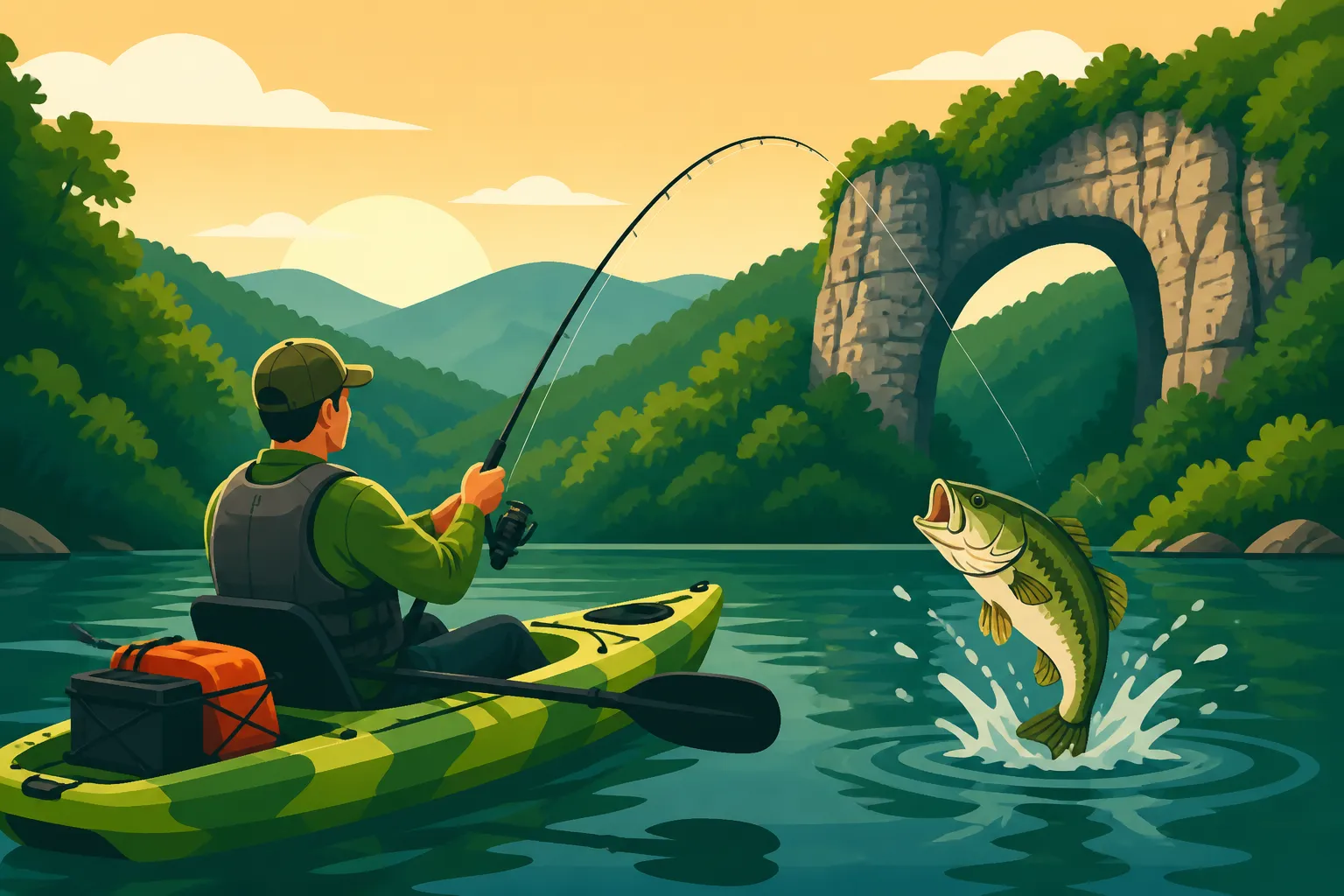
The lake is particularly renowned for its smallmouth bass, largemouth bass, and walleye. Kayak anglers can explore the rocky points and submerged timber for smallmouth, or slip into the calmer, shallower coves and brush piles for largemouth. The deep, clear waters also hold excellent walleye, especially around drop-offs and humps, which are accessible with a bit of paddling effort or a small trolling motor on your kayak. The sheer size of Summersville Lake means that even on busy days, you can find a secluded cove to enjoy some peace and quiet, and the stunning scenery alone makes the trip worthwhile. Access points are plentiful, from developed ramps to less formal shorelines ideal for kayak launching. For those who want to really cover water, a pedal kayak can be a real asset here, allowing you to troll lures while still keeping your hands free to manage your rod.
Stonewall Jackson Lake: Trophy Bass Haven
If trophy largemouth bass are what you dream of, then Stonewall Jackson Lake in Lewis County should be high on your list. This lake is famous for its strict slot limits and excellent management, which have resulted in a truly exceptional fishery for big bass. While it's popular with larger bass boats, the lake's abundant submerged timber and intricate creek arm structure make it an ideal playground for kayak anglers who can silently navigate its dense cover.
The secret to Stonewall Jackson Lake's success is its standing timber, which provides incredible habitat for bass. Kayak anglers can effortlessly maneuver through these submerged forests, pitching jigs, plastics, or spinnerbaits into tight pockets where monster largemouth lurk. The quiet approach of a kayak allows you to get right on top of these fish without alarming them. Additionally, the lake offers great opportunities for crappie, especially around the timber and brush piles. The relative absence of extreme currents and large open expanses means that even smaller, more maneuverable kayaks can thrive here. It's a challenging but highly rewarding lake, where persistence and careful navigation often lead to truly memorable catches.
Cheat Lake: Northern Panhandle Gem
Nestled in the Northern Panhandle near Morgantown, Cheat Lake offers a fantastic kayaking experience with a diverse fishery. This deep, clear reservoir, formed by the Cheat River, is a popular spot for both recreational boaters and anglers. Despite its popularity, kayak anglers can find plenty of quiet water by heading into the numerous coves and the upper river sections that feed into the lake.
Cheat Lake is known for its healthy populations of largemouth and smallmouth bass, as well as a good number of northern pike, walleye, and panfish. The lake's varied structure, including rocky banks, submerged timber, and weed beds, provides ample cover for fish. Kayak anglers can target bass along the steep rock walls or in the calmer, shallower coves. The upper reaches of the Cheat River, accessible by kayak, offer excellent riverine fishing for smallmouth in a more secluded environment. It's a great spot for an all-day adventure, allowing you to explore different types of habitat and potentially encounter a variety of species. With plenty of public access, it's a convenient option for those in the northern part of the state looking for a quality kayak fishing destination.
Premier Rivers for Kayak Fishing Adventures
West Virginia is truly the Mountain State, and with mountains come rivers – incredible, wild, and fish-filled rivers. Kayak fishing on these flowing waters offers a completely different experience than lake fishing, challenging your paddling skills and rewarding you with breathtaking scenery and feisty river fish. From legendary bass rivers to pristine trout streams, the possibilities are vast.
New River: Legendary Smallmouth and Muskie Waters
The New River, one of the oldest rivers in the world, is an absolute legend among anglers, especially for its world-class smallmouth bass and formidable muskie. For kayak anglers, floating sections of the New River offers an unforgettable experience, combining thrilling rapids with stretches of calm, productive water. It's a powerful river, so choosing the right kayak and understanding river safety are paramount. You can learn more about navigating its waters and targeting its prized species in our New River Smallmouth Bass Fishing guide.
Kayakers can access various sections of the New River, each offering unique challenges and rewards. The river's abundant rock formations, ledges, eddies, and current breaks provide perfect ambush points for smallmouth bass. Floating downstream, you can cast spinnerbaits, crankbaits, or soft plastics to these structures, often hooking into hard-fighting bronzebacks. For those seeking the ultimate freshwater challenge, the New River also holds impressive muskie, often found lurking in slower, deeper pools or near large cover. Paddling allows you to meticulously pick apart these areas. While some sections can be challenging, outfitters and numerous access points make it feasible for kayakers of varying skill levels to experience its majesty, though caution and preparation are always advised. Remember to scout your put-in and take-out spots carefully, and consider hiring a shuttle service for longer floats.
Greenbrier River: A Scenic and Productive Float
The Greenbrier River is another West Virginia treasure, offering mile after mile of idyllic, mostly gentle currents perfect for a relaxing yet productive kayak fishing trip. Winding through the scenic Allegheny Mountains, this river is known for its excellent smallmouth bass fishery, as well as decent populations of rock bass and various panfish. The Greenbrier is largely free-flowing, characterized by long pools, riffles, and occasional shoals, making for an enjoyable float and wade fishing experience from your kayak. Our Greenbrier River Fishing Guide has additional details that can help you plan your trip.
Kayak anglers on the Greenbrier will find success by casting small crankbaits, tube jigs, and soft plastics towards fallen timber, rock ledges, and current seams. The river's relatively calm nature means it's a fantastic spot for anglers of all skill levels, and its clarity often allows for sight fishing in shallower sections. The surrounding landscape, dotted with charming small towns and lush forests, makes for a truly picturesque setting. Many sections of the Greenbrier also run parallel to the Greenbrier River Trail, offering easy access for put-ins and take-outs, or even multi-day trips with camping opportunities. It's an ideal river for those who want a blend of solitude, scenery, and consistent smallmouth action without the intensity of larger, more powerful rivers.
Elk River: Trout, Smallmouth, and Beautiful Scenery
The Elk River offers a diverse fishery that changes as it flows from its headwaters in the mountains down towards its confluence with the Kanawha. For kayak anglers, the upper and middle sections are particularly rewarding, offering opportunities for both trout and smallmouth bass, depending on the specific stretch. It's a river that truly showcases the beauty and variety of West Virginia's waterways. Delve deeper into specific techniques for this river with our Elk River Trout Fishing guide.
The upper Elk River is renowned for its excellent trout fishing, particularly in its tailwater section below Sutton Dam. This cold-water release creates prime habitat for rainbow and brown trout, which can be effectively targeted from a kayak using fly fishing techniques or small spinning lures. The clear water demands a stealthy approach, making kayaks ideal. Further downstream, as the river warms, smallmouth bass become the dominant species. Here, kayak anglers can float and cast for bass around rocky banks, submerged logs, and current breaks. The middle Elk offers a mix of riffles and deeper pools, providing an engaging paddle and consistent action. Access points are available throughout its length, allowing anglers to choose a float that matches their desired fishing experience and skill level.
Smaller, Overlooked Kayak Fishing Destinations
While the big lakes and rivers get most of the attention, West Virginia is dotted with countless smaller lakes, ponds, and streams that are absolutely phenomenal for kayak fishing. These often-overlooked spots provide intimate experiences, fewer crowds, and sometimes, surprisingly large fish. They are perfect for a quiet morning paddle or an afternoon escape from the hustle and bustle.
Shavers Fork: Native Brook Trout on the Fly
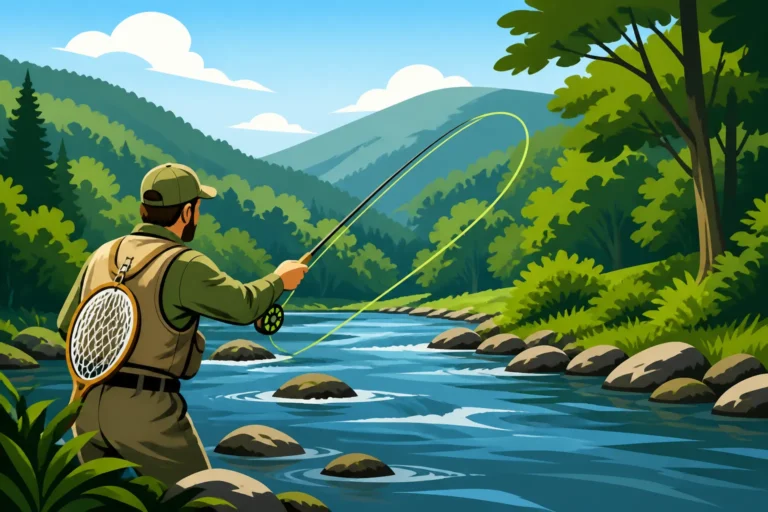
For the purist fly angler seeking solitude and the thrill of pursuing native brook trout, Shavers Fork offers an unparalleled kayak fishing experience. This remote and wild stream in the Monongahela National Forest is a jewel of West Virginia's native trout waters, known for its healthy population of colorful brook trout. While much of it is wadable, a small, maneuverable kayak or even a packraft can provide access to deeper pools and less-fished sections, especially in its lower reaches.
Shavers Fork is characterized by its clear, cold water, dense rhododendron tunnels, and classic freestone stream features like riffles, runs, and deep plunge pools. Kayak anglers, particularly those in smaller, lightweight kayaks, can navigate slowly, targeting pocket water and shadowed banks with dry flies, nymphs, and small streamers. The experience here is less about numbers and more about connecting with the wild, pristine environment and the beautiful, native fish it harbors. Access can be a bit challenging, often requiring some portaging, but the reward of catching a vibrant brook trout in such a stunning, untouched setting is immeasurable. This is true wilderness fishing, and a kayak helps you get deeper into that experience.
Plum Orchard Lake: A Hidden Largemouth Gem
Plum Orchard Lake, located within the Plum Orchard Lake Wildlife Management Area in Fayette County, is a fantastic, often-underestimated destination for largemouth bass kayak fishing. This 202-acre impoundment is well-managed and provides excellent habitat, making it a hotspot for those looking to target quality largemouth without the crowds of larger reservoirs. Its smaller size and "no-wake" policy make it particularly appealing for kayak anglers.
The lake features plenty of submerged timber, aquatic vegetation, and shoreline cover, all ideal for largemouth bass. Kayak anglers can spend a full day exploring every cove and pocket, pitching jigs, Texas-rigged worms, or topwater lures into likely holding spots. The calm waters and scenic surroundings also make it a pleasant paddling experience, whether you're actively fishing or just enjoying the tranquility. Plum Orchard Lake is a prime example of a smaller water body where a kayak truly shines, allowing you to thoroughly dissect the structure and maximize your chances of success. It's truly a hidden gem that delivers consistent action for bass enthusiasts.
Tygart Lake: Walleye and Panfish from the Paddle
Tygart Lake, a large Army Corps of Engineers reservoir in Taylor and Barbour counties, offers fantastic opportunities for kayak anglers, especially those targeting walleye, crappie, and other panfish. While it's a popular destination for larger boats, its extensive shoreline, numerous coves, and varying depths provide ample room for kayakers to find solitude and productive fishing grounds.
For walleye, kayak anglers can focus on the deeper channels, submerged humps, and points, particularly during low light conditions or when they are actively feeding on baitfish. Trolling small crankbaits or jigging with spoons can be highly effective. Crappie and bluegill are abundant around the lake's many brush piles, fallen trees, and docks, which are all easily accessible with a kayak. The ability to quietly navigate right up to these structures gives kayak anglers a distinct advantage in presenting baits precisely. There are several access points around the lake, including developed boat ramps and more primitive launch areas, making it convenient for kayakers to get on the water. It’s a great lake for those who enjoy variety in their catch and appreciate the peaceful pursuit of panfish or the challenge of a tasty walleye.
Essential Gear and Safety for West Virginia Kayak Anglers
Kayak fishing, while incredibly rewarding, does require some specialized gear and a strong emphasis on safety. You're essentially combining two activities – paddling and fishing – so being well-prepared is key to a comfortable and successful outing. Whether you're heading to Best Kayak for the New River or a calmer lake, knowing your gear and safety protocols is crucial.
Must-Have Kayak Accessories
Beyond the kayak and paddle itself, a few essential accessories can dramatically improve your kayak fishing experience. A comfortable, supportive seat is paramount, especially for longer days on the water. Many fishing kayaks come with excellent seats, but aftermarket options can upgrade basic models. A quality PFD (Personal Flotation Device) is non-negotiable – not just legally required, but a lifesaver. Opt for one designed for paddling, offering freedom of movement and pockets for small gear. Remember, Life Jacket Requirements for West Virginia Boaters are strict for a good reason.
Next, consider a paddle leash to prevent your paddle from floating away, and a rod leash or rod holders to secure your precious fishing rods. An anchor system, whether a drag chain or a small grappling anchor, is invaluable for holding your position in current or wind. A dry bag is essential for protecting electronics, extra clothing, and snacks from splashes or capsizing. Finally, a small cooler or insulated bag can keep your catch fresh throughout the day. If you're planning multi-day trips or targeting specific species, exploring specialized items like fish finders designed for kayaks or specific Best Tackle for West Virginia Smallmouth Bass can further enhance your success.
Prioritizing Safety on the Water
Safety should always be your top priority when kayak fishing in West Virginia, especially on rivers or large, exposed lakes. Always wear your PFD, even if you're an experienced swimmer. West Virginia waters, particularly mountain rivers, can be colder than you expect, and currents can be strong. Inform someone of your float plan, including your put-in, take-out, and expected return time. This is especially important for remote areas or solo trips.
Be aware of changing weather conditions. West Virginia's weather can shift rapidly, bringing sudden thunderstorms, strong winds, or heavy rains. Check the forecast before you go and be prepared to get off the water if conditions deteriorate. On rivers, understand the rapids and hazards of the section you plan to float. Scout unfamiliar stretches from the bank if possible, and wear appropriate footwear for wading or portaging. Bringing a first-aid kit, a whistle, a knife, and plenty of water are also crucial. Remember, West Virginia Boating Laws for Anglers apply to kayaks too, so familiarize yourself with all regulations before you launch.
Planning Your West Virginia Kayak Fishing Trip
A successful kayak fishing trip isn't just about showing up with a rod and reel; it's about thoughtful planning. From understanding access points to reading the water, a little preparation goes a long way in ensuring a safe, enjoyable, and productive day on West Virginia's diverse waterways. Platforms like FishingBooker can offer local insights and help connect you with experienced guides if you prefer to learn the ropes from a pro before venturing out on your own.
Navigating Access Points and Logistics
Before you even load your kayak, research your chosen destination thoroughly. Identify official public access points, such as boat ramps, public lands, or designated fishing access sites. Some rivers might require a shuttle service for longer floats, where you leave a vehicle at your take-out point and drive another to your put-in. Online mapping tools, local angling forums, and even talking to local bait shops are excellent resources for finding reliable access and understanding logistics. Also, be mindful of private property – always obtain permission before crossing or launching from private land.
Consider the type of launch you'll be performing. Will you be sliding your kayak off a paved ramp, or will you need to carry it down a steep bank to a rocky shore? This will influence the gear you bring, like a kayak cart, and your footwear choices. Factor in parking availability, especially on busy weekends. For longer floats, knowing where emergency exits or alternate take-out points exist is a smart safety measure. Don't forget to check our West Virginia Fishing Regulations Explained for any specific rules related to the water body you plan to visit, as regulations can vary significantly from one location to another.
Reading the Water and Weather
Understanding the conditions of the water and the weather forecast is paramount for a safe and successful kayak fishing trip. For rivers, always check current flow rates (often measured in CFS – cubic feet per second) and water levels. High water can mean fast, dangerous currents and muddy conditions, while extremely low water might make paddling difficult and expose hazards. Websites like the USGS National Water Information System provide real-time data for many West Virginia rivers. For lakes, pay attention to wind forecasts, as strong winds can make paddling challenging and create dangerous chop, especially on larger impoundments.
Weather forecasts should be consulted daily leading up to your trip, and again just before you head out. Look for not just precipitation, but also temperature swings, which can affect fish behavior, and potential for thunderstorms or high winds. Knowing West Virginia Fishing Seasons by Month and how they interact with typical weather patterns can also give you an edge. Overcast days might be great for topwater action, while bright sun might push fish deeper. Being able to "read" the water—identifying current seams, eddies, structure, and changes in depth or bottom composition—is a skill developed over time, but even beginners can start by looking for obvious cover like fallen trees or rocky points. This careful planning ensures you're prepared for whatever the Mountain State's beautiful, wild waters throw your way.
Disclaimer
Please note that fishing regulations, water conditions, and access points can change. Always consult the latest West Virginia Division of Natural Resources (WVDNR) regulations and check local conditions before planning any fishing trip. Safety should always be your top priority on the water.