Best fly fishing access on Seneca Creek
Finding those truly pristine, wild trout waters where you can cast a fly without seeing another soul can feel like an impossible quest in today's crowded world. Many of us dream of escaping the hustle and bustle, but figuring out where to go and how to access those hidden gems in West Virginia can be a real headache. This comprehensive guide is here to shed light on some of the best fly fishing access points on Seneca Creek, helping you plan an unforgettable trip to one of the Mountain State's most revered trout streams.
The Unique Allure of Seneca Creek for Fly Anglers
Seneca Creek, nestled deep within the Monongahela National Forest in Pendleton County, is a true Appalachian treasure. It’s not just a place to catch fish; it’s an experience in solitude and natural beauty. What makes Seneca Creek stand out in the grand tapestry of West Virginia's trout waters is its diverse character, offering everything from challenging wild trout pursuits in its upper reaches to more accessible stocked sections further downstream. For any serious fly angler, understanding these nuances is key to a successful and rewarding outing.
Wild Trout Sanctuaries in the Upper Reaches
If you're an angler who lives for the thrill of outsmarting a native fish in its natural habitat, the upper tributaries and headwaters of Seneca Creek are where you'll want to focus your efforts. Here, the stream narrows, tumbling over rocks and through rhododendron tunnels, forming countless pockets and riffles. This is prime habitat for West Virginia's state fish, the vibrant Brook Trout: West Virginia's Native and State Fish. These areas often require some dedicated hiking and careful wading, but the reward is immense: beautifully colored brook trout, often small but feisty, that have never seen a hatchery truck. You’ll find yourself navigating dense woodlands, hearing nothing but the rushing water and the calls of forest birds. It’s an immersive experience that transports you away from the modern world.
The water in these sections is typically crystal clear, demanding a stealthy approach and precise presentations. Think small dry flies during hatches, tiny nymphs drifted naturally, and subtle emerger patterns. It's not about quantity here, but the quality of the encounter and the purity of the environment. If you’re looking for a truly wild experience, these headwaters represent the pinnacle of High-elevation trout streams in the Monongahela National Forest. Just remember, these fish are sensitive; practice strict catch-and-release and handle them with extreme care to preserve this precious resource.
Stocked Sections and Enhanced Opportunities
While the wild sections are a purist's dream, Seneca Creek also offers fantastic opportunities in its regularly stocked portions. The West Virginia Division of Natural Resources (WVDNR) frequently stocks rainbow and golden rainbow trout in accessible stretches, especially in the middle to lower reaches of the creek. These areas provide a different, often more consistent, fishing experience, especially for those looking to bring home a meal or introduce newer anglers to the joys of trout fishing.
The stocked sections tend to be wider, with more defined runs and pools, making for easier wading and casting in many spots. You'll often find these areas closer to roads or established camping sites, offering convenience that the wild headwaters simply can't. While still beautiful, the fishing here often involves different tactics, such as drifting PowerBait, worms, or small spinners, in addition to traditional fly patterns. Check the West Virginia Trout Stocking Hotline and Schedule to time your visit right after a fresh stocking, though remember that these fish can be pressured quickly. For anglers looking to explore various waters or even find a guide for a specific experience, searching on platforms like FishingBooker can help you connect with local experts who know the nuances of both wild and stocked sections.
Key Access Points for Fly Fishing on Seneca Creek
Accessing Seneca Creek is part of the adventure. While some spots are roadside, others require a bit of dedication to reach. Most access points fall within the vast expanse of the Monongahela National Forest, meaning you’ll often be on Forest Service roads or well-marked trails. Understanding these entry points is crucial for planning your day and choosing the right section of water for your desired experience.
Mainstream Access Near Mouth of Yokum Run
One of the most popular and accessible areas for fly fishing on Seneca Creek is found near the confluence of Yokum Run, which is a major tributary entering Seneca Creek. This area is typically well-marked and often sees significant stocking efforts. You can usually find designated parking areas along Forest Road 112 (FR 112), which parallels a good portion of Seneca Creek.
The water here is generally wider and more open than the tight headwater sections, offering good opportunities for longer casts and easier wading. You’ll encounter a mix of runs, riffles, and deeper pools, providing diverse holding water for trout. This section is excellent for traditional nymphing techniques, stripping streamers, or even throwing dry flies during good hatches, especially in spring and fall. Given its popularity and ease of access, you might share the water with other anglers, particularly on weekends or during stocking events. It's a fantastic spot for those who appreciate convenience without sacrificing the chance for quality trout.
Exploring the Forest Road 112 Corridor
Forest Road 112, also known as Riverton-Franklin Road, runs parallel to a significant portion of Seneca Creek, offering numerous pull-offs and informal access points along its length. This road winds through scenic forest, and simply driving it allows you to scout various stretches of the creek. Keep an eye out for slower-moving pools, faster riffles, and areas with good riparian cover that could hold fish.
Many of these roadside spots provide relatively easy access to the water's edge, making them suitable for anglers who prefer not to undertake long hikes. However, don't be afraid to venture a short distance from your vehicle; even a hundred yards upstream or downstream from a pull-off can get you into less pressured water. For fly anglers, these sections are ideal for honing your wading techniques for West Virginia trout streams, as the bottom can be rocky and slippery in places. Remember to adhere to all West Virginia Fishing Regulations Explained and display your valid West Virginia Fishing License Guide for 2026 when fishing.
Wilderness Access: The Seneca Creek Backcountry
For the truly adventurous fly angler, the Seneca Creek Backcountry offers a remote, immersive experience. While not a specific "access point" in the traditional sense, this designation covers vast areas of the upper creek and its tributaries where vehicular access is limited or non-existent. Reaching these areas often involves hiking in from designated trailheads, sometimes for several miles, or using one of the many primitive camping sites as a base.
This is where you'll find the highest concentrations of wild trout, demanding specialized skills and gear. Think lightweight backpacking setups, minimal tackle, and an emphasis on stealth and presentation. While challenging, the reward is unparalleled solitude and the chance to connect with truly wild fish in a pristine environment. Planning a trip into the Seneca Creek Backcountry requires careful preparation, including checking weather conditions, carrying adequate supplies, and being comfortable with navigating off the beaten path. These wilder sections often require a specific approach to Fly Patterns for West Virginia Trout Streams, often favoring smaller, more imitative patterns.
Here's a quick overview of common access types and what to expect:
| Access Type | Characteristics | Recommended For | Pros | Cons |
|---|---|---|---|---|
| Roadside (e.g., FR 112) | Easy drive-up, often stocked, moderate current. | Beginners, families, casual anglers, bait/spin fishing. | Convenient, accessible, good for numbers. | Can be crowded, pressured fish, less wild feel. |
| Short Hike (1/4-1 mile) | Mild hike, mix of stocked/wild, varying current. | Intermediate anglers, those seeking more solitude. | Less crowded than roadside, good blend of accessibility. | Still some pressure, may require proper Wading Techniques for West Virginia Trout Streams. |
| Backcountry (1+ mile) | Significant hike, wild trout, remote, challenging terrain. | Experienced fly anglers, solitude seekers, wild trout fans. | Solitude, pristine environment, native fish. | Demanding, limited fish numbers, requires endurance. |
Essential Tips for Fly Fishing Seneca Creek
Fishing Seneca Creek isn't just about showing up with a rod; it's about understanding the water, adapting your techniques, and respecting the environment. Whether you’re chasing native brook trout in tiny pockets or targeting stocked rainbows in wider runs, a few key strategies will significantly improve your chances and enjoyment.
Matching the Hatch and Fly Selection
Like any good trout stream, Seneca Creek has its rhythms, dictated by insect hatches. Being prepared with a variety of Fly Patterns for West Virginia Trout Streams is crucial. In the spring and early summer, expect caddis and various mayflies, making patterns like Elk Hair Caddis, Adams, and various Sulphur imitations effective. As summer progresses, terrestrials like ants, beetles, and grasshoppers become important, especially along grassy banks. Don't forget emerger patterns, as trout often key in on insects struggling to break the surface film.
For nymphing, traditional patterns like Pheasant Tail Nymphs, Hare's Ear Nymphs, and Squirmy Wormies can be incredibly effective, particularly in the deeper runs and pools. When fishing the smaller, wilder sections, don't be afraid to go small—size 18-22 flies are often the ticket for cautious brook trout. If you're unsure what's hatching, observing the water for rising fish or turning over a few rocks can give you valuable clues. You can often find local knowledge or even a guided trip through platforms like FishingBooker that can point you to the most effective patterns for the current conditions.
Wading and Stealth in Mountain Waters
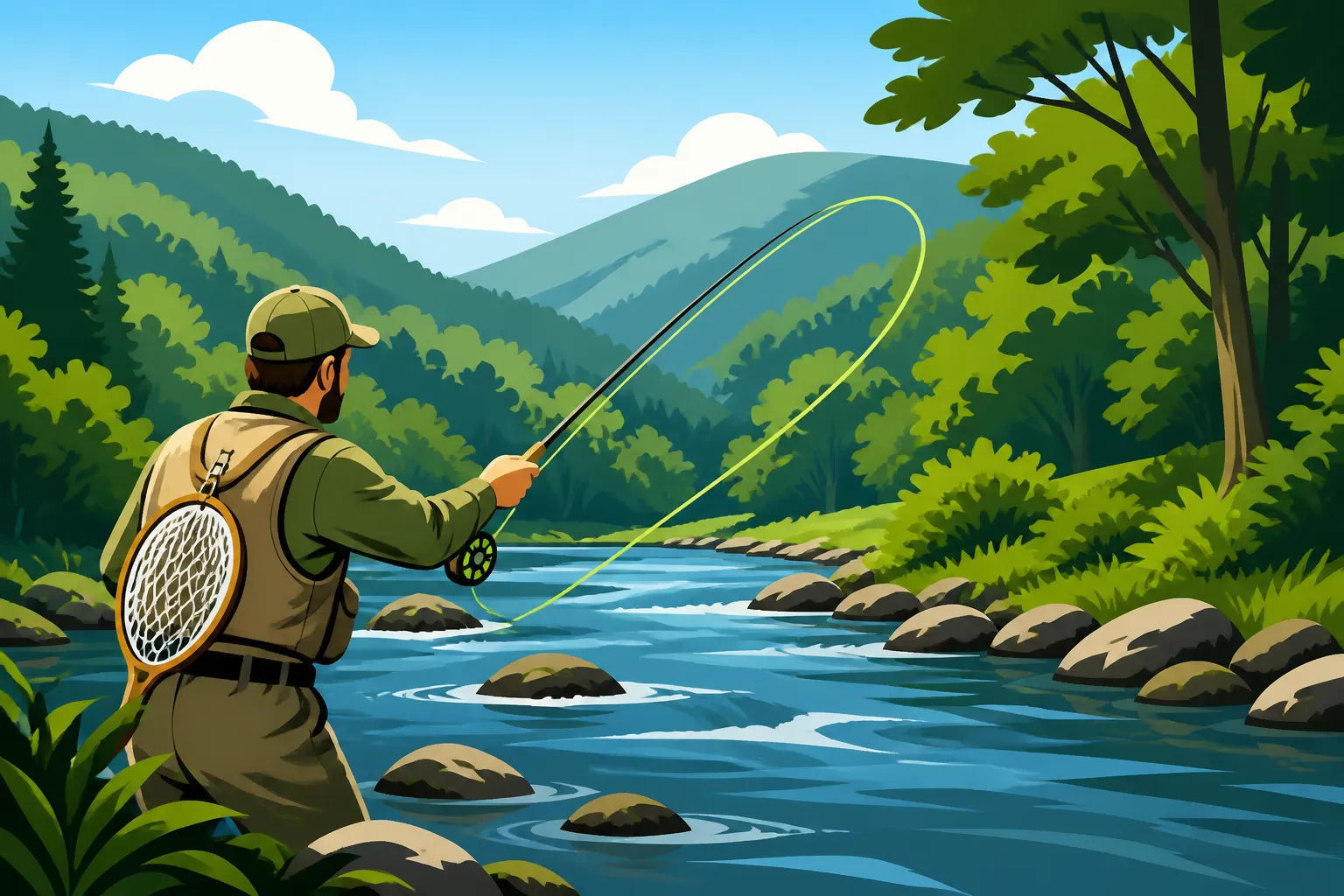
Seneca Creek, particularly in its upper reaches, is predominantly a wading stream. Proper Wading Techniques for West Virginia Trout Streams are essential, not just for safety but for success. The bottom can be slippery with algae-covered rocks, so sturdy wading boots with good felt or rubber soles are a must. A wading staff can provide invaluable stability, especially when crossing currents or navigating deeper sections. For comfort and safety, investing in quality Best Waders for West Virginia Trout Streams that fit the conditions (breathable for summer, insulated for colder months) is highly recommended.
Stealth is paramount, especially when targeting wild trout. Approach the stream cautiously, keeping a low profile and avoiding sudden movements. Trout have excellent eyesight and can detect vibrations, so heavy footsteps or casting a long shadow over the water will often send them scattering. When wading, move slowly and deliberately, disturbing the streambed as little as possible. Often, the best approach is to cast upstream and allow your fly to drift naturally downstream toward suspected holding lies.
Understanding Seasons and Regulations
Knowing the West Virginia Fishing Season Dates and Closures is crucial. While many West Virginia trout streams are open year-round for catch-and-release, some specific regulations apply to certain waters, particularly those designated as special regulation areas. Always consult the current WVDNR fishing regulations manual before heading out.
Spring and fall are generally considered the prime fly fishing seasons on Seneca Creek. Spring offers robust hatches and cooler water temperatures that invigorate trout after winter. Fall brings stunning foliage and active fish preparing for winter, often feeding heavily on terrestrials. Summer can be good in the higher, cooler headwaters, but lower sections may experience elevated water temperatures, making fishing stressful for the trout. It's always best to check water temperatures during warmer months and consider practicing West Virginia Catch and Release Rules for Trout to ensure the fish's survival. Remember, a valid West Virginia fishing license, along with any required stamps like a trout stamp, is necessary to fish these waters.
Planning Your Seneca Creek Adventure
A successful fly fishing trip to Seneca Creek involves more than just knowing where to cast. It's about preparation, respect for nature, and embracing the overall experience. Given its location within the Monongahela National Forest, you'll find a range of amenities and resources to help make your trip comfortable and rewarding.
Lodging and Camping Options
Since Seneca Creek is within a national forest, there are numerous primitive and developed camping options nearby. Campgrounds like Seneca Shadows Campground or primitive dispersed camping sites along Forest Road 112 offer a chance to stay close to the water and truly immerse yourself in the natural surroundings. These options often require reservations, especially during peak seasons, so plan ahead. For those who prefer more creature comforts, towns like Franklin or Petersburg are within a reasonable driving distance and offer motels, cabins, and dining options. Consider checking with local outfitters or using a service like FishingBooker to find accommodations that cater specifically to anglers, sometimes even bundling with guided trip opportunities.
Respecting the Environment and Other Anglers
Seneca Creek is a truly special place, and its beauty and fish populations depend on all of us doing our part. Always practice Leave No Trace principles: pack out everything you pack in, and leave the area cleaner than you found it. Avoid littering, even small pieces of fishing line or discarded bait containers. When wading, try to minimize disturbance to the stream bottom and riparian vegetation.
Be courteous to other anglers you encounter on the water. Give them ample space, especially when approaching a bend or a popular run. If you see someone already fishing a spot, move further upstream or downstream to find your own water. A simple nod or polite greeting goes a long way in fostering a positive angling community. Remember, these are shared resources, and mutual respect ensures everyone can enjoy the peace and solitude that Best Fly Fishing Rivers in West Virginia like Seneca Creek offer.
Local Resources and Guided Trips
While this guide provides a solid starting point, nothing beats local knowledge. Fly shops in nearby towns like Elkins or Petersburg can offer up-to-the-minute information on hatches, water levels, and successful fly patterns. They often have knowledgeable staff who can answer specific questions about Seneca Creek and provide detailed maps.
For those new to fly fishing or new to the area, considering a guided trip can be an invaluable investment. Local guides know the creek intimately, can put you on fish, teach specific techniques, and ensure you have a safe and productive day. Services like FishingBooker can help you find reputable guides operating in the Seneca Creek area, offering tailored experiences for all skill levels. A good guide can significantly shorten the learning curve and reveal nuances of the stream that might take years to discover on your own.
Disclaimer
Please be aware that fishing regulations, conditions, and access points can change. Always consult the latest West Virginia Division of Natural Resources (WVDNR) regulations guide before fishing. Adhere to all private property signs and practice responsible angling ethics. The information provided here is for general guidance and informational purposes only.