Best fly fishing access on the Cranberry River
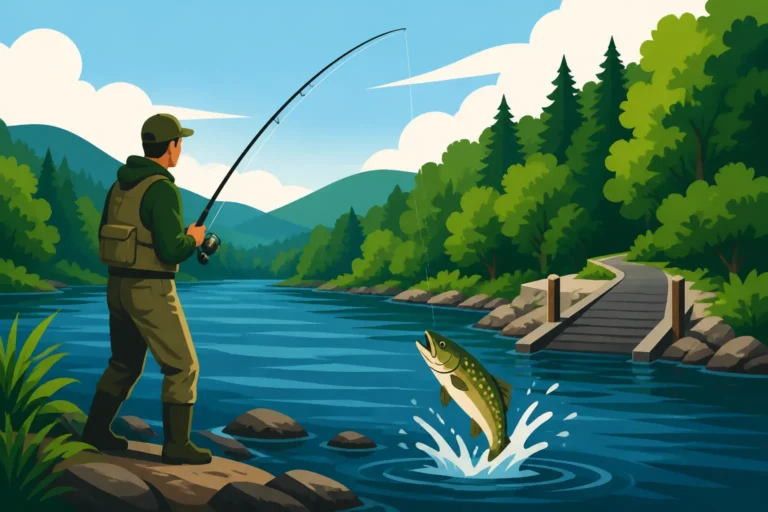
The Cranberry River in West Virginia is a legendary name among fly anglers, a truly special place that whispers promises of wild trout and unmatched natural beauty. But let's be honest, dreaming about casting a line in its pristine waters and actually getting there are two different things entirely. It can feel a bit daunting trying to figure out where to park, which trails to take, and how to access those elusive stretches of water that hold the most beautiful fish. This guide is here to cut through that confusion, helping you navigate the best access points for fly fishing the Cranberry River, so you can spend less time scratching your head and more time with a rod in your hand.
Understanding the Cranberry River's Unique Character
The Cranberry River isn't just another trout stream; it's a true gem of the West Virginia wilderness, offering an experience that's as much about the journey and the solitude as it is about the fish. Nestled deep within the Monongahela National Forest, much of its watershed falls within the Cranberry Wilderness Area, meaning a significant portion is protected and requires a bit more effort to reach. This wildness is precisely what makes it so appealing, but it also means you need to be prepared.
The Wilderness Experience Awaits
Imagine a place where the only sounds are the rushing water, the rustling leaves, and the occasional call of a wild bird. That's the Cranberry. Cell service is practically nonexistent once you get off the main roads, and amenities are few and far between. This isn't a stream you just casually pull up to with a coffee in hand. It demands respect and preparedness, rewarding those who embrace its rugged charm with unparalleled beauty and incredible fishing. The sheer commitment to reach some of its more remote stretches only adds to the sense of accomplishment when you finally land a gorgeous wild brook, rainbow, or brown trout. It’s an immersion into nature that many of us crave, a true escape from the daily grind.
Special Regulations and Catch & Release Ethos
What truly sets the Cranberry River apart, beyond its natural splendor, are its special regulations. Much of the river is designated as "catch and release" for trout, specifically from the Waterfowl Management Area upstream to its headwaters. This means artificial lures and flies only, and perhaps most importantly, barbless hooks are mandatory. These rules are in place to protect the fragile wild trout populations and ensure the river remains a vibrant fishery for generations to come. It’s a conservation-minded approach that fosters a strong sense of stewardship among anglers. If you're planning a trip, make sure you're up to date on all the specific rules; a quick check of the official West Virginia Fishing Regulations Explained is always a good idea before heading out. This ethos makes fishing the Cranberry a truly ethical and rewarding pursuit, knowing you're contributing to the health of this unique ecosystem.
Key Access Points to the Cranberry River
Accessing the Cranberry River ranges from relatively straightforward roadside options to deep wilderness adventures that require significant hiking. Knowing your options and what to expect at each will help you plan the perfect trip, whether you're looking for a quick cast or a multi-day backcountry excursion.
Forest Service Road 76: The Main Vein
For most anglers, Forest Service Road 76 (FR 76), also known as the Cranberry River Road, serves as the primary artery for accessing the river. This gravel road parallels a significant portion of the lower and middle river, offering numerous pull-offs and parking areas. While it's generally well-maintained, it's still a forest road, so expect some potholes and bumps, especially after heavy rains. A vehicle with decent ground clearance is always recommended, though not strictly necessary for most of it.
From the town of Richwood, you'll pick up FR 76 and follow it upstream. The further you drive, generally, the more remote and less pressured the fishing becomes, though even the roadside stretches can hold fantastic fish. This road allows you to fish different sections without extreme hiking, making it ideal for a day trip or for those with limited mobility. Many of these spots involve a short, easy walk down to the water, perfect for a quick session. You'll find a mix of riffles, runs, and pools, providing diverse water to explore. Sometimes, the best way to get a feel for the current conditions and less-known spots is to consult with a local guide, which you can often find listed on platforms like FishingBooker. They can provide invaluable real-time insights into which sections are fishing best and where access is easiest.
Deep Wilderness Access: The Reward for the Hike
For those truly seeking solitude and a chance at wilder, less pressured fish, the Cranberry Wilderness Area offers extensive hiking trails that lead to remote sections of the river and its tributaries. These areas are not for the faint of heart; they require proper planning, navigation skills, and a willingness to hike several miles, often through rugged terrain. However, the rewards are immense: pristine water, abundant wildlife, and trout that have likely seen very few flies.
Trails such as the Laurel Creek Trail, North Fork Trail, and Tumbling Rock Trail can provide access deep into the wilderness. These trails often follow smaller feeder streams before eventually reaching the mainstem of the Cranberry. This means you might be fishing smaller tributaries first, which can offer exciting opportunities for native brook trout. Always carry a detailed topographical map and a compass or GPS, as cell service will be nonexistent. Be prepared for stream crossings, uneven footing, and sudden weather changes. Before embarking on a deep wilderness trip, it's a good idea to research High-elevation trout streams in the Monongahela National Forest for an idea of what to expect in terms of terrain and specific fish populations. The beauty of these remote spots truly embodies what Brook Trout: West Virginia's Native and State Fish fishing is all about – connecting with nature on its purest terms.
The Forks: Where Two Worlds Meet
The Cranberry River is formed by the confluence of its North and South Forks, deep within the wilderness. While reaching the true headwaters is a multi-day backpacking trip for most, the general area where the river begins to truly take shape is a significant point of interest for serious anglers. Further downstream, points like Big Rock and Dogway Fork represent other notable access areas, though they still require a hike.
Big Rock, for example, is a popular spot that offers excellent fishing, but it's not a drive-up location. Depending on which way you approach, it can be a substantial hike to reach. Dogway Fork, another tributary, also offers its own unique challenges and rewards. These areas often feature larger pools and deeper runs, providing habitat for bigger trout. They demand a good set of Best Waders for West Virginia Trout Streams and durable wading boots, as you’ll be doing a lot of walking in and along the stream. Sometimes, even finding detailed information on these specific, more challenging access points can be tricky, but resources like FishingBooker often have local guides who specialize in these areas and can lead you directly to the best spots, taking the guesswork out of your adventure.
Here's a quick comparison of different access types:
| Access Type | Effort Level | Typical Fish Size | Solitude Level | Best For | Considerations |
|---|---|---|---|---|---|
| Roadside (FR 76) | Low to Moderate (short walks from vehicle) | Mixed | Moderate | Day trips, quick casts, beginners | Can be more pressured, gravel road requires care. |
| Mid-level Trails | Moderate (1-3 mile hikes) | Good | High | Dedicated day anglers, moderate challenge | Requires hiking gear, some navigation skills. |
| Deep Wilderness | High (3+ mile strenuous hikes, multi-day) | Larger, wilder | Very High | Experienced backcountry anglers, overnight | Remote, no amenities, advanced navigation, emergency preparedness is key. |
Essential Gear and Planning for a Cranberry Trip
Fly fishing the Cranberry River demands not just a sense of adventure but also the right equipment and a thoughtful approach to planning. Being prepared for the conditions and the environment will ensure your trip is both enjoyable and safe.
Rods, Reels, and Line: Your Tools of the Trade
For the Cranberry River, versatility is key, but generally, a lightweight fly rod is your best bet. A 3-weight or 4-weight rod in a 7.5 to 9-foot length is perfect for casting small dry flies, nymphs, and streamers to wary trout in varied water conditions. These rods offer the sensitivity needed for delicate presentations and the backbone to handle unexpectedly larger fish. A matching reel with a smooth drag and a floating weight-forward line (WF3F or WF4F) will cover most situations.
Your leader and tippet setup are crucial here, especially with the clear, cold water and spooky fish. A 7.5 to 9-foot leader tapering down to 5x or 6x tippet is a good starting point. For those really technical situations or when targeting native brook trout in smaller, brushy tributaries, you might even drop down to 7x. Make sure you have a variety of Fly Patterns for West Virginia Trout Streams suitable for different hatches and seasons, including various nymphs, dry flies, and small streamers. Remember, barbless hooks are mandatory, so check your flies or pinch down the barbs before you hit the water. Learning about Fly Fishing for Trout in West Virginia will help immensely with technique and fly selection specific to the region.
Waders, Boots, and Safety: Staying Comfortable and Secure
The Cranberry River is typically cold, even in summer, and you'll be doing a lot of wading over slippery, rocky bottoms. Good quality chest waders and sturdy wading boots with felt or studded rubber soles are non-negotiable. Your comfort and safety depend on them. Breathable waders are great for warmer weather, but neoprene might be more comfortable during the colder months or early spring.
Beyond wading gear, safety should be paramount. Always carry a Best Wading Staff for Fast Current to help maintain balance, especially when crossing deeper or faster sections. A small first-aid kit, a whistle, a fire starter, and sufficient food and water are essential, particularly if you venture into the wilderness areas. The lack of cell service means you can't rely on your phone for emergencies. Consider bringing a satellite messenger device for true backcountry trips. Inform someone of your plans, including your expected return time and the specific area you intend to fish. Understanding the basics of West Virginia Boating Laws for Anglers can also be indirectly helpful if you plan to use any watercraft on larger sections of the river, although wade fishing is more common here.
Navigating Regulations and Ethical Angling
Fishing on the Cranberry River, especially within the wilderness area, comes with a responsibility to uphold the regulations and practice ethical angling. This commitment ensures the river's health and preserves the exceptional fishing experience for everyone.
Reviewing West Virginia's Specific Rules
Before every trip to the Cranberry, make it a habit to check the latest regulations from the West Virginia Division of Natural Resources (WV DNR). While the general catch-and-release, artificial-lures-only rule with barbless hooks applies to a large section, specific seasonal changes or localized restrictions can occur. For instance, knowing the West Virginia Trout Season and Stocking Rules can help you understand stocking schedules in nearby waters, though the Cranberry is primarily a wild trout fishery in its upper reaches. These regulations are designed to protect the fragile ecosystem and the wild trout that call these waters home. Failing to adhere to them can result in fines and, more importantly, can harm the fishery. It's not just about avoiding penalties; it's about being a responsible angler.
Practicing Leave No Trace Principles
The Cranberry River's pristine condition is a direct result of its protected status and the collective efforts of anglers and conservationists. When you visit, commit to Leave No Trace principles. This means packing out everything you pack in, including all trash, broken leader, and even organic waste like fruit peels. Avoid disturbing wildlife, stay on designated trails where possible, and minimize your impact on vegetation.
When you're actively fishing, practice careful catch and release. Use a soft, knotless net, minimize handling time, and keep the fish in the water as much as possible, especially when taking a quick photo. Wet your hands before touching the fish to protect its delicate slime coat. These practices significantly increase a trout's chances of survival after being caught. By respecting the land and its inhabitants, you contribute to the ongoing health and beauty of the Cranberry River, ensuring that future generations can enjoy the same incredible Cranberry River Fly Fishing experience you did. Sometimes, even exploring options through services like FishingBooker can connect you with guides who are passionate about conservation and can teach you best practices firsthand.
Disclaimer
Please be aware that fishing regulations, access points, and conditions can change. Always consult the official West Virginia Division of Natural Resources (WVDNR) website or publications for the most current information before planning your fishing trip. This guide is for informational purposes only and does not supersede official regulations. Stay safe and fish responsibly.