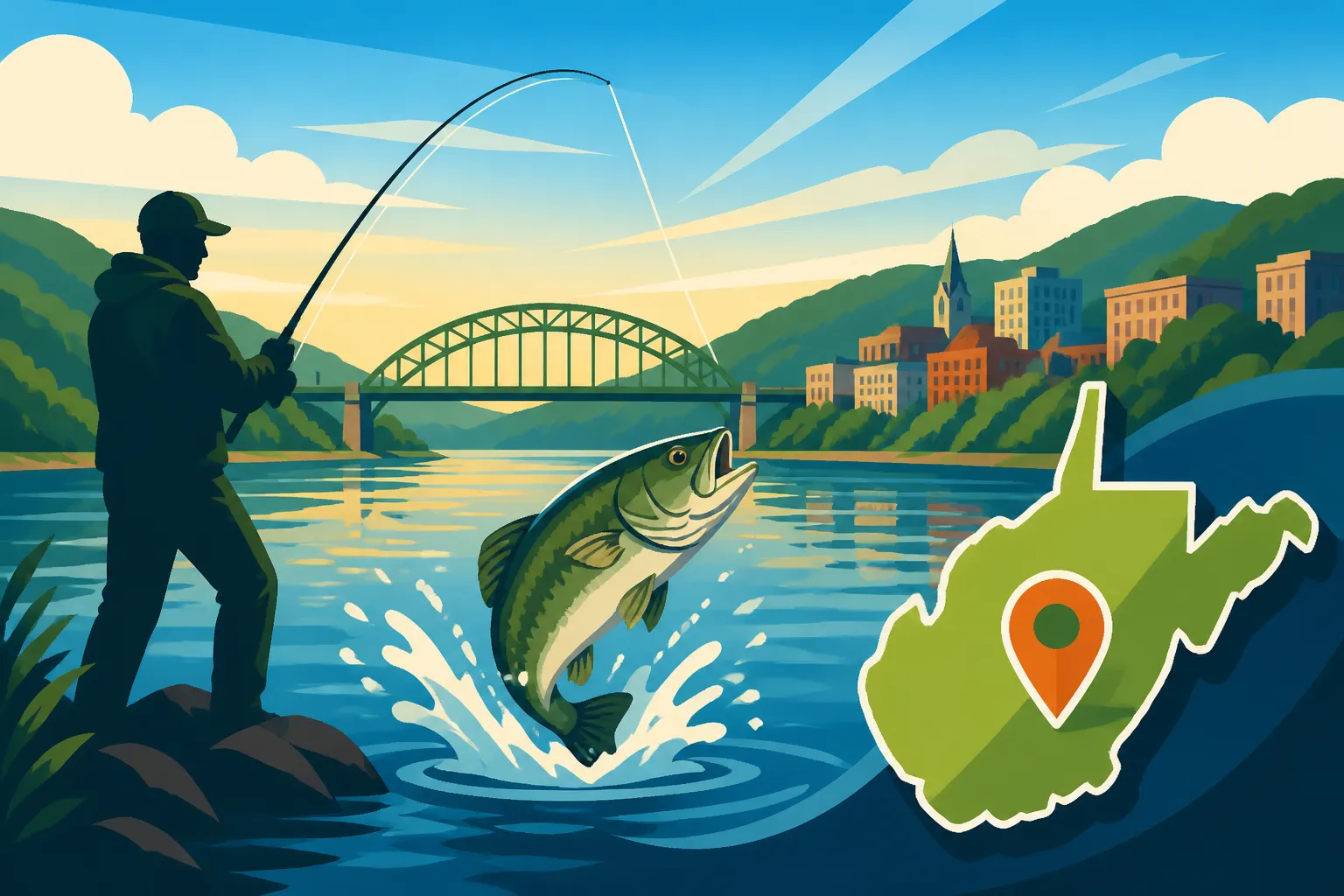
Wheeling area Ohio River fishing spots
Trying to pinpoint the best fishing spots along a massive river like the Ohio, especially in a specific area like Wheeling, can feel like searching for a needle in a haystack. It's not like fishing a small pond where every cast has potential; the Ohio River is a powerful, dynamic system with countless hidden gems and challenges. This guide is here to cut through the confusion and highlight the prime locations and strategies for a successful angling adventure right here in the Wheeling area.
The Unique Appeal and Challenges of Fishing the Ohio River near Wheeling
The Ohio River, particularly the stretch around Wheeling, West Virginia, is a unique fishery that offers incredible opportunities but also presents distinct challenges compared to smaller, more contained bodies of water. It's a working river, a major transportation artery, and its character is shaped by a series of locks and dams that create pool-like sections interspersed with areas of more significant current. This complexity is precisely what makes it so fascinating for anglers who are willing to learn its rhythms.
Navigating a Commercial Waterway for Recreation
One of the first things you'll notice about fishing the Ohio River is the presence of commercial traffic. Barges, towboats, and other large vessels are a common sight, and they create substantial wakes that can affect smaller fishing boats. This isn't just a nuisance; it's a safety consideration. Anglers need to be constantly aware of their surroundings, particularly when anchored or drifting. The river's currents, while generally slower in the pooled sections created by the dams, can still be strong, especially near structure or in the tailwaters below the locks and dams. Understanding these dynamics is crucial for both safety and fishing success. Knowing where current breaks form behind wing dams, submerged structures, or even larger rock piles can be the difference between an empty livewell and a productive day. It's a constant puzzle to solve, but that's part of the fun for many seasoned river anglers. For a deeper dive into the overall river system, be sure to check out our Ohio River Fishing Guide for West Virginia Anglers.
Species Diversity and Seasonal Opportunities
The Ohio River in the Wheeling area boasts an impressive array of fish species, offering something for almost every type of angler. You'll find a robust population of various catfish species, including channel, flathead, and even blue catfish. Walleye and sauger are highly prized game fish, especially during their seasonal runs. Both largemouth and smallmouth bass thrive in different parts of the river, with smallmouth often preferring rockier, current-swept areas and largemouth gravitating towards slack water and structure like fallen trees or docks. Panfish like crappie and bluegill are also abundant, providing excellent opportunities for family fishing trips or a relaxing afternoon. The seasonal changes dictate not only the fish behavior but also the best tactics. Spring often brings aggressive bites as fish move into shallower waters to spawn, while fall can be prime time for bigger predators fattening up for winter. To get a broader perspective on the year-round potential, our guide on the Best Time of Year to Fish in West Virginia can offer valuable insights.
Prime Fishing Locations and Access Points Around Wheeling
When you're looking for specific spots near Wheeling, the key is often to think about where fish find food, cover, and favorable currents. The Ohio River's landscape changes subtly along its course, but some features consistently attract fish.
Below the Dams: Tailwater Hotspots
Without a doubt, the areas immediately below the locks and dams are some of the most consistent hotspots on the Ohio River. Near Wheeling, the Pike Island Locks and Dam is a prime example. The turbulent waters below a dam are highly oxygenated and create current seams and eddies that concentrate baitfish, which in turn attract predatory species like walleye, sauger, and hybrid striped bass. Catfish also lurk in the deeper scour holes created by the powerful discharge.
Fishing these tailwaters effectively often involves understanding the dam's generation schedule, if available, as increased flow can significantly alter conditions. Anglers frequently drift jigs, crankbaits, or live bait through the current seams, or anchor just outside the most turbulent water to present baits to fish holding in calmer pockets. It's a dynamic environment, sometimes requiring heavy tackle to contend with the current and potential snags, but the rewards can be substantial. Just remember to always maintain a safe distance from the dam structures themselves, as currents can be unpredictable and dangerous.
Local Boat Ramps and Shore Access
For those with a boat, West Virginia's side of the Ohio River offers several public access points in the Wheeling area.
- Wheeling Heritage Port: While primarily a recreational area, it offers some shoreline access and is a good starting point to launch kayaks or smaller boats. You won't find major fishing structure right at the port, but it provides convenient access to deeper channels and nearby bridge pilings where fish often hold.
- 16th Street Boat Ramp (Wheeling Island): This is a popular spot for boaters, offering good access to the main channel. From here, you can easily navigate upriver towards Pike Island or downriver to explore various structures.
- Warwood Boat Ramp: Located north of downtown Wheeling, this ramp provides another excellent launch point for exploring the upper pool section.
For shore anglers who prefer to keep their feet on solid ground, opportunities exist, though they can be more limited due to the river's industrial and residential development. Public parks and designated access points like sections of Heritage Port or local community parks might offer decent spots, especially for targeting catfish or panfish. Look for areas with rip-rap banks, docks, or bridges, as these structures provide cover and ambush points for fish. Safety is always paramount when fishing near busy roads or commercial areas, and always respect private property.
Creek Mouths and Tributaries
Where smaller creeks and tributaries meet the Ohio River, they create unique micro-environments that are magnets for fish. These confluence points often bring in cooler, clearer water, additional forage, and different current patterns. Fish like smallmouth bass, crappie, and even walleye will stage at these junctions, especially after rain events that wash bait and nutrients into the main river.
A few notable tributaries in the general Wheeling vicinity include Wheeling Creek and Short Creek. Fishing near the mouths of these creeks, particularly during spring or fall, can be very productive. Look for depth changes, current breaks, and submerged timber. Often, the fish will move into the creeks themselves for spawning or to escape the main river's strong currents or high boat traffic. These areas can be excellent for both boat and shore anglers, offering a different pace of fishing from the main river.
Targeting Key Species in the Wheeling Ohio River Stretch
Understanding what fish are biting and how to target them effectively is key to a successful outing on the Ohio River. This stretch near Wheeling is renowned for several species, each requiring a slightly different approach.
Walleye and Sauger Strategies
Walleye and their smaller cousins, sauger, are highly sought after in the Ohio River. They thrive in the deeper, cooler, often current-swept areas. During cooler months, especially late fall, winter, and early spring, the tailwaters below dams become absolute magnets for these fish. Vertical jigging with spoons or blade baits, casting swimbaits, or slowly trolling crankbaits are all effective methods. When the water warms up, they tend to move to deeper holes and channels, often near submerged rock piles or channel drops.
For sauger, which often prefer even stronger currents than walleye, targeting areas directly below the dams with jigs tipped with minnows or soft plastics can be incredibly productive. Remember to keep an eye on the West Virginia Walleye Daily and Possession Limits to stay compliant with regulations. It’s important to learn to distinguish between these two species, and our guide on Sauger Identification and Habits can help with that. If you're looking for an experienced hand to guide you to these elusive fish, especially in a new area, considering a fishing charter through a platform like FishingBooker can provide invaluable local knowledge.
Bass (Smallmouth and Largemouth) Hotspots
The Ohio River around Wheeling offers excellent bass fishing, with both smallmouth and largemouth present.
- Smallmouth Bass: These feisty fighters prefer rocky bottoms, current, and clear water. Look for them around bridge pilings, rip-rap banks, rocky points, and current seams, especially where these features meet deeper water. Topwater lures, spinnerbaits, crankbaits, and tube jigs are all effective. The challenges of river current mean you often need heavier jigs or crankbaits that can get down quickly.
- Largemouth Bass: While less common in the main current, largemouth bass thrive in the slower, more protected backwaters, marinas, creek mouths, and areas with submerged timber or dense vegetation. Docks, fallen trees, and lily pads (where present) are prime largemouth cover. Soft plastics, spinnerbaits, and chatterbaits are excellent choices here.
Always be mindful of the specific West Virginia Black Bass Limits and the New River Slot Limit, though the New River slot limit specifically applies to that river, general black bass limits apply statewide. For smallmouth in particular, the Ohio River demands durable tackle; our Best Tackle for West Virginia Smallmouth Bass guide can provide a comprehensive overview.
Catfish and Panfish Opportunities
Catfish are arguably the most ubiquitous fish in the Ohio River, offering consistent action for anglers of all skill levels. Channel catfish are abundant and can be caught on a variety of baits, from cut bait and stink bait to chicken livers, often in deeper holes or near current breaks. Flathead catfish, the true river monsters, prefer live bait (like bluegills or suckers) and are often found near submerged timber, rock piles, or deep cover. Blue catfish are also present, especially in the lower Ohio River, but are becoming more common upstream. Night fishing can be particularly productive for all catfish species. Our dedicated guide on Catfish Fishing in West Virginia delves much deeper into techniques and preferred habitats.
Panfish like crappie and bluegill provide fantastic light-tackle fun. Crappie will often congregate around submerged brush piles, docks, bridge pilings, and creek mouths, especially in spring and fall. Small jigs, minnows, or soft plastics fished under a bobber are highly effective. Bluegill are even more widespread and can be found in almost any calm water area, biting readily on worms, crickets, or tiny artificial lures. These species are fantastic for introducing new anglers to the sport and can offer consistent action when other fish are harder to find.
Here's a quick overview of target species and common tactics for the Wheeling area:
| Species | Preferred Habitat | Common Baits/Lures | Best Time of Year |
|---|---|---|---|
| Walleye/Sauger | Tailwaters, deep channels, current seams | Jigs (minnow/plastic), crankbaits, blade baits | Fall, Winter, Early Spring |
| Smallmouth Bass | Rocky points, bridge pilings, rip-rap, current | Crankbaits, spinnerbaits, jigs, topwater | Spring, Summer, Fall |
| Largemouth Bass | Slack water, marinas, creek mouths, docks, timber | Soft plastics, chatterbaits, spinnerbaits, frogs | Spring, Summer, Fall |
| Channel Catfish | Deep holes, current breaks, structure | Cut bait, chicken liver, stink bait, worms | Spring, Summer, Fall, Night |
| Flathead Catfish | Deep timber, rock piles, scour holes | Live bait (bluegill, sucker) | Summer, Night |
| Crappie | Submerged brush, docks, creek mouths | Small jigs, minnows, soft plastics | Spring, Fall |
| Bluegill | Calm waters, docks, weed lines | Worms, crickets, small artificials | Spring, Summer |
Essential Gear and River Savvy for Wheeling Anglers
Fishing a big river like the Ohio requires not just the right knowledge but also the right equipment and a healthy respect for the water.
Boat vs. Shore Fishing Considerations
Deciding whether to fish from a boat or the shore significantly impacts your experience and access.
- Boat Fishing: A boat, whether a powerful bass boat, a versatile jon boat, or a stable kayak, opens up vastly more opportunities on the Ohio River. You can reach offshore structures, deep channels, and the prime tailwater areas below the dams. However, boating on a large river like the Ohio requires significant safety precautions. Always have appropriate safety gear, including life jackets for everyone on board (and ensure children are wearing them, as per Life Jacket Requirements for West Virginia Boaters). Be aware of navigation rules and commercial traffic. If you're bringing your own vessel, our guide on Best Boats for West Virginia Rivers and Lakes can help you choose the right type, and it's essential to understand West Virginia Boating Laws for Anglers before you launch.
- Shore Fishing: While more limited in access, shore fishing is a great option for those without a boat or who prefer a simpler approach. You'll often find success targeting catfish and panfish from public access points, parks, and bridge areas. Focus on finding structure close to shore, like rip-rap, fallen trees, or current eddies. A sturdy rod and reel combo, a tackle bag with essential terminal tackle, and plenty of bait are typically all you need.
Recommended Tackle and Baits
Given the diversity of species and conditions, a versatile tackle setup is beneficial for the Ohio River.
- Rods and Reels: For general multi-species fishing, a medium-heavy spinning or baitcasting rod (6'6" to 7'6") paired with a robust reel spooled with 10-20 lb monofilament or braided line is a good starting point. For heavier catfishing, a heavy-action rod is a must. If you're targeting smallmouth specifically, lighter rods can offer more sport, but ensure they have enough backbone to handle the current.
- Lures: Keep a variety. For walleye and sauger, bring jigs (1/4 to 1 oz), blade baits, and deep-diving crankbaits. For bass, stock up on spinnerbaits, crankbaits, jigs (tube, football, hair jigs), and soft plastics. For panfish, small jigs, tiny inline spinners, and bobbers with hooks are essential.
- Baits: Live bait (minnows, nightcrawlers) is always effective for many species. For catfish, cut bait (shad, skipjack), chicken livers, and various stink baits are staples. PowerBait or corn can work for panfish if you're targeting them specifically.
- Terminal Tackle: A good selection of hooks (various sizes of octopus, circle, and J-hooks), sinkers (bullet, bell, no-roll), swivels, and leaders (fluorocarbon for clearer water, steel for muskie if you ever encounter one) will cover most scenarios.
Remember, the Ohio River can be snaggy, so bring plenty of extra hooks and sinkers!
Understanding River Regulations and Safety
Before you head out, it is absolutely vital to familiarize yourself with the current West Virginia Fishing Regulations Explained. Regulations for species like walleye, sauger, and bass include specific daily creel and possession limits. There are also statewide length limits for certain species. Ignoring these rules can lead to hefty fines, so taking a few minutes to review the West Virginia DNR's fishing regulations summary is a non-negotiable step.
Beyond regulations, river safety cannot be stressed enough.
- Currents: Always be aware of the powerful currents, especially near dams and bends.
- Wakes: Large vessel wakes can swamp smaller boats or cause instability for bank anglers near the water's edge.
- Weather: River conditions can change rapidly. Pay attention to forecasts for storms, high winds, and rapidly rising water levels.
- Navigation: If boating, know your navigation markers and understand how to safely operate around commercial traffic.
- Emergency Gear: Always carry a first-aid kit, a fully charged phone, and let someone know your float plan.
The Ohio River offers incredible fishing, but it demands respect and preparedness. If you're ever in doubt about navigating this complex waterway or finding the best spots, consider consulting local resources or, as mentioned, exploring options on FishingBooker for a guided trip to learn the ropes from a professional. Enjoy your time on the water, and tight lines!
Disclaimer
The information provided in this guide is for general informational purposes only and is subject to change. Fishing regulations, conditions, and access points can vary. Always consult the latest official West Virginia Division of Natural Resources (WVDNR) fishing regulations before your trip. Exercise caution and prioritize safety when fishing, especially on large waterways like the Ohio River.