West Fork River fishing access
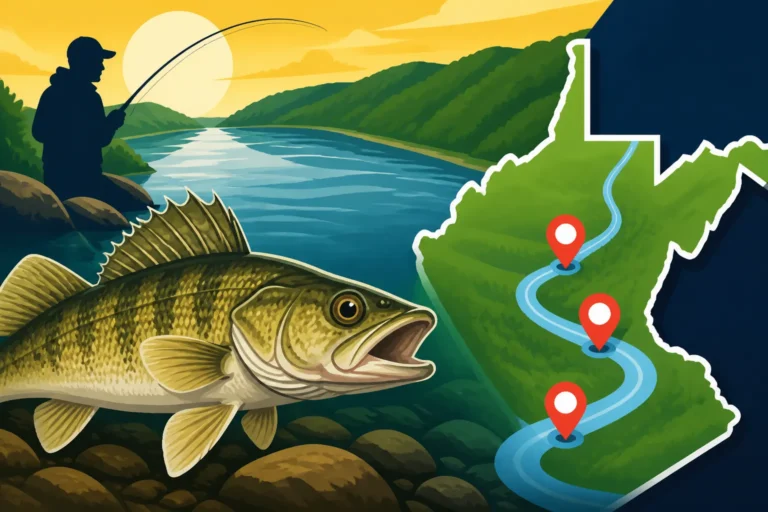
Finding reliable fishing access points on a river like the West Fork in West Virginia can often feel like searching for hidden treasure – it’s not always clearly marked, and local knowledge often holds the key. Anglers frequently face frustrations trying to determine where public access truly begins, what amenities are available, or if a spot is even suitable for their chosen fishing style. This comprehensive guide aims to cut through that confusion, detailing various fishing access points, the type of fishing experiences you can expect, and crucial tips for navigating the West Fork River.
Understanding the West Fork River's Unique Character for Anglers
The West Fork River, a tributary of the Monongahela River, winds its way through several counties in north-central West Virginia, offering a diverse array of fishing experiences. It's not a roaring whitewater river, nor is it a placid lake, but rather a meandering waterway with stretches of riffles, runs, and deeper pools, making it incredibly appealing to those who appreciate a river with varied personality. Its character changes significantly from its headwaters near Weston to where it meets the Tygart Valley River to form the Monongahela near Fairmont.
River Overview and Fish Species
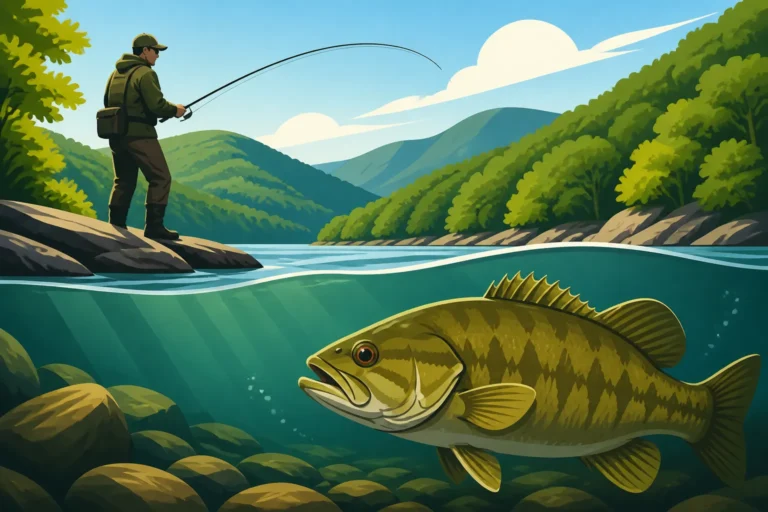
The West Fork River is a true gem for multi-species anglers. While it might not have the trophy trout reputation of some mountain streams, it offers fantastic opportunities for smallmouth and largemouth bass, various panfish like bluegill and crappie, and even some elusive muskie. Catfish, particularly channel and flathead varieties, are also abundant in the deeper, slower sections. The river's composition – a mix of rocky bottom, gravel beds, submerged timber, and undercut banks – creates ideal habitats for these species. Understanding the river's flow and features, such as current breaks and depth changes, is crucial for successful fishing. For a broader look at the state's waterways, you might want to check out our guide on the Best Fishing Rivers in West Virginia.
In the upper reaches, closer to its source, the river is generally narrower and shallower, offering more intimate wading opportunities. As it flows northward through towns like Clarksburg and Fairmont, it widens and deepens, becoming more suitable for small boats and kayaks. The water quality has improved significantly over the years, making it a vibrant ecosystem. This improvement has led to healthier fish populations and a more enjoyable experience for anglers. However, always remember that river conditions can change with rainfall, impacting clarity and flow.
Navigating Current and Water Levels
River fishing is always a dynamic endeavor, and the West Fork is no exception. Water levels and current speeds can fluctuate dramatically based on recent rainfall and upstream dam releases. High water can make wading dangerous and fishing challenging due to increased turbidity and debris. Conversely, very low water levels can expose hazards for boaters and make fish more lethargic or concentrated in deeper pools. It’s always a good practice to check local stream gauges and weather forecasts before heading out. Websites like the USGS National Water Information System can provide real-time data for various points along the river.
For those planning to float or paddle, understanding the current is paramount. While generally not a fast-moving river, there are sections with swifter current and minor rapids, especially after heavy rains. These areas can be exciting for smallmouth bass but require caution. Always wear a life jacket, even if you’re a strong swimmer, and be aware of potential strainers (fallen trees or debris that can trap a boat). Our guide on West Virginia Boating Laws for Anglers provides essential safety information that every river angler should review before hitting the water. A good rule of thumb is to scope out new sections from the bank before committing to a float, especially if you're unfamiliar with the specific stretch.
Key Public Access Points Along the West Fork
One of the biggest hurdles for anglers on any river is knowing where they can legally and safely get to the water. The West Fork River offers a variety of public access points, from dedicated boat ramps to more informal roadside pull-offs, but they vary greatly in terms of amenities and suitability for different types of craft. It's not always as simple as seeing a bridge and assuming you can park and fish.
Access in Urban and Suburban Stretches Clarksburg, Fairmont
In more populated areas like Clarksburg and Fairmont, public access is often better developed. Clarksburg, for instance, has several access points that are relatively easy to find. The city's parks often provide riverside access, sometimes with designated parking and even boat launches suitable for kayaks, canoes, or small jon boats. These urban stretches can be surprisingly productive, as fish often seek cover around bridges, docks, and submerged structures associated with human development. The areas near Veteran's Park or city-maintained green spaces frequently offer good bank fishing opportunities.
Fairmont, where the West Fork meets the Tygart Valley River, also boasts several excellent access points. Palatine Park, for example, often provides good access for launching smaller boats and kayaks, and it's a popular spot for local anglers. These urban areas typically have better cellular service and nearby amenities like gas stations and bait shops, which can be convenient for a day trip. However, be mindful of local ordinances regarding parking and fishing from bridges. Always respect private property boundaries, even in urban settings. A clear understanding of West Virginia Fishing Regulations Explained will always serve you well.
Rural and More Secluded Access Opportunities
Beyond the cities, the West Fork winds through more rural landscapes, offering a chance for a quieter, more secluded fishing experience. These access points are often less developed, sometimes just a dirt pull-off along a county road or an informal path through public land. These stretches are particularly appealing for wade anglers or those launching kayaks where no formal ramp exists. Areas between towns like West Milford, Quiet Dell, and Enterprise feature many such opportunities. It’s here that a detailed map, or even satellite imagery, becomes your best friend.
When exploring these more remote spots, always be sure you are on public land or have permission from private landowners. Trespassing is not only illegal but can damage the reputation of anglers in the community. Look for areas adjacent to state-owned land, public hunting and fishing areas, or county-maintained bridges. These often provide legitimate, if sometimes rugged, access. Remember, "secluded" often means "no facilities," so plan to pack in and pack out everything you bring, including trash. These spots are fantastic for targeting larger muskie and smallmouth bass who prefer less pressured waters.
Boat and Kayak Launch Considerations
Choosing the right launch point depends heavily on your craft. While larger reservoirs might call for a full-sized bass boat, the West Fork River is generally best suited for kayaks, canoes, small jon boats, or drift boats. These smaller, more maneuverable vessels allow you to navigate shallower riffles and access tight pockets that larger boats cannot.
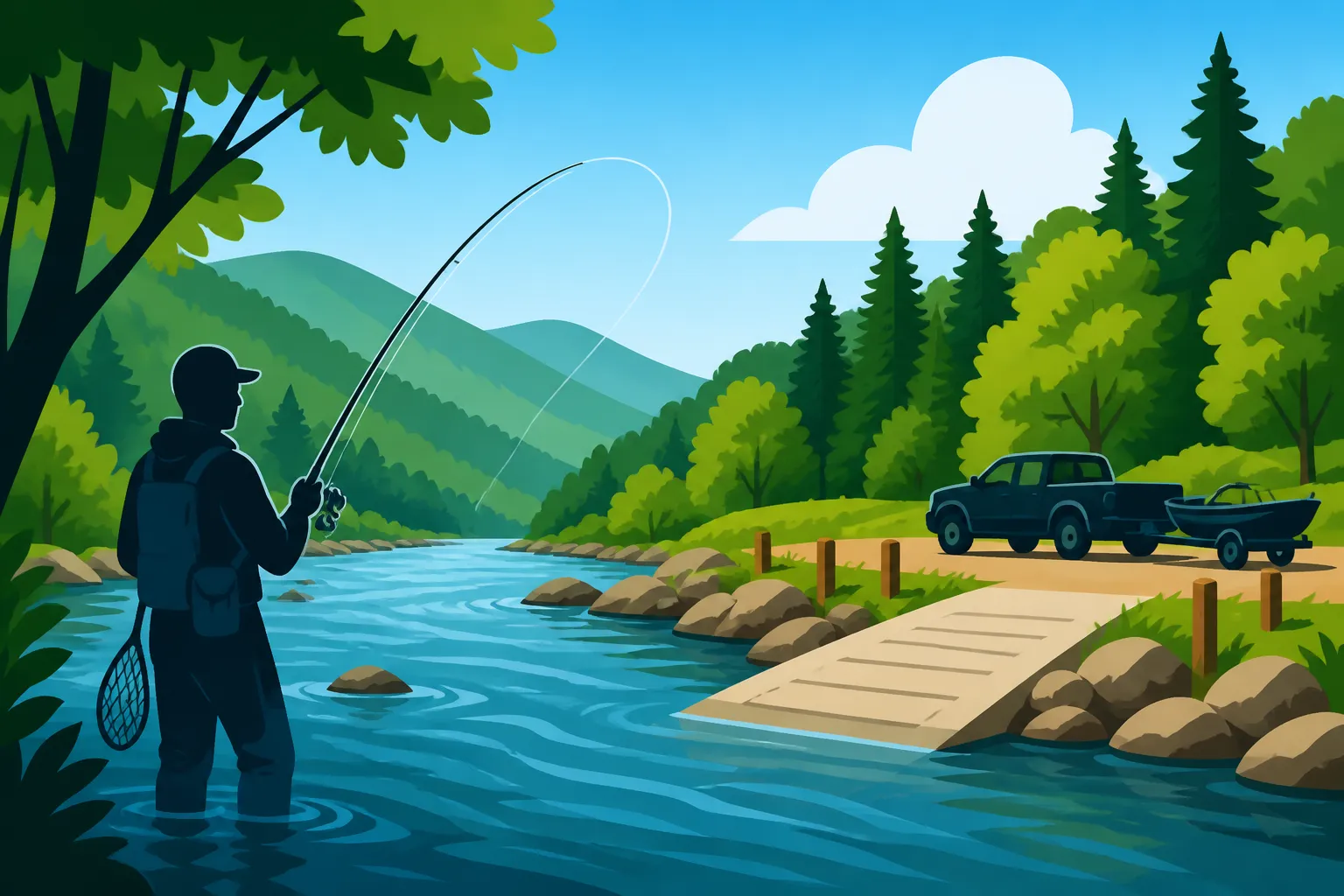
For kayaks and canoes, almost any public access point with a gentle bank can serve as a launch. Look for spots where the bank isn't too steep or muddy. Dedicated boat ramps, even if designed for larger trailered boats, are usually excellent for hand-launching kayaks too. For jon boats, you'll need a ramp or a very gradual, firm bank where you can safely back in a small trailer. Always be aware of the minimum water depth required for your motor, especially during lower water conditions. If you're considering a float trip, plan your put-in and take-out points carefully, factoring in travel time and potential shuttling. If you're in the market for a new vessel, our guide on the Best Kayaks for West Virginia Fishing offers some great insights.
Here’s a quick overview of some potential access points and their general characteristics along the West Fork River:
| Access Point Location (General Area) | Type of Access | Suitable Craft | Primary Target Species | Amenities (if any) | Notes |
|---|---|---|---|---|---|
| Clarksburg (City Parks) | Bank/Hand Launch | Kayak, Canoe, Wade | Smallmouth, Panfish, Catfish | Parking, sometimes restrooms | Urban access, convenient |
| Fairmont (Palatine Park Area) | Ramp/Hand Launch | Jon Boat, Kayak, Canoe | Smallmouth, Largemouth, Muskie, Catfish | Parking, often paved ramp | Confluence area, potentially larger fish |
| West Milford Area (County Roads) | Informal Pull-off | Wade, Kayak, Canoe | Smallmouth, Panfish, Muskie | Limited/None | Rural, more secluded |
| Quiet Dell Area | Informal Pull-off | Wade, Kayak, Canoe | Smallmouth, Panfish | Limited/None | Secluded, good for wading |
| Enterprise Area | Informal Pull-off | Wade, Kayak, Canoe | Smallmouth, Muskie | Limited/None | Less pressured water |
Note: This table provides general guidance. Always scout specific locations before your trip as conditions and access rules can change.
Fishing Strategies and Regulations for the West Fork River
To truly enjoy fishing the West Fork, it’s not just about getting to the water, but knowing how to fish it effectively and legally. Every river has its nuances, and understanding these can dramatically improve your success rate. From targeting specific species to employing the right gear, a thoughtful approach pays dividends.
Targeting Specific Species Bass, Panfish, Muskie
Smallmouth Bass: The West Fork is a fantastic smallmouth fishery, especially in its middle and upper sections. These feisty fighters love current, rocky bottoms, and submerged structure. Look for them around riffles, boulder fields, current breaks, and undercut banks. Topwater lures like poppers and walk-the-dogs work wonders during low light conditions, while tube jigs, grubs, and small crankbaits excel when bass are holding deeper. Don't forget soft plastic crawfish imitations, as crayfish are a primary food source. Our guide on How to Catch Smallmouth Bass in West Virginia Rivers delves deeper into these techniques.
Largemouth Bass: While smallmouth prefer current, largemouth bass are often found in the slower, deeper pools, especially around laydowns (fallen trees), weed beds, and backwater areas. Spinnerbaits, chatterbaits, and soft plastic worms fished around structure are excellent choices. During warmer months, topwater frogs and hollow-bodied lures can be thrilling when fished over lily pads or dense cover.
Panfish (Bluegill, Crappie): The West Fork offers consistent panfish action, making it a great river for beginners or those looking for relaxed fishing. Bluegill and other sunfish are abundant in calmer pockets, eddies, and around brush piles. Small jigs, worms under a bobber, or tiny spinners will usually get their attention. Crappie tend to school up around submerged timber or deeper structure, particularly in the lower, wider sections of the river. Small minnows or crappie jigs are the ticket for them. Learn more about their habits in our Panfish Fishing in West Virginia guide.
Muskie: For the dedicated trophy angler, the West Fork holds some impressive muskie. These "fish of 10,000 casts" are apex predators, often found lurking near ambush points like log jams, deep bends, or large submerged rocks. Large crankbaits, bucktail spinners, and glide baits are standard muskie fare. Fishing for muskie is often a game of patience and persistence. If you're serious about chasing these toothy critters, check out our comprehensive article on Muskie Fishing in West Virginia and How to Catch Muskie in West Virginia for advanced tips and locations.
Catfish: Channel and flathead catfish thrive in the West Fork's deeper, slower sections. Channel cats are often caught on cut bait, chicken livers, or stink baits fished on the bottom. Flatheads, known for their size, prefer live bait like sunfish or suckers, typically fished after dark near heavy cover or deep holes.
Essential Gear and Safety Tips
When fishing the West Fork, having the right gear is crucial, both for success and safety.
Rods and Reels: For smallmouth and panfish, a medium-light to medium power spinning rod (6'6" to 7' feet) with a 2000 or 2500 series reel spooled with 6-10 lb test monofilament or braided line is versatile. For muskie, you'll need much heavier gear – a stout baitcasting rod (7'6" to 9' feet) rated for heavy lures, paired with a robust baitcasting reel and 50-80 lb braided line, often with a heavy fluorocarbon or wire leader.
Lures and Baits: Always carry a diverse selection. For bass, include tube jigs (green pumpkin, black), small crankbaits (shad or crawfish patterns), spinnerbaits, and topwater lures. For panfish, tiny jigs, small spinners, and live worms are indispensable. For muskie, large bucktails, inline spinners, glide baits, and large soft plastics are key. Don't forget extra hooks, sinkers, and line.
Safety Gear:
- Life Jacket: Non-negotiable, especially when boating, kayaking, or wading in unfamiliar or swift currents.
- Wading Boots: If wading, felt or studded rubber soles provide better grip on slippery river rocks. A good pair of waders (chest waders for cooler water, breathable for summer) will also extend your comfort and reach.
- First-Aid Kit: Small cuts, scrapes, and hook injuries are common.
- Pliers/Forceps: Essential for safely unhooking fish, especially those with multiple treble hooks or deeper hooks.
- Water and Snacks: Hydration is key, even on cloudy days.
- Map/GPS: Even on a familiar river, it's easy to lose track of exact locations, especially with informal access points.
- Sun Protection: Hat, sunglasses, and sunscreen.
- Communication: A fully charged cell phone (in a waterproof bag) or a satellite messenger for more remote areas.
Always tell someone your float plan or where you intend to fish, especially if you're going solo. River conditions can change quickly, so being prepared for various scenarios is part of being a responsible angler.
Planning Your West Fork River Fishing Trip
A successful fishing trip involves more than just showing up with a rod and reel. Thoughtful planning, especially for a river like the West Fork that balances accessibility with more wild stretches, ensures a smoother and more enjoyable experience. From knowing who to talk to for up-to-the-minute reports to finding a place to stay, a little homework goes a long way.
Local Resources and Guides
One of the best ways to gain insight into a river you're unfamiliar with is by tapping into local knowledge. Tackle shops in towns like Clarksburg, Fairmont, or Weston are invaluable resources. The folks working there often fish the river themselves and can provide current reports on water conditions, recent catches, and which baits or lures are working. They can also point you to less obvious access points or clarify private property boundaries. Don't be afraid to strike up a friendly conversation.
For a truly immersive experience, especially if you're targeting a specific species like muskie or smallmouth bass, consider hiring a local fishing guide. A professional guide will not only put you on fish but will also teach you specific techniques for that river, navigate you safely, and provide all the necessary gear. Services like FishingBooker can help you find reputable local guides who specialize in West Fork River fishing. They often have multiple options listed, allowing you to compare guides and trips to find the perfect fit for your skill level and target species. Local guides are also usually well-versed in West Virginia Fishing Seasons by Month and what to expect throughout the year.
Accommodations and Nearby Amenities
While the West Fork River offers many remote fishing opportunities, it also flows through or near several towns that provide all the amenities you might need. Clarksburg and Fairmont offer a wide range of hotels, motels, and bed and breakfasts, along with restaurants, grocery stores, and bait and tackle shops. These towns make excellent bases for multi-day fishing trips, allowing you to explore different sections of the river.
If you prefer a more rustic experience, there are often state parks or private campgrounds within a reasonable driving distance of the river, offering tent sites or cabins. Always book accommodations in advance, especially during peak fishing seasons or local events. Remember to factor in travel time from your lodging to your chosen access points, particularly if you're planning an early morning start or a late-night catfish session. Having a comfortable place to rest and refuel after a long day on the water is just as important as the fishing itself.
When planning, keep an eye on the West Virginia State Fish Records by Species to get a sense of the potential for trophy catches, and let that inspire your trip! The West Fork River is a fantastic destination for anglers of all skill levels, offering a blend of accessible urban fishing and peaceful rural escapes. With careful planning and respect for the river, you're sure to have a memorable experience.
Disclaimer
Fishing conditions and regulations in West Virginia can change. Always consult the latest West Virginia Division of Natural Resources (WVDNR) fishing regulations summary before heading out. Information provided here is for general guidance and educational purposes only. It is the angler's responsibility to know and follow all current laws and regulations.