Cranberry River catch and release fly water
Fishing in heavily regulated, special waters can feel intimidating. You want to enjoy the tranquility and challenge of a pristine stream, but the fear of inadvertently breaking a rule or not having the right gear can often overshadow the excitement. If you've been dreaming of a truly immersive fly-fishing experience in West Virginia, where the focus is entirely on the art of the catch and release, then the Cranberry River's special regulation "fly water" is exactly what you need, and this guide will walk you through everything to make your trip successful.
Understanding the Cranberry River Catch and Release Fly Water
The Cranberry River, nestled deep within the Monongahela National Forest, is legendary among West Virginia anglers, and its "fly water" section is particularly revered. This isn't just any stretch of river; it's a designated haven where strict catch-and-release rules and fly-fishing-only regulations create an unparalleled environment for wild and stocked trout alike. It's a place where you can truly connect with nature and test your skills against some of the wariest fish in the state.
The Unique Regulations and What They Mean
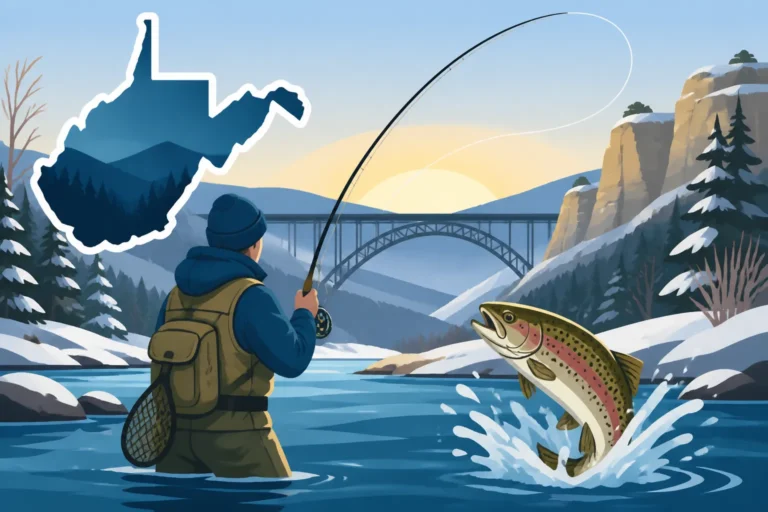
When we talk about the Cranberry River's catch-and-release fly water, we're talking about a specific section of the river, typically extending from the West Virginia Scenic Highway bridge downstream for several miles. The rules here are clear and designed to protect the fishery: you can only use artificial flies and lures, and all fish caught must be immediately released unharmed. This means no bait, no spinning lures with treble hooks, and certainly no keeping your prized catch for dinner. For a deeper dive into the specific rules, check out our guide on Cranberry River special regulations. These regulations are paramount to maintaining the health and vitality of this unique ecosystem.
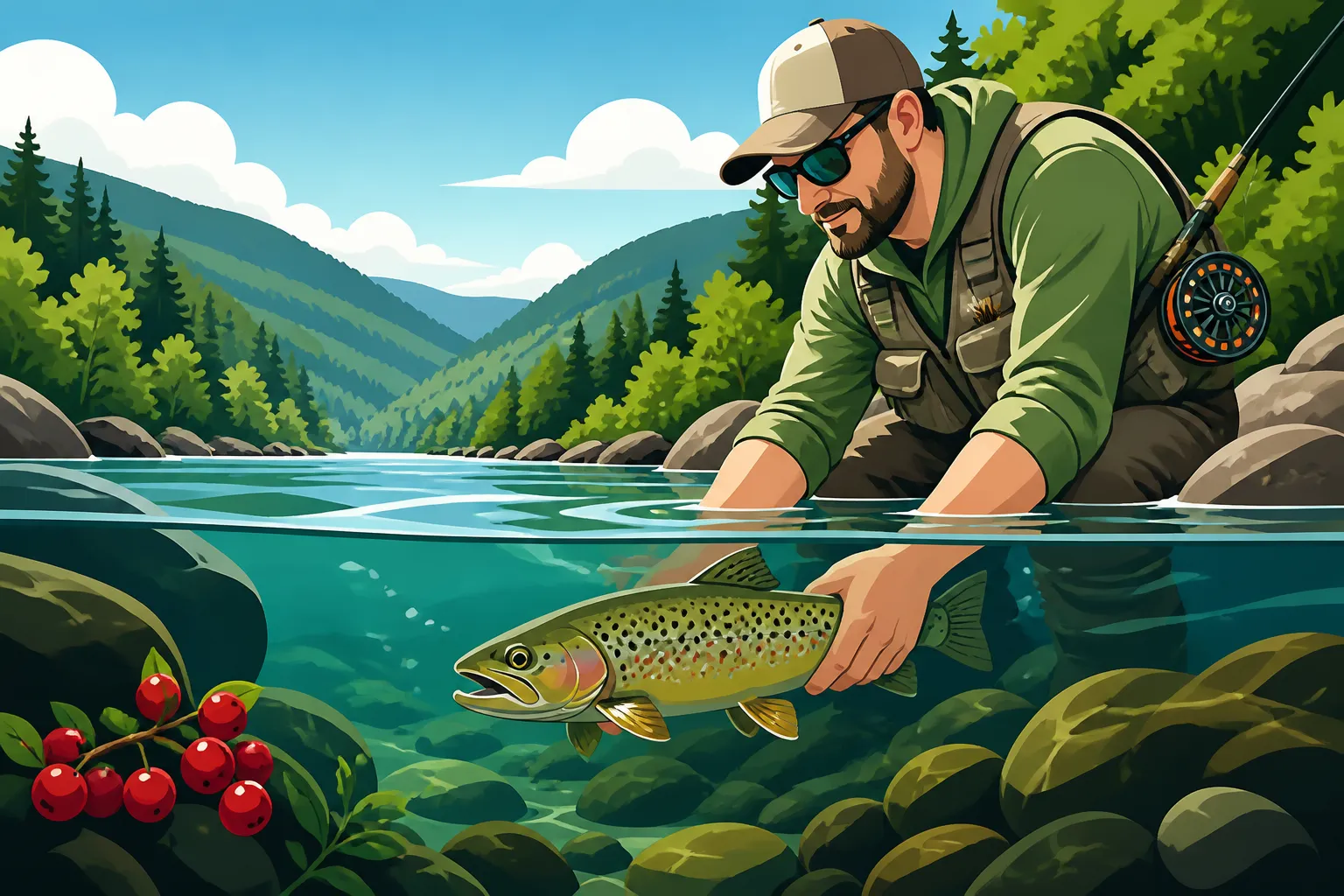
Imagine you've driven hours, hiked into the remote wilderness, and finally arrived at a perfect riffle. You cast your fly, a beautiful drift, and suddenly, a trout strikes! The thrill is immense. Under these rules, after a careful fight, you cradle the fish gently, remove the barbless hook, and watch it swim strongly back into the current. This practice ensures that countless other anglers, and even yourself on future trips, can enjoy the same incredible experience. It fosters a respect for the fish and the environment that is truly special, setting it apart from more conventional fishing opportunities.
Why Catch and Release is So Important Here
The philosophy behind catch and release, especially on a river like the Cranberry, goes beyond just legal requirements; it's about conservation and sustainability. Trout, particularly native brook trout and larger holdover brown and rainbow trout, can be incredibly sensitive to fishing pressure. By ensuring that every fish caught is released, the population remains robust, allowing these fish to grow larger and provide more challenging sport for future generations. This is especially vital in such a pristine, yet accessible, mountain fishery.
Many anglers initially find the idea of not being able to keep a fish a bit strange, especially if they're used to other forms of fishing. However, once you experience the challenge and reward of consistently catching and releasing healthy, vibrant trout, you quickly understand the appeal. It transforms fishing from a harvest activity into a pure sporting pursuit, focusing on skill, patience, and appreciation for the natural world. If you're curious about the broader state guidelines, our article on West Virginia Catch and Release Rules for Trout offers more context. It's a testament to West Virginia's commitment to preserving its exceptional natural resources.
Accessing the Cranberry River Fly Water
Getting to the Cranberry River's special regulation section is part of the adventure itself. Nestled deep within the vast expanse of the Monongahela National Forest, this isn't a place you just stumble upon. It requires a bit of planning, a reliable vehicle, and a willingness to immerse yourself in the wilderness. The remoteness is part of its charm, ensuring that those who make the effort are often rewarded with solitude and exceptional fishing.
Navigating the Monongahela National Forest
The primary access point for the Cranberry River catch and release fly water is typically via the Highland Scenic Highway (Route 150), also known as the West Virginia Scenic Highway. This road is stunning in itself, offering breathtaking views, but it's also your gateway to the Cranberry. From Richwood, you'll head northeast on WV-39/55, then turn onto WV-150. As you drive, you'll see signs for various access points and camping areas along the Cranberry. During winter months, parts of the Scenic Highway may be closed due to snow, making access more challenging or impossible. Always check road conditions before heading out, especially in the off-season.
Once you turn off the main highway, you'll often find yourself on Forest Service roads, which can range from well-maintained gravel to rougher, more primitive tracks. A vehicle with good ground clearance is always recommended, though not always strictly necessary depending on the specific access point you choose. Many anglers will park at designated parking areas or pull-offs and then hike in along trails that parallel the river. The effort required to get there often thins out the crowds, especially on weekdays, enhancing that feeling of wilderness immersion.
Popular Access Points and Trail Systems
There are several well-known access points that anglers frequently use to reach the Cranberry's special regulation waters. The most common is often referred to simply as the "Cranberry Campground" or "Big Rock Campground" area, although the actual designated fly-fishing section typically starts a bit further upstream or downstream, depending on the exact boundaries. A good starting point can be near the Falls of the Cranberry, with trails leading along the river. Another popular spot is at the bridge where the Scenic Highway crosses the Cranberry River. From here, you can often find trails leading both upstream and downstream into the heart of the catch-and-release section.
- Falls of the Cranberry: A fantastic entry point, offering scenic views and good hiking trails that follow the river. Be prepared for some elevation changes.
- Scenic Highway Bridge: This bridge marks a key point along the river and provides relatively easy access to trailheads leading into the designated fly-fishing water.
- Backcountry Trails: For those seeking true solitude, various backcountry trails branch off from the main access points, leading to more remote stretches of the river. These often require more strenuous hiking and a good map or GPS.
No matter which access point you choose, be sure to respect private property, stay on designated trails, and practice Leave No Trace principles. The beauty of the Cranberry is fragile, and it's up to all of us to protect it. If you're planning a trip and want to explore accommodation or guided services in the area, platforms like FishingBooker can sometimes help connect you with local outfitters or guides who know these access points intimately.
Essential Gear and Techniques for Cranberry River Fly Water
Successfully fishing the Cranberry River's catch-and-release fly water requires specific gear and a thoughtful approach to technique. This isn't a place for heavy spin gear or power-bait; it's a sanctuary for the delicate art of fly fishing. Being properly equipped and understanding how to present your fly will significantly increase your chances of a memorable day on the water.
Recommended Fly Rod and Reel Setup
For most of the Cranberry River's waters, a versatile fly rod is key. A 4-weight or 5-weight fly rod, typically in a 7'6" to 9' length, is an excellent choice. This weight provides enough backbone to cast a variety of nymph and dry fly patterns, yet remains sensitive enough to feel the subtle takes of wary trout. A medium-fast action rod is generally preferred as it offers a good balance between casting distance and delicate presentation. For deeper insights into rod selection, our guide on Best Fly Rods for West Virginia Trout Streams can provide more detail.
Pair your rod with a reliable reel that has a smooth drag system. While you might not be fighting massive fish every cast, a good drag is crucial for protecting light tippets and handling the surprising runs of larger holdover trout. Most standard large arbor fly reels designed for trout fishing will serve you well. A floating weight-forward fly line matching your rod's weight is standard, perhaps with a separate spool or an extra line for a sinking tip if you plan on deep nymphing in heavier currents or pools.
Fly Selection for Success
The Cranberry River hosts a diverse insect population, meaning your fly box should be well-stocked with a variety of patterns. Given the catch-and-release nature, and the often clear, cold water, natural imitations tend to perform best.
- Nymphs: These are often the most productive flies, especially when fish aren't actively rising. Popular patterns include the Hare's Ear, Pheasant Tail, Prince Nymph, and various caddis larva imitations. Sizes #12-18 will cover most situations. Don't forget stonefly nymphs, especially in larger sizes, for deep pools.
- Dry Flies: When trout are actively feeding on the surface, dry flies offer exciting visual strikes. Classic patterns like the Elk Hair Caddis, Adams, Parachute Adams, and various Sulphur and Hendrickson imitations are good bets. Have a selection in sizes #12-20. Terrestrial patterns like hoppers and ants can also be effective during summer months.
- Streamers: While often overlooked for trout, small streamers can entice larger, more aggressive trout, especially brown trout. Patterns like Woolly Buggers (black, olive, brown) in sizes #8-12 can be deadly, particularly in deeper runs or after a rain.
Always carry a variety, and don't be afraid to experiment. The fish will tell you what they want! You might find even more specific suggestions in our article on Fly Patterns for West Virginia Trout Streams. If you're looking for local knowledge on current hot patterns, a good guide found through a service like FishingBooker would be invaluable.
Wading and Presentation Techniques
Wading the Cranberry requires caution. The riverbed can be rocky and slick, with strong currents in places. High-quality Best Waders for West Virginia Trout Streams with studded wading boots are a must for safety and stability. A wading staff is highly recommended, especially when crossing swift currents or navigating unfamiliar terrain. Always face upstream, take slow, deliberate steps, and test the water depth and footing before committing.
When it comes to presentation, stealth is your best friend. Trout in these clear, pressured waters are easily spooked. Keep a low profile, make accurate casts, and avoid splashing. Long, delicate leaders (9-12 feet) with fluorocarbon tippet (4x to 6x) will help with presentation and minimize visibility.
- Nymphing: Whether using an indicator rig or tight-line nymphing, focus on getting your flies down to the fish's feeding lane. Mending your line to achieve a drag-free drift is critical. Look for slower seams, eddies, and the deeper pockets behind rocks.
- Dry Fly Fishing: Patience is key. Wait for visible rises, identify the insect, and try to match it. A delicate cast upstream of the rising fish, allowing for a natural drift, is essential. Avoid false casts over the fish.
- Streamer Fishing: Cast across or slightly downstream and strip your streamer back with varying retrieves. This can provoke an aggressive strike from a larger trout.
Remember that Wading Techniques for West Virginia Trout Streams are crucial for both safety and fishing success in these pristine environments.
What Fish Species to Expect and Conservation Efforts
The Cranberry River's special regulation "fly water" is renowned for its vibrant trout population, a testament to both the river's natural health and the dedicated stocking and conservation efforts by the West Virginia Division of Natural Resources (WVDNR). Anglers here have the opportunity to encounter a delightful mix of trout species, each offering its own unique challenge and beauty.
Trout Species You'll Encounter
While the Cranberry River has a strong component of wild trout, especially the native brook trout, it also benefits from regular stockings of rainbow and brown trout. This creates a diverse fishery where you might catch a vibrant, colorful brook trout, followed by a hard-fighting rainbow, and then a wary, elusive brown.
- Brook Trout: West Virginia's state fish, the Brook Trout: West Virginia's Native and State Fish, thrives in the cold, oxygen-rich waters of the Cranberry. These smaller, strikingly beautiful fish with their worm-like markings and red spots are a true delight to catch. They are often found in the smaller feeder streams and the upper, colder reaches of the main river.
- Rainbow Trout: Stocked regularly by the WVDNR, rainbow trout provide much of the consistent action in the Cranberry. They are known for their strong fights and acrobatic jumps. You'll find them throughout the special regulation section, often congregating in deeper pools and runs.
- Brown Trout: Brown trout are often the most challenging to catch but can grow to impressive sizes in the Cranberry. They are warier than rainbows and tend to be more nocturnal. Look for them holding under cut banks, submerged logs, and large rocks. They are known for their beautiful golden-brown coloring and red and black spots. These are often considered "holdover" trout, having survived previous stockings and adapted to the river's conditions.
The opportunity to target multiple species in a single day adds to the allure of the Cranberry River. Each species presents a slightly different puzzle, demanding a keen eye and adaptable technique.
Conservation and the Future of the Cranberry
The "fly water" designation on the Cranberry River is a direct result of comprehensive conservation strategies aimed at protecting and enhancing this valuable fishery. The WVDNR's efforts, combined with the commitment of anglers to strictly adhere to catch-and-release principles, ensure the river remains a thriving habitat. Regular water quality monitoring, habitat improvement projects, and thoughtful stocking schedules all contribute to the river's health.
For those interested in exploring various fishing opportunities across the state, even beyond strictly regulated waters, resources like FishingBooker can offer a glimpse into different guided trips and experiences available. However, for a truly wild and ethically responsible fishing trip, the Cranberry remains a jewel, demonstrating how effective conservation and angler participation can create an exceptional natural resource.
Your fishing license and, if applicable, your West Virginia's Conservation Stamp, Explained directly support these conservation efforts. These funds go towards stocking programs, habitat restoration, and enforcement of regulations, all of which are vital for maintaining the quality of fishing on the Cranberry and other prized West Virginia waters. Every time you purchase a license or stamp, you're contributing to the future of these magnificent fisheries.
| Trout Species | Primary Habitat | Common Size (Catch & Release) | Distinguishing Features | Best Time to Target |
|---|---|---|---|---|
| Brook Trout | Cold, clear, oxygenated water; feeder streams | 6-10 inches | Vermiculations (worm-like markings), red spots with blue halos, white leading edge on fins | Spring, Early Summer |
| Rainbow Trout | Pools, runs, riffles; often near current | 8-16 inches | Pink/red stripe along lateral line, small dark spots, silvery body | Year-round, especially after stocking |
| Brown Trout | Undercut banks, submerged cover, deep pools | 10-20+ inches | Golden-brown body, large dark spots (some red/orange), often more elusive | Early morning, late evening |
Planning Your Trip and Respecting the Environment
A trip to the Cranberry River's catch-and-release fly water isn't just about the fishing; it's about the entire wilderness experience. From the drive through the scenic forest to the quiet moments on the riverbank, it’s an opportunity to disconnect and immerse yourself. Proper planning ensures not only a successful fishing outing but also that you leave no trace, preserving the beauty for others.
When to Visit and What to Pack
The Cranberry River offers excellent fishing opportunities throughout the year, though conditions vary dramatically with the seasons.
- Spring (March-May): This is prime time as water levels are often good, and trout are actively feeding after winter. Hatches of caddis and mayflies become more prevalent. Be prepared for variable weather, including cold snaps and rain.
- Summer (June-August): Water levels can drop, and temperatures can rise, making fishing more challenging. Focus on early mornings or late evenings, and seek out colder feeder streams or deeper, shaded pools. Terrestrial patterns like hoppers and ants can be very effective.
- Fall (September-November): Many consider fall to be the best time for trophy brown trout. The foliage is spectacular, and fish are often aggressive as they prepare for winter.
- Winter (December-February): Access can be difficult due to snow, and fishing is often slow. However, for the dedicated angler, days with mild weather can offer solitude and the chance at a large, sluggish trout with nymphing techniques.
Beyond your fishing gear, essential items include: a good map or GPS (cell service is spotty), plenty of water, snacks, appropriate layers of clothing, rain gear, a first-aid kit, and sunscreen. Don't forget polarized sunglasses for spotting fish and protecting your eyes. For a comprehensive overview of what to expect throughout the year, our guide on Best Time of Year to Fish in West Virginia can be really helpful.
Practicing Leave No Trace Principles
The Cranberry River's pristine nature is a gift, and it's our collective responsibility to keep it that way. Practicing Leave No Trace principles is non-negotiable.
- Plan Ahead and Prepare: Know the regulations, pack out everything you pack in, and be ready for weather changes. This includes familiarizing yourself with West Virginia Fishing Regulations Explained to ensure you're compliant.
- Travel and Camp on Durable Surfaces: Stick to established trails and campsites. Avoid trampling vegetation along the riverbanks.
- Dispose of Waste Properly: Pack out all trash, including fishing line, broken lures, and food scraps. Never leave anything behind.
- Leave What You Find: Don't disturb historical artifacts, natural features, or plant life.
- Minimize Campfire Impacts: Use established fire rings if fires are permitted. Better yet, use a stove for cooking.
- Respect Wildlife: Observe from a distance, and never feed animals.
- Be Considerate of Other Visitors: Share the trails and river, keep noise to a minimum, and allow others to enjoy their solitude.
The Cranberry is a special place, and its continued health depends on every angler doing their part.
Disclaimer
Fishing regulations and conditions can change. Always consult the latest West Virginia Division of Natural Resources (WVDNR) official regulations before heading out. This guide provides general information and recommendations, but it is not a substitute for official sources. Be safe, respect the environment, and enjoy your time on the water.