Best winter fishing spots in West Virginia
The thought of fishing in West Virginia during the dead of winter might send shivers down your spine, and you wouldn't be alone. Many anglers pack away their rods once the temperatures drop, assuming the fish go dormant or the conditions become too unbearable. But I'm here to tell you that this couldn't be further from the truth. While it certainly presents its challenges, winter fishing in the Mountain State offers some truly unique and often incredibly rewarding experiences, and this guide will show you exactly where to find those elusive cold-weather bites.
Embracing the Chill: Why Winter Fishing in West Virginia is a Rewarding Adventure
Let's be honest, those crisp, cold mornings and the potential for ice on your guides can be intimidating. You might be wondering if it's even worth bundling up. But trust me, once you experience it, you'll understand why a dedicated crew of anglers brave the elements year after year. West Virginia's beauty takes on a whole new character in winter, and the fishing can be exceptional if you know where to look.
The Undeniable Appeal of Solitude and Scenery
One of the most immediate and striking benefits of winter fishing is the sheer solitude. Gone are the bustling crowds, the busy boat ramps, and the competition for prime spots. You often find yourself with entire stretches of water practically to yourself, allowing for a peaceful, meditative experience that's hard to come by during the warmer months. Imagine the quiet, snow-dusted banks of a mountain stream or the glassy surface of a large lake reflecting a pale winter sky – it's truly breathtaking. The quiet hush of winter creates an almost sacred atmosphere, making every cast feel more intentional and every catch more profound. It’s a chance to truly connect with nature without distraction.
Moreover, the winter scenery in West Virginia is absolutely stunning. From frozen waterfalls to snow-capped peaks surrounding deep, clear lakes, it's a photographer's dream. Even if the fish aren't biting aggressively, the opportunity to witness such natural beauty often makes the trip worthwhile. It's a reminder that West Virginia's outdoor offerings extend far beyond just its summer charm, providing a unique backdrop for your angling adventures.
Targeting Trophy Fish: When Bigger Bites Happen
While fish metabolism certainly slows down in cold water, don't mistake slow for impossible. In fact, winter can be one of the best times to target trophy-sized fish of certain species. Larger fish, often needing more sustenance even in cooler temperatures, can be less wary and more concentrated in specific areas, making them prime targets. Their slower movements can also make them easier to pinpoint with electronics once you locate them. You might have to work harder for fewer bites, but those bites often come from the biggest fish in the system.
For species like muskie and walleye, winter is often heralded as a prime time for giants. These predators remain active, albeit at a reduced pace, and will readily strike a well-presented bait. Similarly, many trout streams continue to offer fantastic opportunities, especially in tailwaters where water temperatures are more stable. If you're looking to put a personal best on the wall, don't overlook the colder months. This is also a fantastic time to explore guided trips, as a local expert booked through services like FishingBooker can put you directly on these colder-water giants, saving you invaluable time on the water.
Identifying Prime Winter Fishing Locations in the Mountain State
Understanding where to fish in winter is paramount. Fish aren't just scattered everywhere as they might be in spring or fall. They tend to concentrate in areas that offer thermal refuge, consistent food sources, or deep-water sanctuary. Knowing these key characteristics will help you narrow down your search and increase your chances of success.
Deep Water Havens: Lakes and Reservoirs
Large lakes and reservoirs are often the go-to spots for winter angling, primarily because deep water offers a more stable thermal environment. Below the surface, water temperatures remain relatively consistent, providing comfort for fish as surface temperatures fluctuate or even freeze. Fish in these bodies of water will often congregate in deeper channels, on main lake points, or near submerged humps and cover.
-
Target Species and Tactics: You'll typically be targeting species like walleye, crappie, and even some largemouth and smallmouth bass. For walleye, slow jigging or vertical presentations with spoons and blade baits are highly effective. Crappie often suspend in deep brush piles or around bridge pilings, responding well to tiny jigs tipped with minnows. Even catfish can be caught, though their bite will be much more subtle. Exploring some of the Best Fishing Lakes in West Virginia will give you a great head start. You can dive deeper into specific tactics for How to Catch Walleye in West Virginia or even find success Crappie Fishing in West Virginia by focusing on these deep-water zones.
-
Challenges and Considerations: Access can be an issue if boat ramps are icy. Layering up is crucial, and having a portable heater for your boat can make a world of difference. Fishing from shore on larger lakes can be tough unless you find areas with immediate deep-water access. Always prioritize safety, especially if venturing out on the water in a boat; cold water immersion is a serious risk.
Tailwaters and Open Water Rivers
Rivers, especially those downstream from dams (known as tailwaters), can be phenomenal winter fisheries. The water released from the bottom of reservoirs tends to be warmer than ambient air temperatures and keeps these sections of river ice-free for miles, even during prolonged freezes. This stable, slightly warmer water attracts and holds a variety of fish species.
-
Target Species and Tactics: Tailwaters are famous for their trout fishing, offering year-round opportunities for rainbow, brown, and sometimes brook trout. Fly anglers will find success nymphing deep pools or slowly stripping streamers. Spin anglers can use small inline spinners, jigs, or scented dough baits. Besides trout, these areas can also hold smallmouth bass, muskie, and walleye that migrate up from larger rivers or lakes. Many muskie anglers find the cold water periods to be prime for trophy fish, making it worth learning How to Catch Muskie in West Virginia in these conditions. The stable temperatures and abundant forage in these areas make them reliable spots, even when other waters are frozen solid.
-
Challenges and Considerations: Water levels and flows can change rapidly depending on dam releases, so always check the generation schedules. Wading in cold, fast-moving water requires extreme caution and proper gear, including a good Wading Staff for Fast Current. Bank access can sometimes be limited, but areas below larger dams often have public access points. For information on specific regulations, make sure to consult the West Virginia Fishing Regulations Explained.
Ice Fishing Opportunities When Conditions Allow
While West Virginia isn't traditionally known as an ice fishing destination like some northern states, when cold snaps are long and severe enough, several smaller, high-elevation lakes and ponds freeze thick enough for safe ice fishing. This is a unique and exciting way to fish, offering a different kind of camaraderie and a surprising amount of action.
-
Target Species and Tactics: Panfish like bluegill and crappie are common targets, as are stocked trout. Sometimes, if you're lucky, you might even pull a walleye or chain pickerel through the ice. Small jigs tipped with wax worms, minnows, or plastics are the go-to baits. Understanding the nuances of Ice Fishing in West Virginia is crucial for both safety and success, as proper gear and techniques are vital.
-
Challenges and Considerations: Safety is paramount with ice fishing. Never venture onto ice that is less than 4 inches thick for a single person, and always go with a buddy. Conditions can change rapidly, so checking ice thickness frequently is non-negotiable. Proper Best Ice Fishing Gear for West Virginia is essential, including an ice auger, ice picks, and warm, waterproof clothing. Always stay informed about conditions; a good guide or local bait shop can provide current ice reports.
Top Winter Fishing Spots in West Virginia: A Detailed Look
Now that we've covered why and what kind of places to look for, let's zero in on some of West Virginia's most reliable and productive winter fishing spots. These locations consistently offer good opportunities for dedicated cold-weather anglers.
Stonewall Jackson Lake: A Walleye and Muskie Mecca
Stonewall Jackson Lake, located near Weston, is a truly special place, especially in the colder months. This deep, clear reservoir is known for its incredible populations of muskie and walleye, both of which remain active through the winter. The lake's abundant standing timber and deep-water structure provide excellent habitat, concentrating fish in predictable areas.
-
Walleye Strategy: For walleye, focus on the deeper points, humps, and submerged creek channels. Vertical jigging with spoons, blade baits (like the Heddon Sonar or Rapala Slab Rap), or soft plastic paddle tails rigged on heavy jig heads are highly effective. A slow, subtle lift-and-drop retrieve is often best. The walleye will be sluggish, so keep your presentations small and your retrieves even slower. Many local guides specializing in winter walleye can be found through platforms like FishingBooker, offering invaluable insights into current patterns.
-
Muskie Strategy: Muskie will also be found in deeper water, often relating to the edges of the standing timber or suspended over deep baitfish schools. Large crankbaits, gliders, and even soft plastic swimbaits retrieved slowly can entice a strike. Sometimes, a jig-and-minnow presentation worked very slowly along deep contours can be the ticket. Remember, muskie fishing is often a game of patience and persistence, especially in winter.
Summersville Lake: Diverse Opportunities Even in the Cold
Summersville Lake, West Virginia's largest lake, located in Nicholas County, offers a vast expanse of water and a variety of species that can be targeted even in winter. Its deep, clear waters and rocky structure provide excellent winter habitat for smallmouth bass, walleye, and various panfish.
-
Bass and Walleye Strategy: Smallmouth bass will relate to the steep rocky bluffs and deep points, often holding at depths of 20-50 feet. Jigging spoons, drop shots, and Ned Rigs are excellent choices for coaxing a bite. For walleye, similar tactics to Stonewall Jackson Lake apply – focusing on deep structure with vertical presentations. Don't be afraid to experiment with different depths until you find where the fish are holding, as they can suspend in the water column.
-
Panfish Potential: While not as aggressively pursued, crappie and bluegill can be found in deeper brush piles or around the few boat docks that remain accessible. Small jigs and minnows are always a good bet for these tasty fish. The sheer size of Summersville Lake means there's always a new corner to explore, and the lack of summer boat traffic makes winter a prime time for a serene outing.
Tygart Lake: Walleye and Panfish Prowess
Located in Grafton, Tygart Lake is another excellent deep-water option for winter anglers. It’s particularly well-regarded for its walleye fishery, but also offers good opportunities for crappie and other panfish. The lake's distinct channels and significant depth make it a strong contender for cold-weather success.
-
Walleye Focus: Similar to Summersville and Stonewall, the walleye here will be deep. Key in on contour lines, especially where old river channels meet submerged humps or points. Trolling deep-diving crankbaits can be effective if you're covering water, but vertical jigging with minnow-imitating lures or spoons will allow you to precisely target suspended fish once you find them with your electronics.
-
Crappie and Perch: Crappie often school up tightly in winter, making them a numbers game once located. Look for them over submerged timber or in deeper coves. Yellow perch can also be found in deeper sections, often responding to small jigs and live bait. Early winter, before significant ice forms, can be particularly productive.
Elk River Tailwater: Year-Round Trout Action
The Elk River tailwater, downstream from Sutton Dam in central West Virginia, is a renowned trout fishery that truly shines in winter. The consistent cold water released from the bottom of Sutton Lake keeps the river flowing and relatively warm, creating an ideal environment for trout year-round. It's an essential spot for anyone interested in Trout Fishing in West Virginia.
-
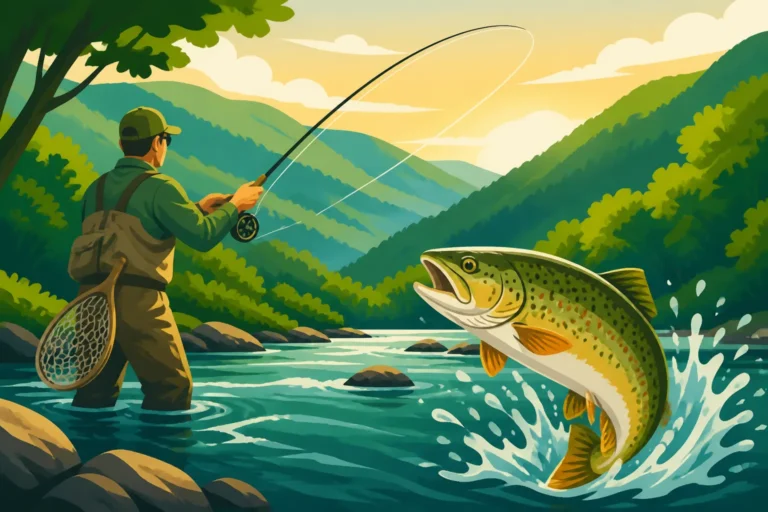
Fly Fishing Haven: This tailwater is a mecca for fly anglers. Nymphing with imitations of sowbugs, caddis larvae, and midges is highly effective. Concentrate on deep runs, current seams, and slow pools. Even on the coldest days, you can often find trout actively feeding. Dry fly opportunities are rare but can occur during brief midge hatches.
-
Spin Angler Success: Spin fishermen can also find success using small jigs, trout magnets, or tiny inline spinners. PowerBait and other scented dough baits can also be surprisingly effective, especially right after a stocking. Always check the West Virginia Trout Stocking Hotline and Schedule to know when fresh fish might be available. This river offers an incredible chance to catch beautiful, healthy trout even when snow blankets the surrounding hills.
Cheat Lake: A North-Central Gem
Nestled near Morgantown, Cheat Lake offers excellent multi-species opportunities throughout the year, and winter is no exception. This long, deep reservoir provides habitat for smallmouth bass, largemouth bass, walleye, crappie, and even northern pike. Its proximity to a major city makes it easily accessible for many anglers.
-
Bass and Walleye: While the bass bite will be slower, deep suspending jerkbaits or slow-rolled spinnerbaits can entice a strike from a cold-water largemouth or smallmouth. Walleye will behave similarly to other deep lakes, seeking out the lake's deeper channels and points. Consider using a guide from FishingBooker who is local to Cheat Lake to leverage their knowledge of winter patterns.
-
Panfish and Pike: Crappie often suspend in brush piles or around docks. Northern pike, being cold-water tolerant predators, can also be active. Focus on areas with submerged vegetation or rocky points, presenting larger minnows or slow-moving spoons and swimbaits. The diverse fishery of Cheat Lake means there's always something to target, even when the thermometer dips.
Here's a quick comparison of some prime winter fishing spots:
| Spot | Primary Species | Key Winter Tactics | Avg. Water Temp (Winter) | Special Notes |
|---|---|---|---|---|
| Stonewall Jackson Lake | Walleye, Muskie | Vertical jigging, slow retrieve | 40-45°F (deep) | Abundant standing timber, clear water. |
| Summersville Lake | Smallmouth, Walleye | Deep jigging, drop shot | 40-45°F (deep) | Largest lake, diverse structure. |
| Tygart Lake | Walleye, Crappie | Vertical jigging, deep trolling | 40-45°F (deep) | Known for good walleye. |
| Elk River Tailwater | Trout (Rainbow, Brown) | Nymphing, small jigs, streamers | 40-50°F (consistent) | Open water year-round, fly fishing popular. |
| Cheat Lake | Bass, Walleye, Pike | Deep structure, suspending baits | 38-42°F (surface to deep) | Urban access, diverse species. |
| Spruce Knob Lake | Trout, Panfish (Ice) | Ice jigs, live bait, tip-ups | 32-35°F (under ice) | High elevation, reliable ice when conditions allow. |
| Sutton Lake (upper) | Trout, Panfish (Ice) | Ice jigs, live bait | 32-35°F (under ice) | Upper section can freeze, good panfish. |
Essential Strategies for Winter Fishing Success
Beyond knowing where to go, understanding how to approach winter fishing is crucial. Fish behavior changes dramatically in cold water, and your techniques need to adapt accordingly.
Gearing Up for the Cold: Safety and Comfort First
The biggest hurdle for many winter anglers is simply the cold. Proper layering is not just about comfort; it's about safety. Start with a moisture-wicking base layer, add insulating middle layers (fleece, down), and top it off with a waterproof and windproof outer shell. Don't forget warm socks, insulated boots, a hat that covers your ears, and good gloves that allow for dexterity when tying knots or handling fish. Hand warmers are your best friend!
If you're fishing from a boat, consider a portable boat heater. It can make a huge difference in comfort levels. Always carry extra dry clothes, a first-aid kit, and communicate your plans to someone on shore. For those venturing onto the ice, safety items like ice picks, a spud bar to check ice thickness, and a rope are non-negotiable. Furthermore, understand West Virginia Boating Laws for Anglers as cold water conditions can create unique challenges for boaters.
Slow and Subtle Presentations
Fish metabolism slows significantly in cold water, meaning they don't have the energy to chase down fast-moving baits. Your presentations need to reflect this. Think slow, subtle, and methodical.
- Slower Retrieves: Whether you're jigging, trolling, or casting, reduce your retrieve speed drastically. Let baits sink deeper and pause longer. A twitch-twitch-pause can be far more effective than a steady retrieve.
- Smaller Baits: Often, smaller baits are more appealing to lethargic fish. Think 2-3 inch jigs, small spoons, or tiny soft plastics. These require less effort for the fish to ambush.
- Scent is King: In cold, clear water, fish rely heavily on their sense of smell. Tipping jigs with live bait (minnows, wax worms) or adding scent attractants to your artificial lures can make a huge difference.
Understanding Fish Behavior in Cold Water
Fish in winter are often concentrated, making them easier to find if you know where to look. They'll typically seek out:
- Thermal Refuges: Deeper water in lakes, tailwaters, or areas with springs providing slightly warmer water.
- Structured Cover: Submerged timber, rock piles, ledges, and bridge pilings offer protection from current and predators, and a place to ambush prey.
- Baitfish Schools: Predators will often follow and congregate around schools of baitfish, which also seek deeper, more stable water. Your electronics will be invaluable for locating both bait and predatory fish.
Patience is perhaps the most important virtue in winter fishing. Don't expect constant action. The bites will often be few and far between, but when they come, they can be from truly impressive fish. By understanding the challenges and adapting your approach, you'll unlock a rewarding and often overlooked season of angling in West Virginia. Just remember to always check the local regulations, especially concerning specific species like the West Virginia Trout Limit Per Day, and prepare thoroughly for the elements.
Disclaimer
Please note that fishing conditions, regulations, and fish populations can change. Always consult the latest West Virginia Division of Natural Resources (WVDNR) regulations guide before heading out. Exercise caution when on or near cold water, and prioritize safety above all else. This guide is for informational purposes only and does not guarantee fishing success.