Pipestem State Park Fishing
It's a common struggle for anglers and families alike: you want to plan a fishing trip that satisfies your passion for the outdoors, but also keeps everyone else happy and engaged. The thought of spending hours on the water while your family is bored at a bland motel can quickly deflate any fishing enthusiasm. This guide is here to tell you that in the heart of West Virginia, Pipestem State Park offers a fantastic solution, blending superb fishing opportunities with a full-blown resort experience for all ages.
Why Pipestem State Park is a Gem for Anglers
Pipestem State Park isn't just another body of water; it's a comprehensive destination. Located in the beautiful mountains of southern West Virginia, it presents a unique dual advantage: diverse fishing environments coupled with an array of amenities that cater to every member of your group. Forget compromising on your fishing trip; at Pipestem, you truly can have it all.
More Than Just Fishing: The Park Experience
Many state parks offer a lake and a campground, and while that's lovely, it often leaves non-fishing companions scrambling for activities. Pipestem blows that expectation out of the water. It boasts two lodges, cabins, campsites, an 18-hole championship golf course, an executive golf course, a zip-line, an aerial adventure park, a tramway offering incredible scenic views down to the Bluestone River, horseback riding, swimming pools, hiking trails, and even a nature center. Imagine spending your morning casting for smallmouth bass, then meeting up with your family for an afternoon hike, a dip in the pool, or even a round of disc golf. This blend of outdoor adventure and comfortable recreation means you don't have to choose between your hobby and family time, a frustration many anglers constantly face. It's a place where you can genuinely relax, knowing everyone's interests are covered, perhaps even booking a guided adventure through services like FishingBooker.
A Diverse Aquatic Ecosystem
What truly sets Pipestem apart for anglers is the sheer variety of its aquatic offerings. The park features its namesake Pipestem Lake, a serene impoundment that's perfect for a more laid-back fishing experience, whether you're casting from the shore or a small boat. But the excitement doesn't stop there. The park also provides direct, public access to a rugged, wild section of the Bluestone River, a truly untamed mountain fishery known for its feisty smallmouth bass and elusive muskie. This diverse combination means you can tailor your fishing adventure to your mood and skill level, switching from tranquil lake fishing to the thrill of a wild river within minutes. It busts the myth that all state park fishing is uniform and predictable; Pipestem offers contrasting, rich environments for a comprehensive angling adventure.
Understanding Pipestem Lake: Species and Strategies
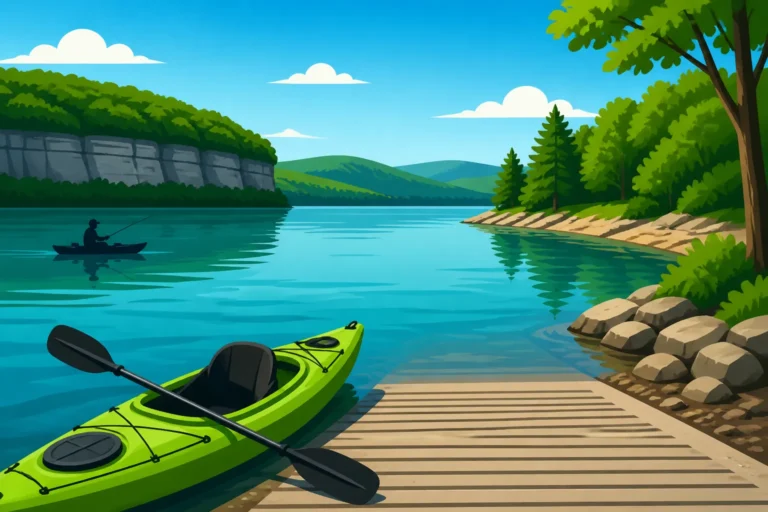
Pipestem Lake, a 16-acre impoundment nestled within the park, is often the first stop for many anglers visiting. It's a serene, beautiful spot that offers a rewarding experience, especially for those seeking a more accessible and family-friendly environment. Don't let its size fool you, though; this lake punches above its weight when it comes to fish populations.
Key Fish Species in Pipestem Lake
Anglers visiting Pipestem Lake can expect a healthy mix of popular species that provide consistent action. The lake is home to a good population of largemouth bass, which often hold near submerged structures, weed lines, and the lake's small coves. You'll also find plenty of bluegill and other sunfish, making it an excellent spot for kids or those looking for fast-paced action with lighter tackle. These panfish are abundant and always willing to bite, especially on small worms or crickets.
Beyond the panfish, crappie are also present, often congregating around fallen timber and brush piles. Look for them suspending in deeper water during warmer months or moving shallower during spring. Lastly, the West Virginia Division of Natural Resources (WVDNR) regularly stocks trout into Pipestem Lake, particularly in the cooler months of spring and fall, transforming it into a vibrant trout fishery for a significant portion of the year. This means you might find yourself catching rainbow trout right alongside bass and bluegill, offering a truly diverse creel. You can always check the latest West Virginia Trout Stocking Hotline and Schedule to plan your visit around stocking dates.
Effective Fishing Techniques for the Lake
To make the most of your time on Pipestem Lake, it's helpful to adapt your techniques to the target species and conditions. For largemouth bass, popular choices include plastic worms, spinnerbaits, and crankbaits fished around the lake's edges, submerged brush, and any visible structure. Topwater lures can be incredibly exciting during early morning or late evening hours in the warmer months. When targeting crappie, small jigs tipped with minnows or soft plastics are hard to beat. Focus on vertical jigging around cover or slowly trolling with a minnow under a bobber.
Bluegill and other panfish are usually the easiest to catch, making them ideal for beginners. A simple bobber rig with a small hook baited with a piece of nightcrawler, a cricket, or even a kernel of corn will often yield immediate results. Casting near docks, lily pads, or overhanging trees is usually productive. For the regularly stocked trout, PowerBait, corn, or small spinners like Mepps or Panther Martins are highly effective. During the colder seasons, trout will be more active and spread throughout the lake, often cruising closer to the surface. It's worth noting that while fishing from a boat is permitted, larger motorized boats are usually restricted, making it a perfect spot for kayaks, canoes, or small electric motor boats. If you're wondering about the specific requirements, our West Virginia Boating Laws for Anglers guide can provide clarity.
| Species | Best Techniques (Lake) | Recommended Bait/Lures | Best Time of Year |
|---|---|---|---|
| Largemouth Bass | Casting to cover, pitching jigs, topwater | Plastic worms, spinnerbaits, crankbaits, frogs | Spring, Summer, Fall |
| Crappie | Vertical jigging, slow trolling, bobber fishing | Small jigs (1/32-1/16 oz), live minnows | Spring, Fall, Early Winter |
| Bluegill/Sunfish | Bobber fishing, ultralight spinning | Worms, crickets, small poppers, tiny jigs | All year |
| Stocked Trout | PowerBait on bottom, small spinners, fly fishing (streamers) | PowerBait, corn, small inline spinners, Velveeta | Spring, Fall, Winter |
Exploring Bluestone River Access: A Different Challenge
While the lake offers a calm, welcoming experience, the Bluestone River provides an entirely different, more rugged adventure for those seeking wilder waters and hard-fighting fish. The river meanders through a deep gorge, accessible by the park's famous tramway, offering stunning scenery that complements the thrilling fishing.
The Bluestone River: Wild Water Fishing
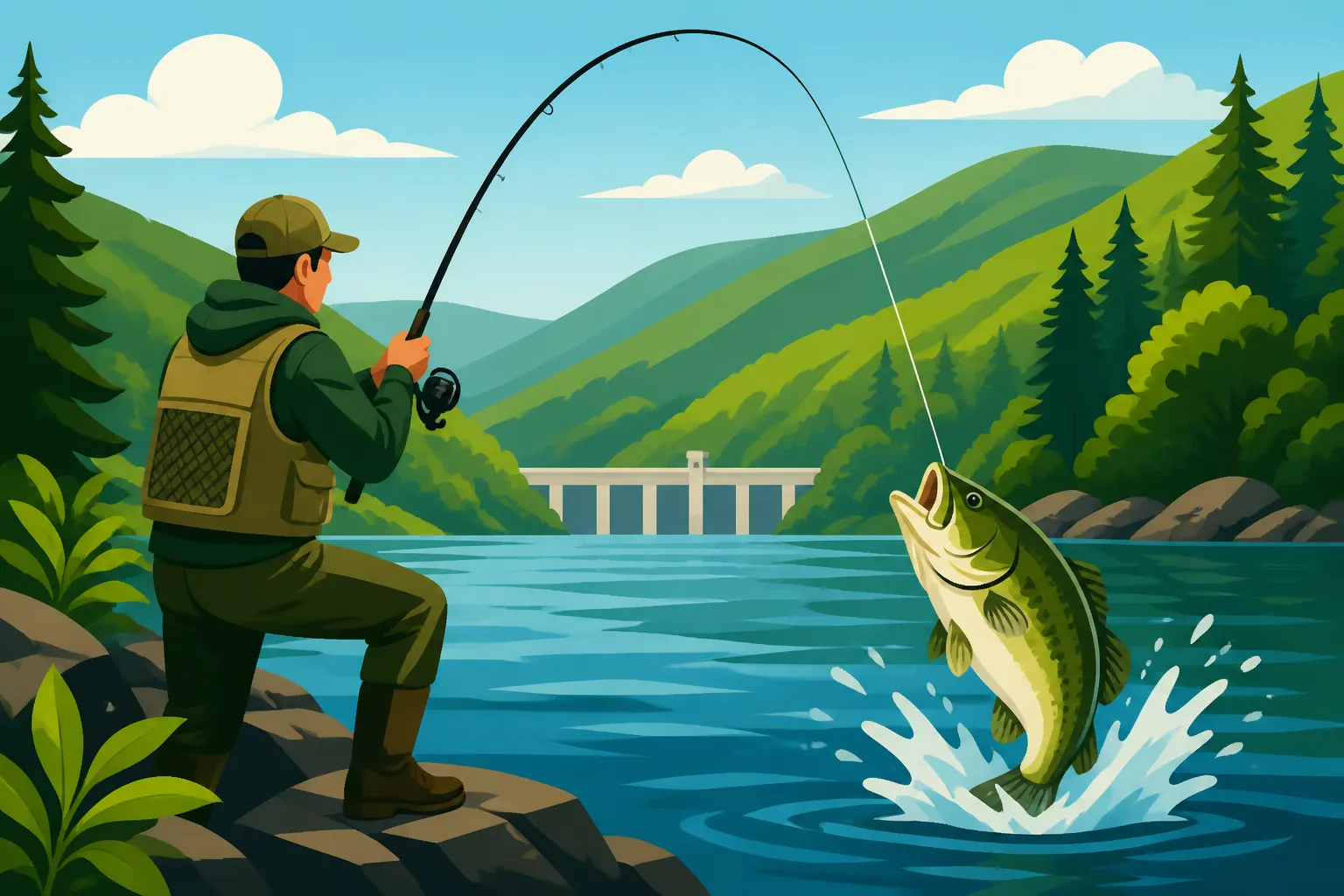
The Bluestone River, below the dam at Pipestem, is a truly wild and scenic waterway. Unlike the lake, this section of the river is characterized by its flowing currents, diverse rock formations, rapids, pools, and riffles. It's a quintessential mountain river environment that demands a different approach and rewards anglers with a more authentic wilderness experience. The main draw here is the incredible smallmouth bass fishery. These bronze beauties thrive in the oxygen-rich, rocky currents and are known for their aggressive strikes and acrobatic fights. If you've ever dreamt of tackling a strong river smallmouth, this is your chance.
Beyond smallmouth, the Bluestone River is also known to hold healthy populations of muskie, though they are famously elusive. Catching a muskie here is a true trophy achievement, requiring patience, specialized gear, and a bit of luck. Other species you might encounter include rock bass, various sunfish, and even some catfish in the slower, deeper pools. The challenge of navigating the river, reading the currents, and targeting these wild fish makes for an unforgettable outing. It's an environment that makes you feel miles away from civilization, even though you're just a tram ride from resort amenities.
River Fishing Strategies and Gear Considerations
Fishing the Bluestone River effectively requires a shift in tactics from lake fishing. For smallmouth bass, focus on casting lures that imitate crawfish or baitfish, such as crankbaits, spinnerbaits, tubes, and soft plastic grubs. Work these lures around eddies, current breaks, submerged boulders, and undercut banks. Wading is a popular and effective way to access many prime spots, but always prioritize safety, especially with fluctuating water levels. If you're considering a more mobile approach, launching a small boat or a Best Kayak for the New River (which shares similar characteristics) is an excellent way to cover more water.
For muskie, you'll need heavier tackle – stout rods, strong reels, and larger lures like big spinnerbaits, glide baits, or soft plastic swimbaits. Persistence is key, as these fish are often few and far between, but when they hit, it's an unforgettable experience. A wire leader is absolutely essential to prevent bite-offs. It's also wise to consider hiring a local guide if you're serious about targeting muskie; they often have an intimate knowledge of the river's hotspots and the fish's habits. When wading, wear appropriate Best Waders for West Virginia Trout Streams and sturdy wading boots for grip on slippery rocks, and consider a wading staff for added stability. Always be aware of current strength and water depth.
Planning Your Pipestem Fishing Trip
A successful fishing trip, especially to a destination with diverse options like Pipestem State Park, requires a bit of foresight. Knowing the regulations and understanding seasonal patterns can greatly enhance your experience.
Essential Licenses and Regulations
Before you even make your first cast, you absolutely need to ensure you have the correct West Virginia fishing license. This isn't just a recommendation; it's a legal requirement, and fines for fishing without a license can be steep. You'll need a standard fishing license, and if you plan on targeting trout, a Trout Stamps and Trout Fishing Rules in West Virginia is also mandatory, regardless of whether you intend to keep them or practice catch and release. Non-residents have different license options, including annual or short-term permits.
It's highly advisable to review the West Virginia Fishing Regulations Explained summary, which is available on the WVDNR website. This document details species-specific regulations, such as West Virginia Walleye Daily and Possession Limits or West Virginia Black Bass Limits and the New River Slot Limit, as well as any special regulations that might apply to Pipestem Lake or the Bluestone River specifically. For instance, some waters have catch-and-release-only zones, or specific length limits for certain species. Always carry your license with you, either physically or digitally on your phone, as park rangers and wildlife officers do conduct checks.
Best Times to Visit and Seasonal Tips
Understanding the seasonal variations in West Virginia can significantly impact your fishing success at Pipestem.
- Spring (March – May): This is arguably one of the best times to fish at Pipestem. The WVDNR conducts heavy trout stockings in Pipestem Lake throughout the spring, offering excellent opportunities for cold-water species. The smallmouth bass in the Bluestone River also become very active as water temperatures rise, entering their pre-spawn and spawning phases, making them aggressive and hungry. Best Techniques for Early Spring Trout involve using PowerBait or small spinners.
- Summer (June – August): As temperatures climb, lake fishing for largemouth bass, bluegill, and crappie remains strong, particularly during cooler mornings and evenings. The Bluestone River smallmouth bass are active all summer, but you might need to target them in deeper pools or during low-light conditions. Muskie fishing can also be productive, but the river can experience lower water levels, requiring careful wading or smaller watercraft.
- Fall (September – November): Autumn brings cooler temperatures and vibrant foliage, making for incredibly scenic fishing. Lake trout stockings often resume, and the largemouth and smallmouth bass in both the lake and river become very active as they feed heavily before winter. This is also a prime time for Best Techniques for Fall Muskie Fishing, as these apex predators are often on the prowl.
- Winter (December – February): Fishing becomes more challenging but can still be rewarding for dedicated anglers. Pipestem Lake may offer limited Ice Fishing in West Virginia opportunities if the ice is thick enough, primarily for panfish. River fishing for smallmouth and muskie can be slow, but trophy-sized fish are often caught by those willing to brave the cold, typically using slower presentations and deeper techniques.
It's always a good idea to check local weather forecasts and river flow conditions before your trip, especially if you plan to fish the Bluestone River, as heavy rains can cause rapid rises and muddy water.
Amenities and Beyond Fishing Fun at Pipestem
One of the greatest advantages of choosing Pipestem State Park is the comprehensive experience it provides. It's not just a fishing spot; it's a full-service destination designed for enjoyment, making it easy to convince the non-anglers in your life to join you.
Lodging, Camping, and Dining Options
Pipestem State Park offers a wide range of accommodations to fit every preference and budget. You can stay in the cozy McKeever Lodge at the park's rim, which boasts incredible views, comfortable rooms, and a full-service restaurant. For those seeking more space and privacy, the park also has fully equipped cabins that offer a rustic yet comfortable retreat. If you prefer a more immersive outdoor experience, several campgrounds are available, accommodating tents and RVs, often with electric hookups and bathhouses nearby. These options make it easy to tailor your stay, whether it's a luxurious escape or a back-to-nature adventure.
When hunger strikes, you won't need to leave the park. McKeever Lodge houses a fantastic restaurant that serves up delicious meals, from hearty breakfasts to satisfying dinners. There are also snack bars and casual dining options, especially during the peak season. This convenience means less time driving around looking for food and more time enjoying the park's activities, or simply relaxing after a long day on the water. Many visitors even leverage platforms like FishingBooker to not only find guides but also sometimes combine lodging and guide services for a seamless trip.
Activities for the Whole Family
While you're enjoying the Best Bass Fishing Spots in West Virginia or stalking muskie in the river, your family will be anything but bored. Pipestem truly shines with its non-fishing recreational offerings. The most iconic attraction is the Pipestem Canyon Rim Tramway, which descends over 1,000 feet into the Bluestone River Gorge, offering breathtaking panoramic views that are a must-see. At the bottom, you can access the Bluestone River, hike, or even stay at the Mountain Creek Lodge (open seasonally).
For the adventurous, there's the Pipestem Peaks Zipline Tour and an aerial adventure park with ropes courses and climbing challenges. Golf enthusiasts will appreciate the championship 18-hole course and the more casual executive course. The park also features indoor and outdoor swimming pools, a nature center with educational programs, mini-golf, disc golf, tennis courts, and miles of hiking and biking trails suitable for all skill levels. Kids can enjoy playgrounds and supervised activities, ensuring there's never a dull moment. This incredible array of choices ensures that everyone, from the most avid angler to the youngest family member, has an unforgettable West Virginia getaway. For more ideas on how to make your trip truly special, checking out a West Virginia State Park Fishing Guide can highlight other similar destinations.
Disclaimer
Please note that fishing regulations, park amenities, and services can change. It is always recommended to check the official West Virginia Division of Natural Resources (WVDNR) website and the Pipestem State Park website for the most current information before planning your trip. This guide is for informational purposes only and does not constitute legal advice regarding fishing regulations.