Best ice fishing lakes in West Virginia
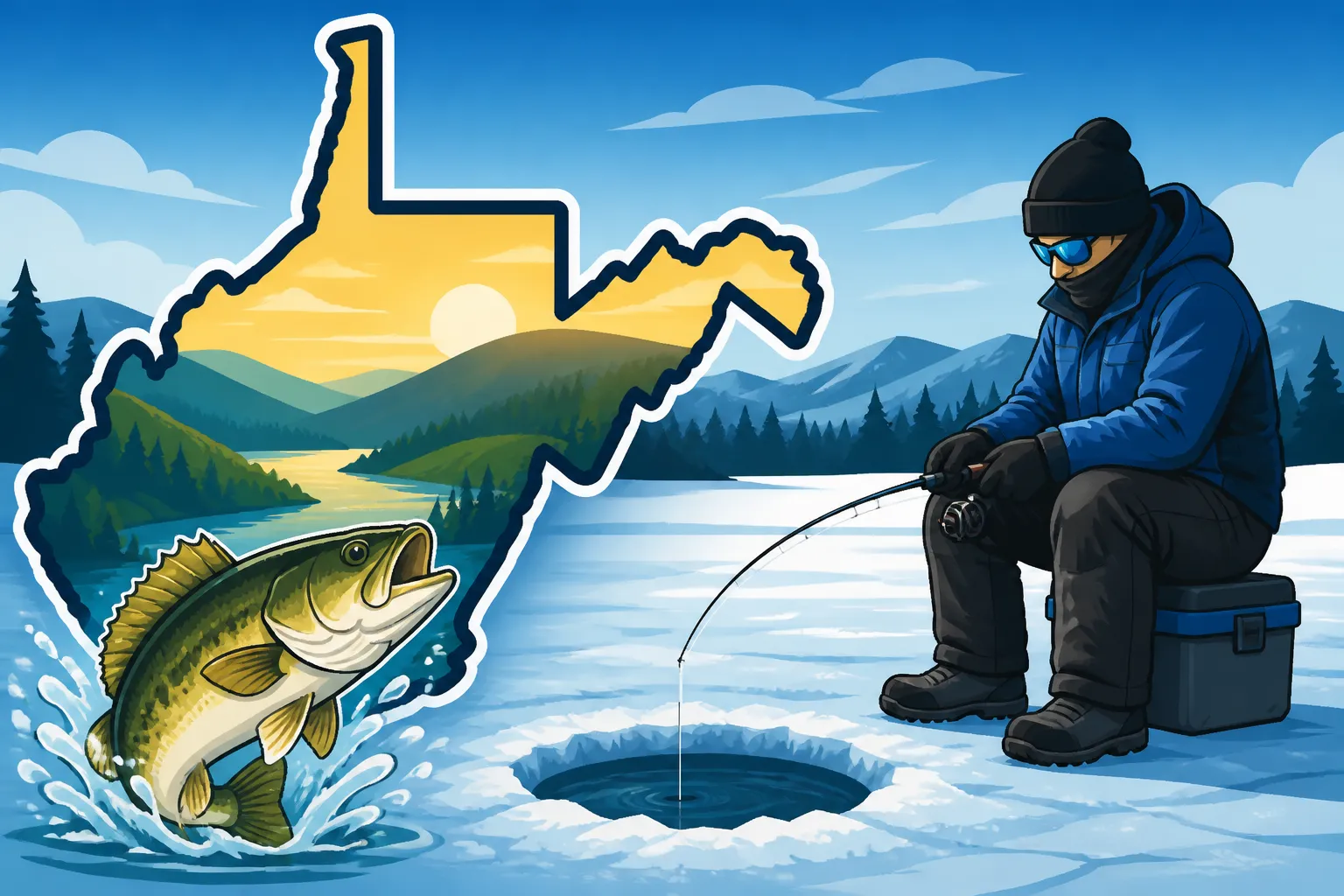
Trying to find reliable spots for ice fishing in West Virginia can feel like a guessing game, especially with our notoriously unpredictable winter weather. One day it's freezing, the next it's a warm snap, making consistent ice formation a real challenge. This guide is here to cut through the uncertainty, offering you a deep dive into the most promising lakes for safe and productive ice fishing in the Mountain State, along with crucial tips for a successful trip.
The Unique Challenges and Joys of West Virginia Ice Fishing
West Virginia might not be the first state that comes to mind when you think of hardwater fishing, and there’s a good reason for that. Our winters, while beautiful, are often a roller coaster of temperatures. Yet, for those willing to embrace the variability, the rewards of ice fishing here are truly special.
Understanding West Virginia's Unpredictable Winters
Unlike states further north with consistent, deep freezes, West Virginia experiences a winter climate that can swing wildly. One week you might be enjoying single-digit temperatures and perfect ice, and the next, a warm front pushes through, turning your solid fishing grounds into slush or, worse, open water. This makes checking ice conditions constantly not just a recommendation, but an absolute necessity. Local anglers know that flexibility is key; a spot that was good on Monday might be unsafe by Thursday. This variability means that even in the coldest months, widespread ice fishing opportunities can be limited to higher elevations or smaller, shallower impoundments that freeze faster and hold ice longer. You really have to stay on top of the weather patterns and heed any warnings. It's not a set-it-and-forget-it kind of season, which can be a frustration for many who just want to enjoy a peaceful day on the hard water.
The Allure of Winter Angling in the Mountain State
Despite the challenges, the allure of ice fishing in West Virginia is undeniable. For starters, many popular fishing spots that are bustling with boats in the warmer months become serene, quiet havens once the ice sets. You'll often find yourself with vast stretches of frozen lake almost entirely to yourself, offering a profound sense of peace and solitude. Furthermore, fish behavior changes dramatically under the ice, often concentrating in certain areas and becoming more predictable once you locate them. This can lead to surprisingly productive days, especially for panfish like bluegill and crappie, and even some trout species. It’s a chance to experience fishing in a completely different way, testing your skills against a colder, often slower, bite. Plus, there’s nothing quite like the feeling of pulling a vibrant trout or a chunky crappie through a hole in the ice on a crisp winter day, surrounded by snow-covered Appalachian beauty.
Top Lakes for Consistent Ice Fishing Opportunities
While no lake in West Virginia can guarantee perfect ice every single winter, certain bodies of water offer more consistent opportunities due to their elevation, size, or depth. These are the spots where local anglers often head first when the temperatures drop.
Spruce Knob Lake: A High-Elevation Gem
Nestled high in the Monongahela National Forest, Spruce Knob Lake is often the first lake to freeze solid and one of the last to thaw out. Sitting at an impressive elevation of 3,840 feet, this 25-acre impoundment benefits significantly from colder average temperatures, making it a prime candidate for ice fishing. It's a true high-mountain retreat, meaning access might be a bit more challenging in heavy snow, but the reward is often worth it.
Anglers primarily target stocked trout here, with rainbow, brown, and brook trout making up the majority of the catch. Panfish like bluegill and yellow perch are also present and can offer consistent action, especially for beginners. The lake's relatively small size means fish are easier to locate, and its depth variations provide interesting structure. If you're looking for that pristine, quiet experience surrounded by winter wilderness, Spruce Knob Lake should be high on your list. Remember to check road conditions before heading out, as the higher elevations can mean snow-covered or icy roads for longer periods.
Trout Pond: West Virginia's Oldest Impoundment
Known as West Virginia's oldest impoundment, Trout Pond in Hardy County is another reliable choice for ice fishing, particularly for those targeting trout. This 16-acre lake is regularly stocked by the West Virginia Division of Natural Resources (WVDNR) with rainbow and golden rainbow trout, ensuring good opportunities for a catch. Its smaller size and generally shallower depths compared to larger reservoirs help it freeze more consistently.
Trout Pond is a popular destination for families, offering easy access and a picturesque setting. Beyond trout, you can also find a healthy population of panfish, making it a great spot for targeting a variety of species. Because it's a well-known spot, don't expect complete solitude, but the friendly atmosphere among fellow ice anglers is often part of the charm. It's a fantastic spot for teaching kids the ropes of ice fishing, as the action can be steady, keeping their interest piqued. For the most up-to-date stocking information, you can always check the West Virginia Trout Stocking Hotline and Schedule.
Stonecoal Lake: Northern Panhandle's Cold Water Haven
Further north, Stonecoal Lake in Lewis County provides another excellent option for ice anglers, especially those seeking a more diverse catch beyond just trout. This 550-acre lake is known for its healthy populations of largemouth bass, walleye, channel catfish, and various panfish, alongside its regular trout stockings. While larger than Spruce Knob or Trout Pond, its location often experiences sufficient cold snaps to form fishable ice, though anglers should always exercise caution on larger bodies of water.
The deeper waters of Stonecoal Lake can present a challenge, requiring anglers to use fish finders to locate structure and schools of fish. However, the reward can be significant, with opportunities for larger walleye and bass, which are less commonly targeted through the ice in other parts of the state. Early ice and late ice periods are often the most productive, but safety is paramount. The unpredictability of ice formation on a lake this size means constant vigilance is needed. Many local outfitters or experienced guides, which you might find listed on a platform like FishingBooker, could offer invaluable insights into current ice conditions and hot spots on Stonecoal Lake.
Sherwood Lake: A Monongahela National Forest Favorite
Located near Neola in the Monongahela National Forest, Sherwood Lake is a beautiful 165-acre impoundment that offers good ice fishing prospects, particularly for trout and panfish. Similar to Spruce Knob, its higher elevation contributes to more consistent ice formation, though it's not as high as Spruce Knob itself. Sherwood Lake is known for its clear waters and scenic surroundings, making for a truly enjoyable winter day out.
The lake is regularly stocked with trout, and anglers often find success with small jigs tipped with bait or tiny spoons. Bluegill and crappie are also present and can provide plenty of action. Access is generally good, and there are often amenities nearby for those looking to make a day of it. While not as remote as some high-mountain lakes, it still offers that serene, forest fishing experience. Always be sure to respect the natural beauty of the area and pack out anything you pack in.
Here’s a quick overview of these prime ice fishing destinations:
| Lake Name | County | Primary Species Targeted | Size (Acres) | Typical Ice Conditions | Notes |
|---|---|---|---|---|---|
| Spruce Knob Lake | Randolph/Pendleton | Trout, Panfish | 25 | Most consistent, earliest freeze | Highest elevation, remote feel |
| Trout Pond | Hardy | Trout, Panfish | 16 | Consistent, often family-friendly | West Virginia's oldest impoundment |
| Stonecoal Lake | Lewis | Trout, Walleye, Bass, Panfish | 550 | Good, but monitor due to size | Diverse species, deeper water |
| Sherwood Lake | Greenbrier | Trout, Panfish | 165 | Good, scenic forest setting | Clear waters, regular trout stockings |
Essential Gear and Critical Safety Measures for Ice Anglers
Ice fishing, while incredibly rewarding, demands a different set of gear and, most importantly, a stringent commitment to safety. Neglecting either can quickly turn a fun day into a dangerous situation, especially in West Virginia's variable conditions.
Gearing Up for Success on the Ice
Having the right equipment is crucial for both comfort and success. At the very least, you'll need an ice auger, either manual or powered, to drill your holes. A skimmer is essential for clearing ice chips from your hole. For fishing, specialized ice fishing rods and reels are designed for the unique challenges of fishing in tight spaces and cold temperatures. These are often shorter and more sensitive, perfect for detecting subtle bites under the ice. You'll also want a comfortable, insulated seat or bucket, and perhaps a portable shelter to shield you from the wind and cold.
Beyond the basics, appropriate clothing cannot be overstated. Layers are your best friend, allowing you to adapt to changing temperatures. Think waterproof and windproof outer layers, insulated boots, warm gloves, and a hat that covers your ears. For a more comprehensive look at what to bring, you might want to check out our detailed guide on the Best Ice Fishing Gear for West Virginia. Don't forget a small sled or wagon to haul your gear, as some access points might involve a bit of a trek across the ice.
Prioritizing Safety: Measuring Ice and Staying Prepared
Safety is not just a suggestion when it comes to ice fishing; it is a non-negotiable rule. The most critical aspect is knowing How thick ice needs to be to fish safely in West Virginia. A general rule of thumb is at least 4 inches of clear, solid ice for individual foot travel, 5-7 inches for snowmobiles or ATVs, and 8-12 inches for small cars. However, these are just guidelines, and ice thickness can vary dramatically even on the same body of water, and within just a few feet. Always use a spud bar or an ice auger to check ice thickness as you venture out. Drill a hole every 10-15 feet to confirm consistent depth.
Never venture out alone, and always tell someone where you're going and when you expect to return. Carry ice picks around your neck, so they are readily accessible if you were to fall through. A throw rope is also a valuable safety item to have. Be wary of areas with current, pressure ridges, open water near inlets/outlets, or areas near docks and submerged structures, as ice in these spots is often weaker. Early and late in the season, when temperatures are fluctuating, are particularly dangerous times. It’s always better to err on the side of caution. For more details on safe practices, you can consult resources from the WVDNR or local experts.
Navigating Regulations and Maximizing Your Catch
Understanding the specific rules and employing effective tactics are key to a successful and legal ice fishing adventure in West Virginia. The state has specific regulations that apply to all fishing, including through the ice.
Key West Virginia Ice Fishing Regulations
Just like any other form of angling, ice fishing in West Virginia requires a valid fishing license. Make sure you have your West Virginia Fishing License Guide for 2026 handy, and always carry proof of your license while on the ice. In addition to a general fishing license, if you plan to target trout in stocked waters, you'll likely need a current trout stamp, regardless of whether you intend to keep them or practice catch and release.
Beyond licensing, be aware of specific bag and possession limits for the species you're targeting. For instance, there are strict West Virginia Panfish Limit for Bluegill and Crappie rules, and different West Virginia Trout Limit Per Day regulations depending on the water. Some bodies of water may also have special regulations that apply year-round or seasonally, so it's always wise to consult the official West Virginia Fishing Regulations Explained summary before heading out. Generally, anglers are limited to two lines while ice fishing, and all lines must be under the immediate control of the angler. It's your responsibility to know the rules to ensure you have an enjoyable and penalty-free experience.
Tactics for a Productive Ice Fishing Trip
Once you've ensured safety and compliance, it's time to focus on catching fish! Ice fishing can be incredibly rewarding because fish often concentrate in specific areas, making them easier to target once found. A common and effective tactic is "hole hopping" – drilling multiple holes in different depths and areas until you locate active fish. This is where a good Best Ice Auger for West Virginia Lakes can really make a difference, allowing you to quickly move and explore.
For panfish like bluegill and crappie, small jigs tipped with wax worms, minnows, or scented plastics are incredibly effective. Work them slowly, jigging subtly, and pay close attention to any light taps on your line. For trout, power bait, corn, or small spoons jigged near the bottom or suspended under a bobber often yield results. Many anglers also use portable fish finders, which can be invaluable for locating fish, identifying structure, and monitoring your bait's depth. Remember that during colder temperatures, fish metabolism slows down, so their bites can be very light. Don't be afraid to try different baits, depths, and jigging actions until you find what the fish are responding to. If you're focusing on panfish, our guide to Best Ice Fishing Panfish has even more specific tips and bait suggestions.
Disclaimer
Please remember that ice conditions can change rapidly and are never 100% safe. This guide provides general information and recommendations. Always exercise extreme caution, check local ice conditions before venturing out, and prioritize your safety above all else. Neither the author nor the publisher assumes any liability for accidents or injuries sustained while ice fishing. Always fish with a buddy and inform others of your plans.