Crappie Fishing in West Virginia
There's nothing quite like the thrill of chasing crappie in West Virginia, but let's be honest, sometimes it feels like they've vanished into thin air! You scout your favorite cove, drop your jig, and… nothing. It can be incredibly frustrating to know these delicious panfish are out there but not know how to consistently entice them. Whether you're a seasoned angler looking to fine-tune your approach or a newcomer eager to land your first slab, this comprehensive guide is here to unravel the mysteries of crappie fishing in the Mountain State. We’ll dive deep into their habits, the best spots, proven techniques, and essential gear to help you fill your livewell and enjoy the fantastic crappie fishing West Virginia has to offer.
Understanding West Virginia's Crappie Species
Before you can consistently catch crappie, it really helps to know your target. West Virginia is home to two main species of crappie: the black crappie and the white crappie. While they share many similarities and are often caught in the same areas, subtle differences in their appearance, preferred habitats, and behavior can make a big difference in how you approach them. Knowing these distinctions can help you become a more effective and adaptable angler.
Black Crappie vs. White Crappie: Key Differences
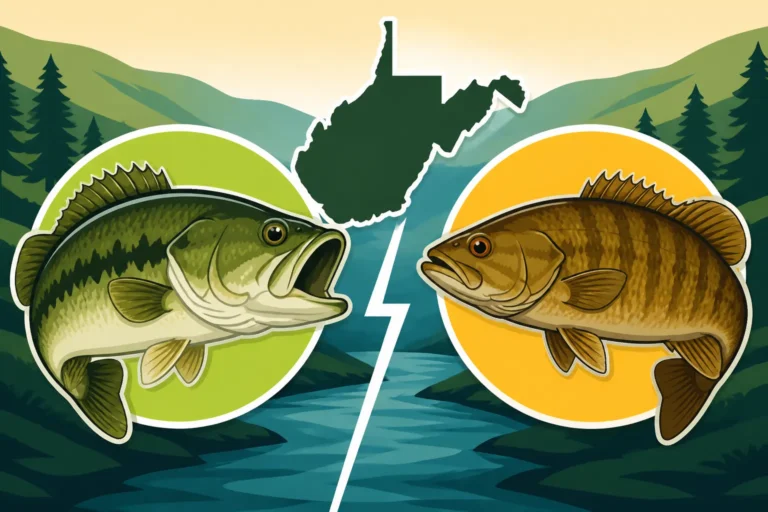
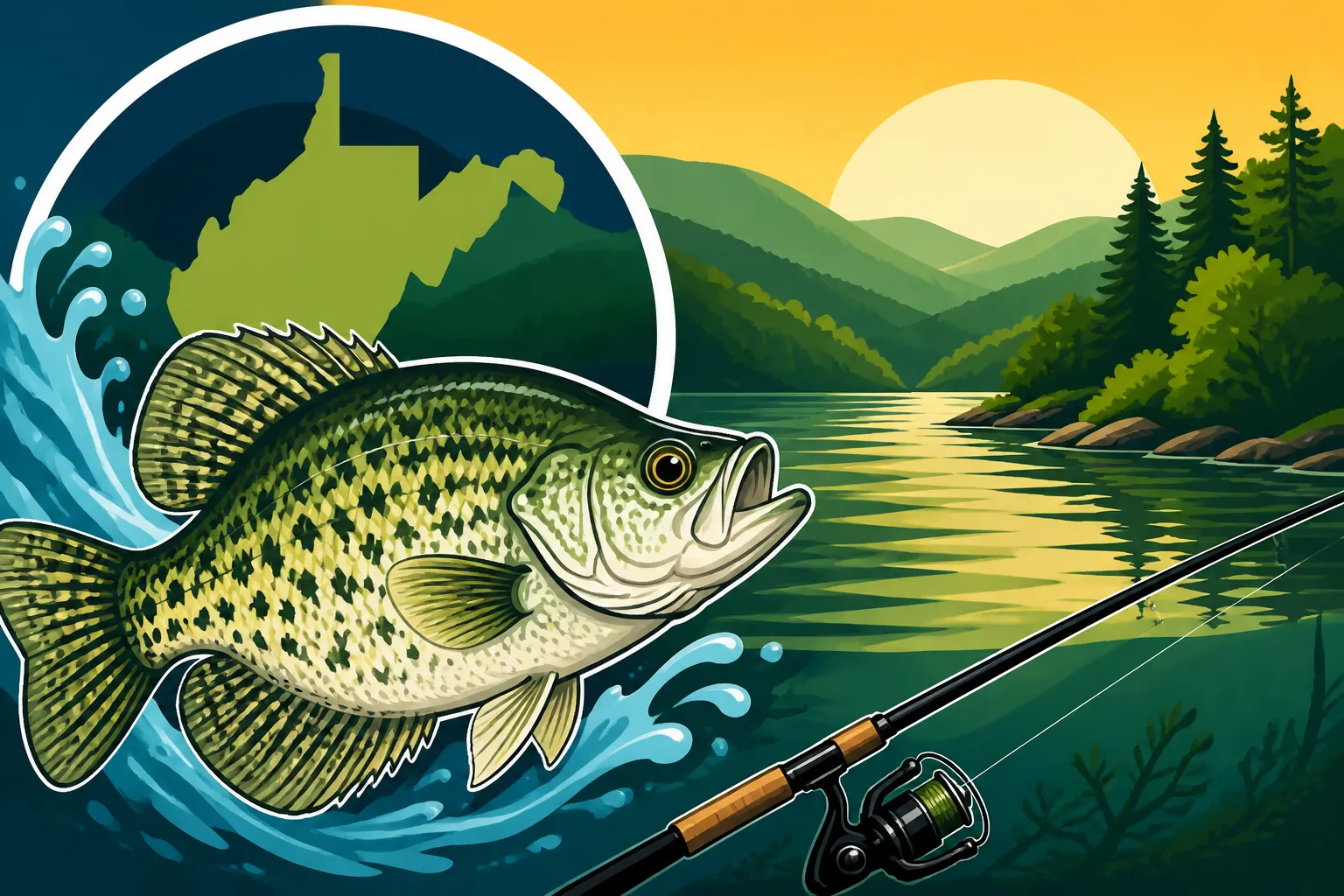
At first glance, black crappie and white crappie might look pretty similar, and it's easy to mistake one for the other, especially when they're fresh out of the water and flopping around. However, there are a few tell-tale signs that once you learn them, will help you identify which species you’ve landed. The most noticeable difference is often their coloration and markings. Black crappie tend to have irregular, speckled black blotches all over their silvery sides, making them look somewhat dappled or mottled. White crappie, on the other hand, usually display more organized vertical bars or stripes along their sides, which can sometimes be quite faint depending on the water clarity and their environment.
Beyond the visible markings, another key identifier is found on their dorsal fin. If you carefully count the spines on the dorsal fin, a black crappie will typically have seven or eight dorsal fin spines, while a white crappie almost always has six. It’s a subtle difference, but a consistent one that anglers often use. When it comes to their preferred hangouts, black crappie often lean towards clearer water with more submerged vegetation, brush piles, and rock formations – places where they can blend in with their irregular patterns. White crappie, conversely, are a bit more tolerant of murkier, more turbid waters and are frequently found around open water structures like stumps, logs, and bridge pilings. Understanding these preferences can give you a clue as to which species you might encounter in a particular body of water.
Size-wise, both species can grow quite large in West Virginia, often reaching impressive "slab" sizes that make for excellent table fare. However, generally speaking, black crappie often have a slightly deeper, more rounded body profile compared to the more elongated shape of the white crappie. While both are fantastic sportfish, sometimes knowing which one you're targeting can help you adjust your presentation. If you're fishing a super clear lake with lots of weeds, you might unconsciously be employing tactics that naturally favor black crappie. If you find yourself in a muddy river backwater, you’re likely pursuing white crappie and might need to adjust your bait colors or presentation speed accordingly.
Crappie Life Cycle and Habits in Mountain State Waters
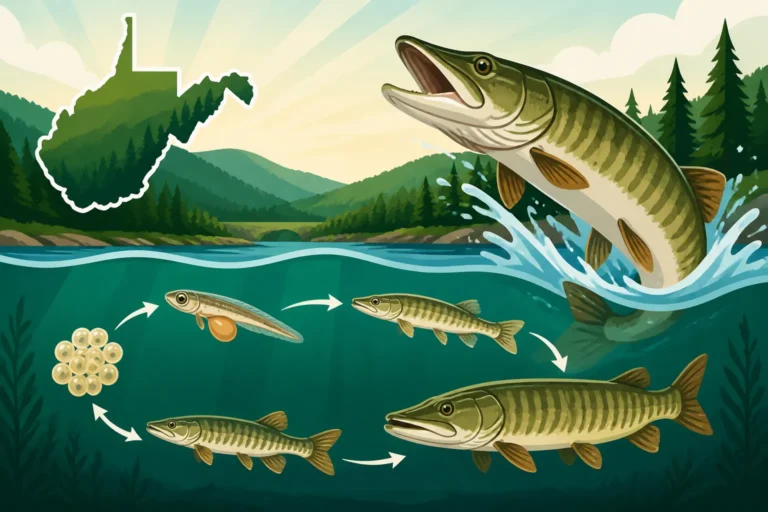
Crappie in West Virginia, like most fish, follow a distinct life cycle influenced heavily by the changing seasons and water temperatures. Understanding these patterns is crucial for predicting their behavior and, ultimately, for locating them throughout the year. As spring approaches and the water begins to warm into the high 50s and low 60s Fahrenheit, crappie undertake their annual spawning ritual. This is often when they become most accessible to anglers, as they move from deeper wintering holes into shallower, warmer waters to reproduce.
During the pre-spawn and spawning phases, crappie will typically seek out areas with submerged cover, such as brush piles, stumps, lily pads, or even flooded timber. The males prepare nests, often in relatively shallow water ranging from a few feet to ten feet deep, where females will lay their adhesive eggs. After spawning, the males guard the nests until the eggs hatch. This period is a prime time for anglers, as the fish are concentrated and actively feeding, often aggressively, to regain energy after the spawn. You'll find them holding tight to cover, making them ideal targets for vertical jigging or slow trolling presentations. You can often find a good number of them by targeting locations you might consider Best Shore Fishing Spots in West Virginia in your local lakes.
Once the spawn is complete and summer truly sets in, crappie generally transition back to deeper water, often suspending over structure or congregating around thermal breaks. They'll follow baitfish schools, which also move to deeper, cooler water. This is when your electronics really become your best friend, helping you pinpoint those suspended schools or find crappie tucked into submerged channels, humps, or standing timber. In the fall, as water temperatures begin to drop again, crappie will often go through another aggressive feeding period, bulking up for winter. They'll follow baitfish into coves and along creek channels, making them active targets once more. Winter sees them retreating to deeper, stable water, often suspended in large schools over major creek channels or near deep structure. Even then, they can be caught with slow, vertical presentations if you can locate them. Knowing these seasonal movements is key to consistent success.
Where to Find Crappie in West Virginia's Diverse Waters
West Virginia boasts an incredible variety of fishing environments, from sprawling reservoirs to winding rivers. Pinpointing crappie in such diverse landscapes can feel like searching for a needle in a haystack, but with a bit of local knowledge and understanding of their preferred habitats, you can significantly increase your chances of success. Crappie are structure-oriented fish, meaning they love to relate to something in the water – whether it's a natural brush pile, a man-made fish attractor, or a submerged tree.
Top Lakes and Reservoirs for Crappie
When most anglers think about crappie fishing in West Virginia, their minds often drift to the many fantastic lakes and reservoirs scattered across the state. These larger bodies of water provide extensive habitat and often hold healthy populations of both black and white crappie. One prime example is Burnsville Lake, known for its excellent crappie fishing, especially around submerged timber and the old creek channels that wind through the reservoir. Anglers often find success by targeting these features with jigs or live minnows, particularly in the spring when crappie move shallow, or in the summer when they suspend over the deeper channels. Locals will often tell you about the Burnsville Lake Crappie Fishing Spots that consistently produce.
Stonewall Jackson Lake is another crappie hotspot, famous not just for its trophy bass but also for its abundant crappie. This lake is rich with standing timber, brush piles, and artificial fish attractors, which are magnets for crappie. Using your electronics to locate these submerged structures is paramount here. You'll often find crappie schools stacked up within the branches of submerged trees or holding tight to cover along old roadbeds. Stonewall Jackson Lake Fishing can be phenomenal, but it requires patience and precision to navigate the dense timber. Summersville Lake, while known for its clear, deep waters and smallmouth bass, also offers good crappie fishing, particularly around the many rock ledges, bluff walls, and isolated brush piles. The clearer water here often means black crappie are more prevalent and require a more subtle approach with lighter lines and natural bait presentations.
Other notable lakes include Cheat Lake, Tygart Lake, and Bluestone Lake. Each of these reservoirs has its unique characteristics, but the common theme is crappie's reliance on cover and structure. Look for areas where old timber was left standing, where creek channels intersect with humps, or where artificial structures have been deployed. Many of these locations are detailed in guides like Best Fishing Lakes in West Virginia. In these environments, finding submerged cover is often the first step to finding crappie, and then it's a matter of presenting your bait effectively.
River and Backwater Crappie Hotspots
While lakes and reservoirs get a lot of attention, West Virginia's rivers and their backwaters can be incredibly productive for crappie, especially for white crappie which tend to tolerate more current and turbidity. The Ohio River, with its numerous embayments, backwater sloughs, and protected creek mouths, is a fantastic crappie fishery. These areas often have slower currents, plenty of submerged logs, stumps, and vegetation that provide ideal crappie habitat. Anglers can target the edges of current seams, eddies, and protected pockets where crappie can ambush baitfish without fighting strong currents. Guides like the Ohio River Fishing Guide for West Virginia Anglers often highlight specific backwater areas that hold excellent populations.
The Kanawha River, another major waterway in West Virginia, also offers crappie opportunities, particularly in its quieter stretches and tributaries. Look for areas with slower flow, especially where smaller creeks empty into the main river, creating slack water and depositing sediment that can form submerged features. These spots can concentrate baitfish and, in turn, crappie. Smaller tributaries that feed into major rivers, especially those with some woody debris, can also hold surprising numbers of crappie, particularly during periods of higher water when fish move into these areas for protection and feeding.
Fishing river crappie often requires a slightly different approach than lake crappie. Current is a factor, so understanding how fish position themselves to conserve energy is key. They'll hug structure on the downstream side, or sit in eddies where the current is minimal. Live minnows, fished under a bobber or slowly drifted, are often highly effective in these riverine environments. Jigs, especially those with a subtle action, can also be worked effectively along current breaks. The key is to think about where a crappie would comfortably sit and wait for food without expending too much energy.
Mastering Crappie Fishing Techniques for West Virginia
Catching crappie isn't just about finding them; it's about presenting your bait in a way that they can't resist. Crappie can be finicky, and often, a slight adjustment in your technique can make all the difference between a slow day and a banner catch. West Virginia’s varied waters demand a versatile approach, and understanding a few core techniques will vastly improve your success rate.
Jigging and Vertical Fishing Strategies
One of the most popular and effective ways to catch crappie, especially when they are holding tight to cover, is through jigging and vertical fishing. This method is particularly deadly when crappie are suspended in submerged brush piles, around standing timber, or near bridge pilings – places where they gather in schools. The idea is to get your lure directly into their strike zone and present it with minimal movement. This technique is often described in detail in posts like Jigging for Crappie in West Virginia Lakes.
When you've located a brush pile or a submerged tree on your fish finder, position your boat directly over the top of it. Then, slowly lower a small jig, often tipped with a plastic grub, tube, or a live minnow, down to the depth where you're seeing fish. The key is a very subtle presentation. Instead of aggressive jerks, think about barely twitching your rod tip, just enough to make the jig "breathe" or dance enticingly. You want to keep the lure in the crappie's face for as long as possible without them getting spooked. Sometimes a completely still presentation, just letting the minnow swim, is all it takes. Often, the "bite" will feel less like a hard strike and more like a slight pressure or a spongy weight at the end of your line. A sensitive rod is absolutely crucial here to detect those light bites. Experiment with jig weights; sometimes a super light 1/32 oz jig is perfect for finicky fish, while a heavier 1/16 oz or 1/8 oz might be needed to get down quickly in deeper water or mild current.
Trolling and Spider Rigging for Open Water Crappie
When crappie are scattered over a larger area, or when you're trying to locate schools in open water, trolling and spider rigging become incredibly effective strategies. "Spider rigging" involves using multiple rods (often four to eight or more, depending on regulations and personal preference) set up around the boat, each with a different jig or minnow presentation at varying depths. This allows you to cover a wide swathe of water and experiment with different baits and depths simultaneously. The rods are usually long, often 10 to 16 feet, and are spread out like the legs of a spider, hence the name.
For trolling, you'll move your boat at a very slow speed, typically between 0.5 to 1.5 miles per hour, often using an electric trolling motor for precise speed control. Your jigs or minnows, perhaps rigged on a Best Jig Weight for Crappie at Burnsville Lake, will then trail behind the boat at predetermined depths. This method is excellent for finding crappie that are suspended over creek channels, humps, or flats. It's also great for covering water efficiently until you hit a school. Once you get a bite, mark the spot on your GPS and circle back through that area. You might find a whole school of crappie concentrated there. Experiment with different colors and sizes of jigs until you find what the fish are keying in on. Sometimes a slight change, like switching from a chartreuse jig to a pearl white, can make a huge difference.
Bank Fishing and Dock Shooting Tactics
Not everyone has a boat, and that's perfectly fine! Bank fishing for crappie in West Virginia can be incredibly rewarding, especially during the spring spawn when crappie move into shallower, more accessible areas. Look for public access points along lakes and rivers, particularly those with brush piles, fallen trees, or old dock pilings near the shore. These are natural magnets for crappie. A simple slip bobber rig, with a live minnow or a small jig suspended beneath it, is often all you need. Cast it out, let it sit near cover, and watch for that bobber to disappear!
"Dock shooting" is a specialized bank (or dock-based) fishing technique that's particularly effective for reaching crappie hiding deep under boat docks, pontoon boats, or other overhead cover. It's essentially a modified skip cast. You hold a small jig between your thumb and forefinger, bend your ultralight rod tip back, and then release the jig, allowing the rod to snap forward and propel the lure low and fast across the water, skipping it under the dock like a stone. This allows you to place your bait into dark, secluded areas where crappie feel safe and often congregate. It takes practice, but once mastered, dock shooting can unlock crappie that other anglers can't reach. Look for private docks (always ask permission!) or public fishing piers at state parks where this technique can be used.
The Best Times and Seasons for Crappie Success in West Virginia
Crappie fishing in West Virginia is a year-round affair, but understanding the seasonal movements and feeding patterns of these fish is absolutely critical for consistent success. Each season presents its own unique challenges and opportunities, and knowing when and where to focus your efforts will make you a much more efficient angler. Forget the idea that crappie only bite in spring – the Mountain State offers excellent crappie action in every month if you know where to look.
Spring Spawning Frenzy: Early Season Opportunities
Ah, spring! This is arguably the most anticipated time for crappie anglers in West Virginia, and for good reason. As the ice melts and water temperatures begin their slow climb from the upper 40s into the low 60s Fahrenheit, crappie start their migration from deeper wintering holes into shallower areas to prepare for spawning. This pre-spawn and spawning period typically runs from late March through May, depending on the specific water body and weather conditions. This is when you'll find them congregating in large numbers, making them relatively easy to locate and catch. Guides on Best Techniques for Pre-Spawn Crappie can be incredibly useful this time of year.
During the early spring, focus your efforts on northern coves, shallow flats, and protected areas that warm up faster due to direct sunlight. Look for submerged brush, fallen trees, dock pilings, and any other structure in water ranging from 3 to 10 feet deep. Crappie will often stage in slightly deeper water nearby before moving onto the shallow spawning beds. As the water hits that sweet spot (usually 58-65 degrees Fahrenheit), they'll be actively on the beds. Small jigs (1/32 to 1/16 ounce) tipped with soft plastics in bright colors like chartreuse, pink, or white, or a simple live minnow under a slip bobber, are deadly effective. A slow, steady retrieve or a gentle vertical jigging motion is usually all it takes to entice a bite. This is the time when even beginner anglers can have incredible success, landing multiple "slabs" in a single outing.
Summer Deep Water and Night Fishing
Once the spring spawn is over and water temperatures really climb into the 70s and 80s, crappie typically retreat from the shallows and move into deeper, cooler water. This is when they become more challenging to find for the casual angler, but for those with the right tools and techniques, summer crappie fishing can be incredibly rewarding. During the day, crappie will often suspend over creek channels, humps, or deep timber, typically at or just above the thermocline (the layer where warm surface water meets cooler deep water). They're looking for comfortable temperatures and baitfish.
Your fish finder becomes your best friend in the summer. Look for schools of crappie suspended anywhere from 10 to 30 feet deep, often relating to submerged structure. Vertical jigging directly over these schools with live minnows or small, brightly colored jigs is very effective. Trolling, as mentioned earlier, is another great way to cover water and locate these scattered schools. Night fishing for crappie is also incredibly popular and productive in West Virginia during the summer months. Anglers use submersible crappie lights to attract plankton, which in turn draws in baitfish, and then the crappie follow. You'll set up over a deep channel or structure, drop your light, and wait for the underwater ecosystem to light up. Then, it's a matter of vertical jigging minnows or small jigs around the illuminated zone. Many anglers who are good at How to Locate Crappie in West Virginia Reservoirs are good at summer night fishing.
Fall Transition and Winter Slow Downs
As summer gives way to fall and water temperatures begin to cool down, crappie go through another significant transition. This period, often from late September through November, sees crappie feeding aggressively to put on weight for the upcoming winter. They'll often follow schools of baitfish, which are also moving from deeper summer haunts into shallower coves and creek channels. This can create excellent fishing opportunities, almost reminiscent of the spring bite, but often in slightly deeper water.
During the fall, target the mouths of coves, secondary creek channels, and areas where baitfish are abundant. Crappie will still relate to brush piles and submerged timber but might be found at a wider range of depths as they chase their forage. Trolling and spider rigging can be highly effective for covering water and locating these active schools. As winter truly sets in and water temperatures drop into the 30s and 40s, crappie become much more lethargic. They'll generally retreat to the deepest, most stable water available, often congregating in large, tight schools over major creek channels or in deep pockets near structure. Their metabolism slows down, so their bites become incredibly subtle. Vertical jigging with tiny jigs (1/32 oz or even 1/64 oz) or very slow-fished live minnows is the key. Ice fishing for crappie is also popular on some of West Virginia's frozen lakes during colder winters, requiring specialized equipment and strict attention to ice safety. Even in winter, there are always opportunities to catch crappie if you know where to go and how to adjust your presentation.
Essential Gear for West Virginia Crappie Anglers
Having the right gear won't guarantee you a crappie, but it will certainly improve your chances and make the fishing experience much more enjoyable. Crappie fishing, while often associated with simple tackle, benefits greatly from specific rods, reels, lines, and accessories that are designed to detect those subtle bites and handle these delicate but strong fighting fish.
Rods, Reels, and Line Choices
For crappie fishing, sensitivity is paramount. Most experienced crappie anglers opt for ultralight or light action spinning rods that are typically 5 to 7 feet long. These rods have very flexible tips that allow you to detect the slightest tap from a crappie, which often feels like nothing more than a gentle pressure or a slight twitch. A sensitive graphite blank is preferable. For spider rigging, however, you'll want much longer, often telescopic, rods ranging from 10 to 16 feet, designed to spread multiple lines out from the boat. These rods still have sensitive tips but also enough backbone to handle a fish without having to reel it in immediately. You can often find a good Best Ultralight Rod for Panfish online, perhaps on Amazon.
Pair these rods with small, lightweight spinning reels (usually 500 to 1000 series). You don't need a lot of line capacity or heavy drag for crappie, just a smooth retrieve and a reliable bail. A good quality reel with a smooth drag is important for fighting larger "slab" crappie on light line without breaking off. When it comes to fishing line, there are a few options. Monofilament line in 4 to 6 pound test is a classic choice. It has some stretch, which can be forgiving, and it's relatively inexpensive. However, for enhanced sensitivity and less stretch, many anglers prefer fluorocarbon line or a thin braided line in the same pound test range (e.g., 6lb test braid with a 4lb fluorocarbon leader). Braid offers incredible sensitivity for detecting light bites in deep water, but its lack of stretch means you need to be gentle on the hookset. Fluorocarbon is nearly invisible underwater, a huge advantage in clear water conditions, and has less stretch than mono while still offering some give.
Baits and Lures That Get Bites
Crappie are primarily predators, and their diet consists mainly of small baitfish, insects, and crustaceans. Therefore, your bait and lure selection should mimic these food sources. The undisputed champion bait for crappie, especially in West Virginia, is the live minnow. Fished under a bobber or on a simple jig head, a lively minnow is often irresistible to crappie. You can find minnows at most local bait shops around the state.
When it comes to artificial lures, small jigs are king. These typically consist of a lead head (often painted) ranging from 1/32 ounce to 1/8 ounce, dressed with either soft plastic bodies or marabou/hair materials. Soft plastic grubs, tubes, and small minnow imitations in various colors (chartreuse, white, pink, black, and natural shad colors are all popular) are incredibly effective. The size of the plastic matters too; often, 1.5 to 2-inch baits are perfect. Hair jigs, particularly those made with marabou, have a unique pulsating action in the water that crappie find enticing, even with minimal movement. On Amazon, you can find multipacks of jigs in various colors and sizes, perfect for experimentation. Always carry a variety of sizes and colors, as crappie can be very particular on any given day. Sometimes they want a subtle, natural presentation, while other times a bright, aggressive color will trigger a strike.
Electronics and Accessories for Crappie Detection
Modern electronics have revolutionized crappie fishing, especially when fish are suspended or holding to submerged structure. A good fish finder with down imaging and/or side imaging capabilities can be an absolute game-changer. These units allow you to not only see fish directly beneath your boat but also scan out to the sides, revealing brush piles, standing timber, and crappie schools that you might otherwise miss. Being able to mark these precise locations with GPS waypoints means you can return to productive spots time and time again.
Beyond the core rod, reel, and bait setup, a few essential accessories can make your crappie fishing trip smoother and more productive. Rod holders are indispensable for spider rigging, allowing you to manage multiple lines and keep them spread out. A good landing net with fine mesh is important for scooping up crappie, as their mouths can be delicate. A livewell or a good cooler with an aerator is crucial if you plan on keeping your catch fresh. Don't forget pliers or forceps for easy hook removal, especially with smaller jigs. And of course, a reliable tackle box or bag to keep your assortment of jigs, minnow hooks, bobbers, and weights organized. Considering the varying West Virginia Fishing Regulations Explained and West Virginia Bag and Possession Limits by Species, having a way to quickly measure and count your fish is also a smart move to stay compliant.
Common Challenges and Troubleshooting Tips for Crappie Fishing
Even the most seasoned crappie anglers have days where the fish just don't seem to cooperate. Crappie can be incredibly finicky, and environmental factors can shift their behavior in an instant. Instead of getting frustrated, learning to troubleshoot and adapt is a hallmark of a successful angler. Let’s tackle some common hurdles you might face on the water.
Dealing with Changing Water Conditions
West Virginia's weather can be unpredictable, and this often translates to rapidly changing water conditions that can throw crappie fishing into a tailspin. One day you might have clear, stable water, and the next, a heavy rainstorm could turn your favorite fishing spot into a muddy mess. Muddy or turbid water can make crappie harder to locate visually and can reduce their feeding aggressiveness. In these conditions, crappie often rely more on their lateral line to detect vibrations, so switching to larger, more vibrantly colored jigs (think chartreuse, orange, or black) with more erratic action can sometimes trigger strikes. Look for areas where the water might be slightly clearer, like protected coves or creek mouths, or focus on shallower areas where light penetration is still possible.
Conversely, exceptionally clear water can make crappie extremely wary and difficult to approach. In such cases, downsizing your line (using 2-4 lb test fluorocarbon leaders), using more natural bait colors (greens, browns, clear with flakes), and extending your cast or fishing from a distance can be effective. Subtlety is key. Avoid noisy movements in the boat and try to present your bait as naturally as possible. Changing water levels due to heavy rain or reservoir drawdowns can also displace crappie. If the water is rising, fish often move with it, following new inundation and feeding on newly submerged terrestrial insects. If water levels are dropping, they might pull back to the nearest deep-water cover. Always be aware of recent weather patterns and reservoir reports, as these will give you clues about how the crappie might react.
Locating Elusive Schools and Adapting Tactics
Sometimes, the biggest challenge isn't catching the crappie, but simply finding them! Crappie are schooling fish, and if you're not on a school, you're usually not catching anything. When crappie seem to have vanished, it’s time to put on your detective hat. Start by meticulously working likely structures. If your usual brush piles aren't producing, use your fish finder to scan surrounding areas more thoroughly. They might have moved slightly deeper, shallower, or to a different piece of cover entirely. Look for baitfish on your sonar; crappie are rarely far from their food source.
If you’re still striking out, don't be afraid to move to entirely different parts of the lake or river. If you've been focusing on the main lake, try exploring some of the larger creek arms or vice versa. They might have relocated due to temperature changes, baitfish movements, or fishing pressure. Experiment with different depths – if you're fishing 10 feet, try 15, then 20. Crappie often suspend at specific depths, and being just a few feet off can mean the difference between limits and a skunk. Also, vary your presentation speed and cadence. If a slow jigging isn't working, try a slightly faster retrieve or more aggressive pops. Sometimes, a neutral fish needs to be aggravated into biting, while other times, a subtle, slow offering is what they're after. Don't be afraid to switch up your lure colors and sizes too. Keep notes on what worked (and didn't work) on different days and in different conditions. This adaptive mindset, combined with perseverance, is what turns a challenging day into a successful one. Remember to always check the West Virginia Fishing Season Dates and Closures before heading out to ensure your targeted species is in season.
Disclaimer
This article is for general informational purposes only and does not constitute professional advice. Laws, prices and regulations vary by location and change over time. Consult a qualified professional for guidance on your specific situation.