Trout Fishing in West Virginia
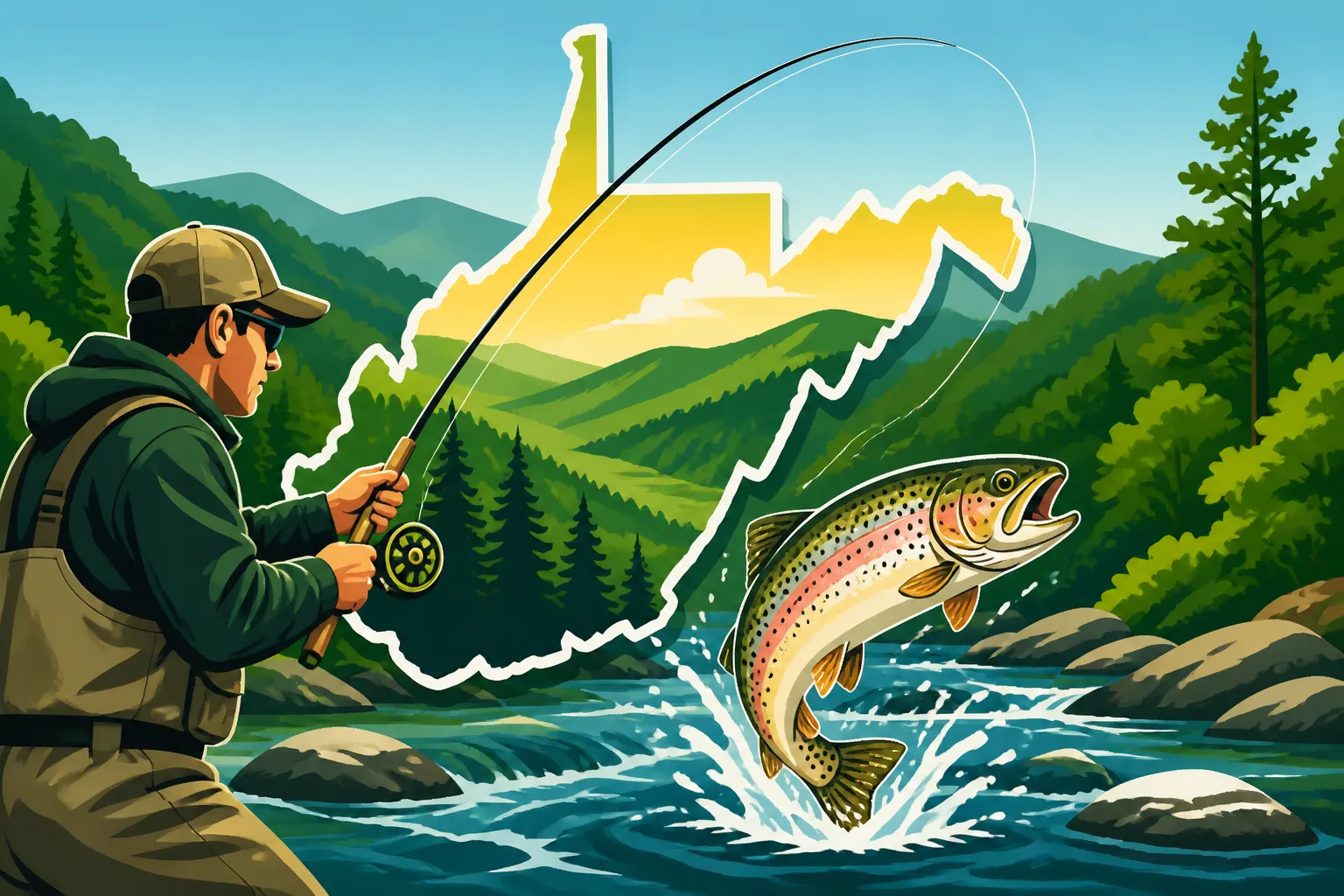
There’s a special kind of magic that settles over you when you’re standing knee-deep in a West Virginia mountain stream, the crisp air biting at your cheeks, and the gentle gurgle of water accompanying the hopeful cast of your line. For many of us, the pursuit of trout in the Mountain State isn't just a hobby; it's a deep-rooted passion, a way to connect with the wild beauty that defines our home. But let's be real, it can also be incredibly frustrating when you're starting out, or even when you've been at it for years and those wily fish just aren't biting. This comprehensive guide is here to walk you through everything you need to know to make your West Virginia trout fishing experiences not just successful, but truly unforgettable.
The Diverse World of West Virginia Trout Species
West Virginia is truly a gem for trout anglers, offering a rich variety of species, each with its own quirks and challenges. Understanding what kind of trout you're targeting is the first step to a successful day on the water. We've got our native beauties, the eagerly stocked favorites, and even a unique golden surprise!
Rainbow Trout: The Stocking Staple
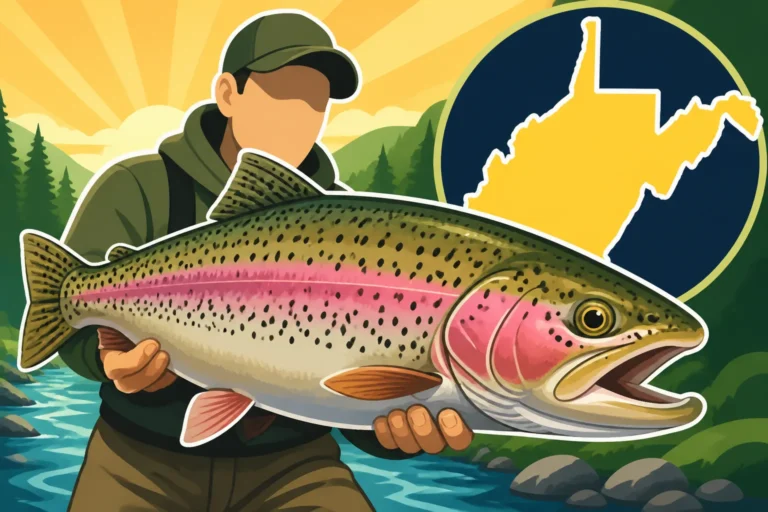
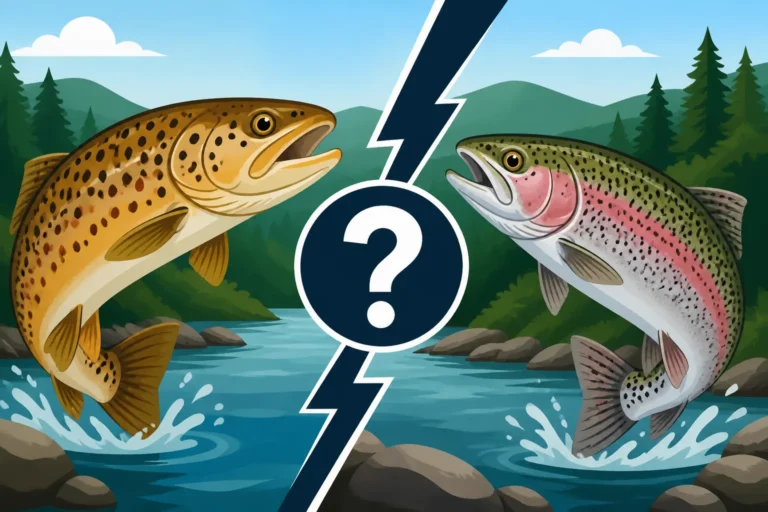
Ah, the rainbow trout! These are probably the most recognized and widely stocked trout in West Virginia. You'll find them in lakes, rivers, and streams across the state, especially after the West Virginia Division of Natural Resources (WVDNR) stocking trucks make their rounds. Rainbows are known for their vibrant iridescent stripe along their sides, a splash of color that lives up to their name.
What makes them so popular? Well, for one, they're generally quite aggressive feeders, especially right after stocking, which makes them a great target for anglers of all skill levels. They'll readily take everything from corn and worms to power bait, spinners, and even flies. Their willingness to bite makes them a fantastic entry point for new anglers and a consistent challenge for seasoned pros who enjoy the tug of a good fight. If you're looking for consistent action, especially during the spring and fall stocking seasons, rainbows are your go-to. They’re a hardy fish, adapting well to a variety of water conditions, though they still prefer cooler, well-oxygenated water.
Brown Trout: Wily and Resilient
If you're looking for a challenge, the brown trout is your fish. These European transplants have made themselves right at home in West Virginia's cooler, more secluded waters, particularly in the larger trout streams. Brown trout are known for their distinct spotting pattern, usually dark spots with lighter halos, and often a reddish hue on their sides. They are notoriously wary and can be incredibly difficult to fool, earning them a reputation as a true angler's trophy.
Unlike the often-eager rainbow, brown trout are ambush predators, often lurking under logs, undercut banks, or large rocks, waiting for an unsuspecting meal to drift by. They can grow to impressive sizes in our state, feeding on everything from insects to minnows, sculpins, and even small rodents. Catching a large wild brown trout on a dry fly or a perfectly presented spinner is a badge of honor for many West Virginia anglers. These fish prefer colder, clearer water than rainbows and are often found in areas with plenty of cover, making precise casting and stealth essential. Their resilience means they can often tolerate slightly warmer summer water temperatures than rainbows, extending your fishing opportunities in some areas.
Brook Trout: West Virginia's Native Beauty
For many, the brook trout is the heart and soul of West Virginia trout fishing. This magnificent fish, with its vibrant red and yellow spots, iridescent blue halos, and striking white-edged fins, is our official state fish, and for good reason. Brook Trout: West Virginia's Native and State Fish Brook trout are native to the Appalachian Mountains, and here in West Virginia, they thrive in the pristine, cold, high-elevation headwater streams that crisscross our national forests.
Chasing brook trout often means hiking deep into the wilderness, navigating dense rhododendron thickets, and splashing through crystal-clear, freestone streams. These fish rarely grow to large sizes, but what they lack in girth, they more than make up for in beauty and the sheer joy of catching a true wild native. They are indicator species, meaning their presence signifies excellent water quality. Fly anglers often target brook trout with small dry flies or nymphs, while spin anglers might use tiny spinners or worms. The experience of catching a wild brook trout in its natural habitat is less about the size of the fish and more about the connection to the untouched wilderness around you. Protecting these fragile populations is paramount, and many anglers practice catch and release exclusively when targeting brookies.
Golden Rainbow Trout: A Unique Challenge
If you've ever seen a golden flash in a West Virginia stream, chances are you've encountered a Golden Rainbow Trout. These unique fish, originally developed through a genetic mutation, are specifically raised and stocked in West Virginia, particularly during special events like the annual Gold Rush. They stand out with their brilliant golden-yellow hue, often with a vibrant red lateral stripe. Golden Rainbow Trout in West Virginia
While they are genetically rainbow trout, their distinct color makes them easily identifiable and a highly sought-after catch. They fight with the same vigor as their rainbow cousins and will take similar baits and lures. The WVDNR strategically stocks these golden beauties, often in specific waters and at specific times, to add an extra layer of excitement to the fishing season. Many anglers consider catching a golden rainbow a lucky charm, a truly memorable experience. Keep an eye on the WVDNR's stocking schedule for your best chance to encounter these living treasures.
Top Trout Fishing Destinations Across the Mountain State
West Virginia boasts an incredible array of waters for trout fishing, from heavily stocked lakes perfect for a family outing to remote wilderness streams where you might not see another soul all day. Knowing where to go is half the battle, and the Mountain State truly offers something for every angler.
Stocked Streams and Lakes: Easy Access for Everyone
For many anglers, especially those just starting out or families looking for a fun day, West Virginia's stocked waters are the bread and butter of trout fishing. The WVDNR does an exceptional job of stocking hundreds of thousands of trout annually across the state, ensuring ample opportunities for everyone. These waters are often easily accessible, with good parking and sometimes even designated fishing piers.
Lakes like Summersville Lake, Tygart Lake, or even smaller impoundments like Laurel Lake in Mingo County, often receive generous stockings. Rivers like the Tygart Valley River and sections of the Cheat River are also popular stocking locations. Fishing these areas, especially right after a stocking, can be incredibly productive. You'll find success with a variety of methods, from power bait and corn fished off the bottom to small spinners and even flies. It's a great way to guarantee some action and teach younger anglers the joy of a bending rod. Just be sure to check the West Virginia Trout Stocking Hotline and Schedule so you know when and where the fresh fish are going in!
Wild Trout Waters: For the Adventurous Angler
If you crave solitude and the thrill of outsmarting a truly wild fish, West Virginia's wild trout waters are calling your name. These are generally smaller, higher-elevation streams within the Monongahela National Forest and other pristine wilderness areas, where trout reproduce naturally. Best Trout Streams in West Virginia Think remote stretches of Shavers Fork, parts of the Cranberry River, or countless unnamed tributaries winding through dense forests.
Fishing wild trout waters is often a more physically demanding experience. You might be hiking miles to reach a prime spot, navigating slippery rocks, and casting in tight quarters. The fish here, primarily native brook trout and sometimes wild brown or rainbow trout, are typically smaller but infinitely more rewarding to catch due to their wild nature. They are incredibly sensitive to disturbance, so stealth, delicate presentations, and appropriate gear are key. Many anglers who frequent these areas cherish the peace and quiet as much as, if not more than, the fishing itself. It’s an immersion into West Virginia's raw, untamed beauty.
Special Regulation and Catch-and-Release Areas
West Virginia has several special regulation waters designed to create trophy trout opportunities or protect fragile wild trout populations. These areas often have different length limits, daily creel limits, or may be restricted to specific gear types, like artificial lures only or fly fishing only. Special Regulation Waters in West Virginia Iconic streams like the Cranberry River’s catch-and-release section or parts of the Elk River are renowned for holding larger, older trout because of these protective rules.
For example, the Elk River below Sutton Dam has a dedicated fly-fishing-only section, offering a fantastic challenge for dedicated fly anglers. The Shavers Fork of the Cheat River, particularly its headwaters, is famous for its wild brook trout and has specific regulations to protect them. Shavers Fork Brook Trout Fishing Elk River Trout Fishing Anglers fishing these waters are often focused on the quality of the experience and the size of the fish rather than the quantity. It's crucial to consult the West Virginia Fishing Regulations Explained summary before heading out to these areas to ensure you understand and adhere to all the specific rules. Often, these areas are also prime candidates for West Virginia Catch and Release Rules for Trout to ensure the survival of these valuable fish.
Essential Gear and Tackle for West Virginia Trout
Stepping into the world of trout fishing, especially in West Virginia, can feel a bit overwhelming with all the gear options out there. But don't fret! You don't need to break the bank to get started. The key is understanding what each piece of equipment does and how it helps you on the water.
Rods, Reels, and Lines: Matching Your Method
Your rod and reel are your primary tools, and choosing the right setup depends largely on how you plan to fish.
- Spin Fishing: For general trout fishing with bait or small lures, a lightweight spinning combo is perfect. Look for a rod in the 5'6" to 6'6" range with a light or ultralight action. This allows for sensitive feel, essential for detecting subtle trout bites, and makes even smaller trout feel like a respectable fight. Pair it with a small spinning reel (size 1000 or 2000) spooled with 4-6 pound test monofilament or fluorocarbon line. Monofilament is a bit more forgiving with stretch, while fluorocarbon offers less stretch and better abrasion resistance, which can be great in rocky streams. You can find excellent, affordable combos on Amazon that are perfectly suited for West Virginia's stocked waters.
- Fly Fishing: If you're drawn to the art of fly fishing, a different setup is required. A 7'6" to 9' fly rod in a 3-weight or 4-weight is versatile for most West Virginia trout streams. A 5-weight can also work, especially for larger streams or windier days. Pair this with a matching fly reel, though for trout, the reel's primary purpose is line storage, as you'll be fighting fish with the rod itself. Spool it with weight-forward floating fly line, matching the rod's weight, and add a tapered leader of about 7.5 to 9 feet, tapering down to a 4x, 5x, or 6x tippet, depending on fly size and water clarity. Best Fly Rods for West Virginia Trout Streams A good quality fly rod and reel can be an investment, but there are many reputable brands offering solid beginner kits.
Waders and Footwear: Staying Dry and Safe
Unless you plan to stick to bank fishing, waders are almost a necessity for trout fishing in West Virginia. Our streams can be cold, and getting wet quickly makes for a miserable experience.
- Chest Waders: These are the most common choice, keeping you dry from your chest down. Neoprene waders are warmer and great for colder months, while breathable waders (often made from Gore-Tex or similar materials) are more comfortable for warmer weather and active hiking. Consider durability, especially if you'll be bushwhacking to remote streams. Look for models with reinforced knees and comfortable suspenders.
- Wading Boots: Waders typically have neoprene booties, so you'll need separate wading boots. Choose boots with good ankle support and sticky rubber soles, sometimes with felt soles (check local regulations as some states restrict felt due to invasive species concerns, but generally allowed in WV). Carbide-tipped studs can be added for extra grip on slippery rocks. Safety is paramount when wading, especially in swift currents or over mossy rocks. A good pair of wading boots can be a lifesaver. Best Waders for West Virginia Trout Streams You'll find a wide selection of both waders and boots on Amazon.
- Wading Staff: Don't underestimate the value of a wading staff, especially if you're venturing into unfamiliar or fast-moving water. It provides an essential third point of contact, helping you maintain balance and test the depth and stability of the stream bed before you step.
Lures, Baits, and Flies: What to Pack
This is where the fun really begins! The variety of options for enticing trout is endless, but here are some reliable choices for West Virginia.
- Baits: For stocked trout, classic baits like corn, power bait (in various colors and forms like dough or nuggets), salmon eggs, and live worms are often irresistible. These are particularly effective right after stocking when the fish are less wary.
- Lures: Small spinners (like Rooster Tails, Mepps, or Panther Martins in sizes #0 to #2) are incredibly effective for both stocked and wild trout. Spoons (such as Kastmasters or Little Cleos) can also work well, especially in larger streams or lakes. Small jerkbaits and soft plastic grubs rigged on light jig heads can also entice aggressive fish. Experiment with different colors and sizes until you find what the fish are keying on.
- Flies: Fly anglers have a vast arsenal. For nymphs, think Pheasant Tails, Hare's Ears, and Prince Nymphs. Dry flies like Adams, Elk Hair Caddis, and Parachute Adams are great for imitating emerging insects. Streamers like Woolly Buggers (in black, olive, or white) are excellent for imitating baitfish and can provoke aggressive strikes from larger trout. For native brook trout in tiny streams, often a simple small dry fly or a terrestrial pattern works wonders. Fly Patterns for West Virginia Trout Streams
Remember, trout can be finicky. What works one day might not work the next, so having a diverse selection in your tackle box is always a good idea. Best Tackle Box Setup for West Virginia Anglers
Mastering West Virginia Trout Fishing Techniques
Once you've got your gear, it's time to talk tactics. West Virginia's diverse waters and fish species mean that a single technique won't cut it everywhere. From the classic simplicity of bait fishing to the nuanced art of fly casting, there's a method for every preference and every situation.
Bait Fishing: The Tried and True Method
Bait fishing is often the entry point for many anglers, and for good reason—it's effective, especially for freshly stocked trout. The goal is to present natural or artificial bait in a way that looks enticing and edible.
- Setup: A simple bottom rig with a small hook (size 8-12), a split shot or two crimped a foot or so above it, and a swivel to prevent line twist is all you need. Many anglers use a small bobber in slower water or still ponds to suspend the bait at a specific depth and to act as a strike indicator.
- Presentation: When fishing stocked ponds or slow-moving sections of rivers, simply casting your bait out and letting it sink to the bottom can be very productive. Trout, especially recently stocked ones, are often accustomed to eating pellets from hatcheries, and these baits mimic that easy meal. In streams, you can let your bait drift naturally with the current, allowing it to tumble along the bottom where trout often lie in wait. Pay close attention to your line for any twitch or subtle movement that signals a bite. Don't be afraid to experiment with different depths and casting locations; trout often hold in specific spots.
- Common Baits: As mentioned, PowerBait (especially in bright colors like chartreuse, orange, or rainbow), corn, salmon eggs, and worms are excellent choices. A juicy worm drifting through a deep pool is hard for any trout to resist.
Spin Fishing with Lures: Covering Water Effectively
Spin fishing with lures offers a more active approach and allows you to cover a lot of water quickly, searching for aggressive trout. This method is fantastic for both stocked and wild fish in streams and lakes.
- Lure Selection: Small inline spinners (Rooster Tail, Mepps, Panther Martin) are perennial favorites. Their flashing blades and vibrating action mimic small baitfish or aquatic insects, triggering a trout's predatory instincts. Small spoons (Kastmaster, Little Cleo) also work well, especially when cast into deeper pools or across currents. Experiment with silver, gold, copper, or painted finishes based on water clarity and light conditions. Soft plastic grubs on light jig heads can also be deadly, especially when fished with a retrieve that mimics a fleeing baitfish.
- Casting and Retrieve: The key to success with lures is often a varied retrieve. Cast your lure across or slightly upstream in a river, letting it swing downstream while reeling just fast enough to make the blade spin. In lakes, a steady retrieve often works, but don't hesitate to add pauses, twitches, or changes in speed to elicit a strike. Target likely holding spots: eddies, current breaks, behind large rocks, or under submerged timber. Often, trout will strike as the lure changes direction or speed.
- Stealth: Even when spin fishing, stealth is important. Avoid heavy footfalls along the bank and try to cast from a distance if the water is clear and shallow. Trout have excellent eyesight and can be easily spooked by sudden movements or shadows.
Fly Fishing: Art, Skill, and Immersion
Fly fishing is often seen as the pinnacle of trout fishing, an intricate dance between angler, fly, and fish. It demands skill, patience, and a deep understanding of entomology (insect life), but the rewards are immense. Fly Fishing for Trout in West Virginia
- Matching the Hatch: The core concept of fly fishing for trout is to "match the hatch," meaning you try to present a fly that closely imitates the insects that trout are actively feeding on at that moment. This could be a tiny dry fly representing a mayfly on the surface, a nymph mimicking a larval insect drifting subsurface, or a streamer imitating a minnow.
- Casting Techniques: Unlike spin fishing where the lure's weight carries the line, in fly fishing, the weight of the fly line carries the nearly weightless fly. Mastering basic casting techniques—the false cast, roll cast, and mend—is crucial for presenting your fly naturally and accurately.
- Types of Flies and Fishing:
- Dry Fly Fishing: This is arguably the most exciting, as you watch a trout rise to the surface to take your floating fly. It requires precise casting and careful observation of rising fish.
- Nymphing: Most of a trout's diet consists of subsurface insects, making nymphing incredibly effective. This involves drifting weighted flies along the bottom of a stream, often with a strike indicator to detect subtle bites.
- Streamer Fishing: For larger trout, especially brown trout, casting and stripping streamers that imitate baitfish can be incredibly productive and lead to aggressive strikes.
- Reading the Water: Fly fishing heavily relies on reading the water to identify where trout are likely holding or feeding. Look for current seams, riffles, pools, undercut banks, and structure. Understanding how current works and how it affects your fly's drift is critical for a natural presentation. West Virginia's pristine mountain streams offer endless opportunities for this challenging and rewarding technique.
Navigating West Virginia's Trout Regulations and Seasons
Understanding the rules and timing your trips correctly are just as important as your gear and technique. West Virginia has specific regulations designed to manage its trout populations and provide fair opportunities for all anglers. Ignoring them can lead to fines, so always be prepared!
Understanding Licenses and Stamps
Before you even think about casting a line, you need the right paperwork. Almost everyone needs a fishing license, and for trout, there's an extra step.
- Fishing License: If you're 15 years old or older, you must possess a valid West Virginia fishing license. Residency determines the type and cost of your license. Non-residents have various options, including annual or short-term permits. West Virginia Fishing License Guide for 2026 Where and How to Buy a West Virginia Fishing License It's easy to purchase these online through the WVDNR website or from a local license agent.
- Trout Stamp: In addition to a general fishing license, if you plan to fish for or possess trout, you'll need a West Virginia trout stamp. This stamp helps fund the state's trout stocking program, ensuring that those beautiful fish are there for you to catch season after season. Even if you're practicing catch and release for trout, you still need a trout stamp. Trout Stamps and Trout Fishing Rules in West Virginia There are different costs for residents and non-residents for this stamp, so check the details.
- Conservation Stamp: For residents, a Conservation Stamp is generally included with your license, or may be a separate purchase depending on your specific license type. This helps support broader conservation efforts.
Always carry your license and stamps with you while fishing, either a physical copy or a digital version on your phone. Conservation Officers regularly patrol our waters, and they don't take kindly to missing paperwork.
Bag Limits and Size Restrictions
To ensure sustainable fishing and healthy fish populations, West Virginia implements daily creel (bag) limits and sometimes size restrictions for trout. These rules vary by waterbody and, occasionally, by species.
- General Limits: The statewide daily creel limit for trout is typically 6 fish per day. However, this is a general rule, and it's absolutely critical to check for exceptions.
- Special Regulation Waters: Many of our prime trout fishing spots, especially the wild trout streams and designated catch-and-release areas, have very specific and often more restrictive limits. For example, some streams are "catch and release only," meaning you can't keep any fish. Others might have a reduced daily limit or a minimum/maximum size slot that fish must fall within to be kept. West Virginia Bag and Possession Limits by Species The main reason for these regulations is to protect specific populations, especially large, mature fish or native species like brook trout, to ensure they can reproduce and sustain their numbers.
- Possession Limit: Beyond the daily limit, there's often a possession limit, which is the total number of fish you can have in your possession, including those at home. This is typically twice the daily creel limit.
Always, always consult the current West Virginia Fishing Regulations Summary. It's available online as a PDF, and hard copies are often available where licenses are sold. This is your bible for what's allowed and what's not.
Trout Stocking Schedules and Special Events
One of the biggest draws for trout anglers in West Virginia is the robust stocking program. Knowing when and where the WVDNR is stocking can dramatically increase your chances of success.
- Stocking Seasons: Trout are primarily stocked during the spring, fall, and sometimes in winter, taking advantage of cooler water temperatures that trout prefer. Spring is typically the most active stocking season, often kicking off with "Opening Day" events that draw large crowds. West Virginia Fishing Season Dates and Closures
- Gold Rush: The "Gold Rush" event is a highly anticipated annual stocking of thousands of golden rainbow trout, often held in specific waters across the state. This adds an extra element of excitement and challenge, as anglers try to target these unique, brightly colored fish.
- Checking Schedules: The WVDNR maintains a West Virginia Trout Stocking Hotline and Schedule that is regularly updated. You can call the hotline or check their website to see which waters are scheduled for stockings, allowing you to plan your trips around fresh fish. Many anglers strategically plan their outings for the day of or the day after a stocking for the best action.
- "Opening Day": While trout fishing is generally open year-round in most waters (with a valid license and stamp), the traditional "Opening Day" of trout season in the spring is a huge event, often with enhanced stocking efforts. This is a festive time, but also means crowded waters, so be prepared to share the stream.
Understanding these seasonal patterns and regulations is key to not only having a successful and enjoyable trip but also to being a responsible and ethical angler, helping to conserve West Virginia's precious trout resources for future generations.
Conservation and Responsible Trout Angling
As anglers, we have a profound responsibility to be stewards of the natural resources we enjoy. Trout, especially our native brook trout, are sensitive indicators of environmental health. Practicing ethical angling and conservation principles ensures that West Virginia's beautiful trout fisheries remain vibrant for years to come.
Catch and Release Best Practices
While keeping a few trout for the pan is a wonderful part of the experience, especially from stocked waters, many anglers choose to practice catch and release, particularly in wild trout streams or special regulation areas, to help sustain fish populations. If you choose to release a fish, doing it correctly is vital for its survival.
- Minimize Handling: The less you handle a trout, the better. Try to keep the fish in the water as much as possible. If you must lift it, do so gently with wet hands, supporting its belly.
- Barbless Hooks: Consider crimping down the barb on your hooks. Barbless hooks make removal much easier and cause less damage to the fish's mouth. Many fly anglers exclusively use barbless hooks.
- Quick Release: Have your camera ready, if you plan to take a photo, and make it quick. Don't keep the fish out of water for extended periods. Even a few seconds can be too long, especially on a warm day.
- Revive the Fish: If a fish is lethargic after the fight, hold it gently in the current, facing upstream, allowing water to flow over its gills. Don't push it back and forth, as this can damage the gills. Wait until it swims away under its own power.
- Avoid Spawning Beds: During spawning seasons (fall for brown and brook trout, spring for rainbow), avoid wading or fishing directly on redds (spawning beds), which appear as clean, gravelly depressions in the stream bed. Disturbing these can destroy eggs and future generations of trout. West Virginia Catch and Release Rules for Trout
These practices not only contribute to the health of the fishery but also demonstrate respect for the fish and the environment.
Protecting Native Brook Trout Habitats
Our native brook trout are a true treasure, and their survival is intrinsically linked to the health of their pristine, cold-water habitats. These streams are often fragile ecosystems.
- Leave No Trace: Practice "Leave No Trace" principles rigorously. Pack out everything you pack in, including any fishing line, bait containers, or food wrappers. Do not leave anything behind.
- Stay on Trails: Where trails exist, stick to them to minimize erosion and disturbance of delicate riparian vegetation. Off-trail bushwhacking, while sometimes necessary to reach remote spots, should be done mindfully to avoid trampling sensitive plants.
- Prevent Invasive Species: Be mindful of preventing the spread of invasive species. This means cleaning your waders, boots, and gear between different waterways. Mud, algae, and plant fragments can harbor microscopic hitchhikers that can devastate native ecosystems. A good scrub and air dry go a long way.
- Water Quality: Support efforts to maintain excellent water quality in West Virginia. Our brook trout cannot survive in polluted or warm water. By advocating for clean water, we're not just protecting fish; we're protecting the entire ecosystem.
Leave No Trace Principles
The overarching philosophy for ethical outdoor recreation, including trout fishing, is "Leave No Trace." These principles are designed to minimize our impact on the environment.
- Plan Ahead and Prepare: Know the regulations for the area you're visiting. Pack appropriate gear to avoid mishaps.
- Travel and Camp on Durable Surfaces: Stick to existing trails, roads, and designated campsites. Avoid creating new paths.
- Dispose of Waste Properly: Pack it in, pack it out. This includes all trash, leftover food, and fishing line.
- Leave What You Find: Don't disturb historical artifacts or natural features. Leave rocks, plants, and other natural objects as you find them.
- Minimize Campfire Impacts: Use established fire rings or avoid fires altogether. Ensure fires are completely out and cold before leaving.
- Respect Wildlife: Observe wildlife from a distance. Don't approach or feed animals.
- Be Considerate of Other Visitors: Share the trails and waterways. Keep noise levels down.
Adhering to these principles is not just about following rules; it's about fostering a deep respect for the wild places that provide us with so much joy and tranquility.
Planning Your Ultimate West Virginia Trout Fishing Adventure
A successful and enjoyable trout fishing trip in West Virginia goes beyond just having the right gear and knowing how to cast. Thoughtful planning, understanding the local environment, and prioritizing safety are crucial for a truly rewarding experience in the Mountain State.
Timing Your Trip: Seasons and Weather
West Virginia's diverse climate means timing your trout trip correctly can significantly impact your success and comfort.
- Spring: This is prime trout season, largely due to heavy stockings and moderate temperatures. The fish are often aggressive, and hatches of aquatic insects begin, providing excellent dry fly opportunities. However, spring also brings unpredictable weather, including cold fronts and heavy rains that can blow out streams. Spring Trout Fishing Techniques for West Virginia Streams Be prepared for anything from sunny and warm to sleet and snow, often within the same day.
- Summer: As water temperatures rise, trout fishing becomes more challenging. Many lower-elevation stocked streams can become too warm for trout to survive, forcing them into cooler, deeper pools or making them lethargic. Focus on higher-elevation wild trout streams, tailwaters below dams, or fishing during early mornings or late evenings when temperatures are cooler. This is often the time for terrestrial insects (like grasshoppers and ants) for fly anglers.
- Fall: A fantastic time for trout, especially brown and brook trout, as they prepare for spawning. Water temperatures cool down, and fish become more active. Fall colors in the mountains add a breathtaking backdrop to your fishing. Stocking resumes in many areas, providing fresh opportunities.
- Winter: While less popular, winter can offer surprisingly good fishing, especially on mild days. Tailwaters and spring-fed streams that maintain more stable temperatures can be productive. Ice fishing is also an option on some frozen lakes, targeting panfish but sometimes picking up trout.
Always check the local weather forecast before you go, and be prepared for sudden changes, especially in the mountains. Water levels are also critical; high, muddy water after heavy rain can make fishing impossible, while extremely low, clear water makes trout very spooky.
Finding Local Knowledge and Resources
The best way to improve your trout fishing success is to tap into local knowledge. West Virginia anglers are a friendly bunch, and there's a wealth of information available if you know where to look.
- Local Bait and Tackle Shops: These are goldmines of information. Shop owners and employees usually have their finger on the pulse of local fishing conditions, recent stocking reports, what baits are working, and current stream conditions. They can also point you to good access points.
- WVDNR Website and Publications: The official West Virginia Division of Natural Resources website is an invaluable resource. It has detailed regulations, stocking schedules, fish consumption advisories, and often articles or maps related to specific fishing areas. Make sure to download or pick up the latest Reading the West Virginia Fishing Regulations Summary.
- Online Forums and Social Media Groups: There are many online communities dedicated to West Virginia fishing. These can be great places to ask questions, learn about specific techniques, and get up-to-date information on conditions (though always take anecdotal reports with a grain of salt and verify with official sources).
- Fishing Guides: If you're serious about learning a new area or technique, consider hiring a local fishing guide. They can provide invaluable instruction, put you on fish, and teach you the nuances of a particular stream or method.
Safety on the Water and in the Wild
West Virginia's beautiful landscapes can also present hazards. Prioritizing safety ensures that your fishing adventure remains enjoyable.
- Wading Safety: As discussed, sturdy wading boots and a wading staff are crucial. Always test your footing, especially in swift or murky water. Be aware of currents and potential drop-offs. Never wade alone in challenging conditions.
- Weather Awareness: Hypothermia is a real danger, even on seemingly mild days, especially if you get wet. Dress in layers made of synthetic materials or wool (avoid cotton, which loses its insulating properties when wet). Carry rain gear. If you hear thunder, get off the water immediately.
- Wildlife Encounters: West Virginia is home to black bears, venomous snakes, and other wildlife. Know how to react if you encounter them. Carry bear spray in bear country, and be aware of where you're stepping, especially in rocky areas where snakes might bask.
- Navigation: When venturing into remote areas, carry a map and compass or a GPS device (and know how to use them). Cell service can be spotty or nonexistent in many wilderness areas. Tell someone where you're going and when you expect to return.
- First Aid: Carry a basic first aid kit for minor cuts, scrapes, or insect bites.
- Hydration and Nutrition: Always bring plenty of water and snacks, even for a short trip. Fishing can be physically demanding, and staying hydrated and fueled is essential. Consider a durable water bottle from Amazon to keep your water cool.
By taking these precautions and planning wisely, you can fully immerse yourself in the natural beauty and fantastic fishing opportunities that West Virginia offers, creating memories that will last a lifetime.
Disclaimer
This article is for general informational purposes only and does not constitute professional advice. Laws, prices and regulations vary by location and change over time. Consult a qualified professional for guidance on your specific situation.