Do Brown Trout Get Bigger Than Rainbow Trout in West Virginia?
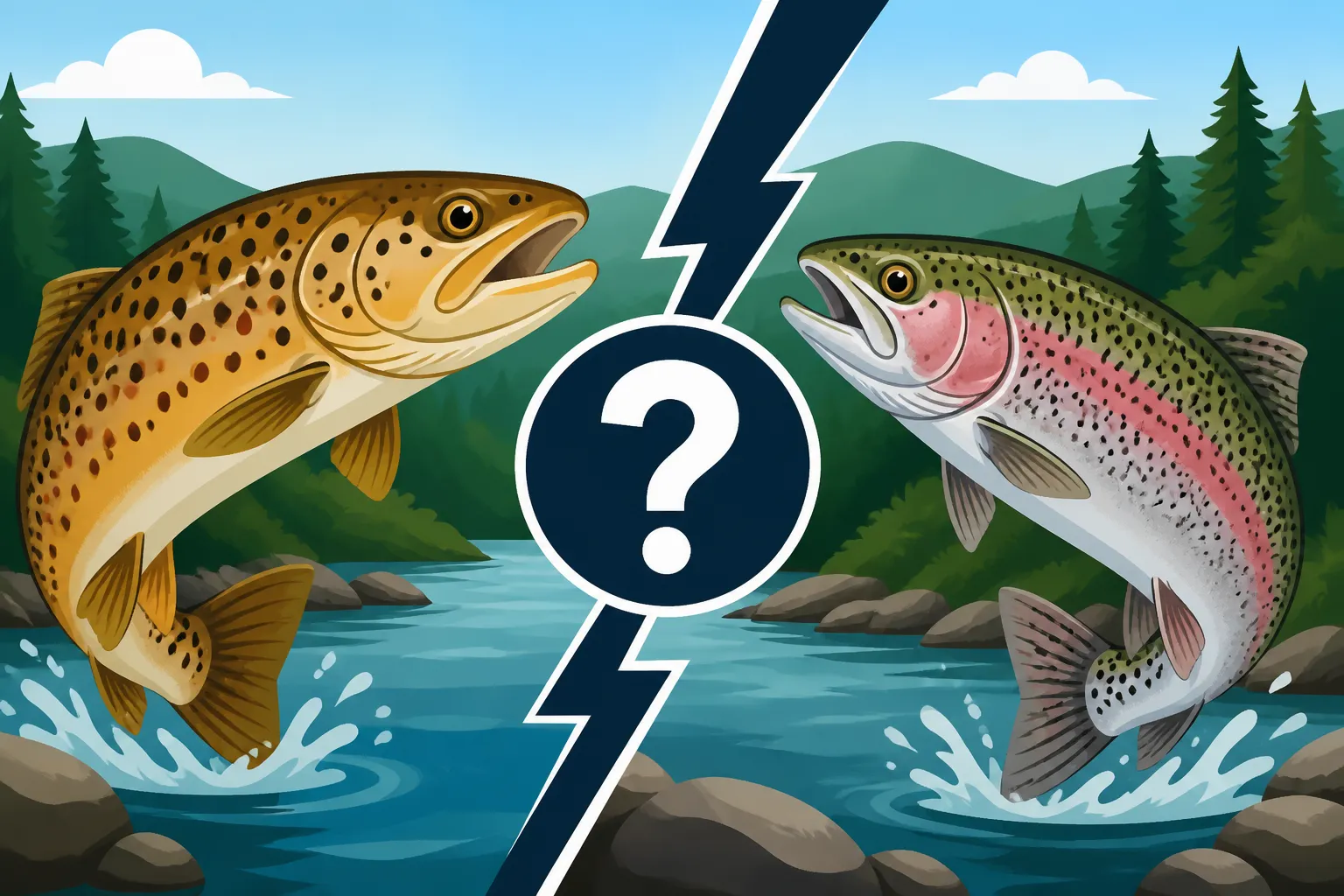
It’s a question that sparks lively debate around campfires and in fly shops across the Mountain State: when it comes to sheer size, do brown trout truly get bigger than rainbow trout here in West Virginia? Many anglers, myself included, have chased both species with different expectations, and the answer isn't always as simple as it seems. This guide is here to delve into the fascinating world of West Virginia's trout, exploring the biological differences, habitat preferences, and stocking practices that influence the maximum size potential of these beloved fish, helping you understand where your best shot at a true trophy lies.
The Quest for Trophy Trout: Understanding Growth Potential
Every angler dreams of landing a monster, a fish that truly tests their skill and tackle. When it comes to trout in West Virginia, both brown and rainbow trout offer exciting opportunities, but their inherent biology and how they interact with our diverse waterways dictate just how big they can grow. It's not just about what they eat, but how long they live, where they live, and even who their parents were.
Native vs. Stocked Trout and Their Environments
One of the biggest factors influencing trout size in West Virginia is whether you're talking about a wild, naturally reproducing fish or a hatchery-reared, stocked one. Wild brown trout, especially in our colder, oxygen-rich rivers and streams, can live longer and develop robust physiques. They grow at a slower, more natural pace, learning to survive and forage effectively in their environment. These are the fish that become truly "educated," and their size reflects years of successful evasion and feeding. You might not catch a lot of them in one day, but the ones you do hook are often magnificent specimens.
Rainbow trout, on the other hand, are the backbone of West Virginia's put-and-take trout fishery. Millions of rainbows are stocked annually, providing incredible angling opportunities for everyone from beginners to seasoned veterans. These fish are bred for rapid growth in a hatchery environment and are usually released at a "catchable" size. While this means a high success rate for anglers, it also means most stocked rainbows are harvested before they have a chance to grow truly large. However, an interesting phenomenon occurs with "holdover" rainbows – those lucky few that survive the initial angling pressure and adapt to a natural diet in a lake or river, which can sometimes lead to impressive growth. These survivors learn to feed on minnows and other larger prey, putting on significant weight over time. The key difference here is the opportunity for sustained growth in a natural setting, rather than the quick turnaround of a stocked fish.
Genetics and Life Span: Key Factors in Size
Beyond their upbringing, the genetic blueprint and inherent lifespan of brown and rainbow trout play a huge role in their maximum size potential. Brown trout (scientific name Salmo trutta) are generally known for their longer lifespans compared to rainbow trout (Oncorhynchus mykiss). While a stocked rainbow might live a few months to a year in the wild after release before being caught or succumbing to natural pressures, a wild brown trout can live for many years, sometimes five, eight, or even over a decade in ideal conditions. This extended lifespan gives brown trout significantly more time to grow, to pack on pounds, and to reach those truly "trophy" dimensions.
Their predatory nature also contributes. As brown trout age, they often become more piscivorous, meaning they eat other fish. This protein-rich diet fuels substantial growth, turning them into apex predators in their local waterways. Rainbow trout, while opportunistic feeders, typically don't develop the same aggressive predatory tendencies to the same degree, especially in their younger years when most are caught. So, while both species are built for success, the brown trout's combination of longevity and a diet geared towards larger prey gives it a distinct advantage in the race to become the biggest fish in the stream.
Brown Trout in West Virginia: The Elusive Giants
If your goal is to land a truly large trout in West Virginia, one that will test your drag and your patience, the brown trout is often your best bet. These fish are renowned for their strength, their wariness, and their ability to grow to impressive sizes, making them a top target for many dedicated anglers.
Where Brown Trout Thrive for Size
Brown trout are incredibly adaptable, but to reach truly immense sizes in West Virginia, they need specific conditions. They thrive in colder, well-oxygenated waters with plenty of complex cover like undercut banks, submerged logs, and large rocks. They also need a consistent, protein-rich food source, which often means an abundance of baitfish like sculpins, dace, or even other smaller trout.
Many of West Virginia's larger rivers and tailwater fisheries provide these optimal conditions. Think about the deeper pools and runs of the upper Potomac River drainage or some of our special regulation waters like sections of the South Branch Potomac Smallmouth Fishing or Elk River Trout Fishing tailwaters. These areas offer stable temperatures, excellent water quality, and a diverse forage base, allowing brown trout to grow unmolested for years. Lakes with deep, cool water and a good supply of forage fish can also produce exceptional brown trout, though these are often harder to target consistently. Their stealthy nature means they prefer to hunt from ambush points, making them challenging to find and even harder to fool. Successfully targeting these fish often requires understanding the nuances of their habitat and feeding patterns.
Catching a West Virginia Trophy Brown
Tackling a trophy brown trout in West Virginia isn't for the faint of heart; it requires dedication, the right gear, and a solid understanding of their habits. These fish are notoriously wary, especially the big ones, and will quickly spurn anything that looks unnatural. For spin anglers, this often means throwing larger artificial lures that imitate baitfish, such as minnow-imitating crankbaits, spoons, or heavier jigs tipped with soft plastics. You’ll want a medium-heavy spinning rod with a fast action to handle these lures and fight a powerful fish, paired with a reliable reel spooled with fluorocarbon or braided line with a fluorocarbon leader. When browsing for these specific items, many anglers find a great selection of brands and styles on platforms like Amazon, making it easy to compare options.
Fly anglers targeting big browns will often rely on streamer patterns – those large, meaty flies designed to imitate baitfish or crayfish. Techniques like stripping streamers aggressively through deep pools or swinging them through current seams can elicit explosive strikes. Heavy nymph rigs, especially those imitating larger aquatic insects or even small sculpins, can also be effective when browns are holding deep. A 6-8 weight fly rod is typically recommended for this type of fishing, capable of casting large flies and muscling a strong fish away from snags. Patience is key when chasing these elusive fish. You might cast for hours without a bite, but that single, violent take from a big brown makes all the effort worthwhile. If you're looking to upgrade your setup, check out guides like Best Gear for West Virginia Trout Fishing to ensure you're well-equipped.
Rainbow Trout in West Virginia: The Stocking Mainstay
While brown trout might hold the crown for maximum individual size, rainbow trout are undeniably the workhorses of West Virginia's trout program. They provide incredible angling access and countless memorable days on the water for anglers of all ages.
The Role of Stocking in Rainbow Trout Size
The vast majority of rainbow trout you'll encounter in West Virginia are hatchery-reared and stocked. The primary goal of the stocking program is to provide abundant, readily catchable fish for recreational purposes. This means that rainbows are typically released at a "pan-sized" or "catchable" length, often ranging from 9 to 14 inches. While they are healthy and vibrant fish, they simply haven't had the time to grow to truly massive proportions before they are introduced into our rivers and lakes.
These stocked fish are often caught quickly after release, especially during peak seasons like early spring. They are eager biters and provide fantastic action, making them perfect for families or those just getting into trout fishing. However, because they are harvested so efficiently, very few of these stocked rainbows ever get the chance to survive long enough to become true giants. Their role is to provide immediate gratification and a high volume of fishing opportunities, rather than to grow into trophy specimens. You can always check the West Virginia Trout Stocking Hotline and Schedule to see when and where these eager eaters are being released.
Instances of Larger Rainbows
Now, let's not discount rainbow trout entirely in the trophy conversation! While less common than with browns, larger rainbows absolutely exist in West Virginia, and they are usually "holdover" fish. These are the hardy individuals that manage to evade anglers and survive through multiple seasons, adapting to a wilder existence. In certain deep, fertile lakes or large tailwater rivers with consistent food sources and cooler summer temperatures, these holdovers can grow to impressive sizes. They learn to feed on minnows, crayfish, and larger aquatic insects, packing on weight just like their brown trout cousins.
Furthermore, West Virginia has a unique jewel in its stocking program: the Golden Rainbow Trout. These brightly colored, highly sought-after fish are essentially a color variation of the rainbow trout, specifically bred for their striking golden hue. They are often stocked at slightly larger sizes than standard rainbows and provide an exciting target for anglers, sometimes reaching weights that rival smaller brown trout. While not a distinct species, their larger average size at stocking and unique appearance make them a special catch. For more on these beauties, check out Golden Rainbow Trout in West Virginia. These bigger rainbows, whether holdovers or special stockings, demand similar tactics to trophy browns, often falling to larger baits, lures, or streamer patterns.
Comparing the Two: A Tale of Two Trout
So, if you're standing at the water's edge, debating whether to chase a brown or a rainbow for that "fish of a lifetime," what's the verdict? It truly comes down to what you define as a trophy and the fishing experience you're seeking.
Head-to-Head: Typical Size Differences
On average, in the wild and through stocking programs in West Virginia, brown trout definitely have the edge when it comes to maximum size potential. While a freshly stocked rainbow might be 10-14 inches, a brown trout in a quality stream or river has a much higher likelihood of growing past 18, 20, or even 25 inches, given enough time and food. The predatory nature and longer lifespan of brown trout are the primary drivers behind this difference.
Rainbow trout, while providing consistent and often spirited fights, are generally targeted and caught at a smaller average size. It's a numbers game: many more rainbows are caught at "eater" size, while the brown trout, being warier and less abundant in stocked waters, often evade capture long enough to bulk up.
Here's a quick look at some general characteristics that influence their size:
| Feature | Brown Trout | Rainbow Trout |
|---|---|---|
| Typical Lifespan | Longer (5-10+ years in ideal wild conditions) | Shorter (1-3 years for wild; often <1 year for stocked) |
| Primary Diet | Insects, crayfish, increasingly fish as they grow | Insects, crustaceans; some become piscivorous |
| Growth Rate | Slower, but sustained over longer periods | Faster initially (hatchery), then slower if wild |
| Predatory Tendency | High, especially larger fish | Moderate, opportunistic |
| Wary Nature | High, especially larger fish | Moderate to low (stocked); higher (wild/holdover) |
| Average Size | Often larger, especially wild/holdover fish | Generally smaller, but abundant |
The West Virginia State Records
The state records for both species in West Virginia truly underscore the brown trout's capacity for greater size. While I can't give you the exact weights or dates, historically, the West Virginia state record for brown trout demonstrates their potential to significantly exceed the typical maximum for rainbow trout. The sheer weight and length of the largest brown trout caught here are often a testament to their longevity and ability to thrive as top predators in the right environments.
The rainbow trout state record is certainly impressive, showcasing that these fish can grow large, especially if they are holdovers in rich lake environments. However, the consistent pattern across many states, including West Virginia, is that brown trout generally attain greater trophy sizes. So, if your ultimate goal is to hold up a truly enormous trout for a photo, one that would make any angler green with envy, then dedicating your efforts to understanding and targeting the elusive brown trout is likely your best path. This doesn't mean you should ignore the fantastic fishing opportunities that rainbows provide, but rather adjust your expectations based on the species you're pursuing. Learning more about these impressive catches can motivate you to chase your own record; articles like West Virginia state record brown trout weight and West Virginia state record rainbow trout weight can provide further context and inspiration.
Disclaimer
This article is for general informational purposes only and does not constitute professional advice. Laws, prices and regulations vary by location and change over time. Consult a qualified professional for guidance on your specific situation.