How big flathead catfish get in the Ohio River
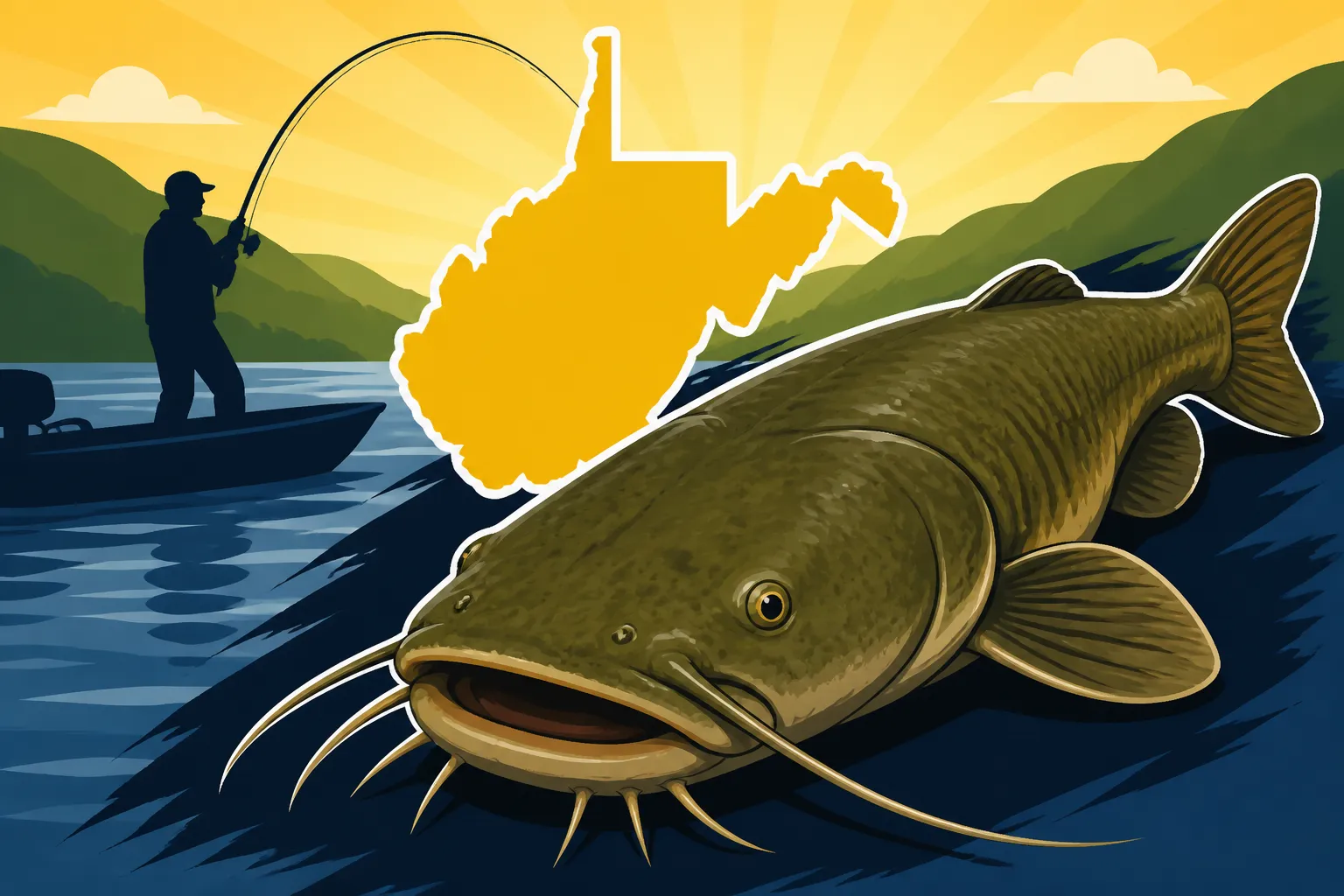
It’s a question that whispers among anglers along the banks of the Ohio River: just how big do those elusive flathead catfish actually get? For many, the flathead isn't just another fish; it's a behemoth, a shadowy resident of deep holes and snag-filled channels, capable of testing tackle and challenging even the most seasoned fisherman. This guide dives deep into the true potential size of these incredible fish in the Ohio River, exploring what makes them grow so large and how you can target these massive cats.
The Allure of Ohio River Flathead Catfish
There’s something undeniably captivating about flathead catfish, especially when you’re talking about the giants that lurk in the Ohio River. These fish aren't just big; they're prehistoric-looking, with their broad, flattened heads and often mottled, camouflaged bodies that blend perfectly with the river bottom. For many, catching a big flathead isn't just a fishing trip; it's an adventure into the wild, a testament to patience and persistence against a formidable opponent. The Ohio River, a historic waterway that borders West Virginia, provides the perfect habitat for these magnificent creatures to thrive and reach truly astounding sizes.
Why the Ohio River is a Flathead Haven
The Ohio River isn't just a river; it's a vast, complex ecosystem that has all the ingredients for growing giant flathead catfish. Think about it: deep scour holes carved out by centuries of current, endless submerged timber and rock piles providing perfect ambush points, and a rich abundance of diverse forage fish. Flatheads are predatory, preferring live bait, and the Ohio River is teeming with shad, carp, suckers, and various panfish – all on the flathead's menu. This steady, high-quality food source, combined with the river's sheer size and varied bottom structure, creates an environment where a flathead can grow old, fat, and incredibly large without too much effort, as long as they can find a good hidey-hole.
The navigation dams and locks along the Ohio River also play a significant role. These structures create powerful currents, deep tailwaters, and agitated water that can concentrate baitfish, in turn drawing in hungry flatheads. Below the dams, the churning water and deep holes become prime feeding grounds, especially during periods of high flow or when water levels fluctuate. It's in these areas, often ignored by those seeking other species, that the biggest flatheads stake out their territories. If you want to understand more about this unique environment, check out our guide on Flathead Catfish in the Ohio River.
Understanding Flathead Catfish Growth Factors
The size a flathead catfish can achieve isn't just a matter of luck; it's a complex interplay of environmental factors and genetics. First and foremost is the availability of food. As opportunistic predators, flatheads will eat almost anything that fits in their mouth, but they prefer live prey. A consistent supply of smaller fish means they don't have to expend excessive energy hunting, allowing them to conserve calories and convert more into growth. The warmer waters of the Ohio River for much of the year also contribute, as warmer temperatures generally mean higher metabolic rates and longer feeding periods, leading to faster growth.
Beyond diet, the age of the fish is a huge factor. Flatheads are long-lived fish, with some specimens in large rivers estimated to live for 20 years or more. A fish needs time to grow, and those truly massive flatheads you hear about have simply had many seasons to pack on pounds. Water quality, habitat stability, and fishing pressure also play a role. Rivers with stable, healthy ecosystems and less harvest pressure on larger fish tend to produce more trophy-sized individuals. When these factors align in a river system like the Ohio, you get a recipe for truly colossal catfish.
Unpacking the Size: How Big Do They Really Get?
When anglers talk about "how big" a fish gets, it's usually a blend of average expectations and the thrilling prospect of a once-in-a-lifetime monster. Flathead catfish in the Ohio River certainly offer both. While you'll encounter plenty of respectable, eater-sized flatheads, the river holds the potential for something far more substantial, something that will make your reel scream and your arms ache.
Average vs. Trophy Size Flatheads
For most anglers fishing the Ohio River, a "good" flathead might be anything from 10 to 25 pounds. These are solid, strong fish that offer a fantastic fight and can be a great meal. They're typically in the 28-inch to 36-inch range. However, when we start talking about "trophy" flatheads, the numbers jump significantly. A trophy flathead on the Ohio River generally starts around 40 pounds, often stretching beyond 40 inches in length. These fish are powerful, wise, and have earned their stripes (or spots, in this case).
The true giants, the legendary fish that push the boundaries, can easily exceed 50 pounds, with some reaching well into the 60, 70, or even 80-pound class. These are the fish that dominate the deep holes, often requiring specialized gear and a significant amount of dedication to track down. It’s not uncommon for reports of flatheads pushing these upper limits to come from the Ohio River, especially in its more remote or less pressured stretches. The difference between an average catch and a trophy is often years of growth, an undisturbed habitat, and a steady diet.
Here's a quick look at general size expectations for flathead catfish in a robust system like the Ohio River:
| Category | Weight Range (lbs) | Length Range (inches) | Typical Age (years) |
|---|---|---|---|
| Small/Young | 1-9 | 12-27 | 1-5 |
| Average Catch | 10-25 | 28-36 | 5-10 |
| Large/Veteran | 26-40 | 37-45 | 10-15 |
| Trophy | 40-70+ | 45+ | 15-20+ |
West Virginia State Records and Ohio River Giants
West Virginia boasts some truly impressive fish records, and the flathead catfish is no exception. While the West Virginia state record for flathead catfish isn't exclusively from the Ohio River, a significant number of the largest fish caught in the state have come from this mighty waterway. Anglers constantly chase that next record-breaking catch, and the Ohio River offers some of the best potential for it. Imagine the thrill of hooking into a fish that could potentially break the current state record – that's the kind of excitement the Ohio River offers!
The West Virginia state record flathead catfish weighed an incredible 70.05 pounds, caught from the Kanawha River. While the Kanawha River is a different system, it’s a major tributary to the Ohio River, sharing many of the same characteristics that allow flatheads to grow to immense sizes. This record is a testament to the robust flathead population and the ideal conditions that exist in West Virginia’s major river systems. The Ohio River itself is constantly yielding fish in the 50 to 60-pound range, and it's always just a matter of time before another giant makes headlines. For those looking to learn more about targeting these incredible fish, our guide on Catfish Fishing in West Virginia offers broader insights. If you want to know about other species, consult our Catfish Species Identification Guide for West Virginia.
Targeting Ohio River Flathead Catfish for Size
Catching a truly massive flathead isn't just about showing up with a rod and reel. It requires a thoughtful approach, understanding their habits, and using gear that can withstand the incredible power these fish possess. It's a game of patience, preparation, and sometimes, a little bit of luck.
Gear Up for Big Cats
When you’re targeting trophy flathead catfish, you absolutely cannot skimp on your gear. These aren't panfish, and a lightweight setup will be snapped or stripped in a heartbeat. You need heavy-duty equipment designed to handle fish that can easily outweigh a small child.
- Rods: Look for heavy to extra-heavy power rods, typically 7 to 9 feet long, with a moderate-fast action. This combination provides the backbone to horse a big fish out of heavy cover while still having enough tip to detect subtle bites. Brands like Ugly Stik and Okuma offer excellent, durable options that are widely available, and you can often find great deals on platforms like Amazon.
- Reels: A baitcasting reel is almost universally preferred for flathead fishing due to its power and line capacity. You’ll want a large, robust reel with a strong drag system. Look for models with a high maximum drag rating and a good gear ratio for winching in big fish. Capacity for at least 200-300 yards of heavy line is essential.
- Line: Braided line is the go-to for many serious flathead anglers. Its incredible strength-to-diameter ratio, zero stretch, and abrasion resistance make it ideal for fishing heavy cover and detecting faint bites. Choose a line in the 50-80 pound test range. Pair it with a heavy monofilament or fluorocarbon leader (40-80 pound test) to provide some shock absorption and extra abrasion resistance against sharp rocks and wood.
- Terminal Tackle: This is where the business happens. You'll need stout hooks, usually 7/0 to 10/0 circle hooks. Many anglers swear by circle hooks for flatheads because they set themselves in the corner of the fish's mouth, minimizing deep hooking and making catch-and-release much safer. For more on this, check out Best circle hook size for catfish. Heavy swivels (barrel or coastlock) and large, heavy-duty sinkers (3-8 ounces or more, depending on current) are also crucial to keep your bait on the bottom in the strong Ohio River currents.
Remember, every piece of your setup needs to be able to handle immense pressure. A weak link anywhere in the chain can mean losing the fish of a lifetime. You can find robust options for nearly every piece of gear on Amazon, from rods and reels to specialized hooks and heavy line.
Best Times and Locations for Trophy Flatheads
Finding big flatheads in the Ohio River is about understanding their behavior. They are primarily nocturnal predators, so Night Fishing Techniques for West Virginia Lakes or, in this case, rivers, are often your best bet for trophy fish. As soon as the sun starts to set, these fish become more active, moving out of their daytime lairs to hunt.
- Seasonality: While flatheads can be caught year-round, spring and fall are often considered prime times. In spring, as water temperatures rise, they become very active, feeding heavily before and after spawning. Fall sees them gorging themselves in preparation for winter. During the hottest summer months, they can still be caught, but often require fishing deeper during the day or focusing heavily on nighttime excursions. Best Time of Year to Fish in West Virginia can give you broader seasonal insights.
- Structure is Key: Flatheads love cover. Look for deep holes (often 20-50 feet or more), especially those with a lot of submerged timber, rock piles, or current breaks created by islands, points, or bridge pilings. These areas provide ambush points and protection from the current. The outside bends of the river, where the current carves deeper channels, are also fantastic spots. Don’t be afraid to use your electronics to locate these features and any baitfish schools.
- Live Bait is Paramount: Flatheads are visual predators and strongly prefer live bait. Common choices include live bluegills, sunfish, shad, suckers, or carp, typically in the 6-10 inch range (or larger for truly giant fish). Make sure your bait is lively and presented naturally on or near the bottom. This is where What flathead catfish eat becomes critical knowledge, as understanding their natural forage helps you select the best bait. Rig your live bait to swim enticingly, often with a slip-sinker rig that allows the fish to take the bait without immediately feeling the weight of the sinker. Our guide on Best Bait for Flathead Catfish at Night offers specific rigging strategies.
Patience is perhaps the most important tool you can bring. Flathead fishing, especially for big ones, isn't about constant casting and reeling. It's about setting up in a prime location, presenting a juicy live bait, and waiting for that tell-tale, slow, deliberate pull that signifies a true river monster has taken the bait. It’s a waiting game, but the reward is often worth every quiet minute.
Responsible Angling for Monster Flatheads
Catching a truly massive flathead catfish from the Ohio River is an incredible accomplishment, but it also comes with a responsibility to protect these magnificent fish for future generations. Trophy flatheads are old, slow-growing, and crucial to the ecosystem. Practicing responsible angling, especially catch and release for larger specimens, is vital to ensure these giants continue to swim the river.
Catch and Release for Future Giants
The biggest flatheads are often the oldest and most successful breeders. Removing them from the population can have a disproportionate impact on the health of the fishery. Many experienced flathead anglers advocate for releasing all trophy-sized fish (say, over 30 pounds) to ensure they can continue to spawn and contribute their strong genetics to the next generation of flatheads.
When you decide to release a big flathead, speed is of the essence, but careful handling is even more important. Have your camera ready for a quick photo, but don't keep the fish out of the water longer than necessary. Keep it horizontal, supporting its full weight, especially the belly. Avoid hanging it vertically by the jaw or gills, as this can cause internal damage. Wet your hands before handling the fish to protect its slime coat, which is a vital defense against disease.
If you’re fishing a tournament or planning to weigh a potential record, consider a livewell or a large cooler with an aerator to keep the fish healthy until it can be officially weighed and then released. Even if you're keeping smaller flatheads for the table – and they are delicious! – consider letting the true giants go. It's a way of giving back to the river that has given you so much joy.
Safety and Handling Big Fish
Handling a flathead catfish, especially a large one, requires caution. They are incredibly powerful, can thrash violently, and have sharp pectoral and dorsal fins that can inflict painful punctures. Always have a large, sturdy landing net or a heavy-duty lip gripper designed for big fish. A good pair of long-nosed pliers or a de-hooking tool is essential for safely removing hooks, especially if the fish has swallowed the bait. You can often find great options for these tools on Amazon, which can be delivered right to your door.
When bringing a big flathead into the boat or onto the bank, be prepared. Clear the area of any loose tackle or tripping hazards. If you're alone, it can be particularly challenging, so consider bringing a fishing partner when targeting these giants. If you're on a boat, use the current to your advantage, tiring the fish out beside the boat before attempting to net or land it. On shore, slide the fish onto a soft, wet surface if possible, rather than dragging it over abrasive rocks or gravel.
Respect for the fish and your own safety go hand-in-hand. Taking precautions not only protects you from injury but also maximizes the chances of a successful and healthy release for the fish. The thrill of catching a giant Ohio River flathead is unforgettable, and by practicing responsible angling, you ensure that thrill can be experienced by others for years to come.
Disclaimer
This article is for general informational purposes only and does not constitute professional advice. Laws, prices and regulations vary by location and change over time. Consult a qualified professional for guidance on your specific situation.