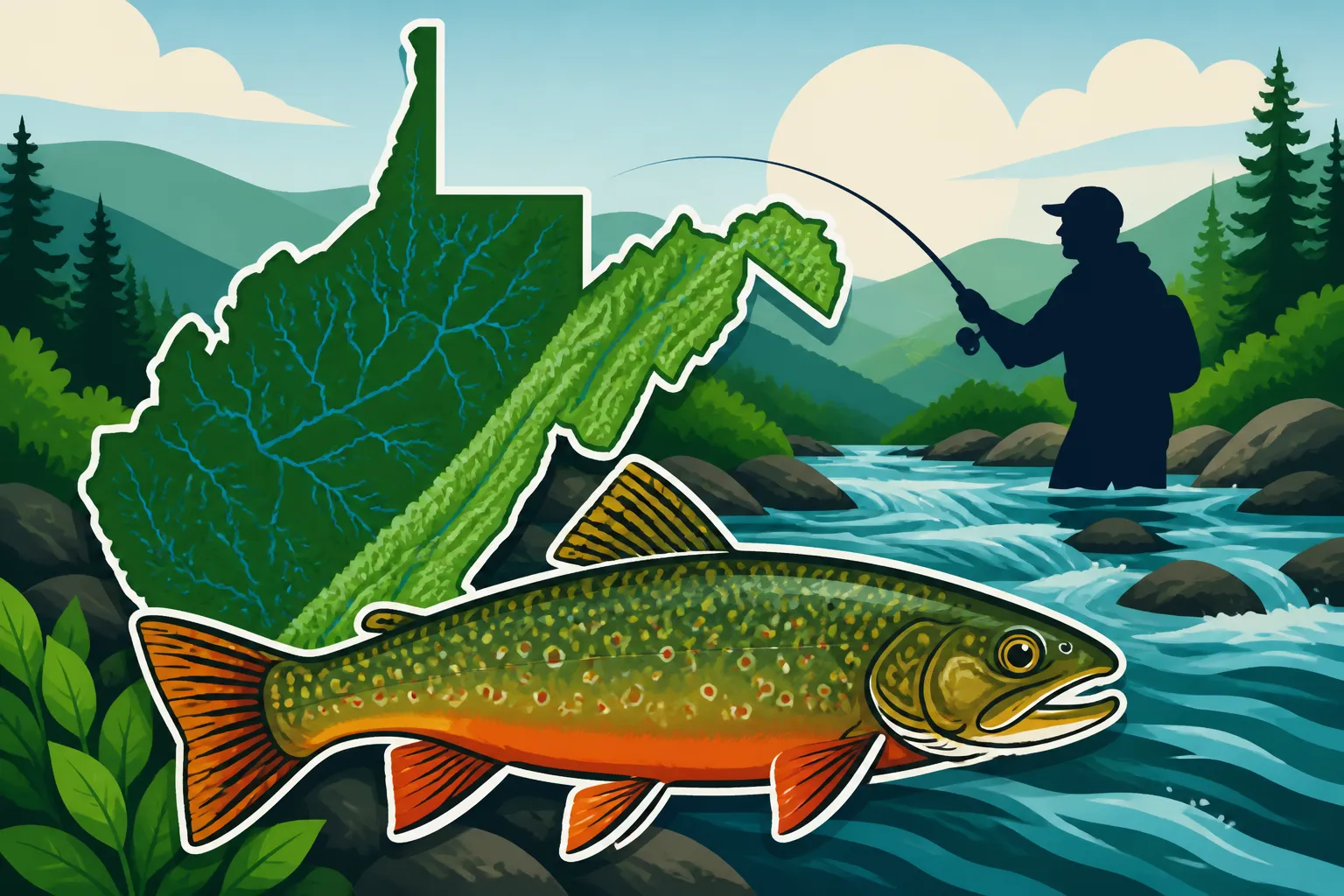
Brook Trout Native Range in West Virginia
There's a special kind of magic that calls to West Virginia anglers, a feeling that goes beyond simply catching fish. It's the yearning to find something truly wild, a living piece of history swimming in our pristine mountain streams. While stocked trout offer their own brand of fun, the pursuit of West Virginia's native brook trout – those iridescent jewels with their vermillion spots and iridescent fins – is a unique quest. This guide will take you deep into the heart of their ancestral homes, helping you understand where these precious fish still thrive, what makes their habitat so unique, and how we can all play a part in preserving them for generations to come.
The Brook Trout: West Virginia's Native Jewel
For many of us who grew up with a fishing rod in hand in the Mountain State, the brook trout holds a special place. It's not just a fish; it's a symbol of wilderness, resilience, and the untouched beauty of our headwater streams. These aren't the big, flashy trout you'll find in heavily stocked impoundments, but rather smaller, feistier, and infinitely more vibrant creatures that embody the spirit of wild West Virginia.
A Legacy in Our Waters
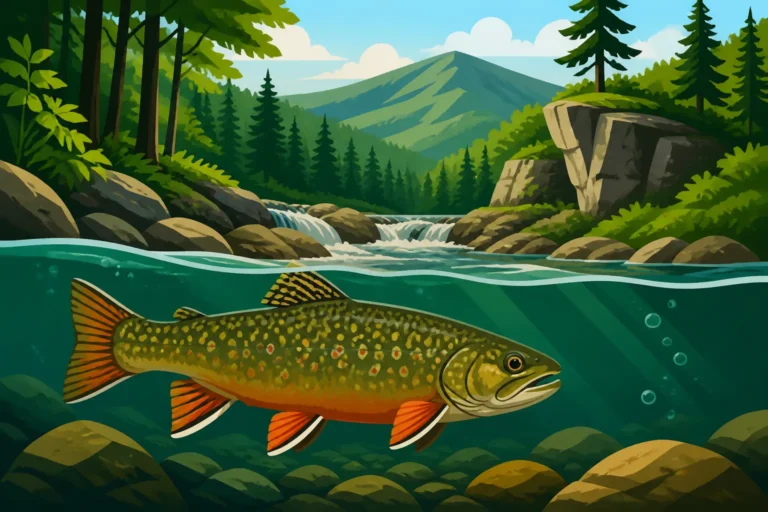
The brook trout, or Salvelinus fontinalis if you're getting scientific, is often called the "brookie" by those who love them most. They are West Virginia's official state fish, and for good reason. Their coloration is absolutely stunning – deep olive green backs with wavy, worm-like markings, fading to paler flanks adorned with red spots ringed in blue. Their fins have bright white leading edges, often tipped with black, that contrast dramatically with the orange and red hues. Catching one is like holding a living rainbow in your hand, a true testament to the health and purity of the water it calls home. They are, in essence, an indicator species; where you find robust populations of brook trout, you generally find healthy, clean stream ecosystems.
The emotional connection anglers have to these fish runs deep. It's not about the bragging rights of size, but the challenge of the hunt and the profound satisfaction of finding a truly wild creature in its ancestral habitat. There's a certain reverence involved, an understanding that you're interacting with a delicate and ancient lineage. This pursuit is often less about filling a creel and more about experiencing the solitude of a remote stream, listening to the whisper of the wind through hemlocks, and witnessing the sheer beauty of nature undisturbed. It’s a different experience entirely from fishing for the larger, often more cooperative, stocked rainbow trout that are plentiful in many of our more accessible waters.
Understanding where these native brookies still exist and what makes those habitats special is paramount, not just for our enjoyment as anglers but for the broader effort to protect them. Their native range has been significantly impacted over time, making the remaining strongholds even more vital. By focusing on these areas and practicing responsible angling, we contribute to the long-term health of these irreplaceable fish populations, ensuring that future generations can also experience the thrill of catching a wild West Virginia brook trout.
Distinguishing Wild from Stocked
It’s one thing to catch a trout, but it’s another to know you’ve caught a wild one, especially a native brook trout. Many anglers, particularly those new to the sport or visiting from out of state, might not realize the subtle yet significant differences between a fish raised in a hatchery and one that has spent its entire life battling currents and dodging predators in a mountain stream. The distinctions go beyond just where you find them; they're etched into the very appearance and behavior of the fish.
Visually, wild brook trout possess a vibrancy that is often dulled in hatchery-raised fish. Their colors are typically more intense and crisper, with those signature red spots ringed in blue popping against their flanks. The white leading edges of their fins, especially the pectoral and pelvic fins, are usually much more pronounced. Perhaps the most telling physical characteristic, though, is the condition of their fins. Hatchery environments, despite best efforts, often lead to some degree of fin erosion, especially on the dorsal and caudal (tail) fins, due to rubbing against concrete raceways or other fish. Wild brook trout, living in a natural environment, typically have perfect, unfrayed fins, a testament to their healthy, unimpeded growth.
Beyond aesthetics, the behavior of wild brook trout sets them apart. They are almost universally warier, more skittish, and acutely aware of their surroundings. Approach a wild brook trout stream carelessly, and you’ll likely spook every fish in the pool before you even get a cast in. They often hold in the deepest, most protected pockets, darting for cover at the slightest disturbance. Stocked fish, on the other hand, especially those recently released, can sometimes be surprisingly docile or disoriented. They haven't developed the same finely tuned survival instincts that their wild counterparts have, making them, at times, easier to catch but offering a different kind of angling experience. The true joy, for many, comes from the challenge and the deep satisfaction of outwitting a fish that has earned its stripes in the wild.
Tracing the Ancestral Waters: Historical Native Range
To truly appreciate the current distribution of West Virginia’s brook trout, we need to take a step back in time and understand what the landscape looked like before significant human alteration. It paints a picture of a pristine wilderness where brook trout weren’t just common, but truly ubiquitous in almost any suitable cold water.
Before European Settlement: A Pristine Wilderness
Imagine West Virginia a few centuries ago. Picture a dense, unbroken forest canopy stretching for miles across the Appalachian Mountains, punctuated by countless streams, rivers, and springs. This wasn't just any forest; it was a vast, ancient ecosystem where towering hemlocks and hardwoods created a shaded, cool environment from the highest ridges down to the valley floors. In this pristine landscape, virtually every cold, clear stream in the higher elevations and even many lower ones would have harbored thriving populations of brook trout. Their presence wasn't remarkable; it was simply the natural order.
The reason for this widespread distribution was simple: ideal habitat was everywhere. The extensive forest cover kept water temperatures consistently low and stable, even during the hottest summer months. Leaf litter and woody debris contributed to a rich invertebrate community, providing an abundant food source. The undisturbed banks meant minimal sedimentation, ensuring clean gravel beds essential for successful spawning. These streams were interconnected, allowing fish to move freely, accessing different habitats as needed throughout their life cycles, from small nursery rivulets to larger, deeper pools. All major headwater systems across what is now West Virginia, from the Potomac drainage in the east to the Cheat, Elk, and Greenbrier in the central mountains, and even portions of the New River watershed, would have teemed with brook trout.
This historical abundance underscores just how much these fish are intertwined with the very essence of West Virginia's natural heritage. They were a cornerstone of the aquatic ecosystem, resilient yet perfectly adapted to the specific conditions of these ancient mountain waters. The picture of this almost boundless distribution serves as a powerful reminder of what was lost, but also as an inspiration for the conservation efforts that aim to restore fragments of that past glory.
The Impact of Industrialization and Development
The arrival of widespread European settlement and, more critically, the dawn of the industrial age in West Virginia, brought about rapid and profound changes to the landscape. What had been a vast, interconnected network of pristine brook trout habitat quickly began to fragment and degrade under the relentless pressure of resource extraction and development. This period marked a dramatic turning point for our native trout populations.
Intensive logging practices, particularly during the late 19th and early 20th centuries, stripped vast tracts of old-growth forest. This deforestation immediately led to increased stream temperatures as protective canopy cover disappeared, and massive erosion resulted in streams becoming choked with sediment. Coal mining activities further devastated aquatic ecosystems; acid mine drainage (AMD) leached into countless streams, rendering them biologically sterile due to extreme acidity and heavy metal contamination. Even streams not directly impacted by AMD suffered from the runoff and pollution associated with mining infrastructure. These actions effectively wiped out brook trout populations from entire watersheds, pushing them into increasingly smaller and more isolated pockets.
Beyond these major industrial impacts, the construction of roads, railroads, and other infrastructure also took a heavy toll. Improperly installed culverts and small dams created impassable barriers, fragmenting once-contiguous populations. Fish could no longer migrate to find cooler water during droughts, access critical spawning grounds, or escape predators. This loss of connectivity meant that populations became genetically isolated and highly vulnerable to localized environmental disturbances. While brook trout are incredibly resilient survivors, their specialized needs for cold, clean water and complex stream structure made them particularly susceptible to these widespread changes. The current, often fragmented, native range is a direct legacy of this period of intensive development.
The Current Strongholds: Where Brook Trout Still Thrive
Despite the historical impacts that dramatically reshaped West Virginia’s aquatic landscapes, pockets of truly wild, native brook trout still exist. These strongholds are precious remnants of a bygone era, often found in the most rugged and least accessible corners of the state. They represent the last bastions where conditions remain sufficiently pristine for these delicate fish to survive and reproduce naturally.
High-Elevation Streams and Monongahela National Forest
When we talk about current brook trout strongholds in West Virginia, our thoughts immediately turn to the high-elevation streams, and more specifically, the vast and protected expanse of the Monongahela National Forest. This area is truly the beating heart of native brook trout country in the state. The critical factor here is elevation: higher altitudes inherently mean colder ambient temperatures, which translates directly to cooler stream water. This naturally cold water is often fed by springs and groundwater seepage, creating a stable thermal environment that brook trout absolutely depend on, even during the warmest summer months when lower-elevation streams become lethal.
Within the Monongahela National Forest, you'll find countless miles of streams and tributaries that harbor wild brook trout. Iconic areas like the headwaters of the Cheat River, the upper reaches of the Elk River, the famed Cranberry River drainage, and many tributaries flowing into the Greenbrier and Potomac systems are vital. These aren't always easily accessible, which is part of their protection. You’ll often need to hike miles through dense forest to reach them, carrying your gear, but the reward is often a glimpse into a truly wild ecosystem. The forest itself provides the essential canopy cover, shading the streams and maintaining crucial habitat components, while also mitigating erosion and filtering runoff. Anglers seeking these specific waters can find valuable insights in resources like High-elevation trout streams in the Monongahela National Forest or Shavers Fork Brook Trout Fishing for truly classic brook trout experiences.
The protective measures afforded by federal and state land designations within these forests are invaluable. The Monongahela National Forest, for example, is managed with conservation in mind, including efforts to maintain riparian buffers, improve stream habitat, and control access in sensitive areas. This institutional protection is a major reason why these cold, clear waters continue to provide refuge for thriving populations of native brook trout, offering hope and opportunities for anglers who cherish these unique fish. You might even find specific fishing regulations that cater to the unique conditions of these wild trout waters.
Remote and Unspoiled Tributaries
Beyond the well-known high-elevation strongholds, West Virginia's native brook trout also persist in countless remote and often unnamed tributaries that feed into larger river systems. These are the true hidden gems, the kind of places you stumble upon after a long hike, relying on a keen eye for subtle changes in topography or the faint whisper of falling water. These tiny streams, often no wider than a casting length, represent the purest sanctuaries for brook trout, largely because their inaccessibility protects them from the widespread degradation that has impacted more developed areas.
The key to these unspoiled tributaries is their dense forest cover. Even if they aren't at the absolute highest elevations, a thick canopy of native trees and shrubs provides constant shade, keeping water temperatures surprisingly cool even when the mercury climbs in the valleys. This shade also helps stabilize stream banks, preventing erosion and ensuring a clean, gravelly bottom essential for spawning. These streams are often characterized by steep gradients, which create natural aeration and plenty of pocket water, offering excellent cover and oxygenated flows that brook trout adore. The sheer wilderness surrounding these small trickles means less human disturbance, fewer pollutants, and a more intact natural food web.
Discovering these places is an adventure in itself. It’s not uncommon to consult detailed topographical maps (which you can often find great physical copies of on Amazon or through USGS) to identify promising blue lines that snake through vast tracts of forest. The joy of fishing these remote waters comes from the deep sense of exploration and the profound connection to an undisturbed natural world. When you finally reach one of these hidden jewels and cast a line, the vibrant flash of a wild brook trout emerging from under an undercut bank feels like a true reward, a secret shared with nature. These little havens are also critical for the overall health of larger systems, acting as nursery grounds and genetic reservoirs.
The Essential Habitat Components for Brook Trout
Brook trout aren't just any fish; they are true specialists when it comes to their habitat. Unlike some of their more tolerant cousins, brook trout have very specific requirements for where they live, eat, and spawn. Understanding these essential components is key to both finding them and appreciating the delicate balance of their existence.
Pristine Water Quality and Temperature
At the very top of a brook trout's needs list is cold, clean water. They are fundamentally a cold-water species, which means they absolutely cannot tolerate warm temperatures for extended periods. Generally, water temperatures consistently above 68°F (20°C) begin to stress brook trout significantly, leading to reduced feeding, slowed growth, and increased susceptibility to disease. Temperatures above 70-72°F (21-22°C) can be lethal. This thermal intolerance is why their native range is restricted to the cooler, higher-elevation streams and why they are so vulnerable to climate change and deforestation. Along with cold water, they require high levels of dissolved oxygen, which is naturally abundant in fast-flowing, cold mountain streams.
Beyond temperature, the chemical composition of the water is critical. Brook trout thrive in water that is relatively low in acidity and free from pollutants. West Virginia’s history with acid mine drainage (AMD) has unfortunately shown us firsthand how devastating poor water chemistry can be for these fish. Streams impacted by AMD become so acidic that they can't support any aquatic life, let alone sensitive trout. They also need clean, silt-free gravel for successful spawning, where the female digs a "redd" to deposit her eggs. Excess sediment can smother eggs, preventing them from hatching and disrupting their entire reproductive cycle. This need for clean water means that any land-use practices upstream that introduce sediment or pollutants can quickly degrade their habitat.
A crucial element in maintaining stable, cool temperatures, especially during summer droughts, is groundwater seepage and the presence of cold springs. These natural inflows provide a constant source of cold, oxygenated water, creating thermal refugia where brook trout can escape dangerously warm surface waters. Identifying areas with consistent spring inputs can often lead you to productive brook trout stretches, even when other parts of a stream might be too warm. These natural inputs are vital life support systems for brook trout, highlighting the intricate hydrological connection between the land and the stream.
Stream Structure and Cover
Beyond just clean, cold water, brook trout require a rich and varied stream structure to thrive. Imagine trying to live in an open, barren room – that's what a uniform, structure-less stream feels like to a brook trout. They are constantly looking for places to hide, rest, feed, and escape predators. The more complex and diverse the stream's physical characteristics, the better it is for brook trout.
What constitutes good brook trout structure? Think about undercut banks, where the current has carved out a protective overhang providing immediate shelter. Fallen trees, known as large woody debris (LWD), are absolute goldmines. These logs and branches create complex current breaks, deep pools, and ambush points for feeding on insects. Boulders, whether naturally occurring or dislodged by flood events, also offer crucial current breaks and hiding spots. The alternating pattern of deep pools, riffles (shallow, fast-flowing sections), and runs (smoother, moderate current) provides a mosaic of micro-habitats, allowing brook trout to move between feeding areas, resting spots, and safe havens. A truly healthy brook trout stream is never straight and uniform; it's a winding, jumbled tapestry of varied features.
Equally important is a healthy riparian zone – the strip of land directly adjacent to the stream. Native trees and shrubs along the banks are not just for aesthetics; they are absolutely essential. They provide shade, which directly impacts water temperature, and their root systems stabilize the banks, preventing erosion that would otherwise dump silt into the stream. Additionally, insects from these riparian plants fall into the water, providing a crucial food source for the trout. A thick, diverse riparian buffer is basically the stream’s immune system, protecting it from external stresses and creating a vibrant, productive ecosystem. Without this natural buffer, even the cleanest headwaters would struggle to support a healthy brook trout population. This intricate web of physical elements ensures brook trout have everything they need to survive and flourish through all stages of their life cycle.
Conservation and the Future of West Virginia Brook Trout
The plight of the native brook trout in West Virginia is a poignant example of the delicate balance between human progress and environmental preservation. While their presence in certain strongholds offers hope, the threats they face are ongoing and complex, requiring dedicated conservation efforts to secure their future.
Ongoing Threats to Native Populations
Even in their remote strongholds, West Virginia's native brook trout populations are not immune to threats. Perhaps the most pervasive and insidious challenge is climate change. As global temperatures rise, even slight increases in stream temperatures during the crucial summer months can significantly reduce viable habitat. Streams that once remained consistently cool may now experience periods of thermal stress, shrinking the areas where brook trout can survive. This means that populations become even more fragmented and vulnerable, pushing them further up into the highest, most isolated headwaters. The future of Native trout species found in West Virginia hinges directly on our ability to mitigate this overarching threat.
Beyond climate, continued habitat degradation, even if not as widespread as the industrial-era logging and mining, still poses significant risks. Sedimentation from unpaved forest roads, poorly managed timber harvests on private lands, and localized development can all contribute to silt entering streams, smothering spawning beds and impacting invertebrate food sources. The integrity of those critical riparian zones can be compromised by seemingly minor disturbances, leading to warmer water and increased erosion. Moreover, the fragmentation of habitat from past barriers like culverts continues to isolate populations, reducing genetic diversity and making them less resilient to disease or localized environmental disasters.
Finally, competition from non-native fish species, particularly brown trout, remains a concern in some areas. Brown trout, introduced from Europe, are generally more tolerant of warmer water and can be highly predatory, often outcompeting or preying on the smaller, less aggressive brook trout. While brown trout also provide excellent angling opportunities, their presence in sensitive native brook trout waters can contribute to the decline of brookies. Understanding these dynamics is crucial for effective conservation, as highlighted in discussions about Invasive Fish Species in West Virginia Waters. The balancing act of managing for both native and non-native species requires careful thought and strategic planning.
Protecting and Restoring Wild Brookie Waters
Given the ongoing threats, the protection and restoration of wild brook trout waters in West Virginia are critical endeavors, requiring a collaborative effort from state and federal agencies, conservation organizations, and dedicated anglers. There's a real sense of urgency, but also a lot of passionate work being done on the ground.
Organizations like Trout Unlimited and the West Virginia Division of Natural Resources are at the forefront of these efforts. Much of their work focuses on habitat restoration projects that aim to reverse past damages. This can include anything from repairing eroding stream banks by planting native vegetation to strategically placing large woody debris to create better cover and habitat diversity. A significant aspect is addressing habitat fragmentation: replacing old, impassable culverts with stream-friendly designs that allow fish to move freely, reconnecting once-isolated populations. These efforts are literally rebuilding the aquatic infrastructure that brook trout need to thrive and ensuring Do Trout Reproduce Naturally in West Virginia Streams? is possible for more populations.
Furthermore, responsible forest management practices are essential, especially in areas like the Monongahela National Forest. This means prioritizing the health of riparian buffers, minimizing sediment runoff during logging operations, and actively remediating historical impacts like acid mine drainage, which involves complex engineering solutions to neutralize acidic waters. Education also plays a huge role. Anglers are often the first line of defense, observing changes in streams and advocating for protective measures. Learning about and adhering to West Virginia Catch and Release Rules for Trout is paramount in these delicate fisheries, ensuring that every wild fish caught has the best possible chance of survival and reproduction.
These restoration efforts are not quick fixes; they are long-term commitments that require sustained funding, scientific expertise, and community engagement. But the payoff is immense: healthier ecosystems, cleaner water, and the enduring presence of West Virginia's magnificent native brook trout for all to enjoy. Every small step, from a single angler practicing catch-and-release to a large-scale stream restoration project, contributes to a brighter future for these irreplaceable fish.
Engaging with West Virginia's Native Brook Trout
The journey to find and fish for West Virginia's native brook trout is about more than just the catch; it’s an immersive experience in the wild heart of the state. It demands respect, preparation, and a willingness to embrace the journey itself. For those willing to make the effort, the rewards are truly unforgettable.
The Ethics of Wild Trout Angling
When you step into a wild brook trout stream, you're entering a fragile ecosystem that demands the utmost respect. These fish are not just a recreational resource; they are a vital part of West Virginia's natural heritage, often living in delicate balance. The ethics of wild trout angling revolve around ensuring that our presence leaves no negative impact, allowing these populations to thrive undisturbed. This means adopting practices that prioritize the well-being of the fish and the environment.
Foremost among these is practicing strict catch-and-release. These fish are often small, slow-growing, and their populations can be sensitive. If you intend to release them, use barbless hooks, or at the very least, pinch down the barbs on your regular hooks. This minimizes injury and makes for a quicker, less stressful release. Handle the fish as little as possible, and always with wet hands, keeping them in the water as much as you can. A quick photo, if desired, should always prioritize the fish's health over the perfect shot. This respectful approach aligns with the spirit of preserving these unique creatures, a core tenet of West Virginia Catch and Release Rules for Trout.
Beyond the fish, the "leave no trace" philosophy is absolutely critical. These remote streams are often pristine precisely because they see little human traffic. Everything you pack in, you must pack out – including all trash, fishing line scraps, and any food waste. Avoid disturbing stream banks unnecessarily, and choose your path carefully to prevent erosion. The goal is to leave the stream looking exactly as you found it, if not better. The reward in these streams isn't measured in pounds or inches, but in the profound experience of connecting with nature and the satisfaction of knowing you've contributed to its preservation.
Gear and Techniques for Remote Waters
Fishing for native brook trout in West Virginia's remote headwaters often requires a different approach to gear and techniques than you might use for larger, more accessible waters. This isn't about power fishing or covering vast amounts of water from a boat; it's about stealth, precision, and efficiency, often while navigating challenging terrain.
For getting into these remote areas, lightweight and durable gear is paramount. You'll likely be hiking through dense woods, over slippery rocks, and possibly up steep grades. A small, ultralight spinning rod (4.5 to 6 feet long) paired with a small reel and light line (2-4 lb test) is perfect for slinging tiny spinners, spoons, or small jigs. If you're a fly angler, a short, lightweight fly rod (2-4 weight, 6.5 to 7.5 feet) will be your best friend. A weight-forward floating line and a tapered leader (5x or 6x) are ideal for presenting small dry flies, nymphs, or even tiny streamers in tight quarters. Resources like Best Fly Rods for West Virginia Trout Streams can offer more specific advice on appropriate setups. Remember, these streams are often overgrown, so shorter rods make casting in tight spots much easier.
Simple tackle is the name of the game. For spinning gear, classic inline spinners like Mepps or Panther Martins in sizes 0 or 1, tiny spoon lures, or small jigs with grub bodies often do the trick. For fly fishing, a selection of terrestrial patterns (beetles, ants, hoppers) for summer, various attractor dry flies (Parachute Adams, Royal Wulff), and basic nymph patterns (Prince, Pheasant Tail) will cover most situations. Don't forget a small pair of nippers, forceps for hook removal, and a spool of tippet. You can find many of these essential items readily available on Amazon, making it easy to stock up before your adventure. A small backpack with water, snacks, a basic first-aid kit, and perhaps a water filter from Amazon is also crucial for safety and comfort on longer treks.
Finally, proper footwear is non-negotiable. Sturdy, comfortable hiking boots are a must for the approach, and if you plan to wade, robust wading boots with good ankle support are essential for navigating slippery rocks and uneven stream bottoms. Many anglers prefer rubber soles with studs or felt soles for better traction on the mossy, wet rocks common in these streams. A collapsible wading staff can also be a literal lifesaver in fast or deep currents, providing crucial stability. Always carry a reliable map or GPS device – many modern smartphones have excellent mapping capabilities, but consider downloading offline maps since cell service is often nonexistent in these deep woods. You can find excellent waterproof topographical maps and navigation aids on Amazon to ensure you don't get lost. Prepare wisely, and you'll be set for an incredible journey into West Virginia's wild trout country.
| Feature | Ideal Brook Trout Stream | Less Ideal Stream / Impacted Stream |
|---|---|---|
| Water Temperature | Consistently cold (below 68°F/20°C), especially in summer | Fluctuates widely, often warmer than 70°F |
| Water Quality | Clear, clean, low acidity, high oxygen | Turbid, polluted (e.g., acid mine drainage), low oxygen |
| Stream Cover | Abundant undercut banks, logs, boulders, deep pools | Open, uniform banks, sparse cover |
| Riparian Zone | Dense native forest canopy, stable banks | Sparse vegetation, eroded banks, open to sun |
| Substrate | Clean gravel for spawning, varied bottom | Silted, muddy, uniform bottom |
| Gradient | Often moderate to steep, well-oxygenated riffles | Slow, stagnant sections, or heavily channelized |
| Connectivity | Unimpeded flow, no barriers to migration | Culverts, dams, fragmented habitat |
| Angler Access | Often remote, requires hiking | Easily accessible, high human traffic |
Disclaimer
This article is for general informational purposes only and does not constitute professional advice. Laws, prices and regulations vary by location and change over time. Consult a qualified professional for guidance on your specific situation.