Endangered and Protected Fish Species in West Virginia
There's a special magic to fishing in West Virginia, isn't there? From the ancient New River to the pristine mountain streams, our waters are teeming with life. But beneath the surface, a quiet struggle is underway. Many of our unique aquatic residents face serious threats, and understanding which fish species are endangered or protected, and why, is crucial for every angler who cares about the future of our wild and wonderful waters. This guide will walk you through the delicate balance of West Virginia's aquatic ecosystems and how you can be a part of their preservation.
Why West Virginia's Fish Need Protection: Understanding the Challenges
It's easy to think of our fish populations as infinite, especially when you're pulling in a healthy bass or a feisty trout. But the truth is, many factors are putting immense pressure on West Virginia's native fish, some to the point of extinction. These aren't just abstract environmental issues; they directly impact the health of our fisheries and the very fish we love to pursue. It's a complex web, and understanding these challenges is the first step toward becoming a more responsible and effective conservationist.
Habitat Loss and Degradation
One of the most immediate and devastating threats to West Virginia's fish is the loss and degradation of their natural habitats. Think about it: fish need clean water, stable stream banks, and diverse structures like riffles, pools, and submerged logs to thrive. When these elements are compromised, entire populations can suffer.
From legacy issues like acid mine drainage, which can turn entire stream sections devoid of life, to modern concerns like increased sedimentation from construction and logging, our aquatic environments are constantly under siege. When heavy rains wash soil into streams, it smothers spawning beds, fills in deep pools, and clouds the water, making it impossible for sight-feeding fish to hunt. Chemical runoff from agricultural areas or urban development can introduce pollutants that are directly toxic or disrupt the food chain. Even something as seemingly benign as bank erosion can dramatically alter a stream's character, reducing crucial cover and foraging areas for fish. We've seen firsthand how a pristine stream can be reduced to a muddy ditch over time if proper land management isn't practiced upstream.
Climate Change Impacts
While it might seem like a distant global issue, climate change is already having tangible effects on West Virginia's fish. Our state is known for its cold-water fisheries, especially our beloved trout streams. These species are highly sensitive to water temperature fluctuations.
As average air temperatures rise, so do water temperatures in our rivers and streams. This can push cold-water fish, like native brook trout, out of their preferred thermal ranges. They become stressed, more susceptible to disease, and their reproductive success can plummet. Imagine trying to live in a house that's constantly too hot – you'd struggle to thrive, wouldn't you? Furthermore, altered precipitation patterns, whether more intense rain events leading to flash floods or prolonged droughts causing streams to dry up, disrupt natural flow regimes. Floods can scour stream beds, destroying insect larvae and dislodging fish, while droughts can concentrate pollutants and reduce available habitat to isolated pools. This directly impacts species that rely on stable conditions for spawning and survival, especially those that are already struggling to maintain a foothold.
Invasive Species Threats
It's not just about what we lose, but also what unwelcome guests arrive. Invasive species are a serious problem in West Virginia, competing with, preying on, and even hybridizing with our native fish. These non-native intruders often have no natural predators in our ecosystems and can outcompete native species for food and habitat.
Take, for example, the spread of certain non-native game fish or even bait bucket species that escape into new waters. They can introduce diseases, alter food webs, and disrupt delicate ecological balances that have evolved over millennia. When you introduce a species that grows faster or is more aggressive, it can quickly dominate, pushing out the more specialized native residents. This is a battle fought in subtle ways, often unnoticed by the casual observer, but its impact can be profound and irreversible for our vulnerable native fish populations. You can learn more about these unwelcome guests in our article on Invasive Fish Species in West Virginia Waters.
The Regulatory Framework: How West Virginia Protects Its Fish
Understanding the threats is one thing, but knowing how these vulnerable species are protected by law is another. West Virginia, in conjunction with federal agencies, has a framework in place designed to safeguard these precious aquatic resources. It's a system that balances conservation needs with recreational opportunities, and it requires all of us, especially anglers, to be informed and compliant. Without these regulations, the future of many of our unique fish populations would be even more uncertain.
State and Federal Protections
The protection of endangered and threatened species in West Virginia is a joint effort between state and federal agencies. At the state level, the West Virginia Division of Natural Resources (WV DNR) plays a critical role in managing fish populations, conducting research, and enforcing state fishing regulations. They identify species of concern and implement conservation plans tailored to West Virginia's unique ecosystems.
Federally, the Endangered Species Act (ESA) is the cornerstone of protection for species at risk across the United States. When a species is listed under the ESA, it receives broad protections, making it illegal to harass, harm, pursue, hunt, shoot, wound, kill, trap, capture, or collect that species. This powerful law provides a safety net for species facing the most severe threats, including some of West Virginia's own aquatic residents. Understanding these layers of protection is vital, as violations can carry significant penalties. The WV DNR works closely with federal partners to ensure these protections are upheld, often through surveys, habitat work, and public education campaigns. If you're looking for general fishing regulations, check out West Virginia Fishing Regulations Explained.
Special Regulation Waters
Beyond species-specific protections, certain water bodies in West Virginia are designated as "Special Regulation Waters." These areas have unique rules designed to protect sensitive fish populations, often involving stricter size limits, tackle restrictions, or mandatory catch-and-release policies. These regulations are put in place because these waters either harbor critically important native fish, contain delicate ecosystems, or are part of a targeted restoration effort.
For example, some streams might have fly-fishing-only rules to reduce mortality, or specific sections of rivers might have slot limits designed to protect a particular size class of fish crucial for reproduction. Anglers fishing in these areas have a heightened responsibility to know and follow these rules meticulously. It's not just about avoiding a fine; it's about actively contributing to the survival of the fish populations in those specific areas. Always consult the latest Reading the West Virginia Fishing Regulations Summary before heading out, especially to a new spot, as these rules can change and vary significantly from one stream to another. You can dive deeper into this topic with Special Regulation Waters in West Virginia.
Catch and Release Mandates
For many of West Virginia's vulnerable or recovering fish populations, catch and release isn't just a suggestion—it's often a mandatory regulation. This practice is critical for allowing fish to survive, grow, and reproduce, thereby contributing to the health and sustainability of the fishery. It's a simple concept, but proper technique is paramount to ensure the fish's survival after release.
These mandates are particularly common for threatened species, but also for popular game fish in certain areas where conservation is a priority. For instance, some trophy trout waters or specific sections of rivers known for strong bass populations might require all fish to be immediately released. The goal is to minimize stress and physical harm to the fish, giving them the best possible chance of recovery once they swim away. Anglers must be prepared with the right tools and knowledge to handle fish gently, unhook them quickly, and return them to the water without undue stress. Learning how to properly unhook and revive a fish is just as important as knowing how to catch it in the first place. Our guide on West Virginia Catch and Release Rules for Trout offers more specific advice.
Spotlight on West Virginia's Endangered Fish Species
When we talk about endangered fish, we're not just discussing numbers; we're talking about unique pieces of West Virginia's natural heritage that are on the brink. These are species with fascinating stories, often found only in specific corners of our state, making their protection all the more critical. Their survival depends on our collective awareness and efforts.
Candy Darter: A Colorful Gem in Peril
One of West Virginia's most charismatic and critically endangered fish is the candy darter (Etheostoma osburni). This small, vibrantly colored fish is a true gem of our aquatic ecosystems, adorned with brilliant blues, reds, and oranges, especially during spawning season. Unfortunately, its beauty is matched only by its precarious existence. The candy darter is found only in a handful of clear, cool streams within the Gauley, Greenbrier, and New River drainages in West Virginia and Virginia.
The primary threat to the candy darter's survival is habitat degradation, particularly from sedimentation and pollution, which smother the clean gravel and cobble bottoms where it feeds and spawns. Even more critically, the candy darter faces a severe threat from hybridization with the invasive variegate darter (Etheostoma variatum). Where the two species coexist, they interbreed, leading to a loss of the pure candy darter genetic strain. This hybridization is a major reason why the species is federally listed as endangered, as its very genetic identity is being diluted. Conservation efforts are focused on protecting remaining pure populations, controlling invasive species, and restoring habitat. You can read more about its status in West Virginia candy darter protected status.
Diamond Darter: The Ohio River's Rare Resident
Another incredibly rare and fascinating species is the diamond darter (Crystallaria cincotta). Unlike its colorful cousin, the diamond darter is a translucent, almost ghostly fish, perfectly camouflaged in the riverbed. It's a bottom-dwelling species that prefers large, flowing rivers with clean, sandy and gravelly substrates. In West Virginia, the diamond darter is known only from a few sites in the Ohio River mainstem and some of its larger tributaries, making it exceptionally vulnerable.
The challenges facing the diamond darter are primarily related to water quality and habitat alteration in large river systems. Industrial pollution, sediment runoff, and the modification of river flows by dams and dredging can severely impact its specific habitat requirements. Its rarity makes it difficult to study, but ongoing research is crucial to understanding its life history and specific needs for survival. The diamond darter's presence is an indicator of a healthy large river ecosystem, and its decline signals broader problems for our major waterways. Protecting this elusive fish requires a concerted effort to improve water quality and maintain natural river processes, which benefits countless other species as well. Learn more about this specific species in What the diamond darter is and why it is protected.
Other Species Under Watch
While the candy darter and diamond darter are currently the highest profile endangered fish in West Virginia, several other species are considered "species of concern," "threatened," or are under active review. These might include various darter species, freshwater mussels (which are not fish, but are integral to aquatic ecosystems and often share similar threats), or even specific populations of more common fish that are experiencing significant local declines.
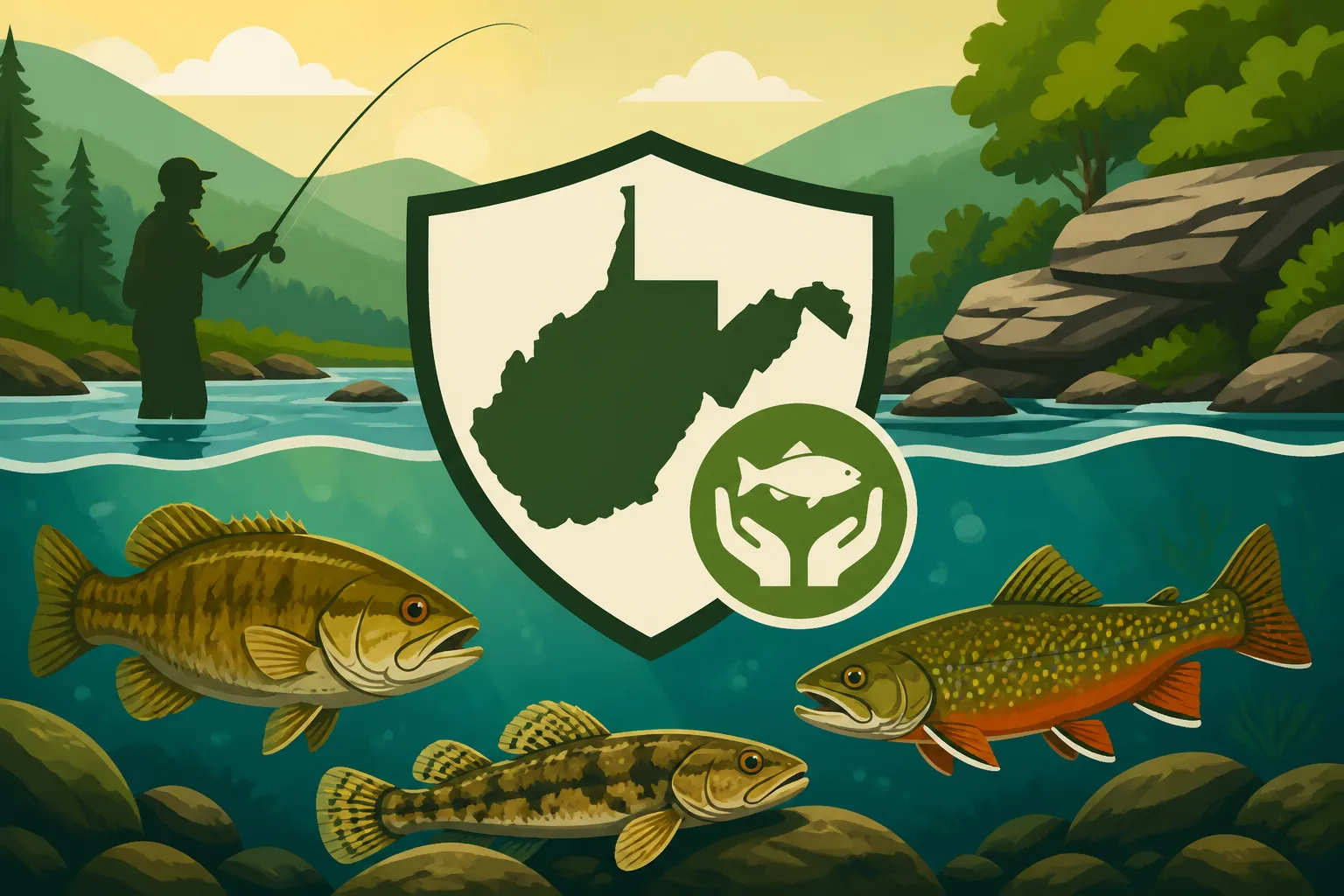
For instance, certain populations of native brook trout in specific headwater streams are carefully monitored due to habitat fragmentation or increased water temperatures. While brook trout as a species aren't endangered overall, the genetic integrity and health of unique local populations are extremely important. These "species of concern" represent a vital early warning system. By monitoring their health and addressing the issues they face, we can often prevent them from reaching a truly endangered status. The WV DNR, along with academic researchers, continually assesses the health of these populations to ensure proactive conservation measures can be put in place before it's too late.
What Anglers Can Do: Responsible Fishing Practices
As anglers, we're often the first line of defense and observation on our waterways. Our actions, both on and off the water, have a direct impact on the health of West Virginia's fish populations, especially those that are rare or protected. Being a responsible angler means more than just following the rules; it means understanding the delicate balance of the ecosystem and actively working to preserve it.
Identifying Protected Species
One of the biggest challenges for anglers is identifying rare or protected species, especially small fish that might not look like typical game fish. Many endangered fish are darters or other small, benthic species that might be caught accidentally. It’s incredibly important to be able to recognize these fish quickly.
Carrying a good field guide specific to freshwater fish of the Appalachian region can be invaluable. You can find excellent guides on platforms like Amazon that illustrate various species, their key identification marks, and typical habitats. Familiarize yourself with the images and descriptions of endangered species known to inhabit the waters you plan to fish. Pay attention to unique markings, fin characteristics, and overall body shape. If you catch something you don't immediately recognize, or if it has unusual colors or patterns, assume it might be a protected species. When in doubt, it's always best to practice immediate and careful release. Knowing your local fish species, even the tiny ones, is a mark of a truly dedicated and responsible angler.
Handling and Releasing Fish Safely
If you accidentally catch a protected species, or any fish you intend to release, proper handling is absolutely critical to ensure its survival. A fish's chances of survival dramatically decrease with rough handling, prolonged time out of water, or damage to its delicate slime coat and gills.
Here are some best practices:
- Minimize Air Exposure: Keep the fish in the water as much as possible. If you must remove it, do so only for a quick photo and return it immediately.
- Wet Hands: Always wet your hands before touching a fish. Dry hands can remove the protective slime coat, leaving the fish vulnerable to infection.
- Support the Fish: Support the fish horizontally, especially larger ones, to avoid damaging its internal organs or spine. Avoid holding it vertically by the jaw.
- Use Barbless Hooks: Consider using barbless hooks, or crimp the barbs on your existing hooks. They are much easier to remove, causing less damage.
- Pliers or Hemostats: Keep long-nosed pliers or hemostats handy for quick hook removal.
- Revive Gently: If a fish seems sluggish, hold it gently in the water, facing upstream, and allow water to flow over its gills until it swims away strongly.
Remember, the goal is for that fish to thrive and reproduce, not just to survive the immediate encounter. These gentle practices are key to ensuring the future of our fisheries.
Reporting Sightings and Violations
You are an extra set of eyes and ears on the water, and your observations can be incredibly valuable to conservation efforts. If you believe you've accidentally caught and identified a protected species, or if you observe suspicious activity that could harm fish populations, reporting it to the authorities is a critical step.
This could include anything from spotting illegal dumping, observing significant pollution events, or witnessing someone violating fishing regulations (such as keeping undersized fish or exceeding bag limits in sensitive areas). The WV DNR relies on reports from concerned citizens to help them monitor ecosystems and enforce laws. Don't hesitate to contact the DNR directly if you see something amiss. They have dedicated hotlines and online reporting systems for such instances. Your report, even if it seems small, can contribute to larger investigations and help protect our waters for everyone. For general questions or to purchase licenses, you can typically use the WVhunt system online, similar to How to buy a West Virginia fishing license online.
Beyond Angling: Broader Conservation Efforts
While individual angler practices are incredibly important, the bigger picture of fish conservation involves much broader, collaborative efforts. These initiatives often happen behind the scenes but are vital for the long-term health of West Virginia's aquatic environments. They require scientific expertise, dedicated funding, and the cooperation of various stakeholders, all working towards a common goal of preserving our natural heritage.
Habitat Restoration Projects
Restoring degraded habitats is a cornerstone of fish conservation. It's not enough to simply protect existing populations; we often need to repair the damage that has already occurred. In West Virginia, these projects can range from cleaning up abandoned mine lands to stabilizing eroding stream banks and planting native vegetation.
When stream banks are revegetated, they provide shade, reducing water temperatures beneficial for trout and other cold-water species. The root systems of these plants also stabilize the soil, preventing erosion and reducing sediment runoff into the water. In-stream habitat improvements, such as adding logs or boulders to create complex cover and varied flow patterns, provide crucial refuge and feeding areas for fish. There are countless organizations, both state and local, that are actively involved in these hands-on restoration efforts. These projects often involve significant volunteer labor, demonstrating the deep commitment many West Virginians have to their local waterways.
Research and Monitoring Programs
Effective conservation is always built on sound science. The WV DNR, along with university researchers and federal agencies, conducts extensive research and monitoring programs to understand the health of our fish populations and the ecosystems they inhabit. This involves everything from electrofishing surveys to assess fish numbers and diversity, to water quality testing and genetic analysis of specific populations.
By continuously monitoring fish populations, scientists can detect declines early, identify potential threats, and evaluate the effectiveness of conservation strategies. For instance, knowing the spawning habits and habitat preferences of a species like the candy darter helps inform where to focus restoration efforts. Genetic research can identify distinct populations and help prevent further hybridization. These programs are essential for making informed decisions about resource management and ensuring that our conservation efforts are targeted and impactful.
Community Involvement and Advocacy
Conservation isn't just for scientists and government agencies; it's a community effort. Anglers and non-anglers alike have a crucial role to play in advocating for healthy waterways and supporting conservation initiatives. Local watershed groups, environmental organizations, and fishing clubs are often at the forefront of these efforts.
Getting involved could mean volunteering for a stream cleanup, participating in citizen science projects (like water quality monitoring), or attending public meetings to voice concerns about local environmental issues. Even simply educating your friends and family about the importance of protecting endangered species and practicing responsible angling contributes significantly. Supporting conservation organizations through donations or memberships also provides vital funding for research and restoration. Our West Virginia Boating Laws for Anglers also touches on responsible behavior on the water, which extends to respecting the environment and its inhabitants.
Frequently Asked Questions About Protected Fish
It's natural to have questions when you're navigating the complexities of protected species and regulations. Here are some of the common questions anglers and concerned citizens have about West Virginia's endangered and protected fish.
Can You Keep a Candy Darter?
Absolutely not. The candy darter is a federally endangered species. This means it is illegal to "take" (which includes harass, harm, pursue, hunt, shoot, wound, kill, trap, capture, or collect) a candy darter. If you accidentally catch one, you must release it immediately and unharmed.
Even if you intend to release it, causing unnecessary harm or keeping it out of water for too long could be considered a violation. It's critical that anglers are familiar with the appearance of the candy darter, especially if fishing in its known habitats within the Gauley, Greenbrier, and New River drainages. The most responsible action is to practice careful catch-and-release techniques for all fish in these sensitive areas. The goal is to give this beautiful, imperiled species every chance of survival. For more details on this, refer to Can You Keep a Candy Darter If You Catch One?.
What is the Penalty for Harming a Protected Fish?
Violating state or federal endangered species laws can carry severe penalties, both financially and legally. For federally protected species like the candy darter or diamond darter, penalties under the Endangered Species Act can include substantial fines per violation and even imprisonment. These aren't minor infractions; they are serious offenses designed to deter actions that could push a species closer to extinction.
The exact penalty can vary depending on the specific species, the nature of the violation, and whether it was intentional. However, even accidental harm if resulting from negligence can lead to serious consequences. The WV DNR works with federal agencies to enforce these laws. Beyond the legal ramifications, the ethical responsibility of an angler is to protect these rare species. These penalties underscore the gravity of taking or harming a protected fish and serve as a strong deterrent to ensure their survival. You can review general penalties for fishing without a license or other violations in Fishing Without a License in West Virginia: Penalties.
How Can I Learn More About Local Conservation?
There are many avenues to educate yourself further and get involved in local conservation efforts in West Virginia. The best place to start is often with the West Virginia Division of Natural Resources (WV DNR) website. They provide up-to-date information on endangered species, fishing regulations, and various conservation programs.
Beyond the DNR, look for local watershed associations, environmental non-profits, and university extension programs. Many of these groups host public events, workshops, and volunteer days focused on habitat restoration, water quality monitoring, and educational outreach. Checking out local fishing clubs can also connect you with experienced anglers who are often deeply involved in conservation on their favorite waters. Additionally, reputable outdoor magazines and online resources (like our own blog!) often cover specific conservation issues and offer practical advice. Consider searching for books on Appalachian ecology or West Virginia's natural history on Amazon to deepen your understanding of the unique environment we call home. The more you learn, the more empowered you become to make a difference.
| Species Name | Conservation Status | Primary Habitat | Key Threats | What Anglers Should Know |
|---|---|---|---|---|
| Candy Darter | Federally Endangered | Clear, cool streams (Gauley, Greenbrier, New R. Drainages) | Habitat degradation (sedimentation), hybridization with Variegate Darter | Do not handle; release immediately if accidentally caught. |
| Diamond Darter | Federally Endangered | Large, flowing rivers (Ohio River mainstem, tributaries) | Water quality degradation, habitat alteration (dams, dredging) | Extremely rare; release immediately if caught. |
| Native Brook Trout | Species of Concern (local populations) | Cold, pristine headwater streams, high elevations | Habitat fragmentation, climate change (warming waters), competition | Often found in special regulation waters; practice catch-and-release. |
| if in this guide, we're talking about taking care of West Virginia's beautiful waterways, and sometimes that means a little deeper digging into the complexities of regulations and best practices. It might seem daunting at first, but protecting our precious aquatic ecosystems and the creatures that call them home is a responsibility we all share, especially as anglers who enjoy their bounty. Every single one of us can make a significant difference, from how we handle a fish we intend to release to how we educate ourselves about the delicate balance of our local streams and rivers. |
This article is for general informational purposes only and does not constitute professional advice. Laws, prices and regulations vary by location and change over time. Consult a qualified professional for guidance on your specific situation.