Can You Keep a Candy Darter If You Catch One?
It’s a moment many West Virginia anglers dream of: reeling in a fish so vibrant and unlike anything you've seen before. The colors explode, a kaleidoscope of orange, red, blue, and green, shimmering right there in your hands. But then a question hits you – what is this magnificent creature? And more importantly, can you keep it? When it comes to the stunning Candy Darter, the answer, unfortunately, is a firm no. This guide will walk you through why this tiny marvel is so special, the critical rules surrounding it, and exactly what you need to do if you're lucky enough to encounter one in our beautiful Mountain State waters.
The Mesmerizing Candy Darter: West Virginia's Aquatic Jewel
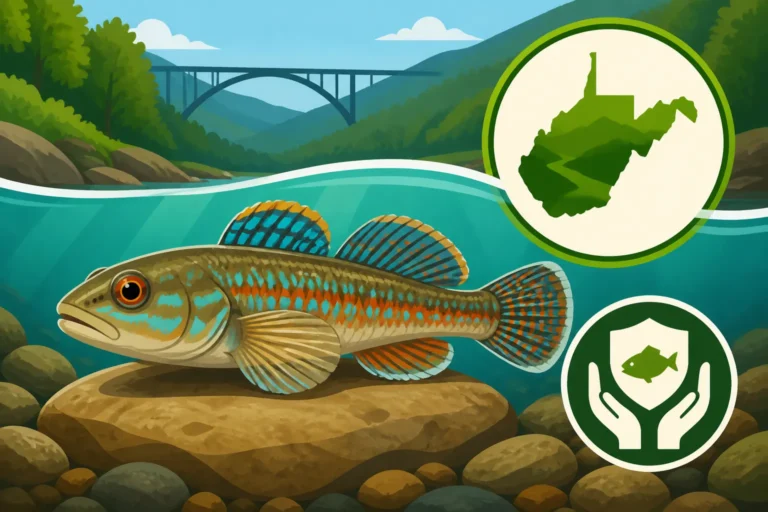
Imagine holding a miniature rainbow in your hand, a living jewel darting through the clear currents of a mountain stream. That's essentially what catching a Candy Darter feels like. These small, bottom-dwelling fish are renowned for their absolutely breathtaking coloration, especially the males during spawning season. Their flanks shimmer with stripes of vivid orange, deep red, turquoise, and emerald green, creating a mosaic that few other fish in North America can rival. For an angler accustomed to the more subdued tones of a typical stream fish, encountering a Candy Darter is an unforgettable experience, a testament to the incredible biodiversity hidden beneath the surface of our rivers.
These tiny marvels aren't just pretty faces; they are an integral part of specific, fragile aquatic ecosystems. Candy Darters thrive in very particular conditions: clear, cool, flowing water with pristine, rocky bottoms where they can hide and hunt for small invertebrates. You won't find them in muddy, slow-moving rivers or stagnant ponds. Their survival is intimately tied to the health of their habitat, making them a true indicator species. If Candy Darters are flourishing, it's a good sign that the water quality and stream environment are in excellent shape. Their presence is a badge of honor for a watershed.
What makes the Candy Darter even more special – and critically important – is its extremely limited range. These fish are endemic, meaning they are found nowhere else in the world except for a handful of rivers and their tributaries in southwestern Virginia and southeastern West Virginia, primarily within the New River and Gauley River drainage systems. Think about that for a moment: this burst of color is unique to our region. This kind of biological exclusivity makes them incredibly valuable from a scientific and ecological perspective, but it also makes them incredibly vulnerable. You can learn more about these unique fish and their homes in our article Fish species unique to the New River drainage.
Unfortunately, the very specific habitat requirements that make the Candy Darter so unique also make it highly susceptible to environmental changes. Habitat loss, sedimentation from logging and development, pollution, and the introduction of invasive species have all chipped away at their populations. This is why, despite their small size, they carry a huge weight of importance in the conservation world. Their plight has garnered national attention, leading to their protection, which is something every angler needs to understand.
The Weight of Protection: Why Catch and Release is Mandatory
This brings us to the crucial point: the Candy Darter is not just a rare fish; it is a federally protected species. In fact, it's listed as an endangered species under the U.S. Endangered Species Act. What does this mean for you, the angler? It means that any possession of a Candy Darter, no matter how brief, is strictly prohibited by law. This isn't just a West Virginia state regulation; it's a federal mandate. For more on other sensitive species, check out our guide on Endangered and Protected Fish Species in West Virginia.
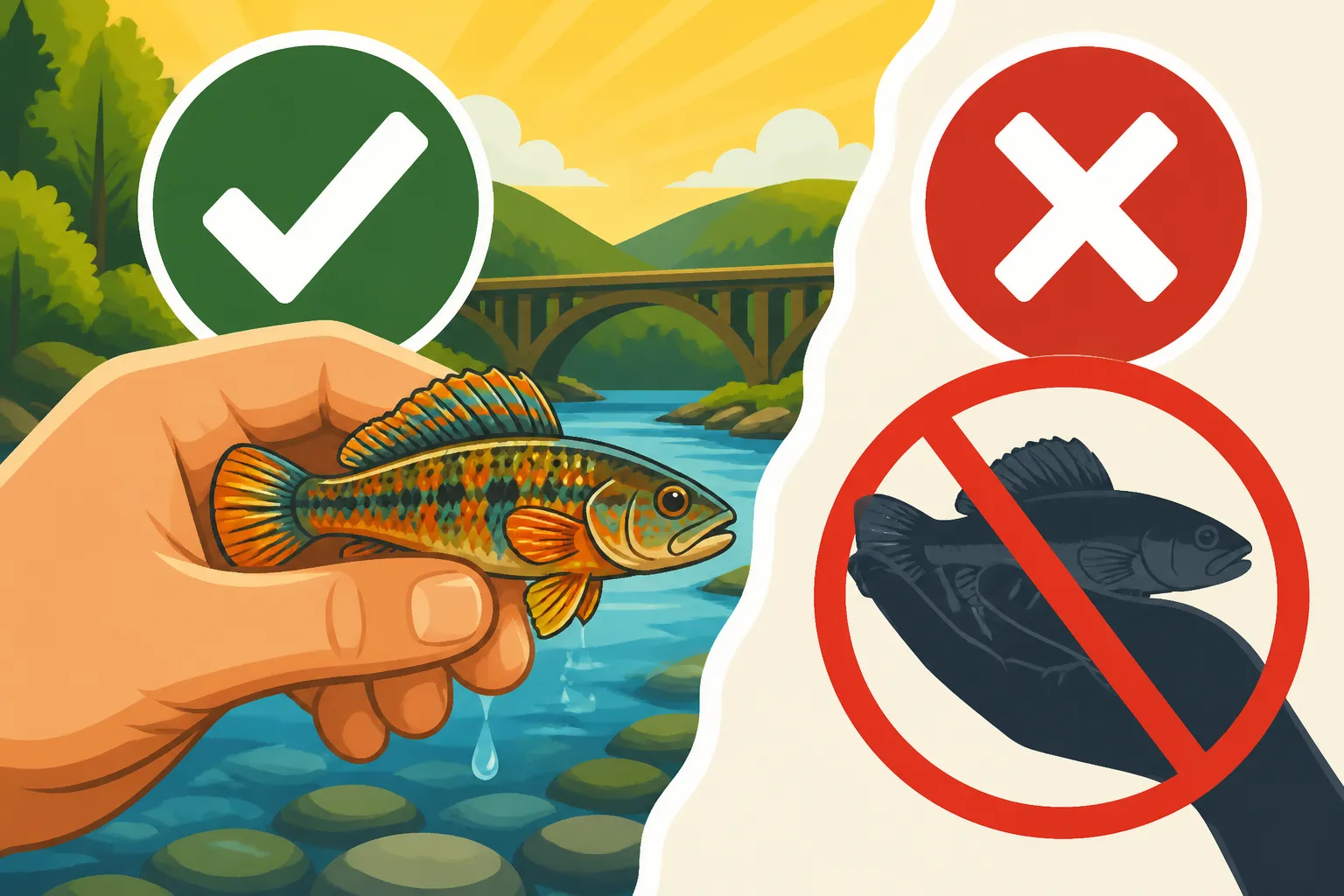
The "do not possess" rule is absolute. This means that if you accidentally catch a Candy Darter, you cannot keep it in a livewell, on a stringer, or even out of the water for an extended period for a photo. The primary goal is to minimize any stress or harm to the fish and ensure its immediate, safe return to the water. While the urge to snap a picture of such a beautiful and rare catch is completely understandable, it must be done with extreme care and as quickly as humanly possible, ideally with the fish still submerged or only momentarily lifted from the water, to avoid compromising its survival.
Failing to adhere to these federal protections carries serious legal consequences. Violations of the Endangered Species Act can result in substantial fines and even other legal repercussions. Federal agents and state wildlife officers take these protections very seriously, and ignorance of the law is generally not considered an acceptable excuse. It's a stark reminder that as anglers, we are not just out for recreation; we are also stewards of the environment, with a responsibility to know and respect the vulnerable creatures that inhabit our waters. While the specific penalties for keeping a protected species can be severe, you can get a general sense of the legal seriousness by reading about West Virginia fishing without a license penalty.
Ultimately, the mandate to catch and immediately release any Candy Darter you encounter isn't just about avoiding legal trouble; it's about ethical angling and a commitment to conservation. It's about recognizing that some species are so fragile, so unique, and so important that our personal enjoyment must take a backseat to their survival. Being a responsible angler means doing your part to ensure that these incredible creatures continue to grace our rivers for generations to come. It's about respecting the delicate balance of nature that makes West Virginia's fishing so special. You can read the official guidelines in the West Virginia fishing regulations summary PDF.
Your Role on the Water: Handling an Accidental Catch
So, you've hooked something truly special, and after a moment, you realize it's a Candy Darter. What now? The first and most critical step is quick identification. You need to be able to recognize this fish almost instantly to minimize its time out of the water. Take the time before your fishing trip to familiarize yourself with the Candy Darter's distinctive markings. Look for those vibrant, irregular bands of color, especially the vertical stripes along its sides, and its small, slender body with two dorsal fins. Carrying a waterproof fish identification guide, perhaps one you picked up from a vendor on Amazon or a local tackle shop, can be incredibly helpful for on-the-spot verification. Even better, consider a small, portable underwater camera to capture that unique moment without ever removing the fish from its element.
Once identified, gentle handling is paramount to the darter's survival. Your hands should always be wet before you touch the fish. This prevents the removal of its protective slime coat, which is vital for disease prevention. Avoid squeezing the fish's body or putting your fingers into its gills, as these actions can cause internal damage. If the hook is visible and easily accessible, use a pair of long-nosed pliers or fishing forceps to quickly remove it. Many anglers find these tools indispensable for quick and safe unhooking, and you can find a wide variety of high-quality options on Amazon to add to your tackle box. If the hook is deeply embedded or the fish is particularly feisty, consider cutting the line as close to the hook as possible rather than risking further injury trying to remove it.
The immediate release should be smooth and deliberate. Gently lower the Candy Darter back into the water, ideally into a calm eddy or slower current section where it can recover without being swept away. Don't simply toss it back. If the fish seems stunned or disoriented, hold it gently upright in the water, facing into a gentle current. This helps water flow over its gills, aiding in recovery. Wait until you feel it actively trying to swim away before letting go. A soft, knotless landing net, like those often recommended for careful catch and release trout fishing, can also be a huge asset in gently securing and releasing these delicate fish. Our guide on Best Landing Net for Trout provides some excellent options that would be suitable. Remember, the goal is to get it back into its natural environment as quickly and safely as possible. These principles are similar to those outlined in West Virginia Catch and Release Rules for Trout.
Finally, while not always required, reporting an accidental catch to the West Virginia Division of Natural Resources (WVDNR) can be beneficial for conservation efforts. This is especially true if you notice something unusual about the fish, its condition, or the location. DNR officials are interested in data that helps them monitor populations and understand their distribution. Rest assured, if you've followed proper catch-and-release protocols, reporting an accidental catch is seen as a responsible act of an engaged citizen, not an admission of wrongdoing. Your information can help biologists protect this precious resource.
Beyond the Catch: Supporting Candy Darter Conservation
Catching and releasing a Candy Darter is a direct, impactful action you can take, but our responsibility as anglers extends beyond just a single encounter. The best way to help ensure the long-term survival of this species is to advocate for and contribute to the protection of its habitat. This means being acutely aware of your impact on and around the streams and rivers where these fish live. Simple actions like packing out all your trash, avoiding the use of harmful chemicals near waterways, and being mindful of erosion on stream banks can make a big difference. Many of these darters live in the pristine mountain streams, often frequented by those seeking trout, so adopting these habits is beneficial for many species. Consider reading about Best Waders for West Virginia Trout Streams for gear that helps you navigate these sensitive environments responsibly.
Another powerful way to contribute is by supporting conservation organizations and initiatives focused on water quality and watershed health in West Virginia. Many local and state groups work tirelessly to clean up rivers, restore habitats, and educate the public about the importance of our aquatic ecosystems. Your membership, donations, or even volunteer hours can directly support projects that benefit species like the Candy Darter. These collective efforts are essential in tackling the larger, systemic threats that endanger these unique fish.
Education is also a potent tool. By understanding the significance of the Candy Darter and sharing that knowledge with your fellow anglers and outdoor enthusiasts, you amplify the message of responsible stewardship. Talk about the beauty of the fish, the fragility of its habitat, and the legal and ethical reasons for protecting it. The more people who are aware and committed to these principles, the stronger the conservation movement becomes. Every conversation helps spread awareness and foster a culture of respect for our natural resources.
Finally, consider your gear choices. Opting for environmentally friendly fishing gear might seem like a small detail, but it collectively makes a difference. For instance, using lead-free weights helps prevent lead poisoning in wildlife. Choosing biodegradable fishing lines, when possible, reduces plastic pollution in our waters. These types of conscious decisions, which are easier than ever to make with readily available options on platforms like Amazon, contribute to a healthier aquatic environment for all species, including the delicate Candy Darter. Our comprehensive guide Best Gear for West Virginia Trout Fishing also highlights many responsible gear choices that benefit both your angling and the environment. By integrating these practices into your angling routine, you become an active participant in safeguarding the future of West Virginia's incredible aquatic biodiversity.
| Action When You Catch a Candy Darter | Do | Don't |
|---|---|---|
| Identification | Quickly confirm it's a Candy Darter (know before you go!). | Assume it's a common fish; hesitate to identify. |
| Handling | Wet your hands thoroughly before touching the fish. | Touch the fish with dry hands, or squeeze its body. |
| Hook Removal | Use forceps or pliers for quick, gentle hook removal. | Rip the hook out or cause excessive damage. |
| Out of Water Time | Keep the fish in the water as much as possible; minimize air exposure. | Hold the fish out of water for extended periods (especially for photos). |
| Release | Gently lower the fish into calm water; support until it swims away. | Toss the fish back abruptly or into fast current. |
| Reporting | Consider reporting accidental catches to WVDNR for data. | Keep the fish, even temporarily, for any reason. |
Disclaimer
This article is for general informational purposes only and does not constitute professional advice. Laws, prices and regulations vary by location and change over time. Consult a qualified professional for guidance on your specific situation.