What the diamond darter is and why it is protected
It can sometimes feel overwhelming, trying to keep track of all the different fish species that call our wild and wonderful West Virginia waters home. Beyond the popular game fish, there's a whole world of smaller, often unseen, aquatic life that plays a crucial role in our river ecosystems. Today, we're going to shine a spotlight on one such remarkable, yet incredibly vulnerable, resident: the diamond darter, and explore exactly why this tiny fish holds such significant protected status.
What Exactly is a Diamond Darter?
When you think about fish, your mind probably jumps to the big bass, the jumping trout, or even the formidable muskie that lurk in our rivers and lakes. But West Virginia's aquatic diversity stretches far beyond these popular species, encompassing a fascinating array of smaller, often overlooked, inhabitants. The diamond darter is one such creature, a true gem of our waterways, though you'd be incredibly lucky to ever lay eyes on one in person.
A Glimpse into the Darter Family
To understand the diamond darter, we first need to understand darters in general. Darters are a family of small, benthic (bottom-dwelling) freshwater fish. Unlike many fish that rely on a swim bladder to maintain buoyancy in the water column, darters largely lack this organ. Instead, they've evolved to hug the streambed, using their pectoral fins to "dink and dart" quickly from rock to rock, hence their name. This unique adaptation allows them to thrive in fast-moving currents where other fish might struggle to hold their position. They are often incredibly camouflaged, blending seamlessly with the gravel and rocks of their habitat, making them masters of disguise. You can find many different darter species across West Virginia, each with its own preferred niche, but they all share this fundamental, fascinating bottom-hugging lifestyle.
Unpacking the Diamond Darter's Distinctive Features
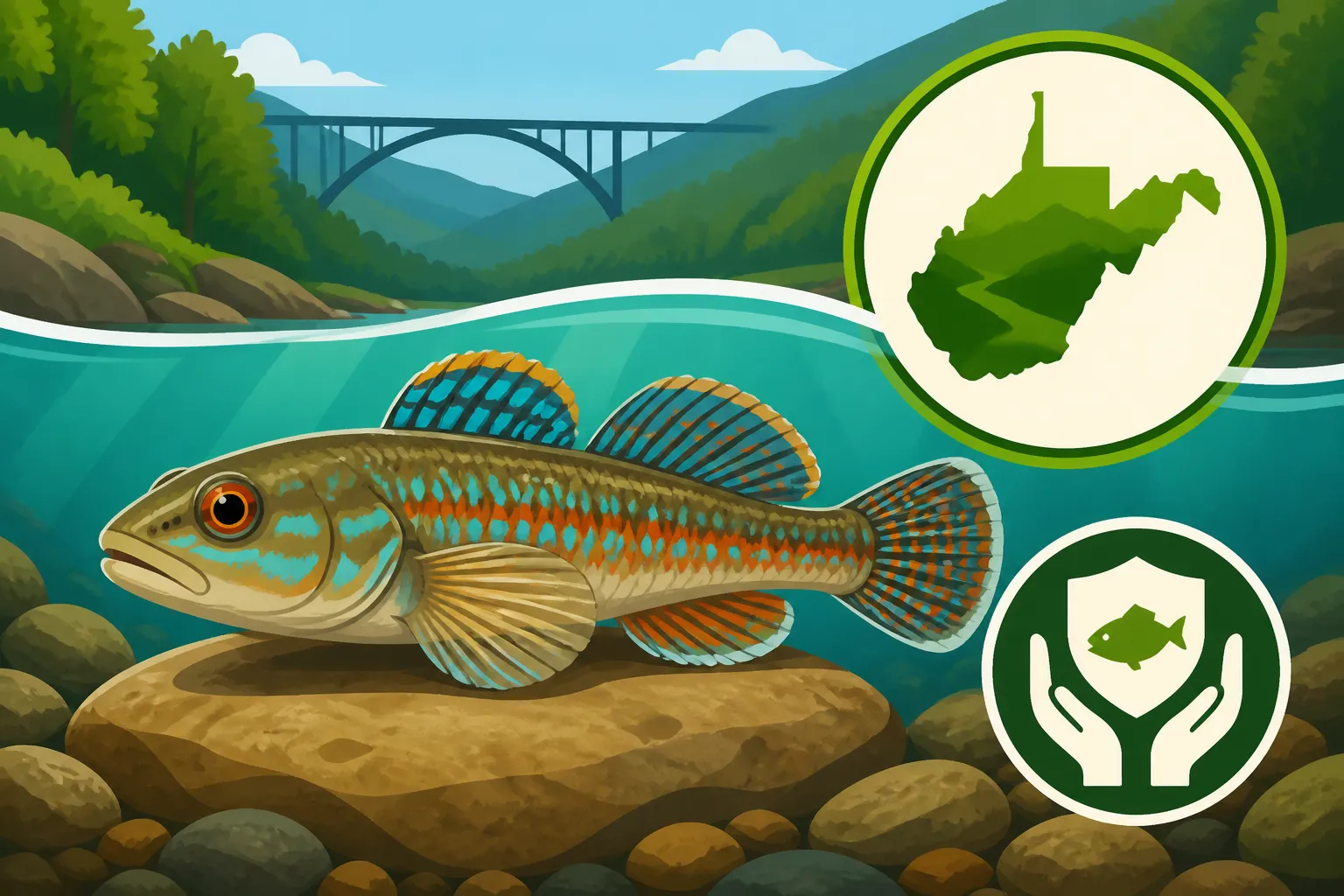
Now, let's talk specifics about the diamond darter itself. Its scientific name, Crystallaria cincotta, even hints at its unique appearance, with "Crystallaria" referring to its translucent quality and diamond-like markings. This isn't your average darter; it's a true standout. Typically growing larger than most other darter species, a diamond darter can reach lengths of up to 4 or 5 inches, which for a darter, is quite substantial! Its body is elongated and slender, almost snake-like, allowing it to navigate tight spaces between rocks and substrate.
What truly sets the diamond darter apart are its stunning, iridescent scales and a distinctive pattern of dark, diamond-shaped markings along its flanks. These patterns, combined with a generally light, often semi-translucent body, help it blend perfectly with the clean, rocky bottoms of its preferred streams. Anglers who are passionate about identifying different fish species might recognize that these markings are quite unique, helping distinguish it from other darters. It's a truly beautiful fish, a living testament to the intricate artistry of nature, and catching even a fleeting glimpse of one in the wild is a rare and special event. They are incredibly sensitive to their surroundings, meaning even minor changes in water quality can impact their ability to thrive.
Where Do Diamond Darters Live in West Virginia?
The diamond darter isn't found just anywhere. Its habitat requirements are incredibly specific, making it a valuable indicator species for the overall health of our aquatic environments. For a fish that lives such a hidden life, its presence tells a very loud story about the purity of the waters it inhabits.
A Home in Pristine Headwaters
The diamond darter is a creature of the highest water quality. In West Virginia, its known populations are incredibly restricted, primarily found in sections of the Elk River and parts of the Gauley River, which are tributaries within the broader New River drainage. This means these fish need exceptionally clean, cool, and well-oxygenated water. Their ideal habitat consists of streams with stable, undisturbed gravel and cobble bottoms, free from excessive silt or pollution. Imagine a crystal-clear mountain stream, bubbling over smooth, rounded stones, with pockets of deeper, slow-moving water—that's the kind of pristine environment a diamond darter calls home.
These specific requirements highlight why they are so vulnerable. Any disturbance, whether it's sedimentation from logging, agricultural runoff carrying pollutants, or chemical spills, can directly impact their ability to breathe, feed, and reproduce. Their specialized bottom-dwelling lifestyle means they're particularly susceptible to changes in the riverbed itself. Protecting these specific stretches of river is paramount, not just for the darter, but for the entire ecosystem that relies on these clean waters. It's a stark reminder of how interconnected everything truly is, from the smallest darter to the majestic bald eagles soaring overhead. For those curious about the broader ecosystem, learning about Fish species unique to the New River drainage can provide more context.
The Importance of a Healthy Ecosystem
The presence, or absence, of species like the diamond darter acts as a natural barometer for environmental health. When you find diamond darters, you know you're in a truly healthy, functioning aquatic ecosystem. They feed on small aquatic invertebrates, microscopic organisms, and insect larvae they find tucked away in the gravel. In turn, they might become a food source for larger fish or wading birds, although their cryptic nature and small size make them a difficult meal to come by. Their role, though seemingly small, is crucial in maintaining the balance of the food web within their specific habitats.
Their extreme sensitivity means they can't adapt to degraded conditions. If the gravel beds become choked with silt, they lose their hiding places and their food sources disappear. If the water warms too much or becomes contaminated, they simply cannot survive. This makes them a "canary in the coal mine" for the broader aquatic community. When we protect the diamond darter, we are, in essence, protecting the entire web of life that depends on these clean, flowing waters. Understanding species like this can deeply enhance an angler's appreciation for the nuances of our wild rivers, prompting a deeper dive into the Reading the West Virginia Fishing Regulations Summary to ensure responsible practices.
Why is the Diamond Darter Protected?
The story of the diamond darter's protection is a classic tale of environmental decline and the urgent need for human intervention to preserve biodiversity. Its current status didn't happen overnight; it's a result of decades of habitat degradation and a growing understanding of the fragility of our natural world.
Facing the Brink: A History of Decline
Historically, the diamond darter likely had a wider, albeit still restricted, distribution across certain parts of the Ohio River basin. However, over time, a combination of factors led to a drastic reduction in its populations and fragmentation of its habitat. The main culprits are sadly familiar: habitat loss and degradation. This includes widespread deforestation in riparian zones, which leads to increased runoff and sedimentation that smothers the clean gravel beds essential for the darter. Agricultural runoff introduces pollutants and excess nutrients, altering water chemistry. Industrial discharges and acid mine drainage, unfortunately, have also played a significant role in making formerly viable habitats uninhabitable.
Perhaps one of the most impactful threats has been the construction of dams and other impoundments. These structures alter natural flow regimes, change water temperatures, block fish migration (even for bottom-dwellers who can't "swim" upstream over a dam), and convert free-flowing riverine habitat into still-water lake environments. For a species perfectly adapted to specific river currents and substrates, such changes are catastrophic. As a result, the diamond darter now exists in incredibly small, isolated populations, making it extremely vulnerable to any single localized event, like a chemical spill or a severe drought. The precariousness of their existence is why they are considered a critically imperiled species, highlighting the importance of understanding Are There Protected or Endangered Fish Species in West Virginia?.
Federal and State Protection Efforts
Given its dire situation, the diamond darter has received significant protection at both federal and state levels. It is federally listed as an endangered species, a designation under the Endangered Species Act (ESA) in the United States. This listing provides a powerful legal framework for its conservation. What does this mean in practical terms? It means that any actions or projects, whether federal or private, that might harm the darter or its critical habitat are subject to strict review and, in many cases, prohibition.
This protection mandates the development of recovery plans aimed at stabilizing and increasing the darter's populations. These plans often involve habitat restoration projects, strict water quality monitoring, and efforts to reduce pollution. State agencies work alongside federal partners to implement these plans, monitoring known populations and searching for new ones. For anglers, this means being acutely aware of these fragile ecosystems. While you might never target a diamond darter, accidental captures are possible, and knowing how to handle protected species is crucial. It falls under the general guidelines of West Virginia fishing regulations explained, reminding us that all aquatic life needs our respect. If you were to accidentally catch a fish that looked like a darter, you'd immediately know that special care is required, similar to the protocols for other protected species, and a quick, careful release is paramount. Understanding regulations regarding protected fish is a key part of responsible angling, much like understanding Can You Keep a Candy Darter If You Catch One?.
What Can Anglers Do to Help?
As anglers, we are often the first line of defense for our aquatic environments. We spend countless hours on the water, observing, learning, and developing a deep connection to these natural spaces. Because of this unique position, we have a vital role to play in protecting vulnerable species like the diamond darter, even if we never specifically target them.
Be a Responsible Steward of Our Waters
Being a responsible angler goes far beyond simply knowing the daily limits and fishing seasons. It means adopting practices that minimize your impact on the environment and help preserve the delicate balance of our waterways. Here are a few ways you can make a difference:
- Practice Catch and Release: While you're unlikely to specifically target a diamond darter, if you happen to catch an unknown or unusual fish, especially a small darter-like creature, handle it with extreme care and release it as quickly and gently as possible. Minimizing stress and physical contact is key to its survival.
- Prevent Invasive Species: Before moving between different waterways, always inspect and clean your boat, waders, boots, and gear. Small organisms, plant fragments, and even tiny fish eggs can hitchhike from one body of water to another, introducing invasive species that can outcompete native fish like the diamond darter. A quick scrub with a brush, available on Amazon, can make a huge difference.
- Minimize Habitat Disturbance: Be mindful of where you wade and how you move through stream beds. Excessive shuffling can stir up sediment, which is detrimental to darters and their habitat. Try to walk lightly and avoid disturbing sensitive areas.
- Proper Waste Disposal: Pack out everything you pack in. Fishing line, bait containers, and food wrappers can all pollute the environment and harm aquatic life. Leave no trace, and consider picking up any litter you find.
- Report Concerns: If you notice significant pollution, unusual fish kills, or suspicious activities that could harm aquatic environments, report them to the West Virginia Division of Natural Resources (WVDNR). Your observations from the field are invaluable.
- Support Conservation: Consider purchasing a West Virginia's Conservation Stamp, Explained which directly contributes to wildlife management and habitat preservation efforts across the state.
Supporting Conservation Through Awareness
Beyond direct actions, simply increasing your own awareness and sharing knowledge with others can be incredibly powerful. The more people understand the value of species like the diamond darter and the threats they face, the more support there will be for conservation efforts.
Education is paramount. Take the time to learn about the various fish species in West Virginia, not just the ones you fish for. Books on regional aquatic ecology, often found through retailers like Amazon, can deepen your understanding and appreciation. Discuss these topics with fellow anglers, friends, and family. Encourage responsible outdoor ethics and highlight the interconnectedness of all living things. When we understand what makes our waters truly "wild and wonderful," we're more likely to protect them. Even if you're out fishing for smallmouth bass on the New River Gorge Fishing Guide, being aware of the broader ecosystem and its unique residents makes you a better steward of our natural resources.
By embracing these principles, anglers can transform from users of the resource into powerful advocates and protectors, ensuring that species like the diamond darter, and the pristine waters they call home, thrive for generations to come.
| Feature | Diamond Darter (Crystallaria cincotta) | General Darter (e.g., Fantail, Greenside) |
|---|---|---|
| Typical Size | Larger, up to 4-5 inches | Smaller, usually 2-3 inches |
| Body Shape | Elongated, slender, somewhat translucent | More robust, varying shapes |
| Markings | Distinct diamond-shaped dark patterns | Variable blotches, bars, or spots |
| Habitat | Pristine, cool, clear, rocky rivers | Diverse stream habitats, can tolerate more |
| Conservation Status | Federally Endangered | Generally common and widespread |
| Indicator | Excellent indicator of high water quality | Good indicator of stream health |
Disclaimer
This article is for general informational purposes only and does not constitute professional advice. Laws, prices and regulations vary by location and change over time. Consult a qualified professional for guidance on your specific situation.