West Virginia candy darter protected status
Many West Virginia anglers love the peace and challenge of our mountain streams, but it can be unsettling to wonder if a small, colorful fish you encounter might be a rare, protected species. Knowing the specific regulations and understanding the conservation efforts behind them is essential for every responsible outdoors enthusiast. This comprehensive guide will delve into the West Virginia candy darter's protected status, what that designation truly means for its survival, and how you can contribute to safeguarding this vibrant, unique aquatic inhabitant.
Understanding the Candy Darter: A Mountain Marvel
West Virginia is a treasure trove of biodiversity, and our waters are no exception. Among the darting shadows and riffles of certain streams lives a tiny, brilliantly colored fish that captures the imagination: the candy darter. Before we talk about its protected status, let's get to know this little marvel.
What is a Candy Darter?
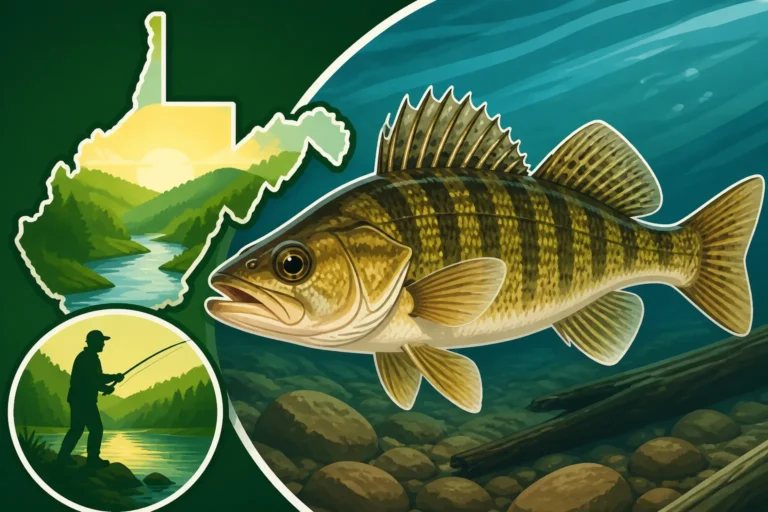
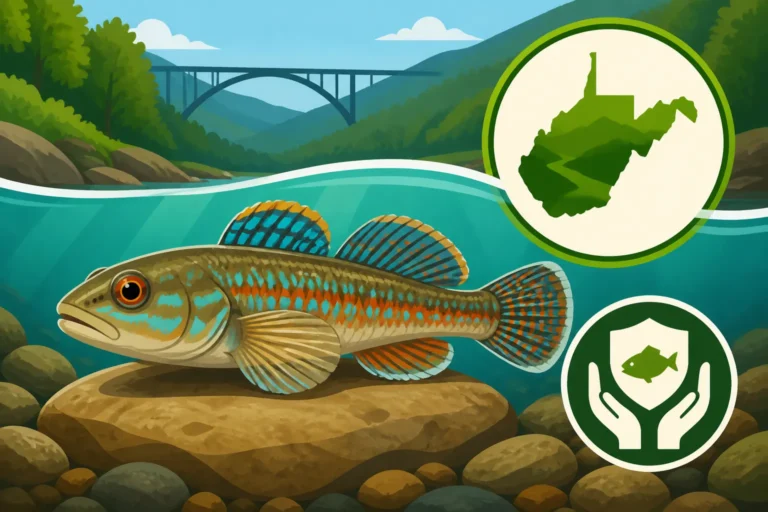
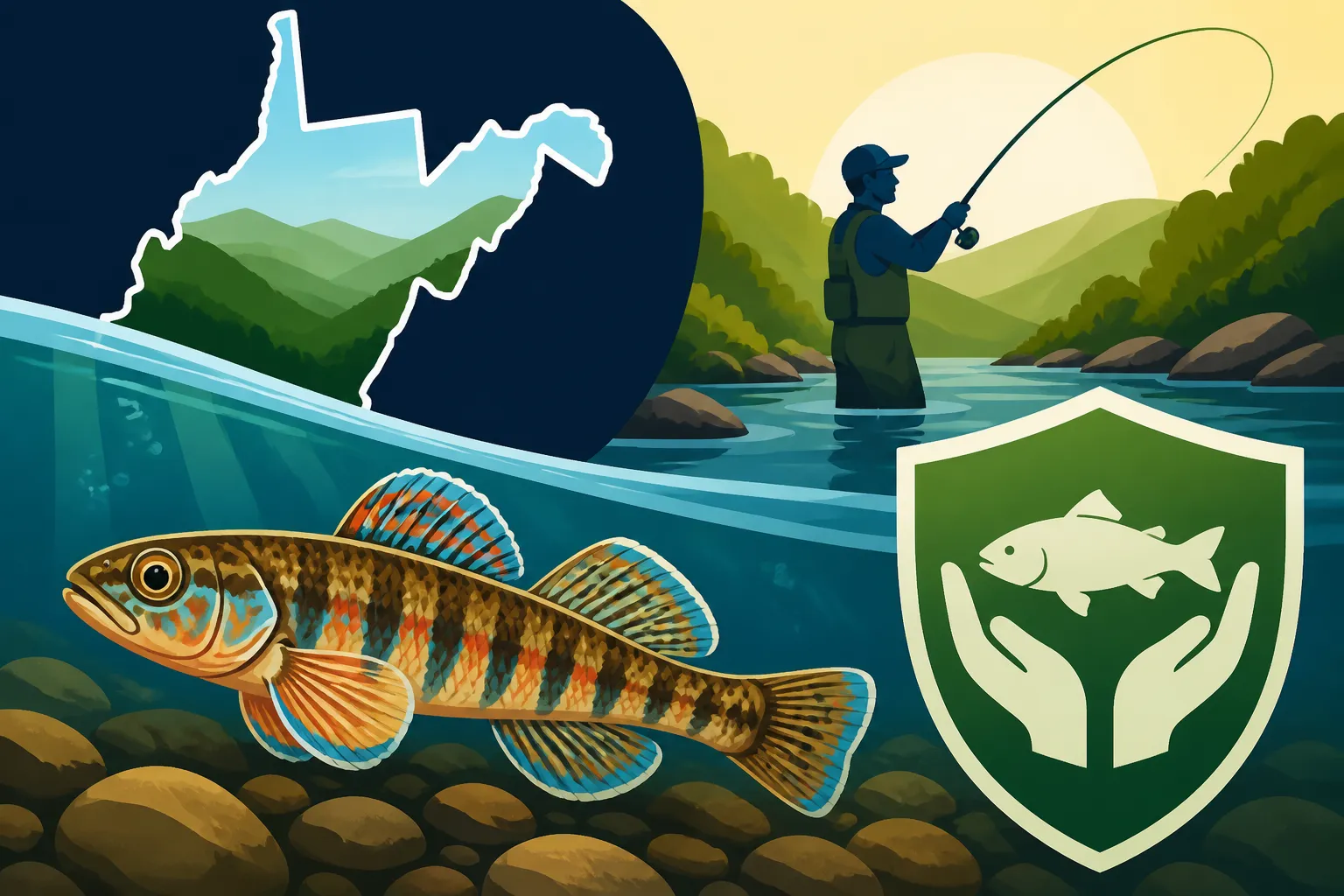
Imagine a fish so vibrant it looks like a living jewel in the streambed. That's the candy darter for you. Scientifically known as Etheostoma osburni, it's a small freshwater fish, typically only growing to about 2-3 inches in length. What makes it truly stand out is the stunning array of colors, especially on the males during spawning season. They display brilliant hues of red, orange, green, and blue, often in bands or blotches that give them their namesake "candy" appearance. They are members of the perch family, making them distant cousins to walleye, but they couldn't be more different in appearance or habitat.
Candy darters are benthic fish, meaning they live on or near the bottom of streams. They have elongated bodies, small fins, and often rely on camouflage and their ability to quickly dart between rocks to avoid predators and ambush small invertebrates, which form the bulk of their diet. Unlike many larger fish, you won't find them actively swimming in open water; instead, they prefer to subtly navigate the nooks and crannies of rocky streambeds.
Their behavior is as unique as their looks. During breeding season, males become even more intensely colored, establishing territories and displaying their finery to attract females. It's a fascinating, miniature spectacle that often goes unnoticed by those not actively looking for it, showcasing the incredible hidden beauty within our aquatic ecosystems.
The Candy Darter's Native Home in West Virginia
The candy darter isn't found just anywhere; it's a species with a very specific address. Its native range is restricted to the upper Kanawha River basin, which includes parts of the Gauley, Elk, and Greenbrier River drainages in West Virginia. These are specific river systems characterized by clean, clear, cool, and well-oxygenated flowing waters with rocky bottoms composed of gravel, cobble, and small boulders. They thrive in riffle and run habitats, where the current is brisk and provides ample oxygen.
Their habitat is a delicate balance. They need these specific conditions for spawning, feeding, and finding shelter. Any alteration to water quality – whether from pollution, siltation, or changes in water flow – can dramatically impact their ability to survive and reproduce. This hyper-specific habitat requirement is one of the primary reasons their populations are so vulnerable. Protecting these pristine stream sections is paramount not just for darters, but for the entire aquatic food web that depends on similar conditions.
You can learn more about unique aquatic inhabitants in Fish species unique to the New River drainage.
Why Are Small Fish Like Darters Important?
It's easy to dismiss small fish like darters as insignificant, especially when we think of West Virginia's iconic muskie or trophy trout. However, these tiny fish play an outsized role in the health and balance of our freshwater ecosystems. Darters are often considered "indicator species." This means their presence, abundance, and health can tell scientists a great deal about the overall condition of a stream or river. A thriving darter population usually signals excellent water quality and a healthy habitat, while their decline can be an early warning sign of environmental problems.
They also contribute to the food web. While they primarily feed on small invertebrates, they, in turn, become a food source for larger fish, amphibians, and even birds. They help control insect populations and contribute to nutrient cycling within the stream. Losing even a seemingly small component like the candy darter can create ripple effects throughout the entire ecosystem, disrupting the delicate balance of life in our rivers. Protecting a species like the candy darter isn't just about saving one type of fish; it's about preserving the entire intricate web of life that makes our West Virginia waterways so special.
The Journey to Protected Status
The candy darter's stunning beauty and ecological significance unfortunately didn't protect it from peril. Over decades, its populations faced severe threats, eventually leading to its designation as a federally protected species. Understanding this journey helps us appreciate the importance of its current status.
Initial Concerns and Threats to the Candy Darter
For many years, the candy darter, like countless other aquatic species, silently faced a growing list of environmental challenges. Its highly specialized habitat needs made it particularly susceptible to human-induced changes. One of the biggest threats has been habitat degradation and loss. This includes deforestation along stream banks leading to increased siltation, which clogs the rocky bottoms where darters feed and spawn. Sediment can literally smother their eggs and gills, making survival impossible.
Pollution has also played a devastating role. Runoff from agricultural areas, mining operations, and improperly treated wastewater can introduce toxins, alter water chemistry, and reduce oxygen levels, all of which are detrimental to darters. Invasive species, accidentally or intentionally introduced, can also outcompete darters for food and habitat, or even prey upon them. For instance, the closely related variegate darter, which is more adaptable to degraded conditions, has expanded its range and outcompeted candy darters in some areas, further complicating conservation efforts. These cumulative impacts chipped away at candy darter populations, pushing them closer and closer to the brink.
The Federal Protection Process
The alarm bells eventually rang loud enough to initiate a formal review process for the candy darter. Concerned biologists and conservation groups recognized the severity of its decline and advocated for federal protection under the Endangered Species Act (ESA). This process is rigorous and relies heavily on scientific evidence. It involves thorough status reviews to assess the species' biological vulnerability, population trends, and the nature of the threats it faces.
After extensive study and public comment periods, the U.S. Fish and Wildlife Service determined that the candy darter warranted protection. In November 2018, the candy darter was officially listed as a federally endangered species. This designation is not taken lightly; it means the species is in danger of extinction throughout all or a significant portion of its range. Along with the listing, critical habitat was also designated, identifying specific geographic areas essential for the conservation of the species. This provides a legal framework to protect those habitats from destruction or adverse modification. You can explore the broader topic of Endangered and Protected Fish Species in West Virginia to understand other efforts in the state.
What "Protected Status" Means for This Species
The "endangered" designation under the ESA provides a powerful legal shield for the candy darter. Primarily, it makes it illegal to "take" the species without a permit. "Take" is a broad term that includes harassing, harming, pursuing, hunting, shooting, wounding, killing, trapping, capturing, or collecting the species. This applies not only to direct harm but also to indirect harm through habitat modification or degradation. For example, a development project that would significantly alter a designated critical habitat could be blocked or modified to prevent harm to the darter.
Beyond prohibitions, protected status also triggers a suite of active conservation efforts. Federal agencies are required to consult with the U.S. Fish and Wildlife Service to ensure their actions do not jeopardize the species or adversely modify its critical habitat. This often leads to funding for research, habitat restoration projects, captive breeding programs if necessary, and public education initiatives. It provides a legal and financial backbone for recovery efforts, giving the candy darter a fighting chance at survival and a future. For comparison, you might be interested in What the diamond darter is and why it is protected.
Implications for Anglers and River Users
For those of us who love to fish and spend time on West Virginia's rivers, the protected status of the candy darter carries specific responsibilities and important considerations. It’s not just about what you can’t do, but also about how you can become a part of the solution.
Can You Keep a Candy Darter If You Catch One?
The short, emphatic answer is no, absolutely not. As a federally endangered species, the candy darter is protected by law. It is illegal to "take" this species, and that includes catching and keeping it, even accidentally. If you were to catch a fish you suspect is a candy darter, the legal requirement and ethical responsibility is to immediately release it unharmed back into the water where it was caught. Intentionally possessing or harming a candy darter could lead to significant penalties, including substantial fines and even imprisonment under the Endangered Species Act.
It's a serious matter, and while accidental catches can happen, knowing how to identify it and what to do is paramount. The West Virginia Division of Natural Resources (WVDNR) works closely with federal agencies to enforce these protections. Understanding West Virginia Fishing Regulations Explained in general is always a good idea, as is knowing the severe consequences for West Virginia fishing without a license penalty, which underscores the state's commitment to protecting its natural resources.
Best Practices for Fishing in Candy Darter Habitat
When fishing in areas known to be home to candy darters or other sensitive species, a few best practices can make a huge difference:
- Practice Catch-and-Release: Even if you're targeting other species, always be prepared for incidental catches. Use single, barbless hooks when possible, which minimize harm and make release easier. Handle fish gently and keep them in the water as much as possible.
- Minimize Stream Disturbance: Avoid unnecessary wading or disturbing the streambed, especially in riffle areas with gravel and cobble. These are critical habitats for darters and their eggs. Excessive wading can dislodge rocks, crush eggs, and stir up sediment.
- Prevent Pollution: Never dispose of trash, chemicals, or fish waste into the water or along the banks. Even seemingly minor pollutants can accumulate and harm sensitive aquatic life.
- Clean, Drain, Dry: If you're moving between different water bodies, especially with kayaks, waders, or other gear, always clean, drain, and thoroughly dry your equipment. This prevents the spread of invasive species, diseases, or aquatic nuisance plants that can harm native ecosystems. This is also important for general resource protection, similar to knowing What to do if you catch an invasive fish species in West Virginia.
Following these guidelines not only protects darters but contributes to the overall health of the entire stream environment, ensuring it remains a vibrant place for all fish and wildlife.
How Everyday Actions Impact Endangered Species
It’s easy to think that one person's actions don't make a difference, but when it comes to endangered species, collective efforts are crucial. Our daily lives, even far from the stream bank, can have a cumulative impact. For instance, what goes down your storm drain at home or what runs off your property after a rain can eventually reach these delicate stream systems. Fertilizers, pesticides, oil, and other chemicals can wash into tributaries, reducing water quality and directly harming aquatic life like the candy darter.
Land development and construction projects, even if miles away from a known darter stream, can increase erosion and send sediment downstream. Supporting sustainable land use practices, advocating for strong environmental protections, and even choosing eco-friendly products can indirectly benefit these species. Every effort to reduce our environmental footprint, from conserving water to proper waste disposal, contributes to healthier ecosystems and a better chance for survival for species like the candy darter. It’s about recognizing our interconnectedness with the natural world.
| Best Practice | Description | Why It Helps the Candy Darter |
|---|---|---|
| Catch and Release | Use barbless hooks, handle fish gently, keep in water. | Minimizes injury to accidentally caught darters. |
| Minimize Wading | Avoid disturbing rocky stream bottoms in riffles. | Protects darter eggs and habitat from crushing and siltation. |
| No Littering/Pollution | Keep all trash and chemicals out of waterways. | Preserves water quality, essential for darter survival. |
| Clean, Drain, Dry Gear | Prevent transport of invasive species between water bodies. | Stops new threats from outcompeting darters or altering their habitat. |
| Report Sightings | Inform WVDNR if you believe you've seen a candy darter or potential threats. | Helps monitor populations and direct conservation efforts. |
| Support Conservation | Engage with local groups, advocate for stream protection. | Contributes to broader efforts to restore and protect darter habitat. |
Conservation Efforts and the Future
While the candy darter faces challenges, its protected status has galvanized significant conservation efforts. These initiatives offer a glimmer of hope for the future of this beautiful fish.
Current Conservation Initiatives
Since its listing, a concerted effort has been underway to protect and recover the candy darter. These initiatives often involve a collaborative approach between federal agencies like the U.S. Fish and Wildlife Service, state agencies like the WVDNR, universities, and local conservation groups. A major focus is on habitat restoration. This includes projects to stabilize eroding stream banks, plant riparian buffers (trees and vegetation along stream edges) to filter runoff and provide shade, and remove barriers to fish passage. These efforts aim to restore the clean, clear, and unfragmented stream habitats that darters desperately need.
Research and monitoring are also critical. Scientists are studying the darter's life history, genetic diversity, and specific habitat requirements to better inform conservation strategies. They also monitor existing populations to track their health and distribution. Furthermore, public outreach and education play a vital role. By raising awareness among local communities, landowners, and anglers, these programs aim to foster a sense of stewardship and encourage responsible behavior around darter habitats. These multifaceted approaches are crucial for long-term recovery.
The Role of West Virginia Anglers in Protecting Rare Fish
Anglers are often some of the most passionate advocates for conservation, as they have a vested interest in healthy aquatic ecosystems. Your role in protecting rare fish like the candy darter is significant. Firstly, educate yourself. Understanding which species are protected, where they live, and why they matter empowers you to make responsible decisions on the water. Resources from the WVDNR, like those accessible through a West Virginia DNR license agent list, often provide updated information on protected species and regulations.
Secondly, practice ethical angling. As discussed, this means being mindful of your impact, using appropriate gear for quick release, and minimizing disturbance. If you suspect you've caught a candy darter, release it immediately without excessive handling. Thirdly, report unusual sightings or concerns. If you see what you believe might be a candy darter outside its known range, or if you notice significant pollution or habitat degradation in a sensitive stream, report it to the WVDNR. Your observations can provide invaluable data to biologists. Finally, consider volunteering with local watershed groups or conservation organizations that are actively working on stream cleanup or habitat restoration projects. Your boots-on-the-ground efforts can directly contribute to improving darter habitat. Knowing How many trout species live in West Virginia compared to the rarity of the darter can put things into perspective about the special care some species need.
Hope for Recovery: What the Future Holds for the Candy Darter
While the candy darter faces a long road to full recovery, its protected status and the dedicated conservation efforts underway offer genuine hope. The Endangered Species Act has a strong track record of preventing extinctions and guiding species towards recovery. The designation has brought critical attention and resources to the darter's plight, allowing for targeted efforts to address the root causes of its decline.
The continued success of these efforts hinges on sustained funding, ongoing scientific research, and most importantly, continued public support and responsible stewardship from all river users, especially anglers. If we can work together to protect and restore the high-quality stream habitats that the candy darter relies upon, there is a very real possibility that future generations of West Virginians will continue to enjoy the vibrant presence of this truly unique and beautiful mountain marvel in our wild and wonderful waters.
Disclaimer
This article is for general informational purposes only and does not constitute professional advice. Laws, prices and regulations vary by location and change over time. Consult a qualified professional for guidance on your specific situation.