West Virginia state record walleye weight
There's nothing quite like the thrill of a walleye hitting your line in the deep, clear waters of a West Virginia lake. For many of us, the dream isn't just about catching dinner; it's about landing that one magnificent fish that pushes the boundaries of size and weight, etching its name into the record books. This comprehensive guide is dedicated to that very aspiration, delving into the storied history of the West Virginia state record walleye, what makes these toothy giants tick, and how you, too, can increase your chances of hooking into a true trophy.
The West Virginia State Record Walleye: A Legendary Catch
The Mountain State might be better known for its smallmouth bass or trout, but don't let that fool you – our waters hold some truly impressive walleye. For anglers who spend countless hours chasing these elusive, finicky eaters, the state record is more than just a number; it's a testament to patience, skill, and a little bit of luck.
The Unofficial King: Details of the Record Walleye
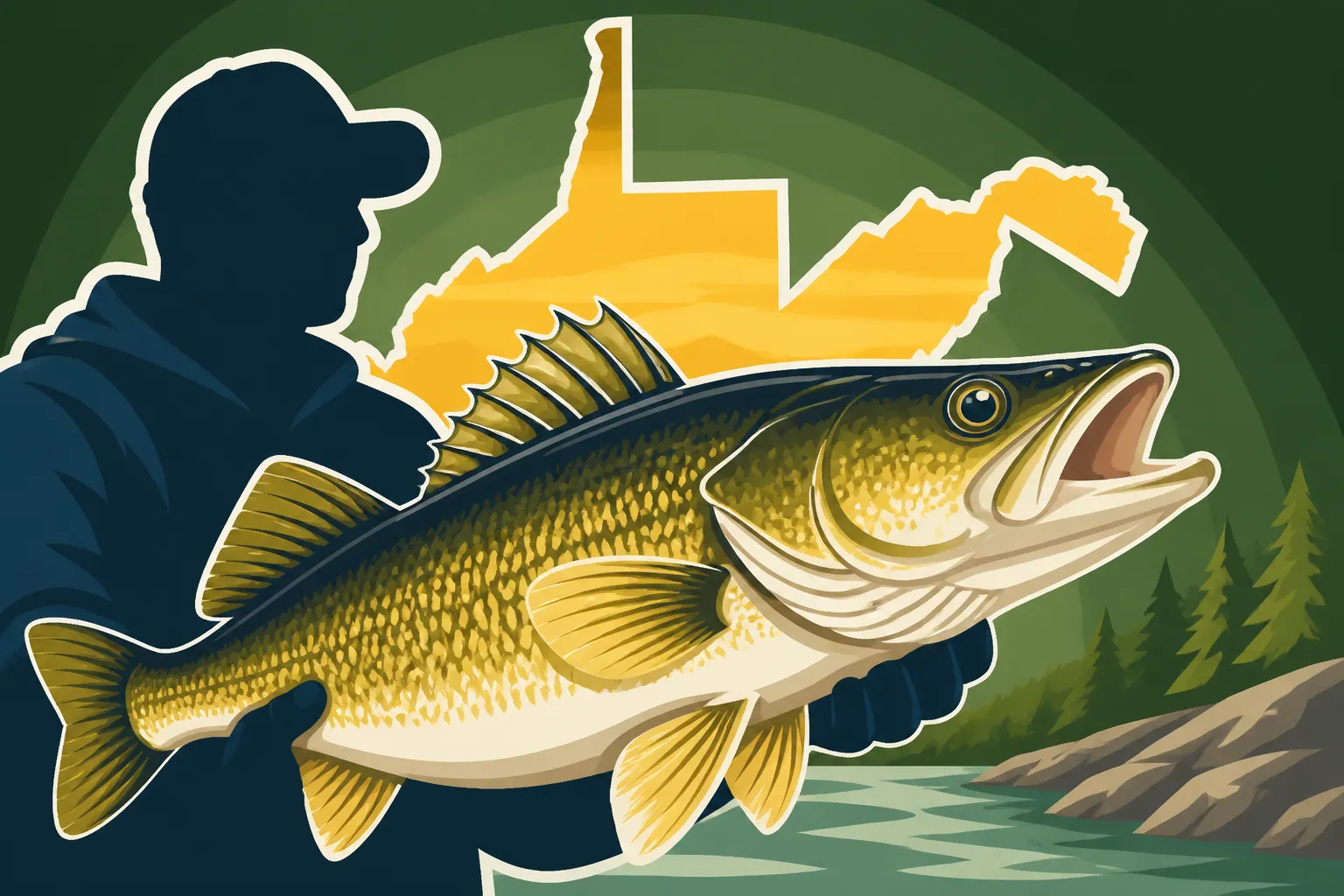
The current West Virginia state record walleye is a truly magnificent fish that has held its title for decades, a testament to its impressive size and the angler's skill. This legendary fish weighed in at a stunning 18 pounds, 8 ounces, and measured an incredible 31.5 inches in length. It was caught by Mike Williams in 1998, a day that surely stands out in his memory and in the annals of West Virginia fishing history. The record-setting walleye was pulled from the waters of the New River, a testament to the incredible potential of this ancient waterway.
Imagine the fight, the sheer power of a fish of that caliber on the end of your line. It’s the kind of story that gets told around campfires for generations. When you consider the average size of a walleye, even a good eater, an 18-pounder is in an entirely different league. It showcases the incredible potential of our state’s fisheries, particularly those with the right blend of habitat, forage, and fishing pressure. This fish truly cemented its place as a benchmark for all aspiring walleye anglers in West Virginia.
Why This Record Stands Out
An 18-pound, 8-ounce walleye is not just big; it’s colossal. This record has stood for a significant amount of time, which speaks volumes about the rarity of such a catch. Walleye are relatively slow-growing fish, and for one to reach this monumental size, it needs a perfect storm of factors. First and foremost, it requires an environment with an abundant and consistent food source. Think about a lake or river section teeming with forage fish like shad, alewives, or even smaller panfish. What walleye eat in West Virginia lakes plays a critical role in their growth potential. A rich diet allows them to pack on pounds and length over many years.
Secondly, the fish needs longevity. It must evade predators, endure environmental changes, and, crucially, avoid being caught by anglers for many seasons. The longer a walleye lives, the greater its chance of reaching true trophy proportions. The New River, where Mike Williams caught his record, is known for its diverse and robust ecosystem, providing both ample food and complex structures where mature walleye can thrive and find refuge. This combination of factors — a rich food source, excellent habitat, and the sheer luck of surviving long enough — is why this particular record stands as such a monumental achievement and continues to inspire anglers across the state.
Chasing Trophy Walleye: What It Takes
Catching a state record walleye isn't something you stumble into every day. It requires a deep understanding of the species, the right gear, and a whole lot of strategic effort. It's less about random luck and more about putting yourself in the right place at the right time, with the right approach.
Key Factors for Growing Giant Walleye
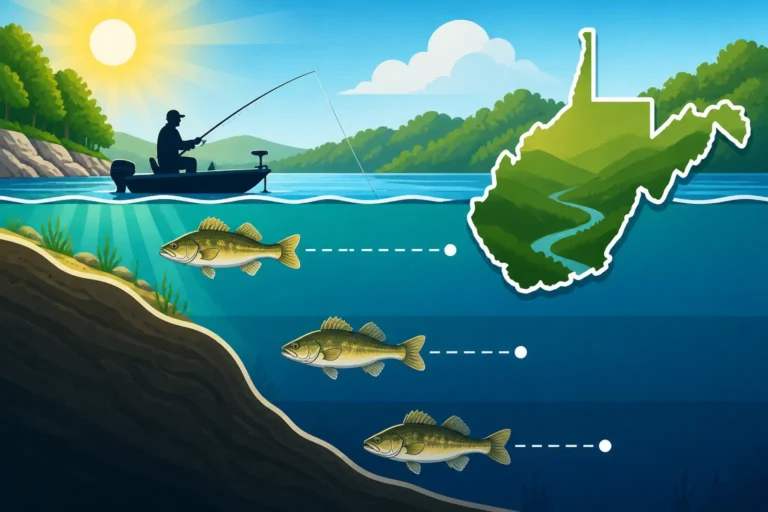
For a walleye to reach the kind of size needed to challenge a state record, several environmental and biological factors must align perfectly. First, the body of water needs to have deep, cool, and well-oxygenated sections, especially during the warmer months. Walleye are cool-water fish and will seek out these thermal refuges. Lakes with significant depth, like Summersville Lake or Tygart Lake, provide this crucial element. How deep walleye go in summer can be a major factor in finding these larger, older fish.
Secondly, an abundant and consistent supply of high-protein forage is essential. As mentioned earlier, baitfish like gizzard shad, alewives, or emerald shiners are ideal for putting weight on walleye. A fishery with a healthy population of these baitfish provides the necessary fuel for rapid growth. Finally, older, larger walleye tend to be more solitary and prefer specific types of structure where they can ambush prey and remain hidden. This might include deep offshore humps, submerged timber, rock piles, or sharp breaklines. Understanding these preferences is paramount for anyone hoping to land a true giant. Furthermore, sound management practices that encourage catch-and-release of larger fish also contribute to the trophy potential of a fishery over time.
Strategies for Targeting Big Walleye
If you're serious about targeting trophy walleye in West Virginia, you need to think beyond the typical panfish tactics. Big walleye are smart, wary, and often require specialized approaches. One of the most effective strategies, especially in larger reservoirs, is trolling. This involves covering vast amounts of water with deep-diving crankbaits or spinner-and-crawler rigs, often at specific depths where the walleye are holding. Boats equipped with sonar and trolling motors are invaluable for maintaining consistent speed and depth. Look for pronounced changes in bottom contour, submerged creek channels, or offshore humps where baitfish might congregate. Trolling Techniques for West Virginia Lake Walleye can be incredibly effective, especially in those larger, deeper lakes like Summersville.
Another highly productive method is jigging, particularly during colder months or in deeper river sections. Heavy jigs tipped with live minnows, soft plastics, or even specialized jigging spoons can entice strikes from sluggish walleye. Vertical jigging directly over structure or schools of baitfish, often detected with a good fish finder, can be deadly. Precision is key here; you want to present your lure right in their strike zone. For river systems like the Ohio, current seams, eddies, and structure behind bridge pilings are prime locations for this technique. Finally, using live bait rigs like slip sinker rigs with large shiners or suckers can be irresistible to a trophy walleye, especially when they are less active or particularly finicky. Remember, patience is a virtue when pursuing these elusive giants.
Top West Virginia Waters for Trophy Walleye
While the dream of a state record can be realized anywhere a walleye swims in West Virginia, some locations are undeniably better bets for finding those truly massive fish. These are the waters where the conditions align to produce exceptional specimens year after year.
Lakes Known for Large Walleye
When you're talking about trophy walleye in West Virginia, a few key lakes consistently rise to the top of the list. Summersville Lake, the largest lake in the state, is a prime example. Its deep, clear, and cold waters, combined with abundant baitfish populations and extensive rocky structure, create an ideal environment for walleye to thrive and grow large. Many anglers consider Summersville a top contender for big walleye, especially during the cooler months when the fish move shallower. Summersville Lake Walleye Fishing can be very rewarding if you know where to look.
Another fantastic option is Tygart Lake near Grafton. While it might not have the sheer depth of Summersville, Tygart consistently produces good numbers of quality walleye, and it has a track record of yielding some true lunkers. Its expansive main channel and numerous coves offer varied habitat. Similarly, Stonewall Jackson Lake is another excellent fishery. While perhaps more famous for its bass, it holds a strong population of walleye, and their growth rates are often impressive due to the lake's rich forage base and extensive timber. Stonewall Jackson Lake Fishing can surprise you with the size of its walleye, particularly around submerged structure. These lakes demand different approaches, but all have the potential to produce a walleye that will make your heart pound.
Rivers with Walleye Potential
While lakes often get the most attention for trophy walleye, West Virginia's river systems also hold incredible potential, especially for those who appreciate the challenge of current and unique riverine habitat. The Ohio River, forming our state's western border, is a fantastic walleye fishery. Its vast stretches, numerous dams, and nutrient-rich waters support a robust population, including some real giants. Fishing below the dams during periods of generation can be particularly effective, as current concentrates both baitfish and predatory walleye. Ohio River Fishing Rules for West Virginia Anglers are important to understand when fishing this boundary water.
And, of course, we cannot forget the mighty New River. While its smallmouth bass often steal the spotlight, certain sections of the New, particularly the deeper pools and slower runs, harbor some truly massive walleye, as evidenced by the state record itself. These river walleye are often harder fighting and incredibly resilient. They hug current breaks, submerged boulders, and deep eddies, requiring a more precise and often heavy-duty approach. Targeting them often involves understanding the river's flow and finding those slack water zones where they conserve energy and ambush prey. Fishing the New River for walleye is a unique and challenging experience, but one that could lead to a truly historic catch.
Reporting Your Potential State Record Walleye
Landing a fish that feels like a potential state record is an exhilarating moment, but the excitement needs to be quickly channeled into following the official procedure to ensure your catch can be properly verified. Missing a step could mean your incredible achievement goes unrecognized.
The Official Process
If you believe you've caught a state record walleye in West Virginia, the first and most critical step is to have the fish weighed on a certified scale. This is non-negotiable. Grocery stores, marinas, and bait shops often have certified scales, but it's vital to call ahead and confirm. The scale must be inspected and stamped as certified by the state's Weights and Measures division. The fish should be weighed in the presence of witnesses, ideally more than one, who can sign affidavits. The weight must be recorded to the nearest ounce or hundredth of a pound.
Next, accurate length and girth measurements are required. High-quality photographs of the fish are also essential, showing its full length, the entire fish on the scale, and clear close-ups for species identification. Finally, and perhaps most importantly, the fish species must be positively identified by a West Virginia Division of Natural Resources (WVDNR) fisheries biologist. They will examine the fish to confirm it is indeed a walleye and not a sauger or a hybrid, which can sometimes be confused. Speed is of the essence in this process, as you want to ensure the fish's condition remains suitable for accurate measurement and identification. You'll need to contact your local WVDNR district office immediately after the catch. You can find their contact information on the official WVDNR website.
Preserving Your Catch for Verification
The moments immediately following the catch of a potential record are crucial for its verification. Your primary goal should be to preserve the fish in the best possible condition until it can be officially weighed and identified. If you have any doubt about whether it's a record, treat it like one. The ideal scenario is to keep the fish alive in a livewell with a continuous flow of fresh, cool water. This allows for release after verification, if desired, and ensures the fish maintains its exact weight, as a dead fish can lose weight over time due to fluid loss.
However, keeping an 18-pound walleye alive can be challenging. If keeping it alive isn't feasible, place the fish immediately on ice in a cooler. Pack ice both inside the body cavity and around the exterior to cool it rapidly and thoroughly. Do not freeze the fish, as freezing can alter its weight and make identification more difficult. Avoid unnecessarily handling or bending the fish, which could damage fins or scales, making identification harder. Be prepared to transport the fish quickly to a certified scale and then to a WVDNR biologist. Having a cooler with plenty of ice ready to go when you hit the water, especially when you're targeting big fish, is a smart move. You can find reliable coolers and even certified handheld scales on sites like Amazon if you want to be prepared for that once-in-a-lifetime catch.
Understanding Walleye Characteristics: Average vs. Trophy
To truly appreciate the state record, it helps to understand what makes a trophy walleye stand out from your everyday catch. It's not just about the numbers; it's about the unique characteristics that define these magnificent fish.
| Feature | Average West Virginia Walleye | Trophy West Virginia Walleye | State Record Walleye |
|---|---|---|---|
| Weight | 1-3 pounds | 8-15 pounds | 18 pounds, 8 ounces |
| Length | 15-20 inches | 25-30 inches | 31.5 inches |
| Age | 3-6 years | 10+ years | Likely 15+ years |
| Forage Base | Smaller baitfish, insects | Abundant large baitfish (shad, alewife) | Exceptionally rich, consistent diet |
| Habitat | Ledges, points, submerged timber | Deep humps, offshore structure, coldwater refuges | Optimal deep, cool, structured habitat |
| Coloration | Variable, often olive/gold | Deeper, richer coloration, sometimes darker | Intense, vibrant colors reflecting age |
| Body Shape | Streamlined | Robust, thick-bodied, deep belly | Extremely thick and girthy |
This table really highlights the incredible difference. A trophy walleye isn't just a slightly larger version of an average one; it's a fish that has lived a long, prosperous life in a prime environment, becoming a true apex predator in its domain. Their body shape becomes much more robust, their girth impressive, and their coloration often deeper and more intense.
The Future of Trophy Walleye Fishing in West Virginia
The pursuit of a state record, or even just a personal best, is a driving force for many anglers. In West Virginia, the potential for trophy walleye is alive and well, thanks to dedicated fisheries management and the incredible natural resources we're blessed with. Understanding West Virginia Fishing Regulations Explained is key, as these rules are designed to protect our fisheries and ensure future generations have the same opportunities to chase these giants.
Conservation efforts, including proper catch-and-release practices for large fish, play a vital role in maintaining and even improving our trophy walleye populations. While the specific details of the state record walleye highlight a monumental catch from the past, it also serves as an ongoing inspiration. It's a reminder that with the right knowledge, perseverance, and respect for the resource, that next cast could very well be the one that connects you with a walleye of a lifetime. So, gear up, study your maps, check the West Virginia Fishing Season Dates and Closures, and head out to those productive waters. That next record-breaking walleye might just be waiting for you.
Disclaimer
This article is for general informational purposes only and does not constitute professional advice. Laws, prices and regulations vary by location and change over time. Consult a qualified professional for guidance on your specific situation.